Ovulation Signs & Timing: How to Track Your Fertile Days (Pakistan 2026)
Ovulation signs and timing for women in Pakistan: when ovulation happens, how to find your fertile window, and the supplements that support conception.
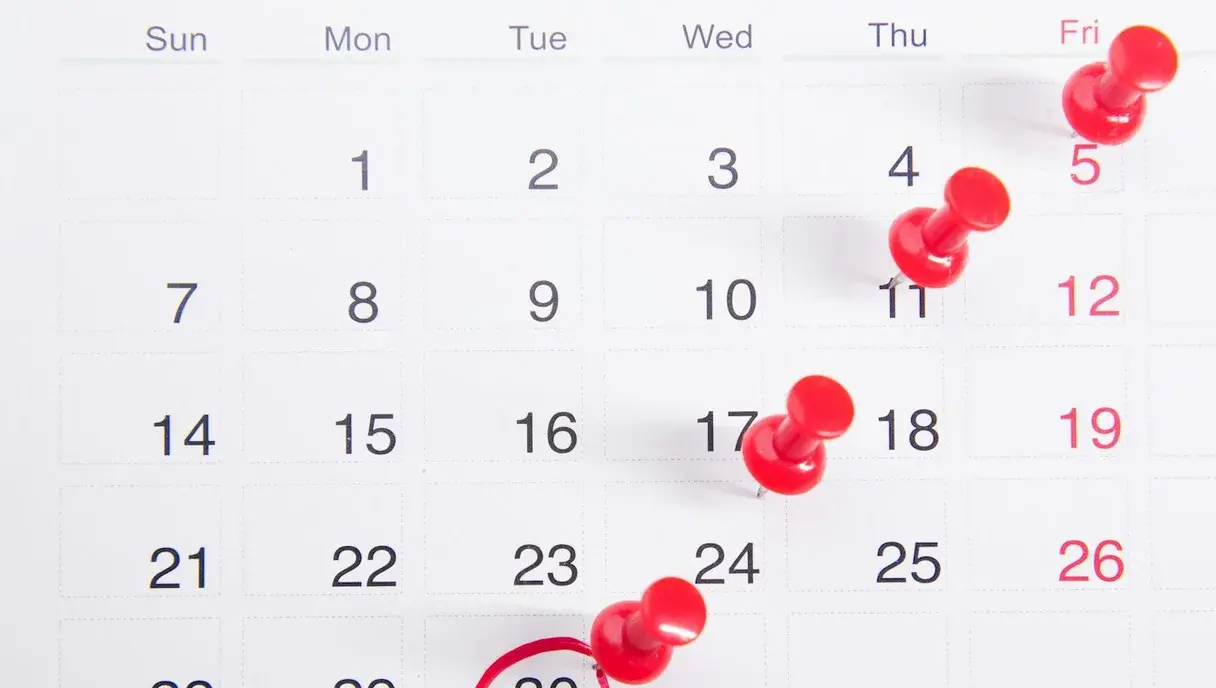
Did you know? A healthy couple has only about a 1 in 4 chance of conceiving in any given month, and timing is a big reason why. Almost everything comes down to one short window each month: ovulation. Get the timing right and your chances rise sharply.
The good news is that ovulation follows clear, learnable signs. This guide explains when it happens, how to spot it, and how to support your body. It is written for women in Pakistan. It is general information, not a substitute for advice from your own doctor.
What is ovulation?
Ovulation is the moment an ovary releases a mature egg into the fallopian tube. It is triggered by a surge in luteinising hormone (LH). That surge follows the rise of oestrogen as an egg matures.
The egg survives for only about 12 to 24 hours. But sperm can live inside the body for up to five days. So your fertile window is roughly six days: the five days before ovulation plus the day itself.
In a typical 28-day cycle, ovulation lands around day 14 (counting day 1 as the first day of your period). But cycles vary widely between women, and even from month to month. So it helps to track your own signs rather than rely on the calendar alone.
The phases of your cycle
- Follicular phase (day 1 to ovulation). Your period starts this phase. An egg then matures inside a follicle while the womb lining rebuilds.
- Ovulation. The LH surge releases the egg, usually mid-cycle.
- Luteal phase (ovulation to next period). This phase is fairly fixed at about 14 days. The body prepares for a possible pregnancy. If none occurs, your period begins.
Knowing the luteal phase is steady is useful. It means most of the variation in cycle length comes from the first half. That is why counting back 14 days from your expected period estimates ovulation better than counting forward from your last one.
The signs of ovulation
- Cervical mucus changes. Around ovulation it becomes clear, stretchy and slippery, like raw egg white. This is the most reliable everyday sign.
- A small rise in body temperature. Your basal body temperature ticks up slightly after ovulation. It is useful for confirming ovulation happened rather than predicting it.
- Mild one-sided pelvic twinge (called mittelschmerz) felt by some women.
- Increased libido and a heightened sense of smell or energy.
- Light spotting or breast tenderness in some women.
- A positive ovulation predictor kit (OPK), which detects the LH surge 24 to 36 hours before the egg releases.
How to find your fertile window
- Track your cycle for a few months. Note the first day of each period.
- Subtract 14 from your average cycle length to estimate your ovulation day.
- Watch your mucus. The egg-white texture means your most fertile days are here.
- Confirm with an OPK if you want extra certainty about the LH surge.
- Have sex every 1 to 2 days across the fertile window, not just on one "perfect" day. That way sperm are always ready when the egg arrives.
If your cycles are very irregular, ovulation can be hard to predict. That itself can be a sign of an underlying issue like PCOS or a thyroid problem. See our guides to irregular periods and PCOS.
What can disrupt ovulation
Ovulation is sensitive to your overall health. It can be delayed, irregular or absent for many reasons. These include PCOS, thyroid disorders, very high stress, sudden weight loss or gain, over-exercising, certain medicines, and the natural decline in egg numbers with age.
If you are not ovulating regularly, treat the underlying cause first, often with a doctor's help. That matters more than perfect timing.
Supplements that support healthy ovulation and egg quality
Supplements do not replace medical care, and they cannot force ovulation on their own. But the right nutrients give your body the building blocks for a healthy cycle and a good-quality egg.
| Supplement | Why it helps |
|---|---|
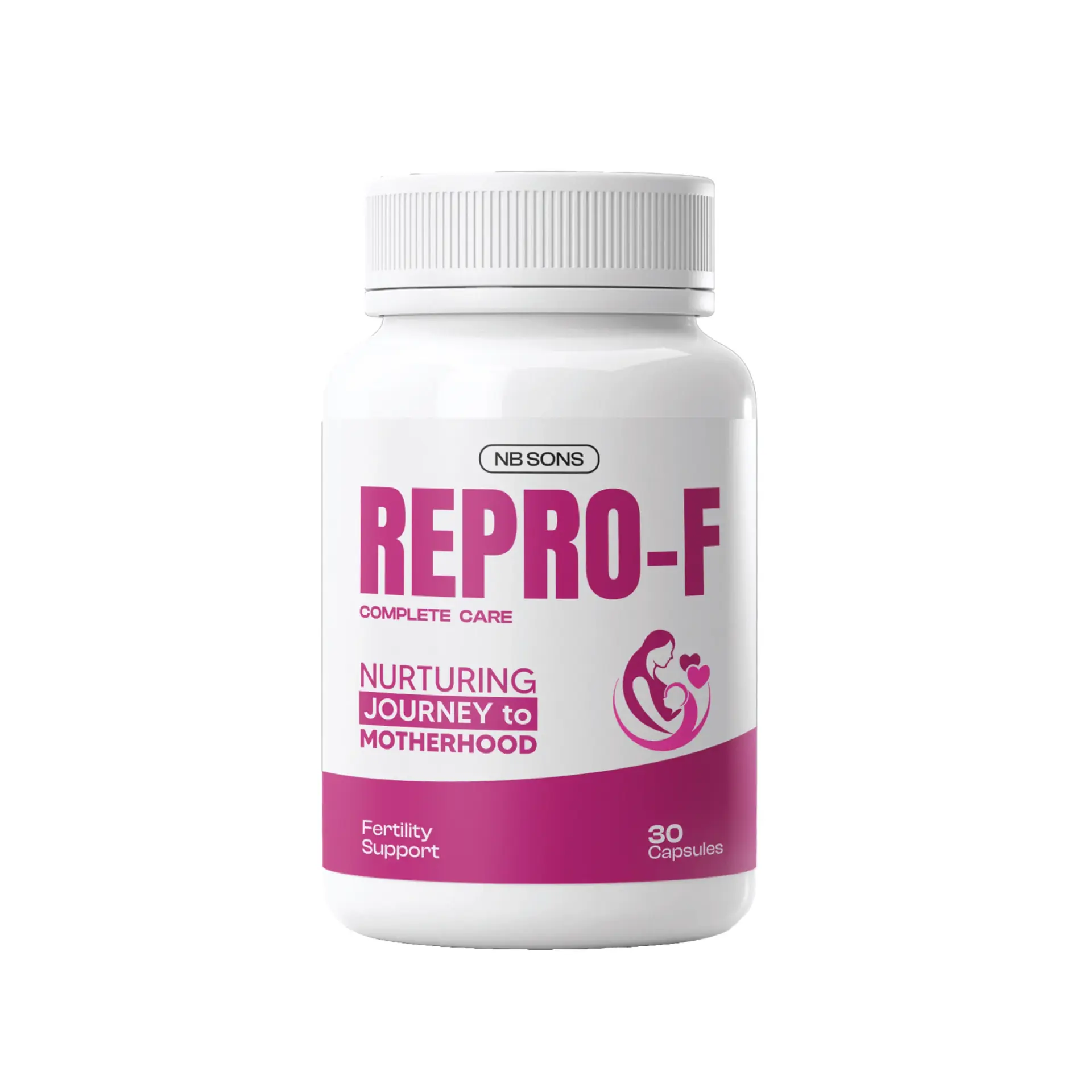
| Repro-F Women's Fertility Supplement | A targeted blend to support regular ovulation and reproductive health |
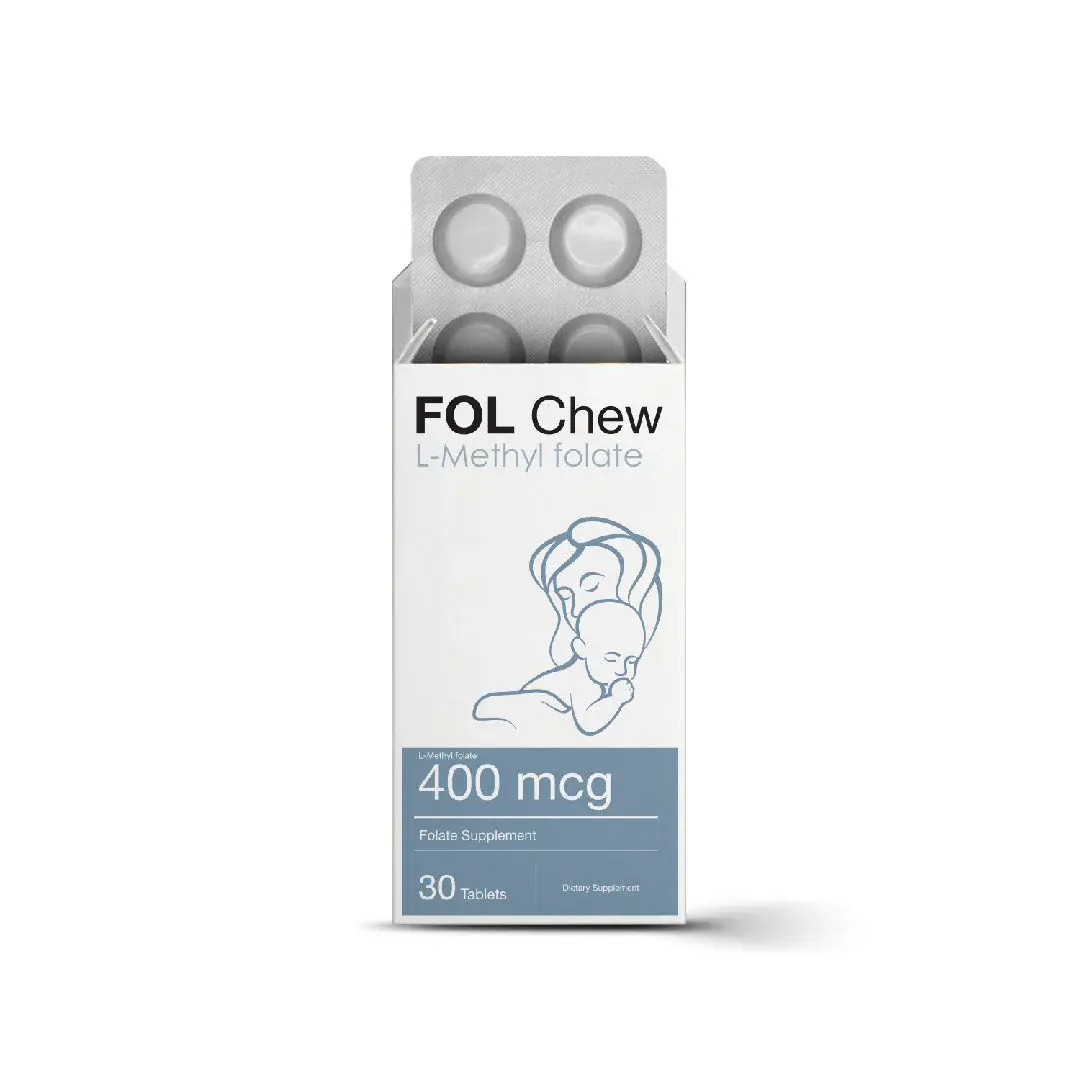
| FOL Chew (Folate + CoQ10 + Maca) | Folate for early pregnancy plus CoQ10 for egg quality, in one chewable |
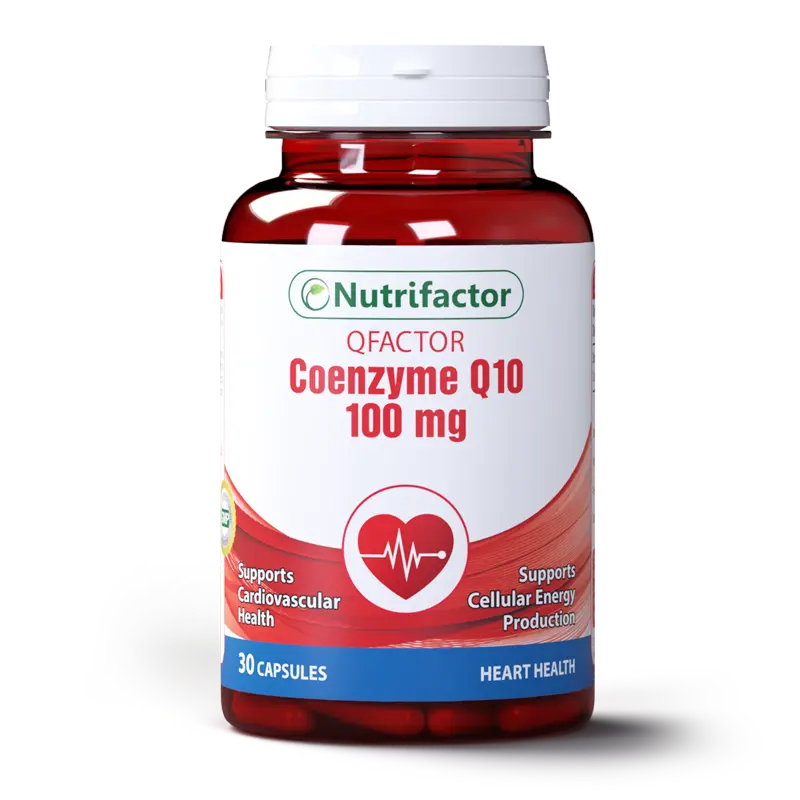
| CoQ10 100mg | An antioxidant linked to better egg quality, especially after 30 |
| M-Sol Myo-Inositol | Helps restore ovulation in women with PCOS or insulin resistance |
Start folate before you conceive, as it protects the baby in the first weeks. There is more in our folic acid for pregnancy guide and egg-quality guide.
Lifestyle that supports fertility
Beyond supplements, the everyday basics matter most. Aim for a balanced diet, a healthy weight, regular but not extreme exercise, good sleep, and lower stress. Avoid smoking and excess caffeine.
These steps support regular ovulation and egg quality. They help the male partner too, since fertility is a two-person matter.
When to see a doctor
See a gynaecologist if you are under 35 and have tried for 12 months, or 6 months if over 35, without success. Also see one if your periods are very irregular or absent, or if you have pelvic pain, very heavy bleeding or known conditions like PCOS or thyroid problems.
Because fertility involves both partners, the male partner should be checked too. See our sperm count guide.
Common myths about ovulation
- Myth: everyone ovulates on day 14. That is only an average for a 28-day cycle. Your day depends on your own cycle length.
- Myth: you can conceive any day of the month. Pregnancy is only likely during the fertile window.
- Myth: a regular period guarantees ovulation. Usually it is a good sign, but not an absolute guarantee. That is why tracking signs helps.
- Myth: more sex on ovulation day is always better. Regular sex across the whole fertile window works better than waiting for one day.
Read next: Implantation Bleeding or an Early Period? How to Tell the Difference.
The bottom line
Learn your body's ovulation signs. Focus intimacy across the whole fertile window. Support your cycle with folate and fertility nutrients alongside a healthy lifestyle.
If you are trying as a couple, the Couple's Conceive Pack covers both of you. Our trying-to-conceive guide walks through the full plan. This article follows our medical review board standards and is general guidance, not personal medical advice.
Testing at the right moment matters as much as timing intimacy. Compare ovulation kits and pregnancy tests, from Rs 60 strips to digital tests, delivered discreetly.
Shop Repro-F Fertility Support →Two related reads: the ovulation kit guide on when to test and how to read the strips, and the luteal phase guide on what happens in the two weeks after ovulation.
Frequently asked questions
How do I know exactly when I ovulate?
The clearest day-to-day sign is clear, stretchy, egg-white cervical mucus. An ovulation predictor kit confirms the LH surge 1 to 2 days before the egg releases.
Can I get pregnant any day of the month?
No. You can only conceive during the fertile window, the roughly six days ending on ovulation day. Outside it, pregnancy is very unlikely.
Which supplement is best for conceiving?
For women, Repro-F or FOL Chew. For couples trying together, the Trying-to-Conceive Couple's Pack covers both partners.
Can I ovulate without having a period?
Cycles vary, but very irregular or absent periods often mean ovulation is irregular too. This deserves a doctor's review to find the cause.
Does stress affect ovulation?
Yes. High or prolonged stress can delay or disrupt ovulation by affecting the hormones that control your cycle.
How long after ovulation can I test for pregnancy?
Most home tests are reliable from around the day of your missed period. Testing too early can give a false negative.
Does age affect ovulation and egg quality?
Yes. Both egg numbers and quality decline gradually with age, more noticeably after the mid-30s. That is why earlier review is advised for older women.
Can I rely on cycle apps alone?
Apps are a helpful starting point, but they only estimate. Combining an app with mucus tracking or an OPK is far more accurate.
Liked this one? Get the next in your inbox.
One fortnightly note from the editors, new pieces, restocks, and the routines we're actually using. Unsubscribe any time.