How to Improve Egg Quality Naturally: Pakistan Guide
Learn how to improve egg quality naturally in Pakistan with CoQ10, myo-inositol, vitamin D3, folate, omega-3s, melatonin, and lifestyle changes.

Did you know? You are born with every egg you will ever have, and quality slowly falls with age. But age is not the whole story. Lifestyle, nutrition and the right supplements can still support your egg quality and your chances of conceiving.
Shop the picks in this guide (5)
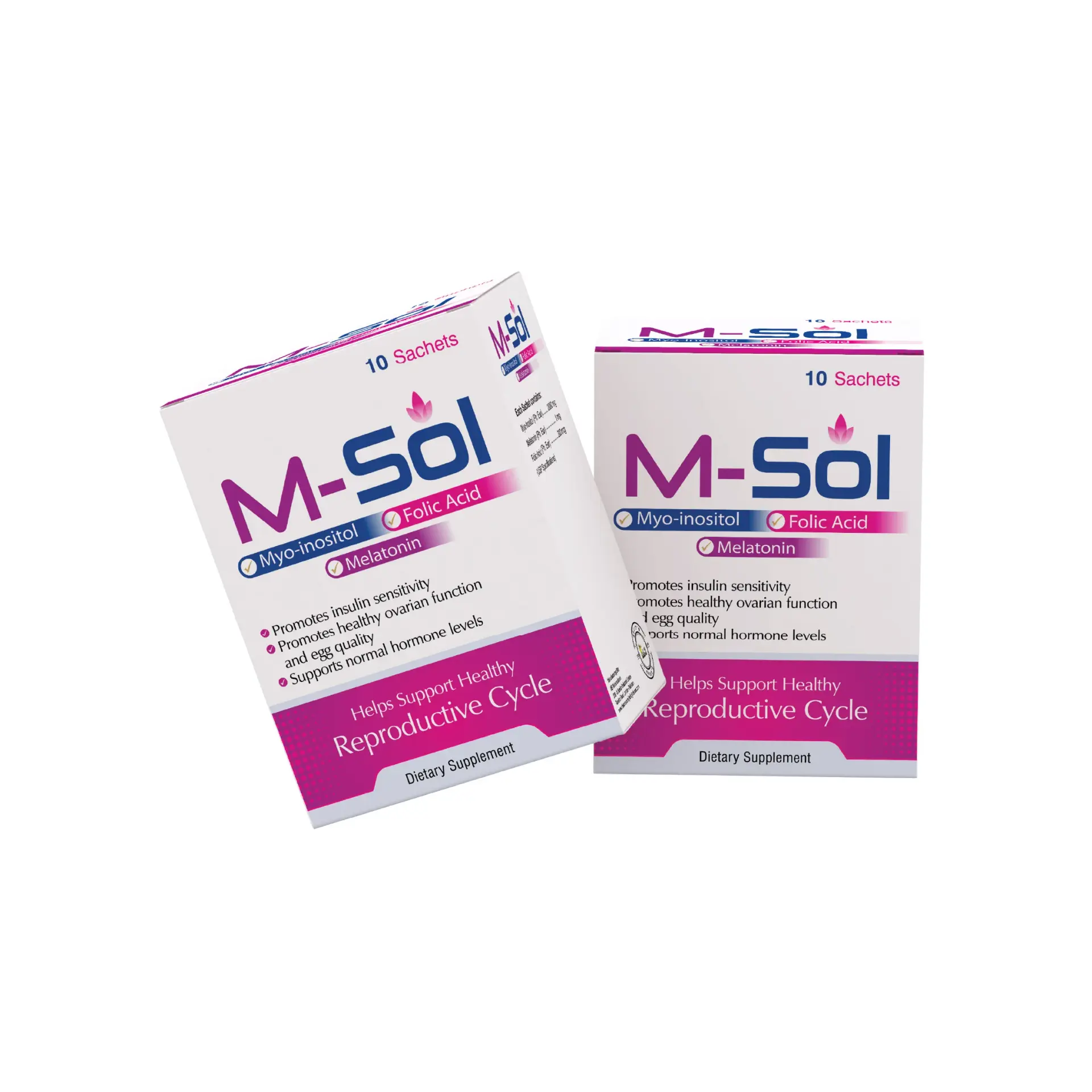
- M-Sol Myo-Inositol Sachet, Rs 950, the daily myo-inositol sachet most readers start with
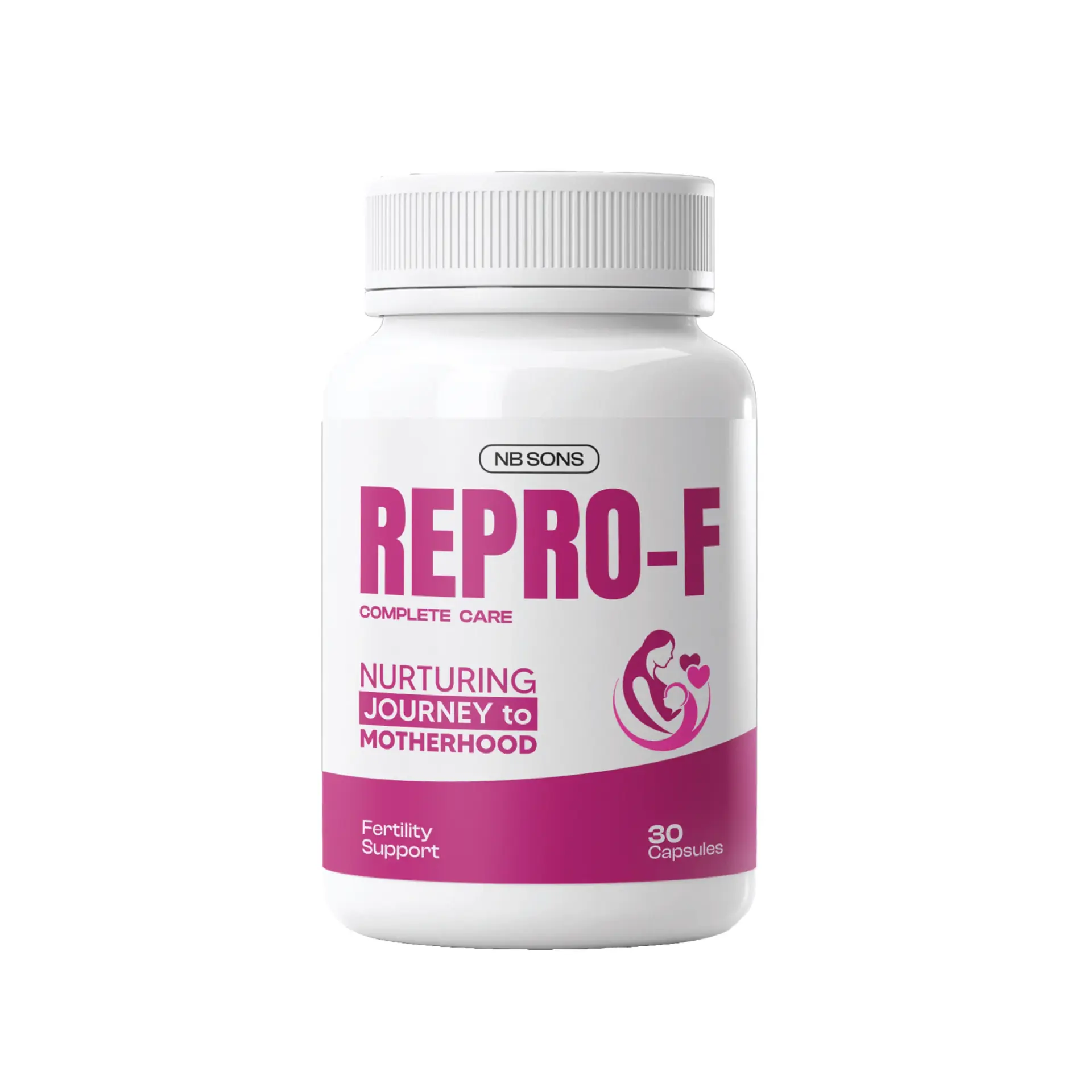
- Repro-F Women's Fertility Supplement, Rs 1,300, one preconception tablet covering folic acid, iron and vitamin D3
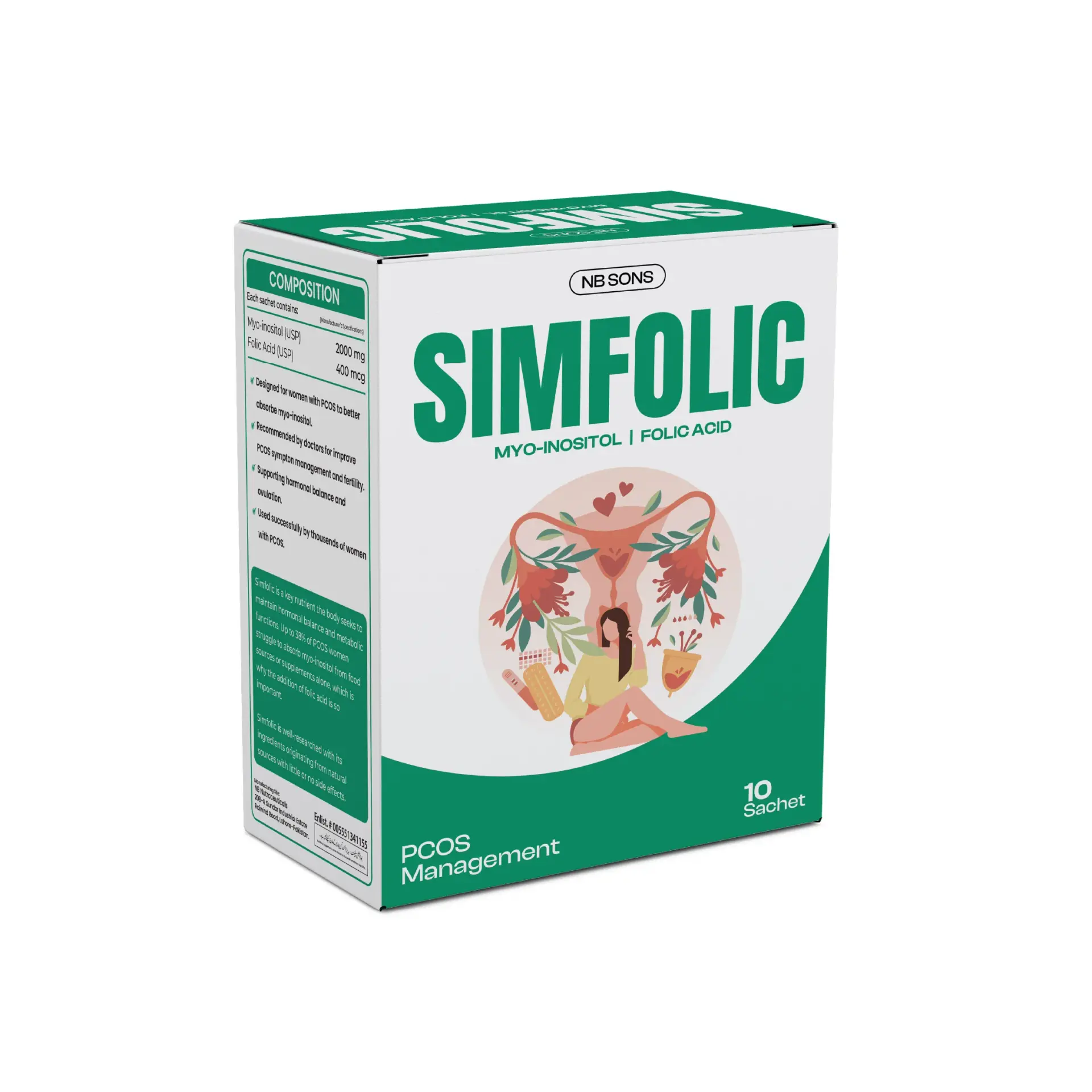
- Simfolic Myo-Inositol + Folic Acid, Rs 1,390, for PCOS, with the full 400 mcg of folic acid
- Simzyme CoQ10 100 mg, Rs 1,250, 100 mg of CoQ10 in one daily capsule, the antioxidant discussed below
- Nutrifactor Normega 1000 Fish Oil, Rs 1,580, for EPA and DHA when oily fish is rare on your plate
Why Egg Quality Matters for Conception
Egg quality is one of the biggest factors in fertility. A healthy egg is far more likely to lead to a healthy pregnancy.
This matters even more in Pakistan. PCOS is common here, and low vitamin D is widespread. Both can affect ovulation. The good news is that a lot of what helps is ordinary: food, sleep, weight, and filling the gaps your diet leaves.
Understanding Egg Quality: The Science Behind Conception
Egg quality means the health of your eggs (oocytes) inside. A healthy egg has the right number of chromosomes, strong cell walls and good energy production.
A poor quality egg may carry the wrong number of chromosomes. This can lead to miscarriage. It may also have weak cell walls or sluggish mitochondria, the tiny power plants inside the cell. All of this lowers your chance of conceiving.
How Age Affects Egg Quality in Pakistan
Many Pakistani women start families later, often due to education or career. That is a positive choice. But age can reduce both egg numbers and egg quality over time.
You cannot make new eggs. What you can do is look after the ones you have, and cover the nutrients a preconception diet often misses. That is the job a tablet like Repro-F does: folic acid 400 mcg, vitamin D3 600 IU, iron, zinc, selenium and iodine in one daily dose.
Pakistan-Specific Factors Impacting Egg Quality
1. Vitamin D Deficiency
Low vitamin D is common in Pakistan, and there is no way to guess your own level. A 25(OH)D blood test costs little at any decent lab and tells you where you actually stand.
Solution: The NHS advises 10 micrograms (400 IU) a day for adults, and says not to take more than 100 micrograms (4,000 IU) a day, as more than that could be harmful. If a test shows you are low, let your doctor set the dose rather than picking one yourself.
2. PCOS Prevalence
The WHO puts PCOS at an estimated 10 to 13% of women of reproductive age, and says up to 70% of them do not know they have it. It is the most common cause of anovulation worldwide. The insulin resistance behind PCOS pushes the ovaries to make more androgens, and high androgens stop eggs being released.
Solution: Get a diagnosis first. Alongside whatever your doctor prescribes, myo-inositol is the supplement women with PCOS most often add: Simfolic gives 2,000 mg of myo-inositol with 400 mcg of folic acid in a daily dose.
3. Dietary Deficiencies
Traditional Pakistani food is nutritious. But it can fall short in a few key areas:
- Omega-3 fatty acids: Fish, flaxseed and walnuts are not eaten often in many regions.
- Antioxidants: Long cooking times take the edge off delicate vitamins in palak (spinach), methi (fenugreek) and other greens.
- Folate: The NHS asks women who could become pregnant for a 400 mcg folic acid supplement daily, on top of what food gives you, because diet alone rarely covers the preconception need.
4. Stress & Sleep Disruption
Work life in Pakistan often means long hours and high stress. The NHS lists stress among the things that can affect fertility, and in severe cases it can interfere with ovulation. Progesterone, the hormone the corpus luteum makes after ovulation to prepare the womb lining, sits right in the middle of that cycle.
Poor sleep makes it worse. Late nights and busy schedules can throw your routine, and with it your hormones, off balance.
5. Excessive Chai & Caffeine
Chai is part of daily life here. The NHS puts a cup of tea at about 75 mg of caffeine, so four to six cups a day lands somewhere between 300 mg and 450 mg.
The NHS limit in pregnancy is 200 mg a day. If you are trying to conceive, getting to that number now is a sensible place to start, and it is one of the easier changes on this list.
7 Evidence-Based Supplements to Improve Egg Quality Naturally
1. Coenzyme Q10 (CoQ10): The Mitochondrial Powerhouse
Dose: Simzyme is one 100 mg capsule daily, preferably with a meal. We sell it for energy and general heart wellness, not as a fertility treatment. If you have read about higher doses for trying to conceive, that is a conversation for your clinic rather than something to decide on your own.
How it works: CoQ10 sits inside the cell's power plants, and the body's own levels fall with age. Supplementing tops those levels back up as part of daily nutrition.
Evidence: The fertility research here is early and mostly small. Treat CoQ10 as nutritional support next to sleep, weight and diet, not as a fix on its own.
2. Myo-Inositol: For PCOS & Insulin Resistance
Dose: 2,000 mg daily is the amount both of our inositol products carry.
How it works: Myo-inositol has a role in cellular signalling and hormonal regulation, and it is widely used to support ovarian function and metabolic balance in PCOS.
Evidence: Cleveland Clinic's PCOS page does not list inositol among the medical treatments for the condition, so keep expectations sensible and treat it as nutritional support alongside what your doctor prescribes.
Pakistani products: M-Sol Sachet gives myo-inositol 2,000 mg with melatonin 1 mg and folic acid 200 mcg, dissolved in a glass of water once a day. Simfolic gives myo-inositol 2,000 mg with the full 400 mcg of folic acid in one daily dose taken with water.
3. Folate (Methylfolate): The DNA Protector
Dose: 400 mcg of folic acid daily, started before you stop contraception and continued until you are 12 weeks pregnant. Some women are advised 5 mg instead; that is a conversation with your doctor, not a self-prescribed dose.
How it works: Folate is behind DNA synthesis and normal cell division, which is exactly what a growing egg and then an early pregnancy depend on.
Evidence: The NHS reason for the 400 mcg is neural tube defects such as spina bifida, and the advice is unambiguous about starting before you conceive.
If you prefer the active form: FOL Chew is a chewable L-methylfolate 400 mcg, which skips the conversion step. Repro-F and Simfolic both use ordinary folic acid.
4. Vitamin D3: The Hormone Regulator
Dose: 400 IU a day as the NHS baseline for adults, and never more than 4,000 IU a day without a doctor telling you to. Test first, then dose.
How it works: Vitamin D is involved in calcium balance, immune function and hormone signalling. Repro-F carries 600 IU per tablet, which covers the everyday baseline.
If a test shows you are low: Vit KD is a high-strength 10,000 IU D3 with K2, meant to be taken at the dose and interval your doctor sets, not daily by default.
5. Omega-3 Fatty Acids: The Membrane Builder
Food first: The NHS asks for at least two portions of fish a week, one of them oily. If you might become pregnant, cap oily fish at two portions a week and avoid shark, swordfish and marlin.
Supplement: Nutrifactor Normega 1000 gives 180 mg EPA and 120 mg DHA per softgel, one to two softgels daily with a meal.
Pakistani food sources: Mackerel, salmon where you can find it, and flaxseeds stirred into raita.
6. Melatonin: The Antioxidant & Sleep Optimizer
Dose: M-Sol already contains 1 mg per sachet. Nutrifactor Melatonin is 3 mg per tablet, taken 20 to 30 minutes before bed.
How it works: Melatonin is the hormone that regulates the sleep and wake cycle, and it also behaves as an antioxidant in the body.
Read the label: Nutrifactor's own directions say adults only, limit use to two months and then take a week off, and ask a healthcare professional first if you are pregnant, breastfeeding or on any medication. It causes drowsiness, so do not drive after taking it.
7. DHEA: For Diminished Ovarian Reserve
Dose: Only what a fertility specialist prescribes. We do not sell it, and it is not a supplement to buy off a shelf and start on your own.
How it works: DHEA is a precursor the body converts into testosterone and oestrogen.
Evidence: It is used in some clinics for women with low ovarian reserve, under supervision and with monitoring. If your specialist has not raised it, it is not your next step.
Lifestyle Changes to Naturally Improve Egg Quality
1. Regular Exercise (Moderate, Not Extreme)
Best approach: 30 to 45 minutes of moderate exercise, 4 to 5 times a week. Try brisk walking, swimming or yoga.
Why it works: Regular movement helps with insulin sensitivity and weight, both of which feed into ovulation.
Pakistani context: Walking in a park like the Margalla Hills trails or your own neighbourhood is free and works well. Avoid over-training, as very heavy training can stop ovulation.
2. Sleep Optimization
Target: 7 to 8 hours a night, at a steady time.
Why it works: Hormones run the sleep and wake cycle as well as reproduction, and a schedule that swings around makes both harder to keep steady.
Pakistani reality: Phone screens and late-night work are common. Use a blue light filter after 8pm and try to sleep by 11pm.
3. Stress Reduction
Methods: Meditation, deep breathing, talking to a counsellor or simply enjoying a hobby.
Why it works: The NHS lists stress as something that can reduce interest in sex and, in severe cases, affect ovulation.
Pakistani-friendly options: Quranic recitation and namaz both calm the body naturally. Time in nature helps too.
4. Limit Caffeine & Alcohol
Caffeine: Aim for under 200 mg a day, which at 75 mg a cup is roughly two cups of tea, not six cups of chai.
Alcohol: The NHS advises no more than 14 units a week, and heavy drinking is on its list of things that affect fertility. If you are trying for a baby, not drinking is the simplest answer.
Pakistani tea culture note: Green tea is not the caffeine-free swap it is sold as. The NHS counts it at the same 75 mg a cup as black tea, so what moves your total is fewer cups, and the milky, sugary ones you drop take the sugar with them.
5. Maintain Healthy Weight
Target: A healthy weight range as your doctor defines it for you.
Why it works: The NHS is direct about this one: being overweight, obese or severely underweight can reduce fertility and affect ovulation. Weight is one of the few fertility factors you can act on straight away.
6. Reduce Endocrine Disruptors
The human evidence here is thinner than the headlines suggest, but these swaps cost nothing:
- Store food in glass or steel rather than reusing old plastic containers, especially for hot food.
- Replace scratched non-stick pans. Stainless steel or cast iron lasts longer anyway.
- Wash produce well. The NHS lists pesticide exposure among the environmental factors that may affect fertility.
Timeline: When Will You See Improvements?
A follicle takes months to develop before it is released, so nothing you change today shows up next week. What a realistic run looks like:
- 1 to 2 months: The habit sticks. Sleep, caffeine and supplements become routine rather than a project.
- 3 months: Cycle tracking and any bloods your doctor repeats start to give you something to compare against.
- 3 to 6 months: The usual window doctors ask you to give a preconception plan before reviewing it.
Egg quality itself is not something a lab can measure directly. What your doctor can follow is ovulation, cycle regularity, vitamin D and other bloods, so track those instead of chasing a number that does not exist.
When to Seek Specialist Care
The NHS advice is to see a doctor if you have not conceived after a year of trying, and sooner if you are 36 or over or already know of a fertility problem. In practice, see someone if:
- You are over 35 and have tried for 6 months without success.
- You are under 35 and have tried for 1 year.
- You have irregular cycles or PCOS.
- You have had a miscarriage before.
- Your partner has a low sperm count. Fertility is a two-person problem, and a semen analysis is quicker and cheaper than most of the tests you will be offered.
Finding a Fertility Clinic in Pakistan
Start with your own gynaecologist and ask for a referral. Major cities all have registered fertility units attached to teaching hospitals as well as private centres, and a referral gets you to one that your doctor already works with. Before you commit, ask what the first consultation covers, what the tests cost, and who will actually be treating you. Clinic fees vary widely and change often, so get the current figure in writing rather than relying on a number you read online.
Recommended Products for Pakistani Women
What we stock for this, and what each one is actually for:
- M-Sol Sachet, Rs 950: myo-inositol 2,000 mg, melatonin 1 mg, folic acid 200 mcg. One sachet in a glass of water daily.
- Repro-F, Rs 1,300: the one-tablet preconception multivitamin, with folic acid 400 mcg, vitamin D3 600 IU, iron 14 mg and zinc 15 mg.
- Simfolic, Rs 1,390: myo-inositol 2,000 mg with folic acid 400 mcg, the PCOS pick when you want the higher folic acid.
- Simzyme CoQ10 100 mg, Rs 1,250: one capsule daily with a meal.
- Nutrifactor Normega 1000, Rs 1,580: 180 mg EPA and 120 mg DHA per softgel, for weeks when fish does not happen.
- FOL Chew, Rs 485: chewable L-methylfolate 400 mcg if you would rather take the active form.
If your husband is being tested too, the Trying-to-Conceive Couple's Pack at Rs 2,290 puts Repro-F and Repro-M in one box.
Conclusion
You can give your eggs a better run than they are getting now. What it takes is steady habits and enough patience to let a full cycle pass before you judge anything.
Pakistan brings its own hurdles: low vitamin D, common PCOS, diet gaps, stress and chai culture. Each one can be managed with a plan.
Start with folate and a preconception multivitamin, add myo-inositol if you have PCOS, get your vitamin D tested, and stay consistent for 3 to 6 months while your doctor tracks your cycles.
Remember: the work you put in here is not wasted if conception takes longer than you hoped. Sleep, weight, iron and vitamin D are your long-term hormonal health too.
This article was written and medically reviewed to our medical review board standards and is for general guidance, not personal medical advice. Always speak to a doctor or pharmacist about your own situation.
Ready to start? If you are planning a pregnancy, begin with Repro-F for daily preconception cover and add M-Sol if your cycles are irregular, or browse everything in Women's Health. Cash on delivery across Pakistan, and free delivery on orders over Rs 5,000 in Punjab.
Shop Repro-F Women's Fertility Supplement →Liked this one? Get the next in your inbox.
One fortnightly note from the editors, new pieces, restocks, and the routines we're actually using. Unsubscribe any time.