Semen Analysis (HSA Test): Price in Pakistan and How to Read Your Report
What a semen analysis (HSA test) costs at Pakistani labs, how to prepare so the result can be trusted, and what every number on your report means.
Here is a pattern every fertility doctor in Pakistan knows too well: the wife has done an ultrasound, hormone tests, sometimes even an HSG, and the husband has done nothing. Yet a male factor contributes in about half of the couples who struggle to conceive, and the test that finds it is the simplest in the entire workup.
A semen analysis takes one visit and one sample. If your lab slip says "HSA," this is that test. This guide covers what it costs at Pakistani labs, how to give the sample properly so the result can be trusted, and what every number on the report actually means.
Shop the picks in this guide (4)
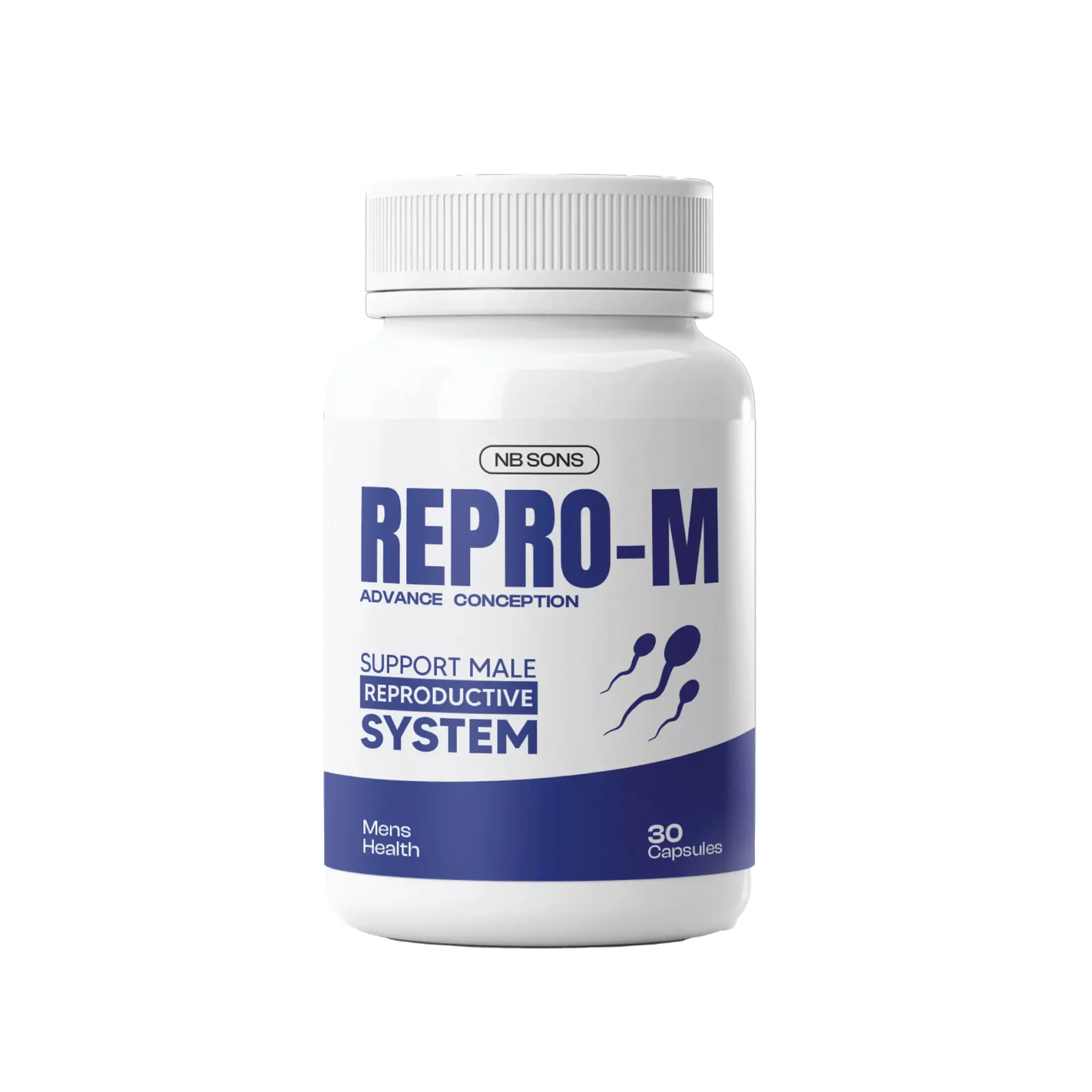
- Repro-M Men's Fertility Supplement, Rs 1,300, the male fertility tablet most readers start with while they wait for a repeat report
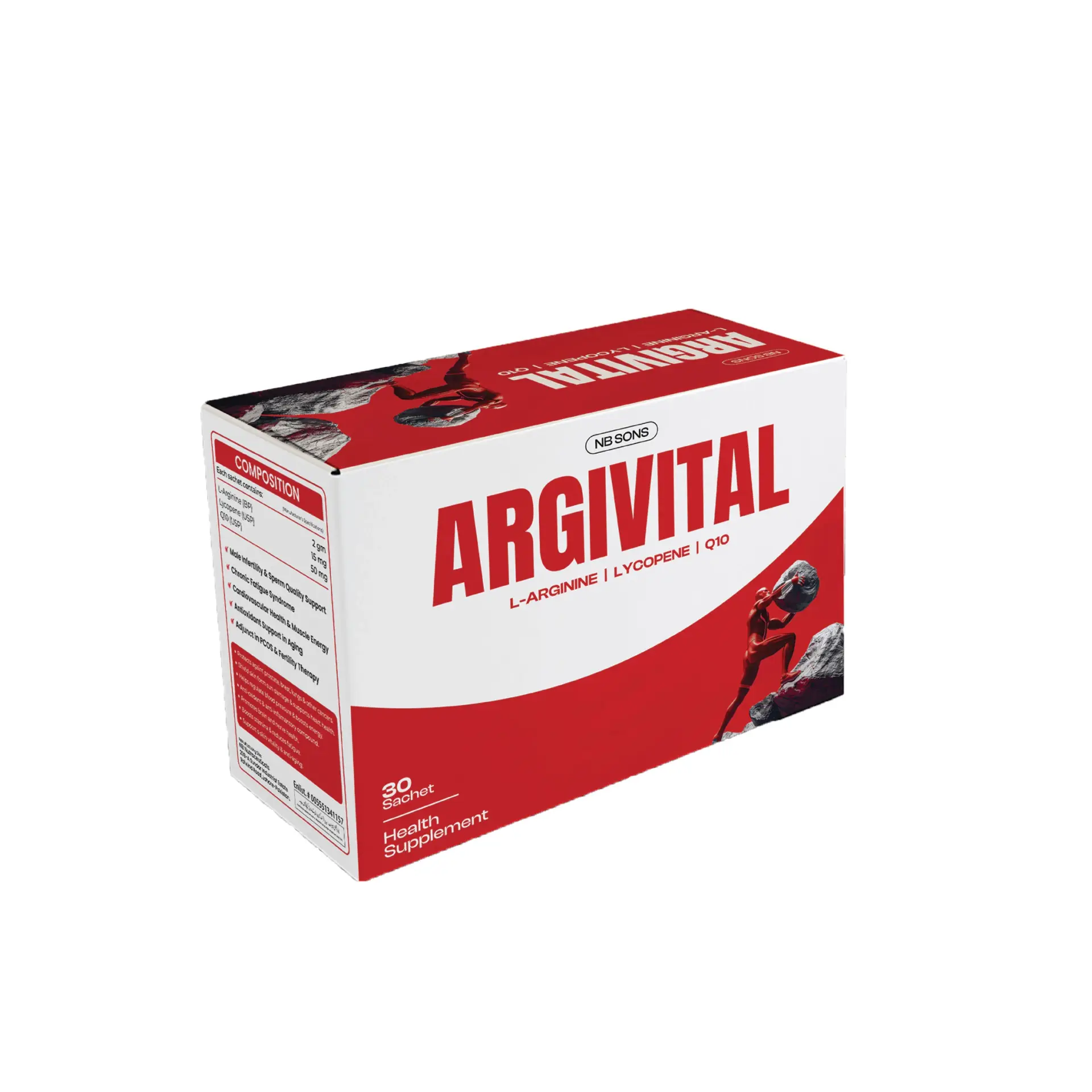
- Argivital L-Arginine Sachet, Rs 3,500, for men who also want support with blood flow, erection quality and stamina
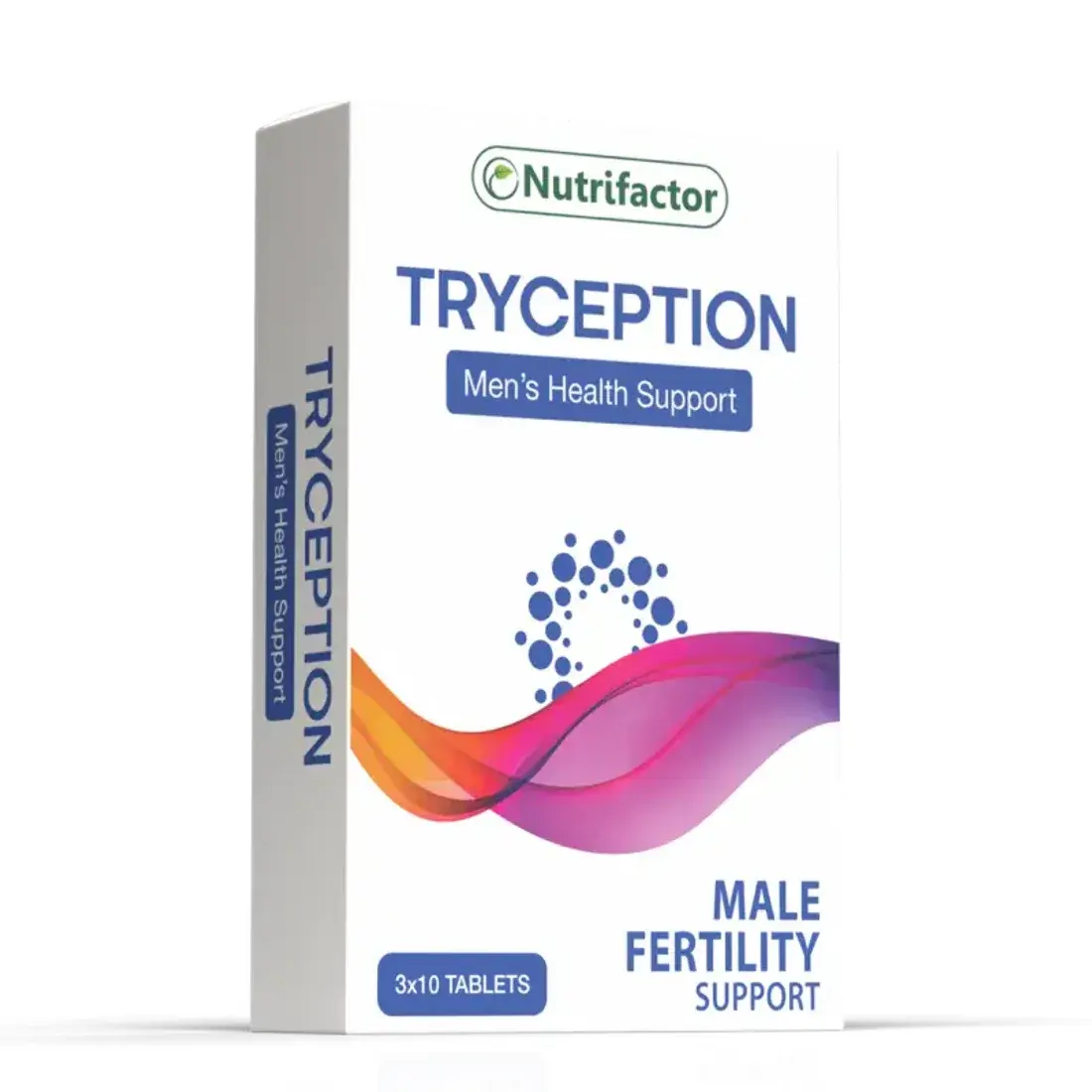
- Nutrifactor Tryception Tablets, Rs 1,690, a 20-nutrient male fertility tablet with CoQ10, zinc and selenium
- Trying-to-Conceive Couple's Pack, Rs 2,290, his and hers formulas together, for couples testing at the same time
What the test measures, in plain words
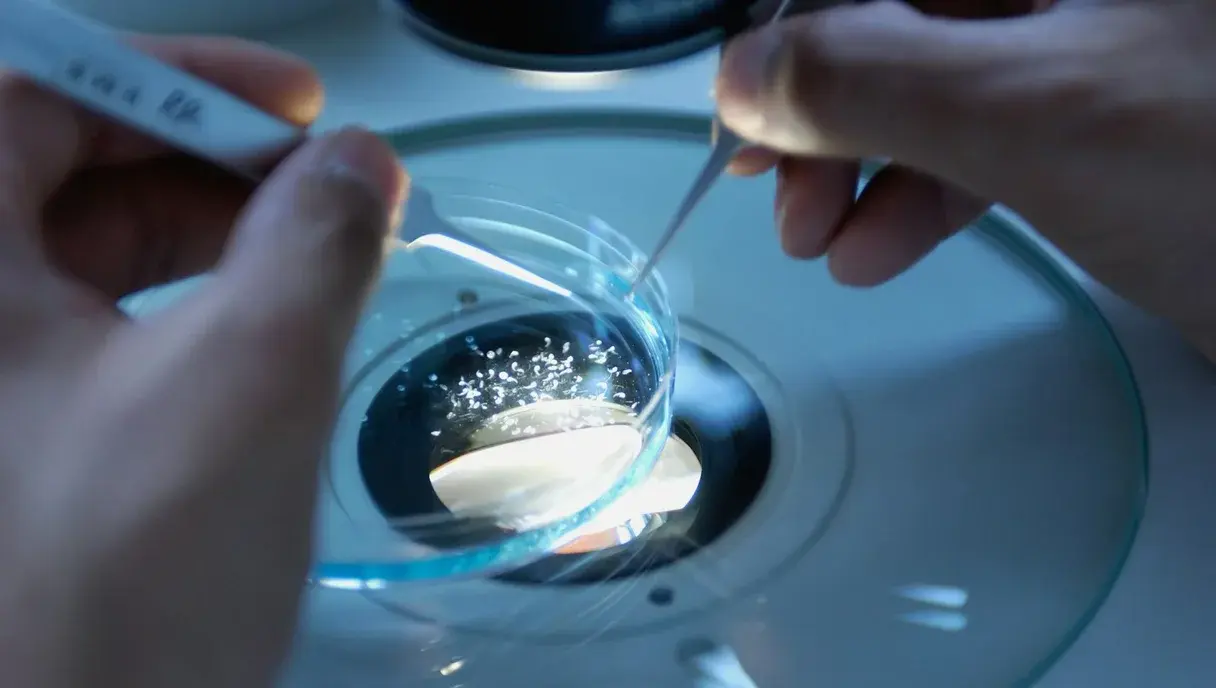
A semen analysis looks at one fresh sample under a microscope and answers three core questions. How many sperm are there (count and concentration)? How well do they swim (motility)? How many are normally shaped (morphology)? Around these, the report also records the volume of the sample, its pH, how long it takes to liquefy, and whether there are pus cells that might point to an infection.
No blood test can substitute for it. A man can have normal testosterone, a normal build, normal desire, and children from an earlier marriage, and still have a low count today. Sperm production changes over time with heat, illness, medicines, smoking and weight. The only way to know the current situation is to look.
What does HSA test mean?
On lab slips and clinic files in Pakistan, HSA stands for husband semen analysis. It is exactly the same test as a semen analysis; the name simply reflects that fertility clinics order it as the husband's half of a couple's workup. If a gynaecologist has written "HSA" for your husband, you do not need to find a special lab. Any major diagnostic lab that performs semen analysis will do.
How to prepare and give the sample
Preparation decides whether the report is worth reading, so take it seriously.
- Abstain for 2 to 7 days before the test. That is the window MedlinePlus gives, and Chughtai Lab's own test page narrows it to 2 to 3 days. Less than 2 days lowers the count; more than 7 days increases dead and sluggish sperm. Both distort the result.
- The sample is given by masturbation into a sterile container, usually in a private room at the lab. Do not use ordinary lubricants, saliva or a regular condom, since all of them can damage sperm. If religious or personal reasons make collection at the lab difficult, ask the lab about the special non-toxic collection condoms doctors provide for this purpose.
- If you collect at home, the sample must reach the lab within an hour, kept at room temperature (30 to 60 minutes if you used a collection condom). This is why an afternoon stuck in Karachi or Lahore traffic is a bad plan; give the sample at the branch if you can. Not every lab accepts a home-collected sample for this test, so ask before you plan around it. Dr Essa Laboratory, for one, states on its own booking page that this test is not offered with home collection and a branch visit is required.
- Postpone the test if you have had a high fever recently. Sperm take about 64 to 74 days to develop, so an illness from a few weeks ago is still showing up in today's sample, and the report will look worse than your usual baseline.
- Mention your medicines. The NHS lists anabolic steroids (which includes testosterone injections), the bowel drug sulfasalazine, chemotherapy and some herbal remedies among the medicines that affect male fertility. Your doctor needs to know before interpreting the report.
Semen analysis price in Pakistan (2026)
These are the labs' own published rates, checked on their websites in September 2026. Labs revise rates and run online booking discounts, so confirm by phone before you go.
| Lab | Listed price | Notes |
|---|---|---|
| Chughtai Lab | Rs. 3,000 | Bookable online, by app or by phone; advises 2 to 3 days of abstinence |
| Dr Essa Laboratory | Rs. 3,090 | Branch visit required, no home collection |
Islamabad Diagnostic Centre publishes male infertility screening packages rather than a standalone rate for this test, and the Aga Khan University Laboratory does not publish a price for it online, so ring either of them if you want the single-test figure. Ask about the reporting time when you book, since that varies by lab and by branch.
Compare any of this with the cost of the tests many couples repeat on the female side, and the case for doing the HSA early makes itself. If you are still deciding which partner should be tested first, the honest answer is both, at the same time. Our free fertility quiz can help a couple work out which checks make sense for their situation.
How to read your report: the WHO 2021 values
Pakistani labs report semen analysis against World Health Organization reference limits. The current standard is the WHO sixth edition manual from 2021, though some labs still print the older 2010 ranges, so check which one appears on your report. The 2021 lower reference limits come from 3,589 recently fertile men whose partners conceived within a year; a value below the limit places you in the lowest 5 percent of that group.
It does not mean conception is impossible, and the manual itself says these numbers do not draw a line between fertile and subfertile men.
| Parameter | WHO 2021 lower limit | What it means |
|---|---|---|
| Semen volume | 1.4 mL | Total amount of the sample |
| Sperm concentration | 16 million per mL | Sperm per millilitre |
| Total sperm number | 39 million | Sperm in the whole sample |
| Total motility | 42% | Sperm showing any movement |
| Progressive motility | 30% | Sperm swimming forward |
| Normal morphology | 4% | Normally shaped sperm |
If your report is on the 2010 edition, the equivalent numbers are 1.5 mL, 15 million per mL and 40 percent total motility, so a sample can sit just inside one edition and just outside the other.
Vitality, the percentage of live sperm, is handled differently in the sixth edition. It dropped the fixed cut-off the 2010 manual used (58 percent live) and now advises testing vitality only when total motility is under 40 percent, to tell dead sperm apart from live sperm that are not moving well.
Two other lines are worth understanding: pH should be above 7.2, and liquefaction, the sample turning from gel to liquid, normally completes within 20 to 30 minutes. More than 1 million white cells per mL suggests a possible infection that is treatable and worth chasing before anything else.
The Latin words on the report, translated
Lab reports use terms that sound frightening and mostly are not.
- Oligospermia: the count is below the reference limit. This is the most common finding and often improves with time and lifestyle changes.
- Asthenozoospermia: motility is low, measured against the progressive motility limit on whichever edition your lab uses (30 percent on the 2021 manual, 32 percent on the 2010 one). Sperm are present but too few are swimming well.
- Teratozoospermia: fewer than 4 percent normal forms. It sounds dramatic, but the threshold itself is only 4 percent, which means most sperm look abnormal even in men with no fertility problem, and morphology is the least useful number on the report on its own.
- Azoospermia: no sperm seen in the sample. This is the one finding that always needs a specialist, and even here there are real options, because production may be normal behind a blockage.
- Normozoospermia: everything is within reference range.
One bad report is not a verdict
Sperm counts swing more than almost any other lab value. Illness, a few stressful weeks, a heat wave, even a long gap since the last ejaculation can move the numbers. Because of this, no doctor should label a man infertile from a single report. The standard approach is at least two samples taken at the same lab under the same abstinence window, a minimum of a week apart and normally within three weeks of each other.
If you are changing something in between, whether that is stopping smoking, treating an infection or starting a supplement, give it a full sperm cycle of 64 to 74 days before you judge the result, because that is how long today's sample took to make.
If the repeat report is also below range, the next steps are a proper examination and usually some blood work. A varicocele, swollen veins around the testicle, is the most common correctable cause of male infertility; it is found in around 15 percent of men generally and in roughly 40 percent of men investigated for infertility, and it turns up on examination and ultrasound. Our guide to male infertility causes walks through the full list and when each one matters.
What actually improves the numbers
Because sperm are made on a rolling cycle of roughly 64 to 74 days, the habits of the past two to three months are what your next report reflects. Heat is the one with a named link in the NHS guidance, which reports a connection between a raised scrotal temperature and poorer semen quality, though it adds that switching to loose underwear has not been shown to fix it.
So skip the very hot baths and the long hours with a laptop on your lap. Stopping smoking and bringing weight down if it is high are worth doing on their own terms, and the NHS also flags recreational drugs as a cause of poorer semen quality.
On the supplement side, be realistic about what the evidence says. The 2022 Cochrane review of antioxidants for male subfertility found very low certainty evidence that they may improve live birth rates, and the apparent benefit disappeared when the poorly conducted trials were taken out of the analysis. That is a reason to treat a supplement as a cheap thing to try alongside the lifestyle work, not as a fix.
We have gone through the individual nutrients in our guides on increasing sperm count naturally and the top male fertility supplements in Pakistan. If you want a single practical option, Repro-M brings maca, L-carnitine, CoQ10 and antioxidants into one tablet, and Nutrifactor Tryception is a 20-nutrient alternative built around CoQ10, zinc and selenium.
Men who also want support for blood flow, erection quality and stamina usually reach for Argivital sachets, which carry L-arginine with lycopene and CoQ10. The couple's conceive pack pairs Repro-M with the female formula, which fits the test-together, prepare-together approach this article has been arguing for.
Frequently asked questions
What is a normal sperm count to get pregnant?
By WHO 2021 standards, at least 16 million sperm per mL and 39 million in the whole sample. Men below the reference limit father children all the time; the limits mark the lowest 5 percent of a group of recently fertile men, and the WHO manual is explicit that they do not separate fertile from subfertile.
What does HSA mean on my lab slip?
Husband semen analysis. It is the standard semen analysis, named this way by fertility clinics because it is ordered as the husband's part of a couple's fertility workup.
What is the semen analysis price in Pakistan?
Around Rs. 3,000 at the big labs. Chughtai Lab lists it at Rs. 3,000 and Dr Essa Laboratory at Rs. 3,090, both checked on their own websites in September 2026. Labs run booking discounts and revise rates, so call to confirm before visiting.
How many days of abstinence are needed before the test?
Between 2 and 7 days, and Chughtai Lab advises 2 to 3. Keeping the same gap before a repeat test matters as much as the gap itself, so the two reports can be fairly compared.
Can I give the sample at home?
It depends on the lab, and several do not allow it for this test. Dr Essa Laboratory requires a branch visit, so ask when you book. If a lab does accept a home-collected sample, it needs to reach them within an hour at room temperature. Collection at the lab is more reliable because timing and handling are controlled.
My report says teratozoospermia. Should I panic?
No. The threshold is 4 percent normal forms, so most sperm look abnormal even in men with no fertility problem, and grading varies between labs. Look at count and motility first, and read the report with a doctor rather than alone at 2 am.
This article is for education and does not replace medical advice. Speak to a doctor or pharmacist about your own situation.
If you and your wife are in the middle of a fertility workup, book the HSA now rather than after the next round of her tests. It is one sample and one report, and it settles half of the question. While you wait for the result, start the 64 to 74 day clock in your favour: Repro-M at Rs 1,300 is the usual starting point, and the rest of the range sits on our men's health page. Cash on delivery across Pakistan, and free delivery on orders over Rs 5,000 in Punjab.
Liked this one? Get the next in your inbox.
One fortnightly note from the editors, new pieces, restocks, and the routines we're actually using. Unsubscribe any time.