HSG (Tube Test): Price in Pakistan, Pain, and What Your Result Means
HSG test in Pakistan explained: what the tube test checks, lab prices, how much it hurts, and why conceiving often gets easier after it.

If a fertility doctor in Pakistan has written "HSG" on your file, you probably walked out with three questions: will it hurt, what will it cost, and is it really necessary? The HSG, which most people here simply call the tube test, is an x-ray that checks whether your fallopian tubes are open. It is usually ordered after blood tests, the imaging itself is over in a few minutes, and it answers a question no hormone test can. It also comes with a genuinely encouraging piece of news that most patients are never told: for some women, the test itself modestly improves the chance of conceiving in the months right after it. Here is the full picture, including lab prices we checked in September 2026.
Shop the picks in this guide (5)
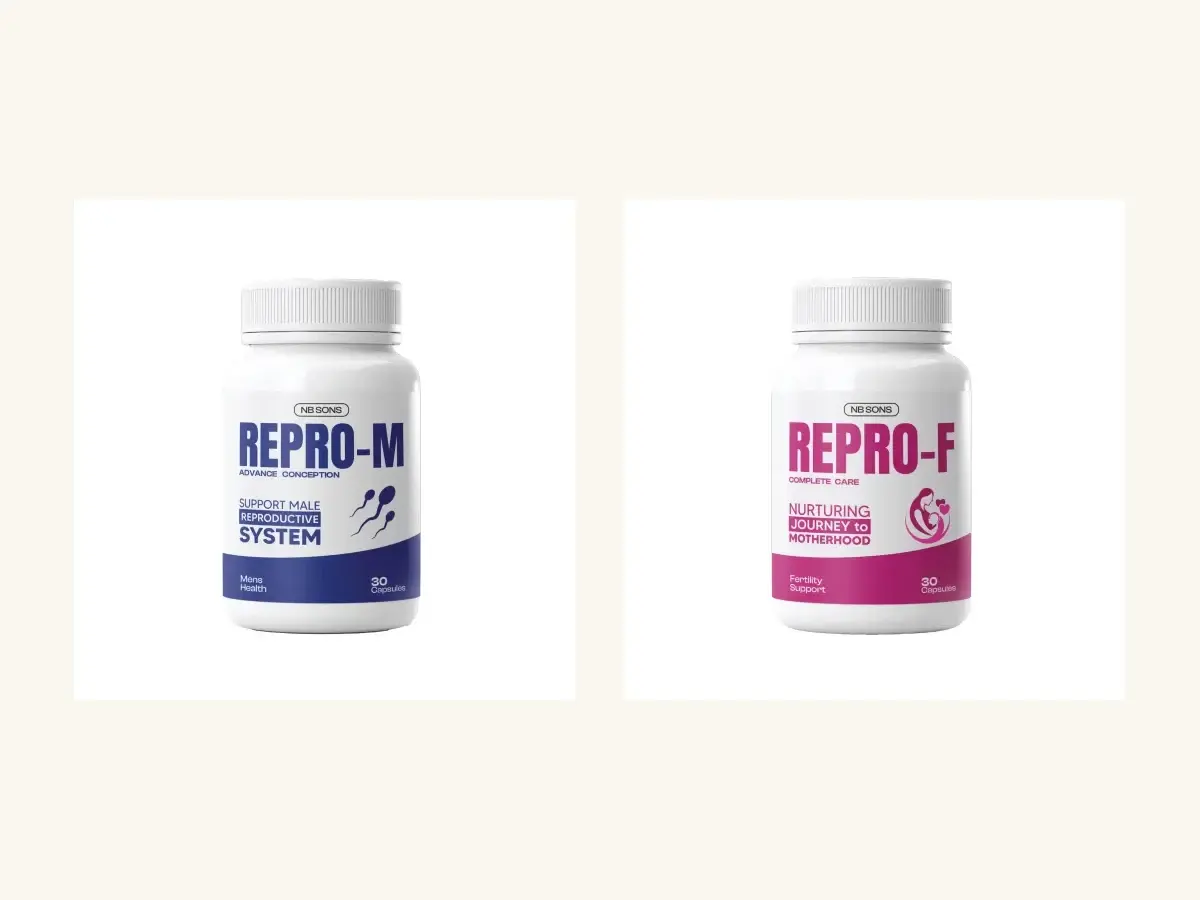
- Trying-to-Conceive Couple's Pack, Rs 2,290, Repro-M for him and Repro-F for her, for the months right after a clear HSG
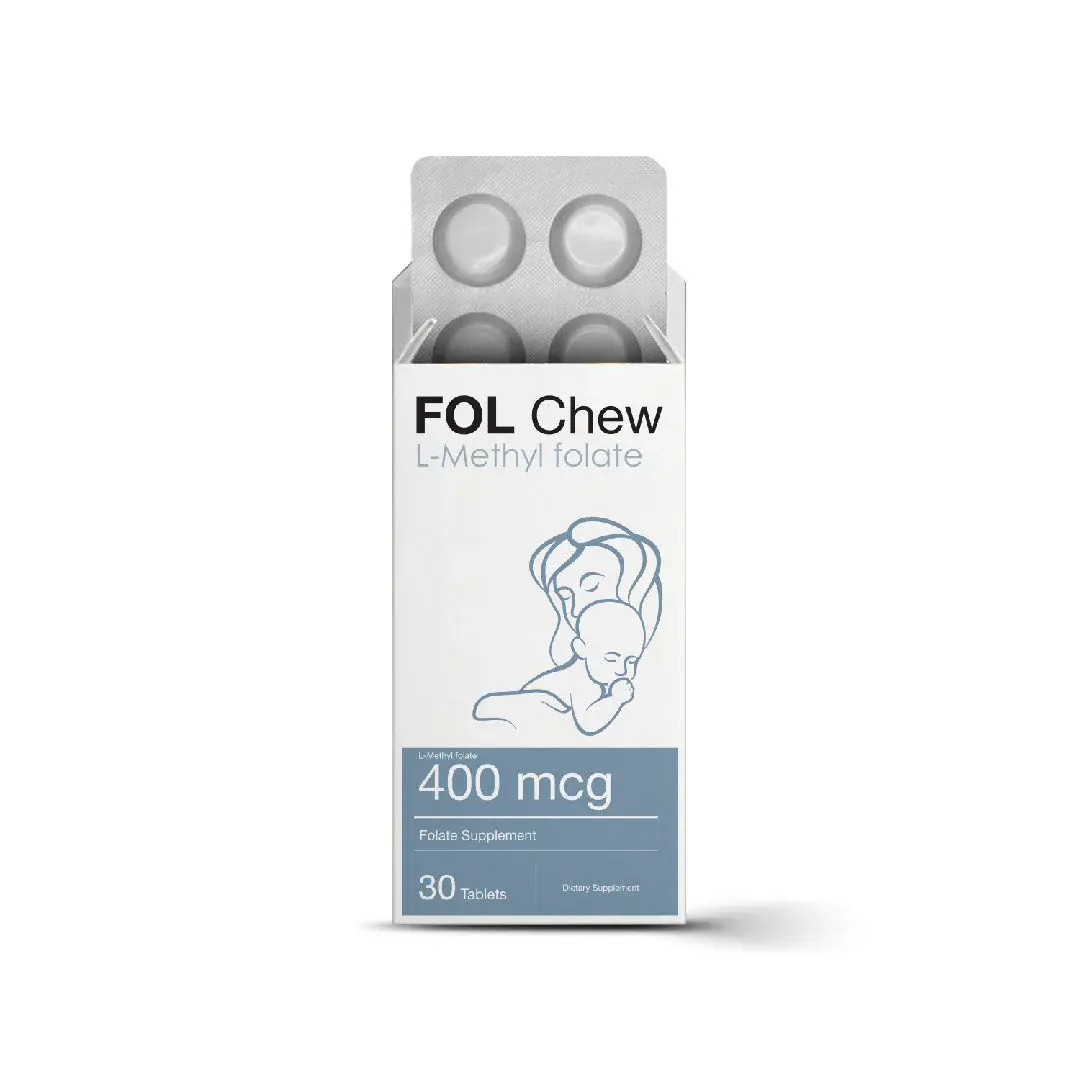
- FOL Chew Chewable Folate, Rs 485, active folate in a chewable, for the preconception months
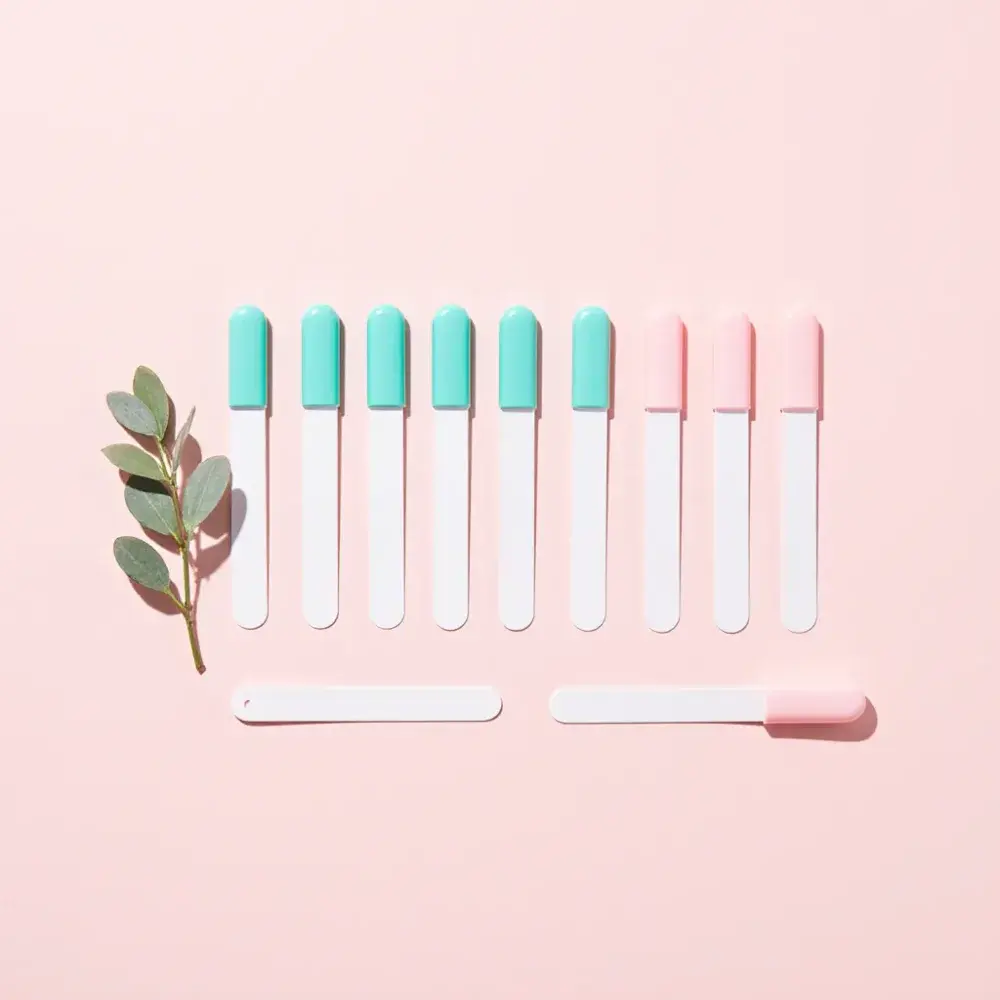
- Ovulation + Pregnancy Test Combo Kit, Rs 999, seven ovulation strips and two pregnancy strips, to time the fertile window and test after
- M-Sol Myo-Inositol Sachet, Rs 950, for women with irregular cycles who want ovulation support
- Midstream Pregnancy Test, Rs 250, for the urine pregnancy test a centre may ask for before booking you in
What the HSG actually checks
HSG stands for hysterosalpingogram. During the test, a radiologist passes a small amount of contrast dye through the cervix into the uterus and takes x-ray images as the dye moves. If the tubes are open, the dye flows through them and spills out the far ends, which shows up clearly on the screen. If a tube is blocked, the dye stops, and the image shows where. The same images also outline the shape of the uterine cavity, so the test can pick up fibroids, polyps or a uterine shape issue at the same time.
This matters because blocked tubes are one of the most common causes of female infertility, and they usually cause no symptoms at all. Your periods can be perfectly regular with both tubes closed. That is why a couple can have normal hormone reports and still not conceive. An AMH test tells you about your egg supply, but it says nothing about whether an egg can actually travel to meet sperm. The HSG answers that specific question.
When in your cycle it has to be done
The HSG is booked for the window between the end of your period and ovulation. Cleveland Clinic puts it at seven to 10 days after the first day of your period, which is early enough to be before ovulation and late enough for the bleeding to have stopped, so the images are clear and there is no chance you are newly pregnant. Our free ovulation calculator can help you work out your window before you call for an appointment, because most radiology departments will ask you which cycle day you are on.
If your cycles are irregular, the centre may ask you to do a urine pregnancy test first, so keep a midstream pregnancy test at home rather than losing the appointment slot. The test is also postponed if you have an active pelvic infection or unusual discharge, so mention any symptoms when booking. Most centres advise a simple painkiller 30 to 60 minutes before the appointment, and some prescribe a short course of antibiotics around the procedure. Follow whatever your own doctor advises rather than a general rule.
What happens in the room
The test itself usually takes less than five minutes, according to both Cleveland Clinic and the American Society for Reproductive Medicine, though you should allow far longer at the centre for registration, changing and waiting. You lie on an x-ray table as you would for a cervical smear. The doctor places a speculum, cleans the cervix, and passes a thin catheter or cannula through it. The dye goes in slowly, images are taken, and it is done. You can go home afterwards, and most women return to normal activity the same day. Expect sticky discharge as the dye drains out, sometimes tinged with blood, so take a pad with you. Tampons are usually discouraged for a couple of days afterwards, so ask the centre what it advises before you leave.
The honest answer on pain
ASRM describes mild to moderate uterine cramping for about five to 10 minutes, with some women cramping on and off for a few hours afterwards. Uncomfortable, yes. Unbearable, rarely. The single most useful thing you can do is take the painkiller beforehand rather than after: ASRM says the cramping can be greatly reduced by taking the medicines you would use for period pain, such as ibuprofen, before the procedure. It also helps to go to a centre that does the test often, because a practised hand is faster and gentler. If a friend has told you a horror story, remember that the women with easy five-minute experiences rarely tell anyone.
HSG test price in Pakistan (2026)
Prices vary widely depending on whether you go to a lab chain or a private hospital radiology department. These are the listed and discounted prices shown on Pakistani lab booking listings when we checked in September 2026; booking offers change often, and the same lab can appear at different rates on different platforms, so confirm on the phone before you go.
| Centre | Listed price | Typical discounted price |
|---|---|---|
| Ibne Sena Laboratory & Diagnostic Centre | Rs. 7,000 | Rs. 6,300 |
| Nayab Labs & Diagnostic Centre | Rs. 8,000 | Rs. 6,800 |
| Islamabad Diagnostic Centre (IDC) | Rs. 8,000 to Rs. 9,500 | Rs. 8,550 on the higher listing |
| Capital Diagnostic Centre | Rs. 8,500 | Rs. 7,650 |
| Chughtai Lab | Rs. 12,000 | Rs. 9,000 |
At large private hospitals the same test costs several times these figures: booking sites listing HSG across Pakistan in September 2026 put the top of the range near Rs. 54,000. Paying more does not buy a more accurate x-ray. It can buy a more experienced radiologist and better facilities, which matters most if your doctor suspects a complicated picture. For a routine first HSG, a reputable lab chain is fine, and your gynaecologist will usually have a centre they trust and refer to regularly.
Reading your result
Three outcomes are possible. Both tubes open: the dye spills freely on both sides, and tubal blockage is off the list of suspects. One tube blocked: pregnancy is still very possible through the open tube, and your doctor will weigh the rest of your workup before suggesting anything further. Both tubes blocked: this needs a proper conversation, because the next step depends on where the blockage sits and your age, and options range from tubal surgery to moving on to IVF. Our guide to IVF costs in Pakistan walks through what that route involves if it comes up.
One caveat worth knowing: the muscle at the join between the uterus and the tube can clamp shut during the test, purely from cramping, and mimic a blockage. This is called tubal spasm, and it is one reason doctors do not rush to a verdict from a single HSG. If the report shows a blockage right at the uterine end on one side, your doctor may repeat the test another cycle or confirm with laparoscopy before treating it as real.
The part nobody tells you: fertility often improves after the test
The HSG began as a pure diagnostic test, but there is real evidence that flushing the tubes with dye can itself help some couples conceive. The largest randomised trial, published in the New England Journal of Medicine in 2017, randomised 1,119 infertile women to an HSG with oil-based or water-based contrast. Within six months, 39.7 percent of the oil-contrast group had an ongoing pregnancy, against 29.1 percent of the water-contrast group. ASRM notes that some studies show a slight rise in fertility lasting about three months after a normal HSG, and Cleveland Clinic says the dye may clear minor blockages, while adding that researchers want more study before the test is treated as a treatment.
The practical takeaway: if your HSG comes back clear, the months right after it are a good time to try with intention rather than waiting passively. Time intercourse to your fertile window, which is easier with an ovulation and pregnancy test combo kit than with guesswork, and cover the basics on both sides. Folate matters for her before conception, which is what FOL Chew is for, and if your cycles are irregular a myo-inositol sachet such as M-Sol supports ovulation. Many couples prefer one combined option like the Trying-to-Conceive Couple's Pack, which covers him and her at once, and if you are unsure where your own gaps are, our two-minute fertility quiz gives you a personalised starting point. Ask your radiologist which contrast medium the centre uses; many in Pakistan use water-based contrast by default, and the test remains useful either way.
Aftercare and warning signs
Mild cramps and light spotting for one to three days are normal, and a regular painkiller is enough for most women. Sticky discharge as the dye clears is also normal. ASRM puts the risk of a recognised complication at under 1 percent. Call your doctor promptly if you develop fever or chills, heavy bleeding, foul-smelling discharge, vomiting, fainting, or severe pain that gets worse after the first day instead of better, because these can signal infection, which is rare but treatable when caught early.
Frequently asked questions
What is the price of an HSG test in Pakistan?
At major lab chains the listed price ran from about Rs. 7,000 to Rs. 12,000 when we checked booking listings in September 2026, and online booking discounts often bring it down by 10 to 25 percent. Private hospital radiology departments charge more, with the top of the published range near Rs. 54,000. The x-ray itself is the same test; confirm the current price by phone before you go.
Is the HSG test painful?
Expect mild to moderate cramping for about five to 10 minutes while the dye passes, with some women cramping on and off for a few hours. ASRM says taking the medicine you would use for period cramps before the procedure greatly reduces it, so take it 30 to 60 minutes ahead rather than afterwards.
Which day of the cycle is the HSG done?
Between the end of your period and ovulation. Cleveland Clinic gives the window as seven to 10 days after the first day of your period, which keeps the images clear and rules out disturbing a very early pregnancy.
Can I try to conceive right after an HSG?
Yes, from your next ovulation onwards unless your doctor says otherwise. The New England Journal of Medicine trial found higher ongoing pregnancy rates in the six months after an HSG with oil-based contrast, and ASRM notes a slight rise in fertility for about three months after a normal HSG, so this is a sensible time to try actively.
Does an HSG open blocked tubes?
It is a diagnostic test, not a treatment. Cleveland Clinic says the dye may clear minor blockages and raise the chance of pregnancy, but calls for more research before anyone counts on it. A true structural blockage, from scarring or previous infection, will not be opened by an HSG and needs a specialist's plan.
Is an HSG the same as laparoscopy?
No. An HSG is an outpatient x-ray with no cuts and no anaesthesia. Laparoscopy is keyhole surgery under general anaesthesia, and it is the more definitive check for tubes. Doctors usually start with the HSG because it is cheaper and simpler, and reserve laparoscopy for when the HSG is unclear or other problems are suspected.
This article is for education and does not replace medical advice. Speak to a doctor or pharmacist about your own situation.
If you are in the middle of a fertility workup, keep every report in one folder and take the originals to each appointment: the HSG films, in particular, are worth a second look by your own gynaecologist rather than the report alone.
If your HSG is clear and you want to make the next few months count, start with the Trying-to-Conceive Couple's Pack (Rs 2,290) for both of you, or browse the rest of our women's health range for folate, inositol and ovulation tests. Cash on delivery across Pakistan, and free delivery on orders over Rs 5,000 in Punjab.
Liked this one? Get the next in your inbox.
One fortnightly note from the editors, new pieces, restocks, and the routines we're actually using. Unsubscribe any time.