IVF Cost in Pakistan: What to Expect & How to Plan (2026 Guide)
IVF cost in Pakistan: what is usually included, what is billed separately, what pushes the price up, and how to budget before your first consultation.

IVF is becoming a more open topic of conversation in Pakistan, with more couples asking their doctors about it and more clinics opening in major cities, according to fertility specialists who report growing patient enquiries. If you are exploring IVF cost in Pakistan, one of the first things you will notice is that clear, upfront numbers are hard to find. This guide focuses purely on the money side, what typically drives the bill up or down, and how to plan for it sensibly, so you can walk into a clinic consultation asking the right questions.
Why IVF cost in Pakistan varies so much
There is no single fixed price for IVF in Pakistan. Costs differ by city, by clinic reputation, and by the exact protocol your doctor recommends.
A clinic in Lahore, Karachi or Islamabad with a well-known embryology lab often charges more than a smaller city clinic. That difference does not always mean better or worse care. It can reflect lab technology, staffing, and demand.
Some clinics quote a single bundled package. Others itemise every visit, scan, and injection separately. Two clinics quoting what looks like a similar headline number can end up costing very differently once you add up the extras.
A realistic, honest cost range
We are a wellness and supplement retailer, not a fertility clinic, so we cannot and will not quote you an exact IVF price. What we can share is the general pattern couples in Pakistan often describe.
Many report a single IVF cycle landing somewhere between the low hundred thousand and several hundred thousand PKR, depending on the clinic, city, and what is bundled into the package. Some cycles cost less, some considerably more, especially once medication, add ons, or a second attempt are involved.
Treat any number you read online, including this one, as a rough starting point only. The only reliable figure is a written quote from the clinic that will actually treat you.
What is usually included in an IVF package
Most clinics build their base package around the core clinical steps. Typical inclusions are:
- Initial consultation and fertility work up with the specialist
- Baseline blood tests and an ultrasound scan
- Egg retrieval procedure under sedation
- Laboratory fertilisation and embryo culture
- Embryo transfer into the womb
This is the part most quotes advertise. It is not, however, the whole picture.
What is often billed as extra
The gap between an advertised "package price" and the final bill usually comes from items charged separately. Ask specifically about each of these before you commit:
- Medication. Often the single biggest variable cost in the entire cycle. Hormone injections and support medicines can vary a lot between women depending on how their ovaries respond.
- Monitoring visits. Repeat ultrasounds and blood tests during stimulation are sometimes billed per visit rather than included in the package.
- ICSI. If sperm quality means a single sperm needs to be injected directly into the egg, this is usually an added lab fee.
- Embryo freezing and storage. Freezing spare embryos for a future attempt, and the ongoing storage fee, is typically charged on top.
- Repeat cycle packages. Some clinics offer a discounted rate for a second or third attempt if the first does not succeed. Ask if this exists before you start.
- Anaesthesia and theatre fees for the egg retrieval procedure itself, in some clinics.
| Cost item | Usually included? | Why it varies |
|---|---|---|
| Consultation and work up | Yes, in most packages | Fairly standard across clinics |
| Egg retrieval and lab fertilisation | Yes, in most packages | Core procedure, usually bundled |
| Medication | Often extra | Depends on dose, brand, and ovarian response |
| Monitoring scans | Sometimes extra | Number of visits varies by protocol |
| ICSI | Usually extra | Only needed for certain sperm issues |
| Embryo freezing | Usually extra | Optional, depends on spare embryos |
Factors that affect how much does IVF cost for you specifically
Two couples at the same clinic can pay quite different amounts. Common reasons include:
- Age. Older women often need higher medication doses to stimulate the ovaries, which raises the medicine bill.
- Diagnosis complexity. Straightforward cases may need fewer add ons than cases involving severe male factor infertility, endometriosis, or repeated implantation failure.
- Donor eggs or sperm. If these are medically needed, they add a separate, often significant, cost.
- Number of cycles. IVF does not always succeed on the first try. Budgeting for the possibility of a second cycle changes your total planning number considerably.
- Genetic testing of embryos, where used, is an additional cost some couples choose and others skip.
How to financially plan for IVF in Pakistan
A little groundwork before you commit can prevent unpleasant surprises later. Consider these steps.
- Get a full written quote, not a verbal estimate, from more than one clinic.
- Ask directly, "What is excluded from this price?" rather than only what is included.
- Ask whether instalment plans or multi-cycle packages exist, and what happens if you need a second attempt.
- Ask how medication cost is estimated, since this is usually the hardest part to predict in advance.
- Factor in travel and time off work if the clinic is in a different city, since monitoring requires several visits over two to three weeks.
- Ask what portion, if any, is refundable if the cycle is cancelled partway through.
Cheaper first steps worth discussing before IVF
IVF is not always the first or only option. For some couples, especially where ovulation irregularity or mild male factor issues are involved, doctors may first suggest lifestyle changes, timed intercourse, or a short course of fertility medication. These routes cost a fraction of a full IVF cycle.
Nutrient support is one small, low cost piece of this early picture. It is not a guaranteed alternative to IVF and will not resolve conditions like blocked tubes or severe male infertility, but it is a reasonable, doctor-approved-friendly first conversation to have.
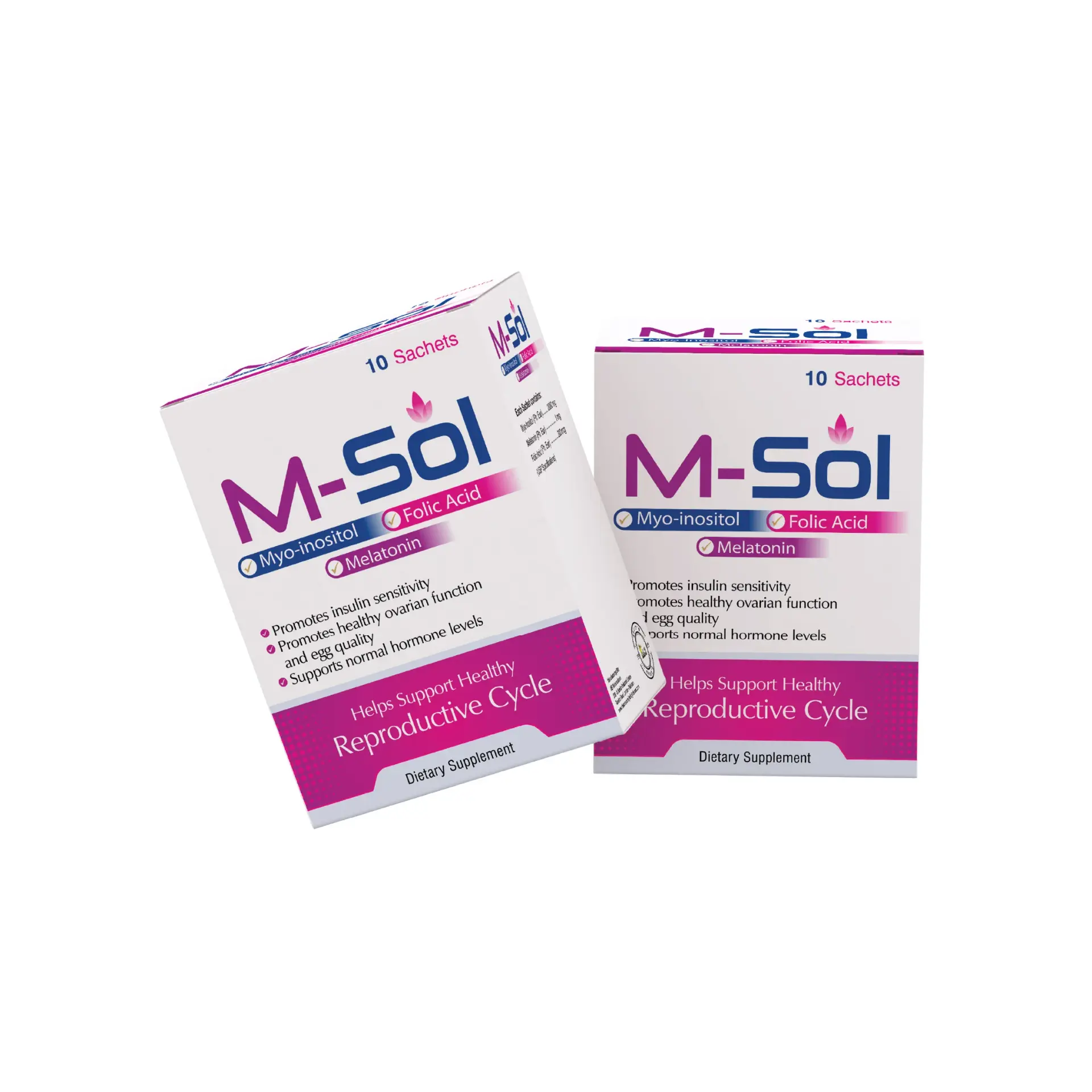
For women with PCOS-related ovulation problems, myo-inositol is one of the more studied options. M-Sol and Simfolic both combine myo-inositol with folic acid to support insulin sensitivity and ovarian function, two areas commonly disrupted in PCOS.
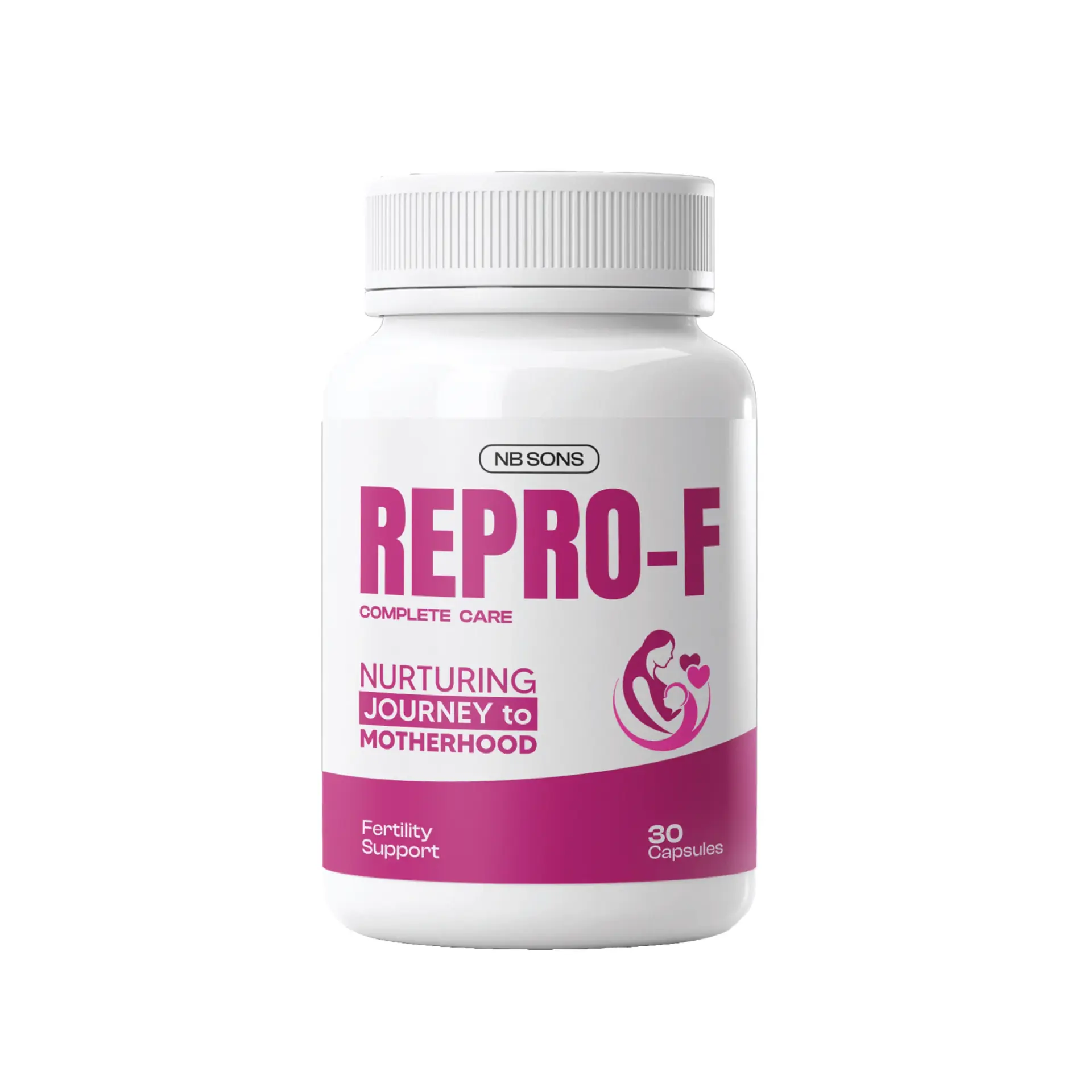
For broader preconception nutrition, Repro-F is formulated for women trying to conceive, combining folate and key micronutrients to support hormonal balance and egg quality alongside a healthy lifestyle. Since male factors contribute to a large share of infertility cases, it is worth checking on him too. Repro-M is built around maca, CoQ10 and L-carnitine to support sperm count, motility and vitality.
None of these replace a proper fertility work up. Think of them as a low cost, sensible step worth raising with your doctor before, or alongside, a formal diagnosis.
Shop Repro-F →Understanding the causes and process first
Cost only makes sense once you understand why IVF might be recommended and what the process involves step by step. Our companion guide, Infertility Causes and the IVF Process in Pakistan, covers the medical side in depth, including common causes, diagnosis, and each stage of a cycle. Read it alongside this one if you are still early in the decision process.
If irregular ovulation or egg quality is part of your picture, see how to improve egg quality naturally. If male fertility is a factor, see how to increase sperm count naturally. And if you are at the early stage of trying to conceive, our guide on trying to conceive in Pakistan is a good starting point before any clinical treatment.
When to see a fertility specialist
Cost planning should never come before a proper medical opinion. If you have been trying to conceive for over a year, or over six months if the woman is over 35, speak to a gynaecologist or fertility specialist for an assessment. They can tell you whether IVF is actually needed, or whether simpler, cheaper treatment may work first.
According to the NHS guide to IVF, the decision to proceed usually follows tests on both partners and a discussion of all the options, not cost alone. The Mayo Clinic overview of IVF is also a useful, general reference for what the process typically involves, though remember that cost figures on international sites do not apply to Pakistan.
This article was written and medically reviewed to our medical review board standards and is for general guidance, not personal medical advice. Always speak to a doctor or pharmacist about your own situation.
Frequently asked questions
Does insurance cover IVF in Pakistan?
Most standard health insurance policies in Pakistan do not cover IVF, since it is often classed as elective treatment. A small number of premium corporate policies may offer partial cover. Always check your specific policy wording and ask the clinic if they have experience dealing with your insurer.
How many IVF cycles do most couples need?
This varies a great deal by age and diagnosis. Some couples conceive on the first cycle, others need two or three attempts. Ask your clinic for success rates by age group so you can budget realistically for more than one cycle if needed.
Are there cheaper government or teaching hospital options?
Some public sector and teaching hospitals in Pakistan offer fertility services at a lower cost than private clinics, though availability and waiting times vary by city. Ask your gynaecologist which public options exist near you and compare their package details directly.
Does age affect IVF cost or success rate more?
Both, but success rate is generally affected more heavily. Older age often means higher medication doses, which raises cost, but the bigger factor is that egg quantity and quality decline with age, which lowers the chance of success per cycle regardless of budget.
Can supplements replace the need for IVF?
No. Supplements like myo-inositol or general fertility multivitamins may support natural fertility factors such as ovulation and sperm quality, but they cannot resolve structural issues like blocked fallopian tubes or severe male infertility. They are a reasonable early, low cost step to discuss with your doctor, not a substitute for medical treatment.
Liked this one? Get the next in your inbox.
One fortnightly note from the editors, new pieces, restocks, and the routines we're actually using. Unsubscribe any time.