How to Get Pregnant: A Trying-to-Conceive Guide for Couples (Pakistan 2026)
How to get pregnant: a practical guide for couples in Pakistan on timing, lifestyle, what both partners can do, supplements, and when to see a doctor.

Did you know? Around 8 in 10 couples conceive within a year of trying with regular, well-timed intimacy. Trying for a baby is exciting, yet it can feel quietly stressful when it takes longer than you hoped. Here is the truth most couples are not told: conception is a two-person project, and a few well-timed habits really do make a difference. This guide, written for couples in Pakistan, covers how to time things, how to prepare your bodies, which nutrients matter, and when to see a fertility doctor.
How conception actually happens
Each cycle, an egg is released at ovulation. It survives for about 12 to 24 hours. Sperm, on the other hand, can live inside the female body for up to five days.
So your best chance comes from having sperm already waiting when the egg arrives. That window, the few days leading up to and including ovulation, is what experts call the fertile window. Timing intimacy around it is the single most useful thing a couple can do.
Step 1: Time it with ovulation
The biggest factor is having sex during the fertile window, the five days before ovulation plus the day itself. Aim for every 1 to 2 days through that window so sperm are always present.
You can learn to read the signs. Look for clear, stretchy egg-white mucus, a small rise in body temperature after ovulation, or a positive ovulation predictor kit. Our ovulation guide explains how to track each of these.
Step 2: Both partners, get healthy first
Both egg and sperm take about three months to mature. So the habits you build now shape the cells released later. This is a hopeful window, because much of it is in your control.
- Stop smoking and limit alcohol and caffeine. All lower fertility in men and women.
- Reach a healthy weight. Being very over or underweight disrupts ovulation in women and sperm quality in men.
- Eat well and manage stress. Sleep and calm matter more than people think.
- Stay active with moderate exercise, without overdoing intense training.
- For men: avoid heat to the groin, such as laptops on the lap, hot tubs and very hot baths. Avoid tight clothing too, as it can lower sperm quality.
- Review medicines and chronic conditions with your doctor. Some need adjusting before pregnancy.
Step 3: The right supplements, for each partner
Preconception nutrition is one of the few things you can act on today. The most important is folate (folic acid) for the woman, started before conception.
Folate helps protect the baby's developing brain and spine in the earliest weeks. This often happens before a woman even knows she is pregnant.
| For her | For him |
|---|---|
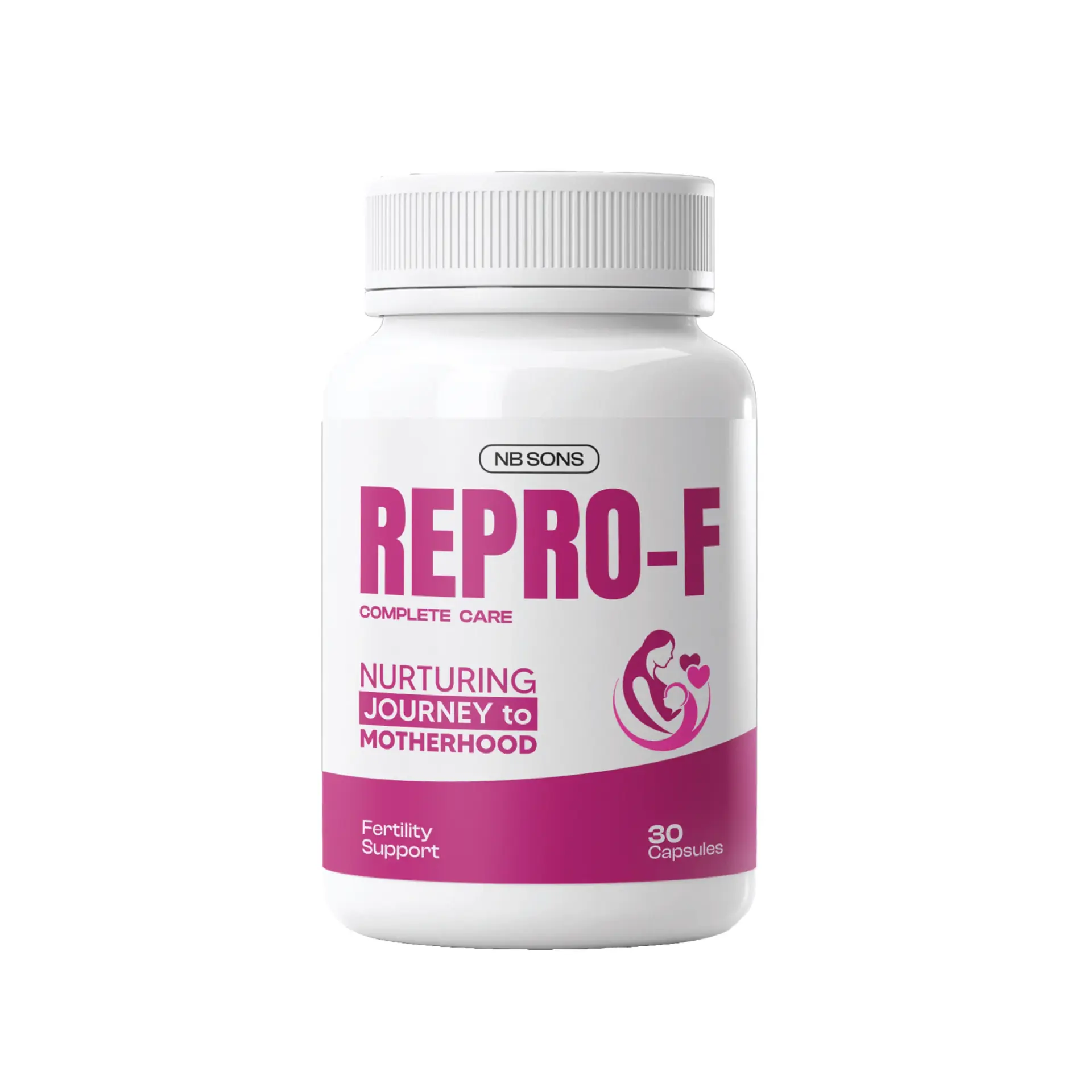
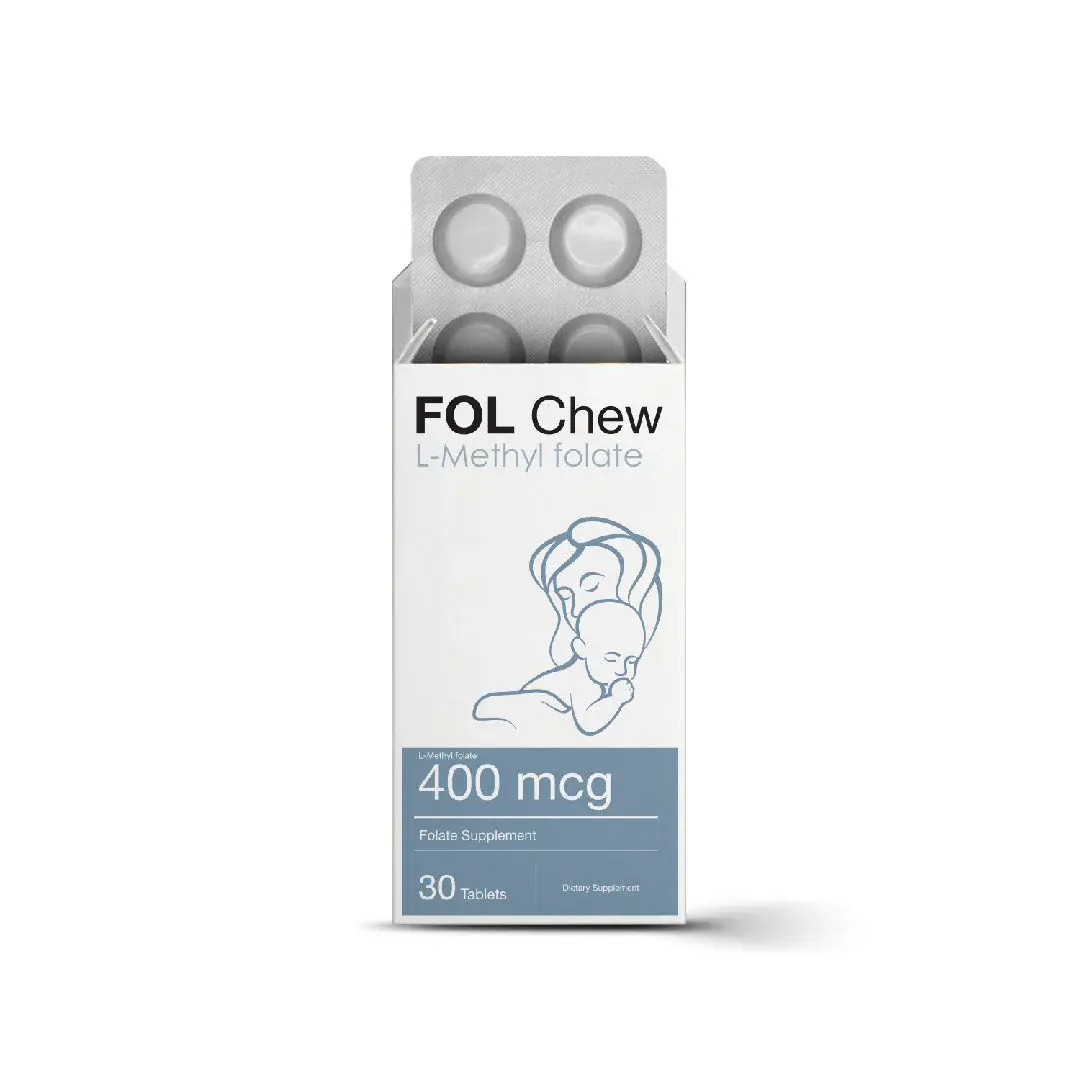
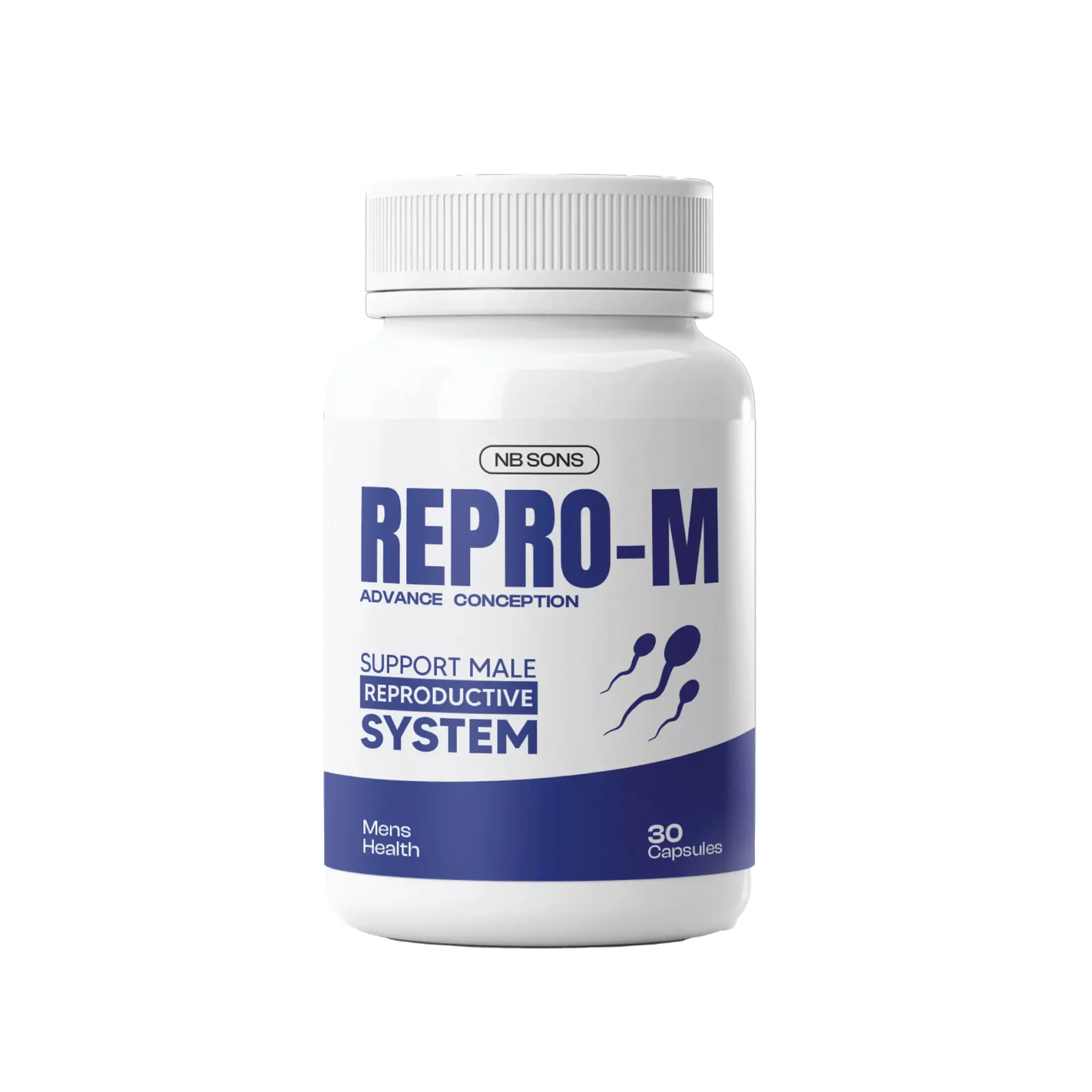
| Repro-F + FOL Chew (folate, CoQ10, maca) for ovulation & egg quality | Repro-M + Zinc for sperm count, motility & quality |
Trying together? The Trying-to-Conceive Couple's Pack pairs Repro-M and Repro-F, so both partners are covered in one go.
To dig deeper, see our guides to improving egg quality, increasing sperm count and the best fertility supplements. Supplements support a healthy preconception diet and lifestyle. They do not guarantee pregnancy or treat an underlying fertility problem, which is why the timelines below matter.
Step 4: Be patient, but know the timeline
Around 8 in 10 couples conceive within a year of regular, well-timed intimacy. Most of them do so in the first six months.
Give it time and try not to let it consume every cycle. It is normal for it to take several months. A single month without success is not a sign that anything is wrong. Still, do not ignore the signposts below.
Common myths worth dropping
- "Lying still for an hour after sex helps." There is no good evidence for this. Timing matters far more than position or posture.
- "Stress alone is causing our infertility." Stress can affect cycles, but it is rarely the sole cause. Do not blame yourself.
- "It is usually the woman's issue." Male factors account for around half of all cases, so both partners should be checked.
- "Supplements will fix everything." They support healthy fertility, but they cannot overcome blocked tubes, very low sperm counts or other conditions that need medical care.
When to see a fertility doctor
See a specialist if you have tried for 12 months under age 35, or 6 months over 35, without success. Go sooner if the woman has very irregular or absent periods, often linked to PCOS, known reproductive conditions, or a history of pelvic infection or surgery. Go sooner too if the man has a history of fertility issues.
Both partners should be tested, since male factors are involved in about half of all cases. Early assessment is reassuring and opens up more options, especially as age affects fertility.
What to expect from fertility testing
A first assessment is usually straightforward. For the man, a semen analysis checks sperm count, movement and shape. For the woman, blood tests can confirm ovulation and check hormones, and a scan looks at the ovaries and womb.
These tests guide treatment. It may be as simple as lifestyle changes and timing advice. Or it may involve medication or assisted options. Knowing the cause turns uncertainty into a plan.
Read next: Pregnancy Tests in Pakistan, Early Pregnancy Symptoms and AMH Test in Pakistan.
The bottom line
Time intimacy with ovulation. Get both partners healthy three months ahead. Cover your nutrition with preconception supplements. The Couple's Conceive Pack is the simplest way to support both of you at once.
Remember that supplements support a healthy start, but they do not replace a medical assessment. So see a doctor if the timelines above pass. This guide is reviewed by our medical review board.
When you are ready to check, our pregnancy and ovulation test range starts at Rs 60, with discreet packaging and cash on delivery.
Shop the Couple's Conceive Pack →To pin the fertile window down precisely, see the ovulation kit guide, and for what a short luteal phase means for conceiving, the luteal phase guide.
Frequently asked questions
How often should we have sex to conceive?
Every 1 to 2 days during the fertile window gives the best odds without overthinking it. Daily is fine too, if it does not feel like a chore.
When should I start folic acid?
At least one month before trying, and continue through early pregnancy. See our folic acid guide.
What can my husband do to help?
A healthy lifestyle, no smoking, avoiding groin heat, and a sperm-support supplement like Repro-M. Sperm quality is half the equation.
Does age really matter that much?
Yes. Female fertility declines gradually from the early 30s and more noticeably after 35. Male fertility also changes with age. This is why doctors suggest seeking help sooner if the woman is over 35.
How long do egg and sperm take to mature?
Both take roughly three months. That is why couples are advised to improve diet, lifestyle and supplements about three months before trying.
Can supplements alone help us conceive?
They support healthy fertility alongside good timing and lifestyle. But they cannot treat conditions such as blocked tubes or very low sperm counts. If the timelines above pass, see a doctor.
We have irregular periods, what should we do?
Irregular or absent periods can make ovulation hard to predict, and are often linked to PCOS. It is worth seeing a doctor early rather than waiting a full year.
Liked this one? Get the next in your inbox.
One fortnightly note from the editors, new pieces, restocks, and the routines we're actually using. Unsubscribe any time.