PCOS Treatment in Pakistan: Complete Natural Guide
A complete natural guide to managing PCOS in Pakistan, covering diet, lifestyle and evidence-based supplements that can help.
Did you know that PCOS affects roughly 1 in 10 women of reproductive age, yet most Pakistani women are diagnosed years too late? If you have PCOS, you already know the frustration. You have tried the diets. You have Googled symptoms at 2 AM.
You have sat through four-minute appointments where the doctor wrote a prescription for birth control pills without really explaining why. For Pakistani women with PCOS, the journey is hard, and natural treatment options rarely get discussed.
The good news is that PCOS responds remarkably well to natural approaches. Lifestyle changes, targeted supplements and dietary tweaks can tackle the root cause, rather than masking symptoms with hormones. In Pakistan, where diets are carb-heavy and specialist care is costly, the real numbers are likely higher than reported.
This guide breaks down everything you need to know about treating PCOS naturally in Pakistan: what works, what wastes your money, and how to build a plan that fits your life.
What Is PCOS and Why Is It So Common in Pakistan?
PCOS is a hormonal disorder. The ovaries produce excess androgens (male hormones like testosterone). This leads to irregular periods, cysts on the ovaries and a chain of metabolic problems.
But calling it an “ovarian” problem is misleading. At heart, PCOS is a metabolic and insulin disorder that happens to show up in the reproductive system.
The insulin connection matters. About 70% of women with PCOS have some insulin resistance. Their bodies make insulin normally, but their cells do not respond to it well.
The pancreas compensates by pumping out more insulin. That extra insulin pushes the ovaries to make excess testosterone. The testosterone disrupts ovulation, periods become irregular, and conceiving gets harder. One domino knocks down the next.
In Pakistan specifically, several factors amplify PCOS:
- Diet heavy in refined carbohydrates: roti, white rice and sugary chai are staples. They spike blood sugar and worsen insulin resistance
- Sedentary lifestyle: cultural norms, safety concerns and few accessible exercise spaces mean many women get little activity
- Vitamin D deficiency: despite abundant sunshine, covered clothing and indoor life leave most Pakistani women deficient, and vitamin D affects insulin sensitivity
- Late diagnosis: many women only discover PCOS when they struggle to conceive, by which point the metabolic disruption has built for years
- Genetic predisposition: South Asian populations carry higher baseline rates of insulin resistance than Western ones
Recognising PCOS Symptoms
PCOS does not look the same in every woman. You may have some of these symptoms, all of them, or variations that do not fit the textbook. Here is what to watch for:
- Irregular or absent periods: cycles longer than 35 days, skipped periods, or unpredictable bleeding
- Weight gain, especially around the midsection: stubborn belly fat that calorie counting alone will not shift
- Acne and oily skin: often along the jawline and chin, driven by excess androgens
- Excess hair growth (hirsutism): dark, coarse hair on the face, chest or back
- Thinning scalp hair: male-pattern loss at the temples or crown
- Difficulty conceiving: irregular ovulation means fewer chances for an egg to release and be fertilised
- Fatigue and brain fog: insulin resistance affects energy and focus
- Mood swings and anxiety: hormonal imbalance directly affects mental health
- Darkened skin patches: especially around the neck, armpits and groin (acanthosis nigricans)
If three or more of these sound familiar, it is worth getting tested. A simple blood panel (fasting insulin, testosterone, DHEA-S, LH/FSH ratio) with an ultrasound can confirm the diagnosis.
Natural Treatment Approaches That Actually Work
Here is where things get practical. Natural PCOS treatment is not about replacing medical care. It is about fixing the metabolic root that medicines often leave untouched. These approaches are backed by clinical research, not wellness influencers.
1. Dietary Changes, The Foundation
Diet is the single most powerful intervention for PCOS. Not a crash diet. Not a fad. Just sustainable changes that reduce insulin spikes.
What to prioritise:
- Protein with every meal: eggs, chicken, lentils (daal), chickpeas, yoghurt. Protein slows glucose absorption and keeps you full
- Healthy fats: olive oil, nuts, avocado, fatty fish. Fats do not spike insulin; carbs do
- Complex carbohydrates: swap white roti for whole wheat. Choose brown rice over white. Add vegetables to every plate
- Fibre-rich foods: vegetables, salads, psyllium husk (isabgol). Fibre slows sugar absorption sharply
- Anti-inflammatory foods: turmeric (haldi), ginger (adrak), green tea, berries
What to reduce:
- Sugary chai (switch to unsweetened or use stevia)
- White flour products (maida), naan, pastries, biscuits
- Sugary drinks: Pepsi, Fanta, packaged juices
- Fried snacks: samosas, pakoras (occasional is fine, daily is not)
- Processed foods with hidden sugars
You do not need to overhaul your kitchen overnight. Start with one change per week. Replace chai sugar with stevia. Add a salad before lunch. Switch to whole wheat roti.
Small, steady changes compound into major metabolic shifts over 3 to 6 months.
2. Exercise, Move More, Stress Less
Exercise improves insulin sensitivity directly, sometimes within a single session. You do not need a gym membership or pricey equipment.
What works best for PCOS:
- Walking: 30 minutes daily. The simplest, most accessible exercise. Walk after meals to blunt blood sugar spikes
- Resistance training: bodyweight moves at home, like squats, lunges and push-ups. Muscle improves insulin sensitivity around the clock, even while you sleep
- Yoga: especially good for stress, which lowers cortisol and improves hormonal balance
- High-intensity interval training (HIIT): short bursts of intense effort. Even 15 to 20 minutes, three times a week, shows measurable gains in insulin markers
Practical for Pakistan: walk in your neighbourhood early morning or after Maghrib when it is cooler. Follow YouTube workout videos at home. Many women find walking with a friend or family member makes it stick.
3. Targeted Supplementation
Certain supplements have strong clinical evidence for PCOS management. They are not miracle pills. They work alongside diet and exercise to speed up results.
Myo-Inositol, The PCOS Game-Changer
Myo-inositol is arguably the most researched natural option for PCOS. It is a sugar alcohol that acts as a second messenger in insulin signalling. In short, it helps insulin do its job when the normal pathway is blocked.
Clinical evidence:
- Restores ovulatory cycles in 60 to 70% of anovulatory women within 3 to 6 months
- Lowers testosterone, LH and the LH/FSH ratio significantly
- Improves insulin sensitivity (seen in fasting insulin and HOMA-IR)
- Improves egg quality in women undergoing fertility treatment
- Supports modest weight loss when combined with lifestyle changes
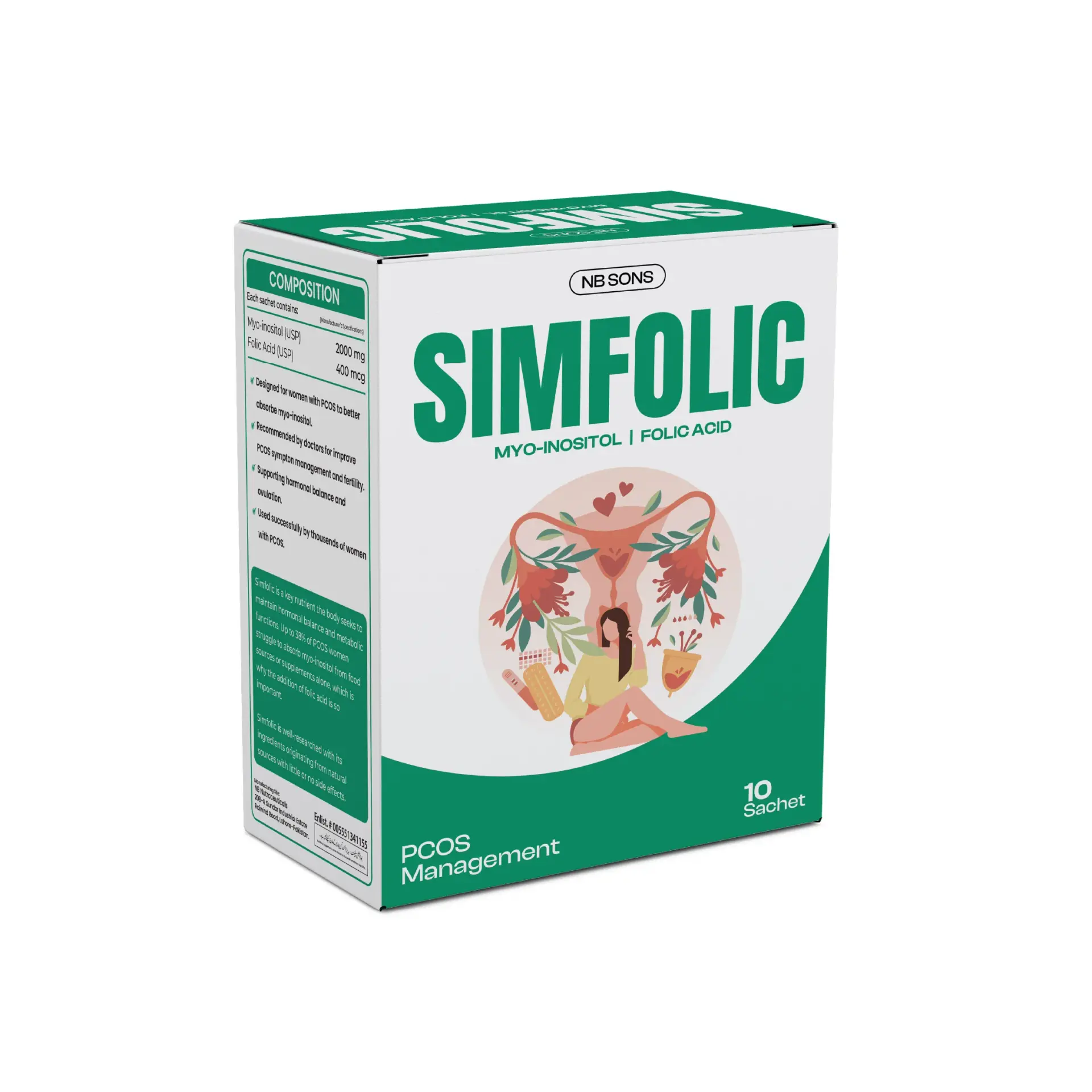
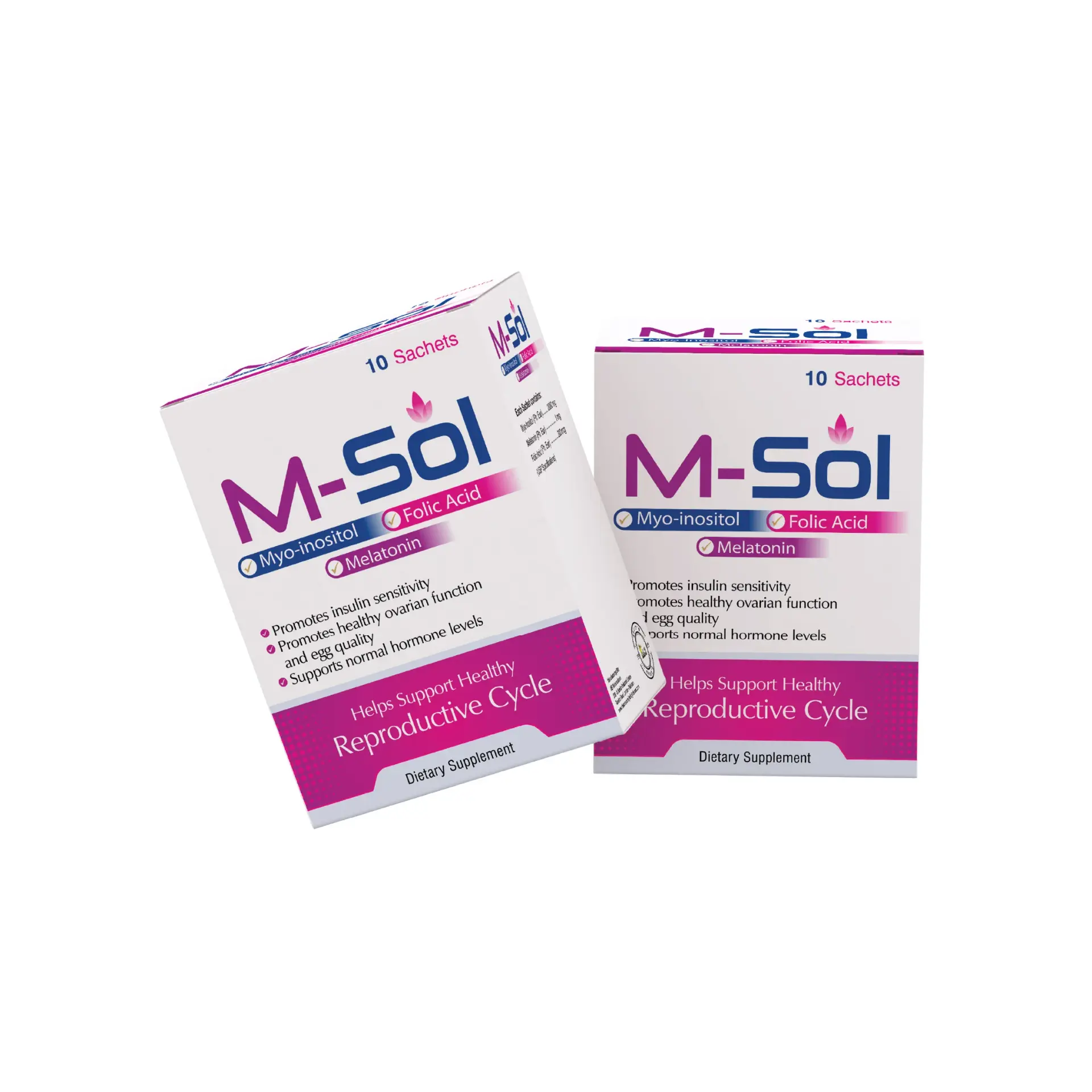
The therapeutic dose is 2,000 to 4,000 mg daily. Products like Simfolic (2,000 mg myo-inositol plus 400 mcg folic acid per sachet) and M-Sol Sachet deliver this at clinical doses. M-Sol adds melatonin (1 mg) for extra antioxidant support and better sleep, both relevant for PCOS.
Vitamin D3, The Deficiency Most Pakistani Women Share
Vitamin D deficiency is endemic in Pakistan. Studies show 60 to 80% of Pakistani women are deficient. Low vitamin D is linked to worse insulin resistance, lower fertility and more severe PCOS symptoms.
What to do: get tested first (a 25-hydroxy vitamin D blood test). Most women need 2,000 to 5,000 IU daily to reach optimal levels (40 to 60 ng/mL). Severe deficiency may need higher loading doses under medical supervision.
Folic Acid, Essential for Reproductive Health
Every woman of reproductive age should take folic acid, but it matters even more with PCOS. It supports healthy ovulation, lowers homocysteine (often raised in PCOS), and helps prevent neural tube defects if pregnancy occurs.
The standard dose is 400 to 800 mcg daily. Both Simfolic and M-Sol include folic acid at therapeutic levels.
Omega-3 Fatty Acids
Fish oil reduces inflammation, improves insulin sensitivity and can lower raised triglycerides, a common metabolic problem in PCOS. Aim for 1,000 to 2,000 mg of combined EPA/DHA daily.
4. Stress Management, The Overlooked Factor
Chronic stress raises cortisol. That worsens insulin resistance, disrupts ovulation and promotes belly fat. Pakistani women often carry heavy stress loads, from family duties to financial pressures and social expectations, without noticing the physical toll.
Practical stress reduction:
- Prayer and meditation: the five daily prayers already offer structured pauses for mindfulness. Extend them with gratitude and deep breathing
- Sleep hygiene: aim for 7 to 8 hours. Keep phones out of the bedroom. A steady sleep schedule regulates cortisol
- Social connection: talk to friends, family or support groups. Isolation worsens both stress and PCOS
- Set boundaries: learning to say no to draining demands is not selfish. It is necessary for hormonal health
Building Your PCOS Treatment Plan
Here is a practical, phased approach. You do not have to change everything overnight:
Month 1, Foundation:
- Start myo-inositol supplementation (Simfolic or M-Sol, 1 to 2 sachets daily)
- Get blood work done (fasting insulin, vitamin D, thyroid, hormonal panel)
- Replace sugary chai with unsweetened or stevia
- Walk 20 minutes daily
Month 2, Build:
- Add Vitamin D3 based on your test results
- Switch to whole wheat roti
- Increase walking to 30 minutes and add 2 home workouts per week
- Add protein to breakfast (eggs, yoghurt or a protein shake)
Month 3, Optimise:
- Cut processed food significantly
- Add omega-3 supplementation
- Increase exercise to 4 to 5 sessions per week
- Retest blood markers to track progress
Month 4-6, Maintain and Monitor:
- Continue supplementation and lifestyle changes
- Track cycle regularity (most women improve by month 3 to 4)
- Retest the hormonal panel at 6 months
- Adjust your plan based on results
When to See a Doctor
Natural treatment is powerful, but it does not replace medical care in every case. See a gynaecologist or endocrinologist if:
- You have not had a period for more than 3 months
- You are actively trying to conceive and have not succeeded after 6 months of natural treatment
- You develop signs of diabetes (excessive thirst, frequent urination, blurred vision)
- Your symptoms are worsening despite lifestyle changes
- You experience severe depression or anxiety
- You have heavy, prolonged bleeding
Natural approaches and medical treatment are not mutually exclusive. Many women combine myo-inositol with medicines like metformin or letrozole under their doctor’s guidance, with excellent results.
PCOS Myths vs Facts, Pakistan Edition
Let us clear up some misconceptions doing the rounds in Pakistani households and WhatsApp groups:
Myth: “PCOS means you cannot have children.”
Fact: PCOS is one of the most treatable causes of infertility. With proper management, the vast majority of women with PCOS conceive, many naturally and others with minimal medical help.
Myth: “Just lose weight and PCOS will go away.”
Fact: Weight loss helps, but PCOS also affects lean women. It is a hormonal and metabolic condition, not simply a weight problem. Treatment should address insulin resistance regardless of weight.
Myth: “Herbal remedies from hakeem saab will cure PCOS.”
Fact: Some herbs offer mild benefits, but none have the clinical evidence that myo-inositol, vitamin D and lifestyle changes do. Be cautious of unregulated herbal mixes with unknown ingredients.
Myth: “Birth control pills cure PCOS.”
Fact: Birth control manages symptoms, regulating periods and reducing acne, but it does not fix the underlying insulin resistance. When you stop the pill, symptoms usually return.
Moving Forward
PCOS is not a life sentence. It is a metabolic condition that responds well to the right mix of dietary changes, regular movement, targeted supplements and stress management. The key word is “mix.” No single step works alone, but together they create a compounding effect that can restore hormonal balance, regular ovulation and overall health.
Start with what feels manageable. A sachet of Simfolic or M-Sol with breakfast. A 20-minute walk after dinner. Stevia instead of sugar in your chai. These are not dramatic changes, but they are the ones that stick. In PCOS treatment, consistency beats intensity every single time.
Ready to start your natural PCOS treatment journey? Browse our complete range of women’s health supplements, formulated with clinical-grade ingredients at therapeutic doses, available nationwide with free delivery across Pakistan.
This article was written and medically reviewed to our medical review board standards and is for general guidance, not personal medical advice. Always speak to a doctor or pharmacist about your own situation.
Shop M-Sol Sachet →Frequently asked questions
How long does natural PCOS treatment take to show results?
Most women notice improvements within 2 to 3 months of consistent supplements and lifestyle changes. Periods usually become more regular by month 3 to 4. Full hormonal rebalancing can take 6 to 12 months. Consistency beats intensity; small daily changes outperform dramatic short-term efforts.
Can I take myo-inositol with other medications?
Myo-inositol is generally safe alongside most medicines, including metformin, thyroid medication and prenatal vitamins. Always tell your doctor about every supplement you take. If you are on insulin or diabetes medication, your doctor may need to adjust doses as your insulin sensitivity improves.
Is PCOS treatment covered by health insurance in Pakistan?
Most private health insurance plans in Pakistan cover diagnostic tests and doctor consultations for PCOS. Supplements are usually out-of-pocket. Still, the cost of natural treatment (supplements plus dietary improvements) is generally far less than ongoing pharmaceutical treatment or fertility procedures.
Liked this one? Get the next in your inbox.
One fortnightly note from the editors, new pieces, restocks, and the routines we're actually using. Unsubscribe any time.