Femeez: Natural PMS Relief for Women in Pakistan, Complete Guide
Femeez for natural PMS relief in Pakistan: what the six ingredients do, what the trials found, and how to take it safely each cycle.
Cleveland Clinic puts the numbers plainly: almost half of people who menstruate report at least one premenstrual symptom, and about one in five of them find it severe enough to disrupt daily life. In Pakistan that adds up to millions of women losing days every month to cramps, mood swings, bloating and fatigue. Most endure it quietly, because PMS is treated as something to suffer rather than something to manage.
The usual answer is a Panadol and a hot water bottle. Maybe a skipped day at work or university, with nobody asking why.
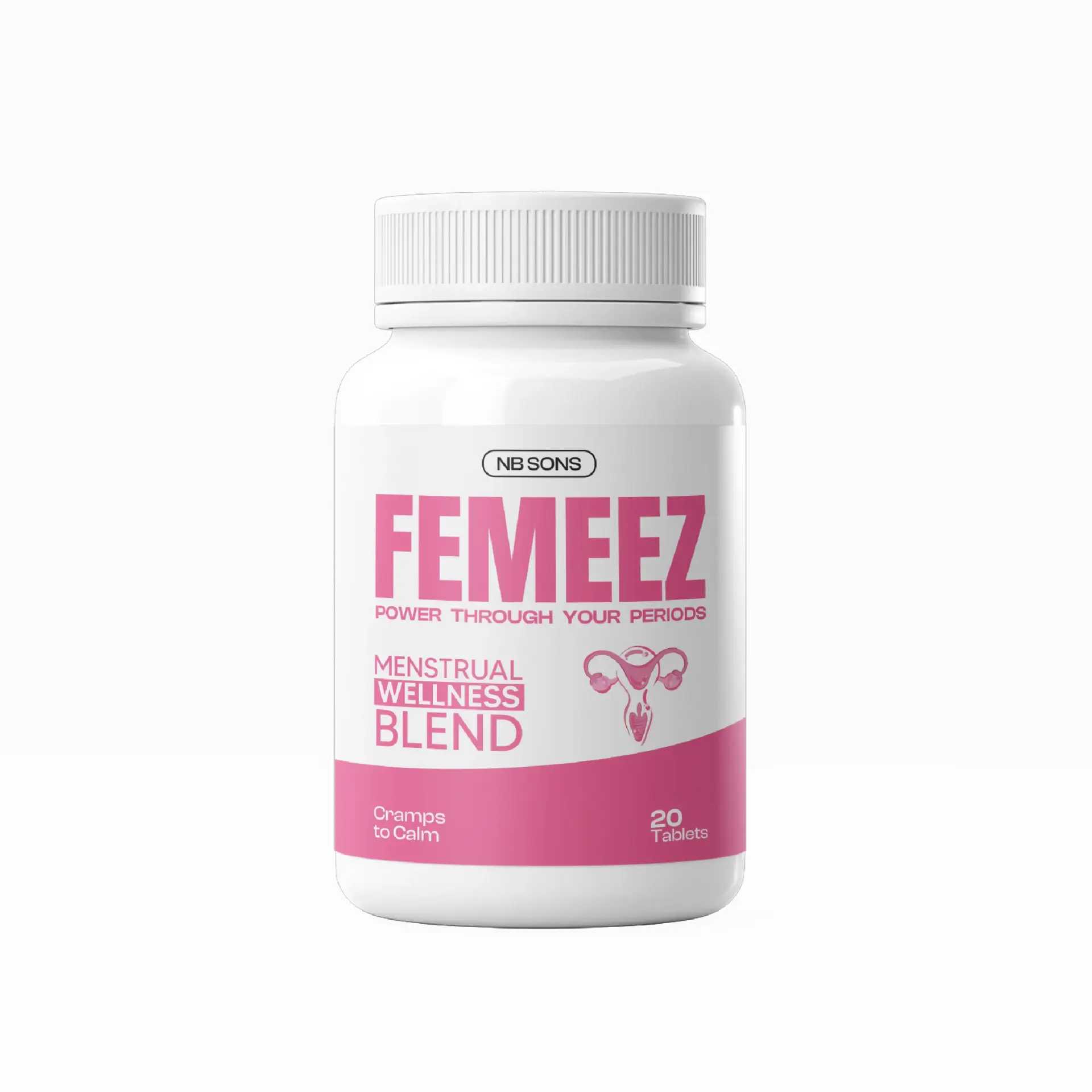
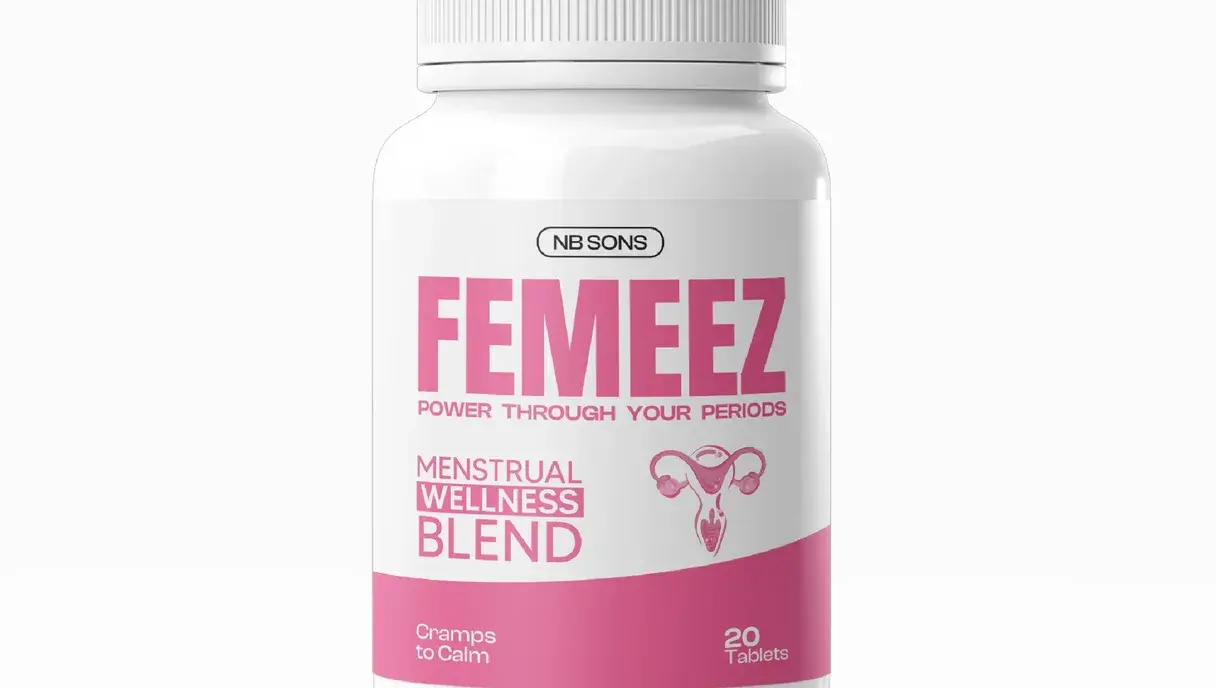
There are gentler options worth knowing about, and some of them have decent trial evidence behind them. Femeez is our version: one tablet holding six ingredients, Chaste Berry (Vitex) 40 mg, Ginger 200 mg, Chamomile 100 mg, Magnesium Oxide 100 mg, Vitamin B6 50 mg and Vitamin B12 2.5 mg. It costs Rs 950 a pack.
This guide covers what each ingredient does, what the published research actually found, who Femeez suits, who should check with a doctor first, and how to take it.
Shop the picks in this guide (5)
- FEMEEZ Menstrual Wellness Blend, Rs 950, the six-ingredient daily tablet this guide is about
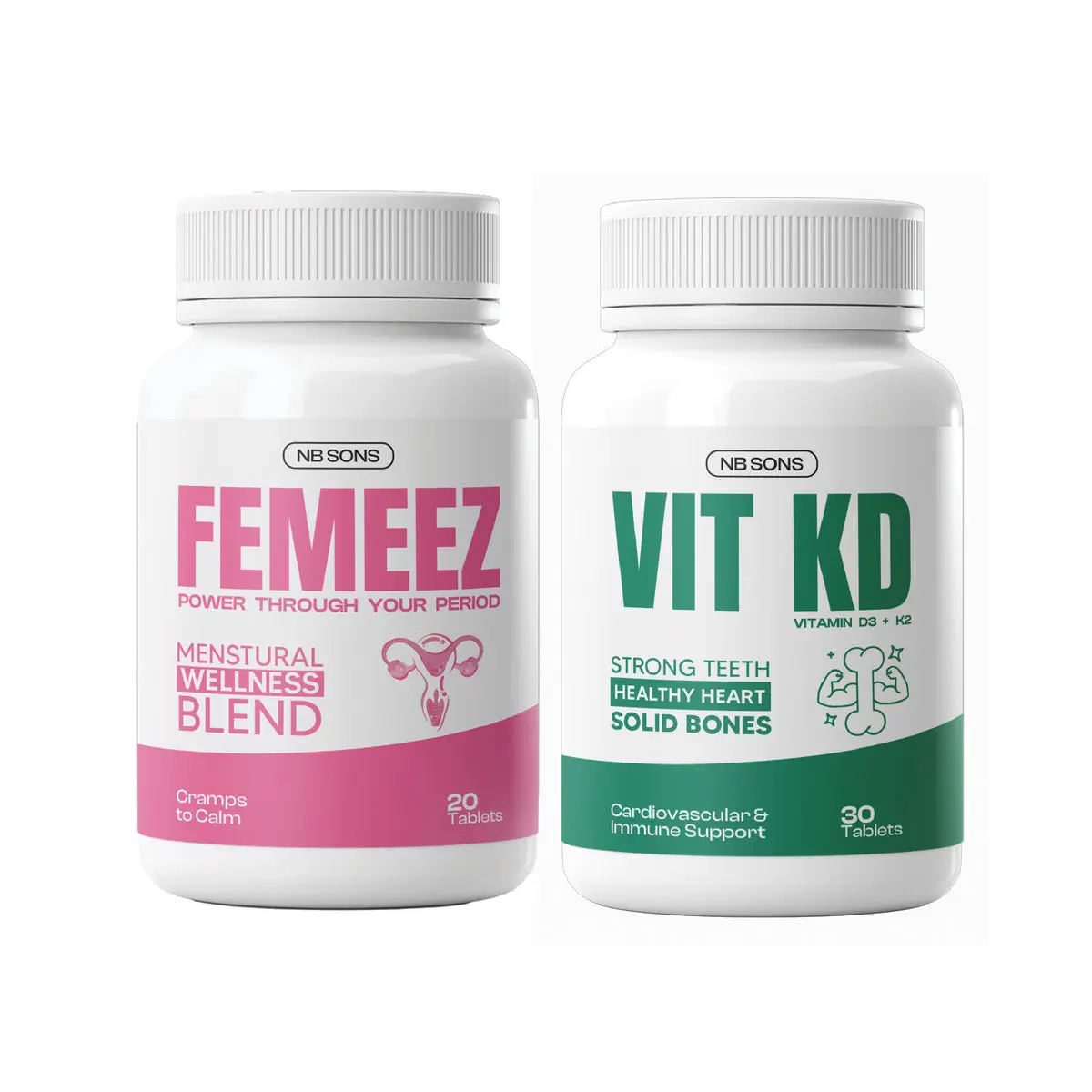
- Women's Energy Booster (Femeez + Vit KD), Rs 1,224, the same Femeez plus a high-strength vitamin D3 and K2 capsule
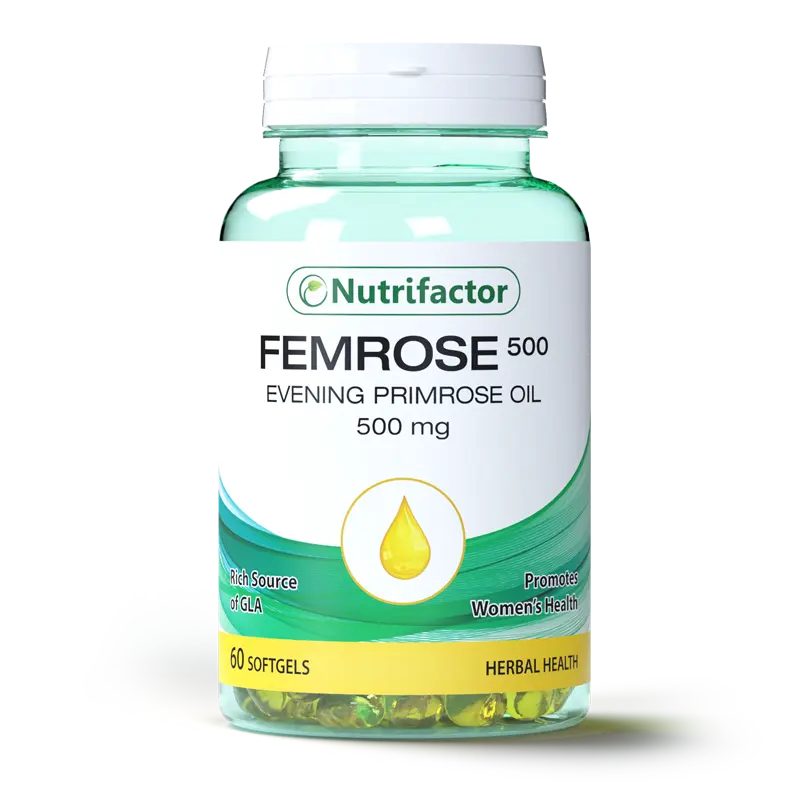
- Nutrifactor Femrose 500 Evening Primrose Oil, Rs 2,150, GLA softgels if breast tenderness is your worst symptom
- Calco Fit Magnesium Glycinate 500 mg, Rs 1,290, for cramps and broken sleep, in a better absorbed magnesium form
- Simfolic Myo-Inositol + Folic Acid, Rs 1,390, the pick for PCOS rather than ordinary cyclic PMS
Table of Contents
- What Is Femeez?
- Understanding PMS: Why It Happens
- How Femeez Works: The Six-Ingredient Approach
- Complete Benefits of Femeez
- Who Should Take Femeez?
- Dosage and How to Use
- Femeez vs Other PMS Solutions in Pakistan
- Lifestyle Tips to Maximise Femeez Results
- Price and Where to Buy
- Frequently Asked Questions
What Is Femeez?
Femeez is a women’s menstrual wellness supplement made by NB Sons Pharmaceuticals. It is formulated to support comfort and energy through the monthly cycle. NB Sons is careful about this in its own copy: Femeez is a dietary supplement, not a medicine, and it is meant to sit alongside your normal diet rather than replace treatment.
Most supplements target one symptom. Femeez takes a multi-ingredient approach, blending herbal extracts with key vitamins and minerals.
That means it covers several PMS mechanisms at once. Chaste Berry acts on the pituitary. Magnesium supports normal muscle function. Vitamin B6 is a cofactor in the making of mood neurotransmitters. Ginger has an anti-inflammatory effect. Chamomile is a traditional calming herb.
It is a daily supplement rather than a painkiller you reach for when the cramps start, so it needs consistency to be worth anything.
Femeez Composition
| Ingredient | Amount | Standard | Primary Role |
|---|---|---|---|
| Ginger Extract | 200 mg | BP | Anti-inflammatory, cramp relief, nausea |
| Chamomile Extract | 100 mg | BP | Calm, sleep support, muscle relaxation |
| Magnesium Oxide | 100 mg | BP | Normal muscle and nerve function |
| Vitamin B6 | 50 mg | BP | Serotonin and dopamine production, mood |
| Chaste Berry Extract (Vitex) | 40 mg | USP | Hormonal balance, prolactin |
| Vitamin B12 | 2.5 mg | BP | Energy metabolism, nervous system |
Each ingredient is specified to a USP (United States Pharmacopeia) or BP (British Pharmacopoeia) grade. That is a purity and identity specification for the raw material, which is a reasonable sign of quality control, though it says nothing about whether the finished blend works for you.
Understanding PMS: Why It Happens
PMS belongs to the luteal phase of your cycle, the stretch between ovulation and your period. Cleveland Clinic puts it at 12 to 14 days for most people, with anything from 10 to 17 days considered normal.
In this window progesterone climbs, then falls away just before menstruation. The NHS is honest that nobody knows exactly why some women are hit harder than others by those hormone changes, but a few mechanisms are commonly described:
- Prostaglandin surge: The uterus makes inflammatory compounds called prostaglandins. These trigger contractions (cramps) and raise pain sensitivity.
- Serotonin dip: Falling oestrogen and progesterone are linked to lower serotonin activity in the brain, which is the usual explanation for mood swings, irritability, anxiety and food cravings.
- Prolactin: Prolactin is the hormone most often connected with breast tenderness and cyclical breast pain, and it is the target chasteberry is thought to act on.
- Magnesium: Magnesium is needed for normal muscle contraction and relaxation and for nerve signalling, both of which are involved in cramps and tension headaches.
- Inflammation: Inflammatory signalling rises before a period, which amplifies pain and fatigue.
PMS in Pakistani Women: The Silent Struggle
A 2018 study of 448 female university students in Karachi found that 79.5% said they had PMS, while 23.9% met the stricter ACOG clinical criteria for it. More than half, 60.4%, said PMS disturbed their normal routine, and 49.4% had never sought any treatment for it.
That last number is the real story. Cultural stigma plays its part: periods remain a topic many families avoid, and many young women grow up believing severe menstrual pain is simply to be endured.
It does not have to be. PMS can usually be managed, and the right support can make a noticeable difference to how the month goes.
How Femeez Works: The Six-Ingredient Approach
Each ingredient targets a different part of the picture. Here is what the published evidence actually says about each one, including where it is thin.
1. Chaste Berry Extract (Vitex agnus-castus), 40mg
Chaste Berry is the ingredient Femeez is built around. This Mediterranean herb has a long history in women’s health, and it is the one component here with a proper meta-analysis behind it.
The mechanism is reasonably well described. The NIH’s LactMed database entry on chasteberry notes that some of its constituents bind to dopamine D2 receptors in the pituitary, and that higher doses lower serum prolactin. Prolactin is linked to breast tenderness and cyclical breast pain, which is why chasteberry is used for those symptoms.
A 2019 meta-analysis in Complementary Therapies in Medicine pooled the three double-blind, placebo-controlled trials that met its quality bar, covering 520 women. Women taking chasteberry were 2.57 times more likely to see their PMS symptoms go into remission than those on placebo (95% CI 1.52 to 4.35).
One honest caveat. Those three trials used two specific standardised extracts, Ze 440 and BNO 1095, and the authors point out that most other chasteberry trials could not be used because the preparation was not properly described. Femeez supplies 40 mg of USP-grade chaste berry extract, which is not the same preparation as the ones tested, so read the meta-analysis as evidence for the herb rather than proof about this particular tablet.
2. Ginger Extract, 200mg
Of the six ingredients here, ginger has the best evidence for period pain specifically.
A 2024 systematic review and meta-analysis in the Journal of Integrative and Complementary Medicine pooled trials of ginger in primary dysmenorrhoea. Ginger clearly beat placebo for both pain intensity and pain duration. More interesting for anyone tired of taking painkillers every month: across the trials there was no measurable difference between ginger and NSAIDs for pain intensity.
The authors are careful to add that most of the included studies carried a risk of bias and that safety data was rarely reported, so this is promising rather than settled. Ginger is also the ingredient most likely to help with the nausea some women get premenstrually.
3. Chamomile Extract, 100mg
Chamomile is the calming component, and the evidence for it in PMS points at the emotional symptoms rather than the physical ones.
A 2014 randomised double-blind trial in Complementary Therapies in Clinical Practice put 90 students on either chamomile extract or mefenamic acid, a standard anti-inflammatory period painkiller, over two cycles. Chamomile reduced the emotional symptoms of PMS significantly more than the drug did. For physical symptoms there was no significant difference between the two.
Worth knowing before you set expectations: that trial used 100 mg of chamomile three times a day. Femeez gives you 100 mg once a day, so treat the chamomile here as a supporting ingredient rather than the reason to buy.
4. Magnesium Oxide, 100mg
Magnesium is needed for normal muscle contraction and relaxation and for nerve signalling, which is why it comes up constantly in conversations about cramps, tension headaches and sleep.
The trial evidence in PMS is real but modest. A systematic review in Nutrients looked at magnesium supplementation for anxiety and found that four of the seven studies in PMS groups reported a positive effect, while concluding that the overall quality of the evidence was poor. The NHS takes a similar line on supplements for PMS generally: B6, calcium, vitamin D and magnesium are commonly suggested, but the evidence that they work is limited.
One practical point on form. Femeez uses magnesium oxide, which is the cheapest and least well absorbed of the common magnesium salts. If cramps and broken sleep are your main complaint rather than mood or breast tenderness, Calco Fit gives you 500 mg of magnesium glycinate, a chelated form the gut absorbs better and that is less likely to loosen your stools.
5. Vitamin B6 (Pyridoxine), 50mg
Vitamin B6 is a cofactor in making serotonin, dopamine and GABA, the neurotransmitters that carry mood and anxiety.
The reference paper here is a 1999 systematic review in the BMJ covering nine trials and 940 women with PMS. Women on B6 were about twice as likely to report improvement in overall premenstrual symptoms as those on placebo (odds ratio 2.32), and the authors concluded that doses up to 100 mg a day are likely to be of benefit. They also flagged that most of the trials they could include were low quality, so hold that conclusion loosely.
A safety note that matters more than the efficacy one. The NHS advises not taking more than 10 mg of vitamin B6 a day in supplements unless a doctor tells you to, because sustained high intakes (it names 200 mg a day and above) can cause peripheral neuropathy, a loss of feeling in the arms and legs. Femeez contains 50 mg. That sits under the level the NHS associates with nerve damage and inside the range the BMJ review studied, but it is well above what you would take casually. Do not stack Femeez with a separate B-complex, and if you plan to take it month after month, tell your doctor or pharmacist.
6. Vitamin B12 (Cobalamin), 2.5mg
Vitamin B12 helps the body make red blood cells, release energy from food and keep the nervous system healthy. Fatigue is one of the most common PMS complaints, which is the logic for including it.
The NHS puts adult need at around 1.5 micrograms a day. The 2.5 mg in Femeez is far above that, which is typical of B12 in supplements because absorption from a single large dose is poor. B12 is water soluble and generally well tolerated, but there is no specific PMS evidence for it: treat it as nutritional insurance rather than an active PMS ingredient.
Complete Benefits of Femeez
| Symptom | Key Ingredients Addressing It | Realistic Timeline |
|---|---|---|
| Menstrual cramps | Ginger, Magnesium, Chamomile | First cycle |
| Mood swings & irritability | Chaste Berry, Vitamin B6, Chamomile | 2-3 cycles |
| Bloating & water retention | Chaste Berry, Magnesium | 1-2 cycles |
| Breast tenderness | Chaste Berry (prolactin) | 2-3 cycles |
| Fatigue & low energy | Vitamin B6, Vitamin B12, Magnesium | 2-4 weeks of consistent use |
| Anxiety & sleep problems | Chamomile, Magnesium, Vitamin B6 | 1-2 cycles |
| Headaches | Magnesium, Ginger | 1-2 cycles |
| Nausea | Ginger | First cycle |
| Food cravings | Magnesium, Vitamin B6 | 2-3 cycles |
These timelines follow the trial designs above, where chasteberry was assessed over two to three cycles and ginger over a single period. They are a guide to when to judge the results, not a promise about your own symptoms.
Who Should Take Femeez?
Femeez suits women at several life stages who get hormonal discomfort:
- Women with mild-to-moderate PMS: The main group. If cramps, mood swings, bloating or fatigue disrupt several days each month, Femeez covers them in one tablet.
- University students: PMS causes missed lectures and poor concentration. In the Karachi study, 60.4% of students said it disturbed their normal routine.
- Working professionals: If you cannot lose productivity every month, daily support is worth trying before you reach for painkillers again.
- Women with irregular cycles: Chasteberry is traditionally used for menstrual cycle irregularities, though the meta-analysis evidence above is specifically about PMS symptoms, not cycle length.
- Perimenopausal women (early 40s): As cycles become less regular before menopause, PMS often intensifies, and Femeez can be tried as transitional support.
Who Should Consult a Doctor First?
- Women on hormonal contraceptives (possible interaction with Chaste Berry)
- Women with hormone-sensitive conditions (breast or uterine concerns)
- Pregnant or breastfeeding women. NB Sons does not recommend Femeez in pregnancy or breastfeeding unless a healthcare professional advises it
- Women taking antidepressants or anti-anxiety medication
- Women with kidney disease (magnesium clearance)
- Anyone already taking a B-complex or a separate B6 supplement, given the 50 mg of B6 in each tablet
Dosage and How to Use
NB Sons’ direction is one Femeez tablet daily with food, or as directed by your gynaecologist. A few practical notes on top of that:
- Start mid-cycle, not during your period. Chaste Berry and B6 take time to build up, so beginning around ovulation gives them a head start before symptoms arrive.
- Give it at least three cycles. The chasteberry trials ran over two to three cycles. Some women notice something in the first month, but judging it after one cycle is not a fair test.
- Consistency beats timing. Take it at roughly the same time each day, morning with breakfast or evening with dinner, whichever you will actually remember.
- Continue through your period. Ginger, Magnesium and Chamomile are the ingredients most likely to help during menstruation itself.
- Take it with a meal. NB Sons recommends this to avoid stomach upset, and ginger can cause mild heartburn on an empty stomach.
Femeez vs Other PMS Solutions in Pakistan
Pakistani women usually manage PMS with a fairly short list of options. Here is how Femeez sits against them:
| Solution | Approach | Pros | Cons | What it costs |
|---|---|---|---|---|
| Femeez | Multi-ingredient herbal and vitamin | Six actives covering physical and emotional symptoms; no prescription needed | Takes 2-3 cycles to judge; magnesium oxide is a poorly absorbed form | Rs 950 per pack |
| Paracetamol / Panadol | Pain relief | Fast acting; available everywhere | Does nothing for mood or bloating; liver risk if overused | Pharmacy counter price, varies by brand and pack |
| Ibuprofen / mefenamic acid | Anti-inflammatory | Genuinely effective for cramps | Stomach side effects; not ideal every month; no mood support | Pharmacy counter price, varies by brand and pack |
| Imported single-ingredient Vitex | Single herbal extract | Backed by the chasteberry meta-analysis described above | Hormonal symptoms only; nothing for cramps or fatigue | Import pricing, moves with brand and exchange rate |
| Hormonal contraceptives | Hormone regulation | Used for severe PMS on medical advice | Prescription required; side effects; not suitable for everyone | Prescription pricing, varies by brand |
We can quote a live, current price only for what we sell ourselves. Pharmacy and imported prices move, so check those at the counter rather than trusting a number in a blog post.
The case for Femeez is coverage rather than potency. Single-ingredient products give you one lever, and painkillers do nothing for mood, bloating or fatigue. Femeez puts a hormonal ingredient, an anti-inflammatory one, a calming one and three nutrients in the same daily tablet, at a price that makes a three-cycle trial affordable.
If a blood test has shown you are low in vitamin D, the Women’s Energy Booster is the same Femeez sold together with a separate Vit KD capsule (vitamin D3 10,000 IU with K2 180 mcg). That D3 strength is high and NB Sons says to take it under medical guidance, so treat it as a corrective pack rather than a casual daily habit, and do not combine it with another vitamin D product.
If breast tenderness is the symptom that ruins your month, Cleveland Clinic also lists evening primrose oil among the supplements people use for it. Nutrifactor Femrose 500 gives 500 mg per softgel, taken two a day, and Nutrifactor asks for 2 to 3 months of consistent use before you judge it.
Lifestyle Tips to Maximise Femeez Results
Supplements work best alongside a few habits in the luteal phase. The NHS self-help advice for PMS is regular exercise, a balanced diet with smaller more frequent meals, enough sleep, and tracking your symptoms for at least two cycles.
- Cut salt in the week before your period. Excess salt makes water retention and bloating worse. The biryani leftovers and the processed snacks are the usual culprits.
- Move daily. The NHS lists regular exercise first in its PMS self-help advice. A 20-minute walk counts; you do not need a gym.
- Protect your sleep. PMS disrupts sleep and poor sleep makes everything else feel worse. A steady bedtime does more than any supplement here.
- Watch your caffeine. Caffeine can aggravate breast tenderness and anxiety. Swapping one or two cups for something caffeine-free in the luteal phase is an easy experiment.
- Track your cycle. The NHS suggests keeping a symptom diary for at least two cycles. It tells you whether a supplement is helping, and it takes the surprise out of a bad week.
Price and Where to Buy in Pakistan
Femeez costs Rs 950 a pack on yellowpink.pk. That is not much to spend on the three-cycle trial the chasteberry research suggests you need before judging it.
Where to buy:
- Online: order Femeez from us with nationwide delivery and cash on delivery
- Bundles: the Women’s Energy Booster pairs it with Vit KD, and Femeez + Citowit pairs it with a focus and memory blend
- Everything else for women: browse women’s health for iron, fertility and cycle support
Conclusion
PMS is not a weakness or a failure of willpower. It is a response to the hormone changes of the luteal phase, and it affects close to half of everyone who menstruates. Femeez is a reasonable, affordable place to start. Chasteberry is the ingredient in it with a placebo-controlled meta-analysis behind it. The 2024 ginger review found no measurable difference from NSAIDs on pain intensity, though the authors flag the trials were at risk of bias, and chamomile beat mefenamic acid on the emotional symptoms in one head-to-head trial.
It is a supplement, not a cure, and the honest version is that the research is encouraging rather than conclusive. If your symptoms are severe, if they stop you functioning, or if they have changed suddenly, see a doctor rather than a supplement.
If you want to try it, buy one pack of Femeez at Rs 950, start it around ovulation, take it daily with food and keep a short symptom diary for three cycles. That is enough to know whether it earns a place in your month. We deliver across Pakistan with cash on delivery, and delivery is free on orders over Rs 5,000 in Punjab. If you would rather compare first, the full women’s health range covers cycle support, iron and fertility.
This article was written and medically reviewed to our medical review board standards and is for general guidance, not personal medical advice. Always speak to a doctor or pharmacist about your own situation.
Shop FEMEEZ Menstrual Wellness Blend →Frequently asked questions
How long does Femeez take to relieve PMS symptoms?
Some women notice milder cramps in the first cycle, which is where the ginger evidence sits. The chasteberry trials that showed a benefit ran over two to three consecutive cycles of daily use, so that is the fair test. Commit to at least three months before you decide whether it is working for you.
Can I take Femeez with paracetamol or ibuprofen?
Generally yes. Femeez is a dietary supplement rather than a medicine, and there is no known interaction with standard over-the-counter painkillers. You can keep using paracetamol or ibuprofen for acute pain while taking Femeez daily. If you are on any prescription medicine, ask your pharmacist first, because chasteberry can interact with hormonal treatments.
Is Femeez safe for long-term daily use?
The individual ingredients are widely used and generally well tolerated. The one to keep an eye on is vitamin B6: the NHS advises against taking more than 10 mg a day from supplements without medical advice, and each Femeez tablet contains 50 mg. That is well below the 200 mg a day the NHS links to nerve problems, but it is a reason to tell your doctor if you intend to take it month after month, and a reason not to add a separate B-complex on top. If you take prescription medicines, check before you start.
Will Femeez help with PCOS-related symptoms?
Femeez is aimed at PMS, not PCOS, and the ingredients are different from what PCOS research points to. Women with diagnosed PCOS should look at myo-inositol instead: Simfolic (myo-inositol 2000 mg with folic acid) or M-Sol Sachet if you are trying to conceive. Femeez is the better fit for cyclic PMS in women with regular or mildly irregular cycles.
Does Femeez cause any side effects?
Side effects are usually mild. Some women get minor stomach discomfort in the first few days, which is why NB Sons says to take it with food. Ginger can cause mild heartburn in sensitive people. Stop and speak to your healthcare provider if anything persists.
Liked this one? Get the next in your inbox.
One fortnightly note from the editors, new pieces, restocks, and the routines we're actually using. Unsubscribe any time.