Copper T in Pakistan: How It Works, Side Effects and What It Costs
Copper T in Pakistan: how the copper IUD works, what it does to your periods, who it suits, and what a fitting actually costs.

At a government family planning centre in Punjab, a copper T costs you nothing. Not the device, not the counselling, not the examination. Yet it remains the method almost nobody in Pakistan picks, and the reasons usually have nothing to do with the device itself. They have to do with a cousin who heard it travels around the body, or a neighbour who says it makes you infertile for good.
Both of those are wrong. The copper T has real drawbacks, and they are worth knowing before you sit on the couch. They are just not the ones that get repeated at family gatherings.
What the copper T actually is
It is a small plastic frame shaped like the letter T, wound with copper wire, that a trained doctor or midwife places inside the womb. The version most commonly supplied in Pakistan is the TCu 380A. Greenstar's Safeload, one of the devices sold here, carries 176 mg of copper wire on the vertical arm plus copper sleeves of 66.5 mg on each horizontal arm, and the brand lists it for 10 years of protection. The Population Welfare Department in Punjab stocks a Multiload IUCD in its outlets.
There are no hormones in it. The NHS describes it as working by releasing copper into the womb, which affects how sperm move and function, and rates it over 99 percent effective. It starts working the moment it is in place, which is not true of most other methods.
That last point matters more than it sounds. With a daily pill there is a window of a few days at the start, plus every day after that where a missed tablet reopens the risk. With a copper T there is one appointment and then nothing to remember for years.
Copper T compared with the methods you already know
| Method | How long it lasts | Hormones | Effect on periods | Typical price |
|---|---|---|---|---|
| Copper T (TCu 380A) | 5 or 10 years, depending on the device | None | Often heavier, longer, more painful | Free at government family planning outlets |
| Hormonal coil (IUS) | 3 to 8 years, depending on the type | Progestogen | Usually lighter, shorter, less painful | Private clinic, ask for the total |
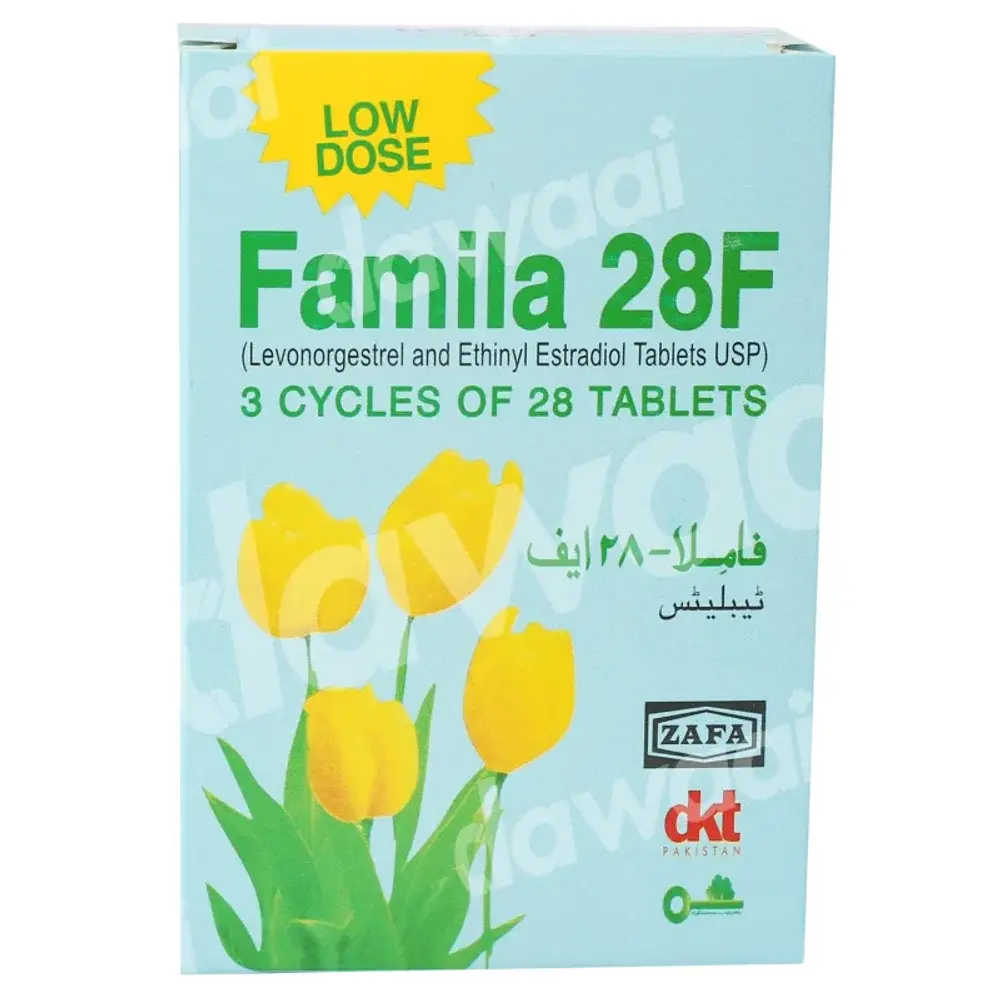
| Famila-28F daily pill | One tablet every day | Levonorgestrel and ethinyl estradiol | Usually lighter and more predictable | Rs 130 for 3 cycles |
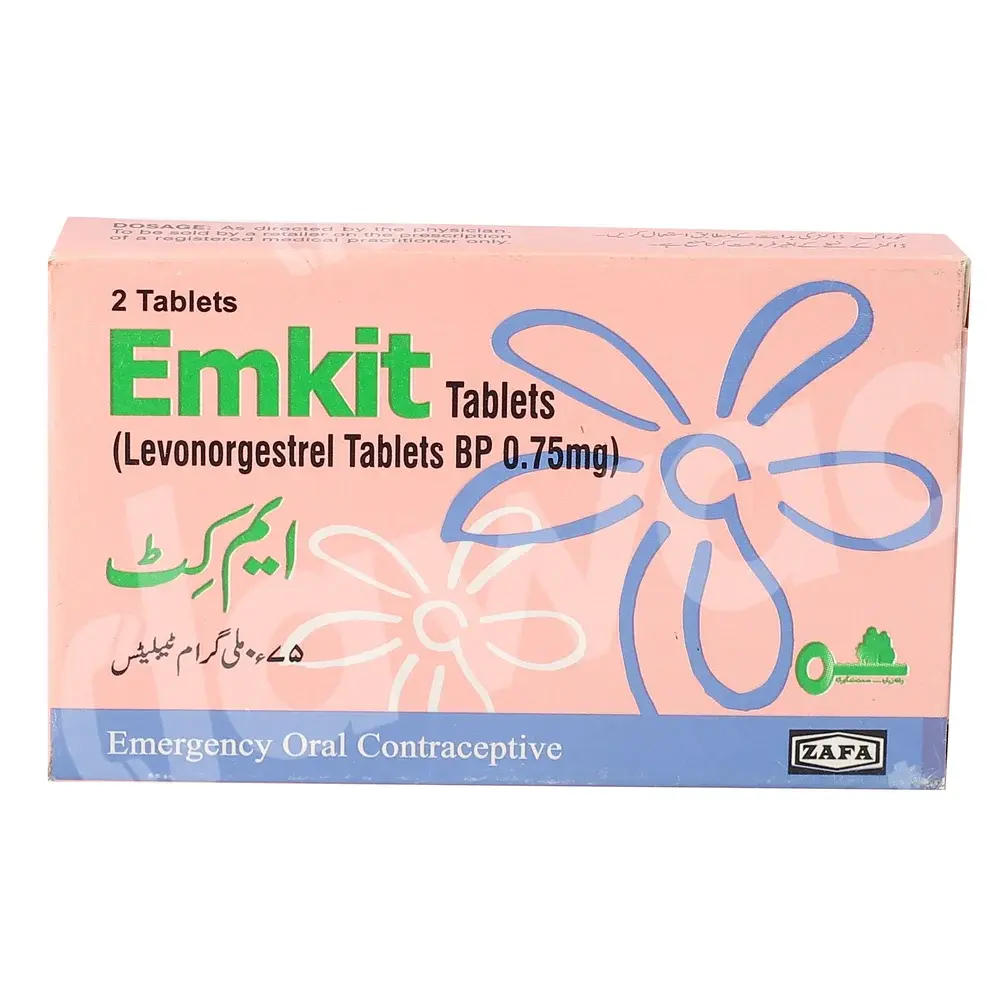
| Emkit emergency pill | One-off, after the fact | Levonorgestrel 0.75 mg | Can shift the next period | Rs 40 for 2 tablets |
Famila-28F is a prescription and pharmacist-guided medicine, and Emkit is a pharmacist-guided emergency product rather than a routine method. Neither is something to start on a friend's recommendation. If the daily pill is what you are weighing up, our guide to emergency contraception in Pakistan covers where the emergency pill does and does not fit.
What it will do to your periods
This is the honest headline, and it is the reason most women who stop, stop. The NHS lists heavier, longer or more painful periods as the main side effect, and notes this may improve after a few months. Spotting between periods in the early months is common too.
So if your periods are already heavy, already leave you flat on the bed with a hot water bottle, the copper T is probably the wrong coil for you. The hormonal coil does the opposite: the NHS describes it as making periods lighter, shorter and less painful, and it is used as a treatment for heavy periods in its own right.
If your periods do get heavier and stay that way, keep an eye out for the signs of low iron, which is easy to miss because the tiredness creeps up slowly. For the cramping in the first few months, our guide to period pain relief has the options worth trying before you give up on the device.
The appointment itself
The fitting takes about 5 to 10 minutes, though the NHS advises allowing at least 30 minutes for the whole appointment. Before it goes in, you should be offered a test for sexually transmitted infections and a pregnancy test, because a copper T cannot be fitted if you might already be pregnant. If you are unsure, take a home pregnancy test first so the visit is not wasted.
Most people feel some pain during the fitting. The NHS suggests taking paracetamol or ibuprofen beforehand, and says a local anaesthetic can be used if you are worried about it. Afterwards, expect period-like cramping for a few days and some light bleeding.
Two timings are worth writing down. If the device is going to shift or come out, it usually happens within the first 3 months, and pelvic infection, when it happens, is usually within 3 weeks of fitting. You check the device by feeling for two thin threads at the top of the vagina, a few times in the first month and then regularly, such as after each period. If you cannot feel them, use condoms and get it checked before you rely on it again.
The risks, stated plainly
The copper T can be pushed out by the womb, and rarely it can damage the wall of the womb during fitting. If it fails and you do conceive, the risk of an ectopic pregnancy is higher, though a failure is itself rare. It gives no protection at all against sexually transmitted infections, so condoms still have a job to do.
MedlinePlus notes that a device should not be inserted while an infection of the vagina, cervix or womb is present, so any current infection needs treating first. A copper allergy also rules it out.
Call a doctor if you get fever, severe or worsening pelvic pain, discharge with a bad smell, or if a period goes missing.
What Pakistani women themselves report
This is where the local data is more useful than any overseas leaflet. According to PubMed, a study of 3,000 IUCD clients at a Marie Stopes Society social franchise network in Pakistan found an overall discontinuation rate of 18.9 percent, with women using the device for an average of 7.4 months before stopping, and 22.7 percent reporting some health problem. The same study found 81.7 percent of those women would still use the service again if they needed it (Azmat et al., BMC Women's Health).
A later multicentre study across Pakistani health facilities looked at devices fitted just after childbirth and recorded discontinuation of about 11 percent at 6 weeks and about 11 percent at 6 months, and found that counselling by a doctor in early labour made a measurable difference to whether women went ahead (Ahsan and Ali, JPMA).
Read those numbers together and the pattern is clear enough. Most women who have it fitted keep it. The ones who stop mostly stop in the first year, over bleeding and pain, and most of them would try the service again anyway.
What it costs
The Population Welfare Department Punjab states that all contraceptives and related services are provided free of cost at its service delivery outlets, with no charge for registration, counselling, examination or the contraceptive itself. The Khyber Pakhtunkhwa department says the same on its FAQ page: all services are available free of charge. Both checked in September 2026.
Private clinics and hospitals charge for the device and the consultation separately, and the follow-up visit is sometimes billed on top. Ask for the all-in figure before you book, including the check-up after your next period.
Using it as emergency contraception
This part is not widely known in Pakistan. A copper device can be fitted within 5 days, or 120 hours, of unprotected sex, and the NHS calls it the most effective type of emergency contraception. It can then be left in place as your ongoing method for the next 5 or 10 years.
Compare that with the emergency pills sold over the counter here. Emkit and Greenstar's ECP both contain levonorgestrel 0.75 mg and are listed for use within 72 hours. The window is shorter, and the pill covers one incident rather than the years that follow.
If you want to get pregnant later
Removal is quick, and the NHS states that fertility returns to previous levels straight away once the device is out. There is no waiting period and no clearing-out phase, which is where a lot of the local fear about permanent infertility comes from and where it falls apart.
When you are ready, our ovulation calculator will map your fertile window, and the pregnancy calculator takes over once a test comes back positive. If you have been trying for a while without luck, the fertility quiz is a reasonable first step before booking tests.
So is it right for you?
The copper T suits a woman who wants years of cover without a daily tablet, who cannot or does not want to take hormones, and whose periods are manageable to begin with. It suits someone who has finished having children for now but wants the option kept open.
It suits you less if your periods are already heavy or painful, or if you know you would rather not have anything fitted. In that case the daily pill or a hormonal method is the more comfortable answer, and our women's health range carries the routine options.
One conversation with a doctor or a lady health visitor at a family planning centre will settle most of it, and at a government outlet that conversation is free. Go in with your period history and your questions written down. The counselling is the part that decides whether the device stays in, and the Pakistani data says so quite directly.
This article is for general information and does not replace advice from your own doctor. Contraceptive methods should be chosen with a qualified healthcare provider who knows your medical history.
Liked this one? Get the next in your inbox.
One fortnightly note from the editors, new pieces, restocks, and the routines we're actually using. Unsubscribe any time.