Emergency Contraception (ECP): How It Works and When It Works
Emergency contraceptive pills are legal, sold at pharmacies across Pakistan, and badly misunderstood. How they actually work, why the 72-hour window matters, what they cannot do, and why keeping one at home is the smart move.

The emergency contraceptive pill is one of the most searched health topics in Pakistan and one of the least accurately understood. It is legal, WHO-listed, sold openly at pharmacies, and distributed nationally by social-marketing organisations precisely so couples can reach it in time. This guide explains what it actually does, the timing that decides whether it works, and the myths that stop people using it correctly.
What an ECP is and how it works
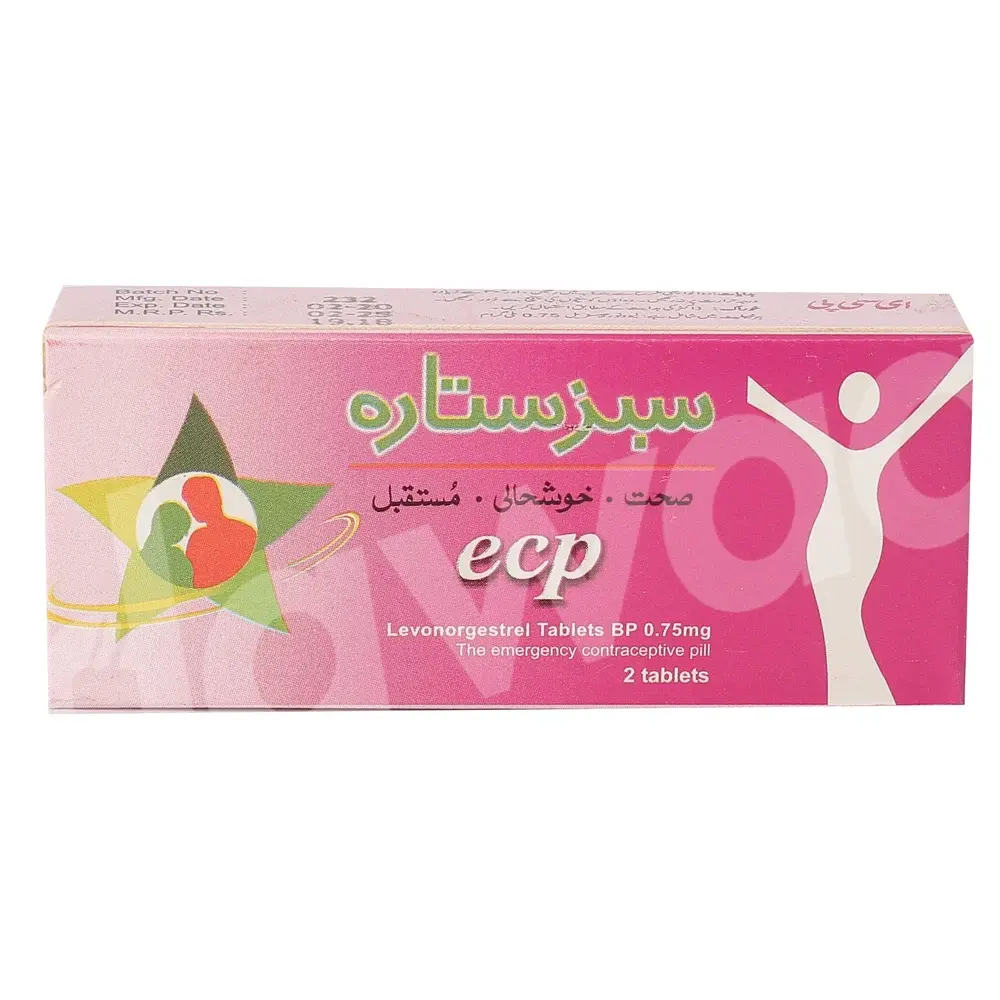
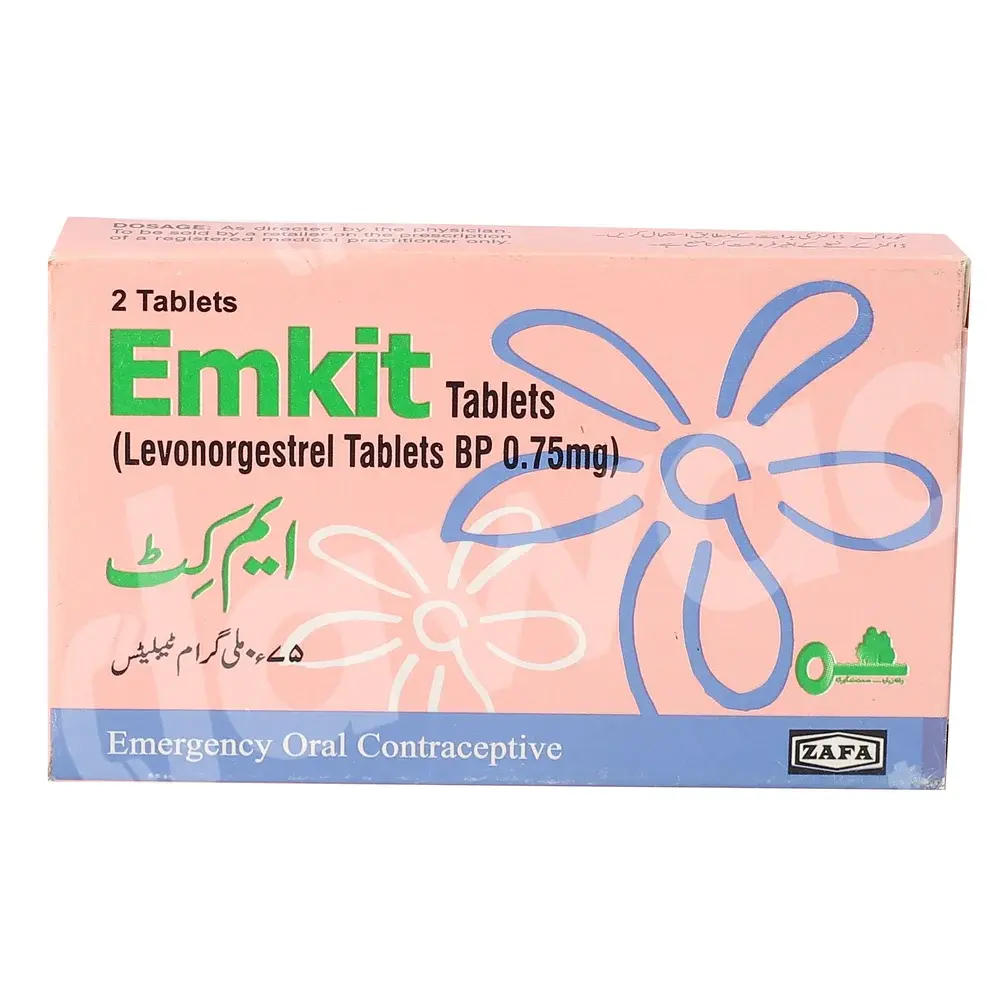
Emergency contraceptive pills in Pakistan contain levonorgestrel, a synthetic version of a hormone your body already makes. Taken after unprotected intercourse or a contraceptive failure (a torn condom, missed daily pills), it works mainly by delaying or preventing ovulation, so there is no egg for sperm to meet. The common brands here are ECP by Greenstar and Emkit by Zafa, both two-tablet packs of the same medicine at social-marketing prices.
The clock is the whole game
Effectiveness depends almost entirely on speed: around 95 percent when the first tablet is taken within 24 hours, falling steadily to roughly 60 percent by 72 hours. After three days it is largely ineffective. This is why the practical advice everywhere ECPs are sold is the same: do not wait for the emergency to buy one. A pack costs less than a plate of biryani and keeps for years; couples who keep one at home turn a panicked pharmacy hunt into a glass of water. Order it with anything else and the parcel arrives in plain packaging with no product name outside.
What it cannot do
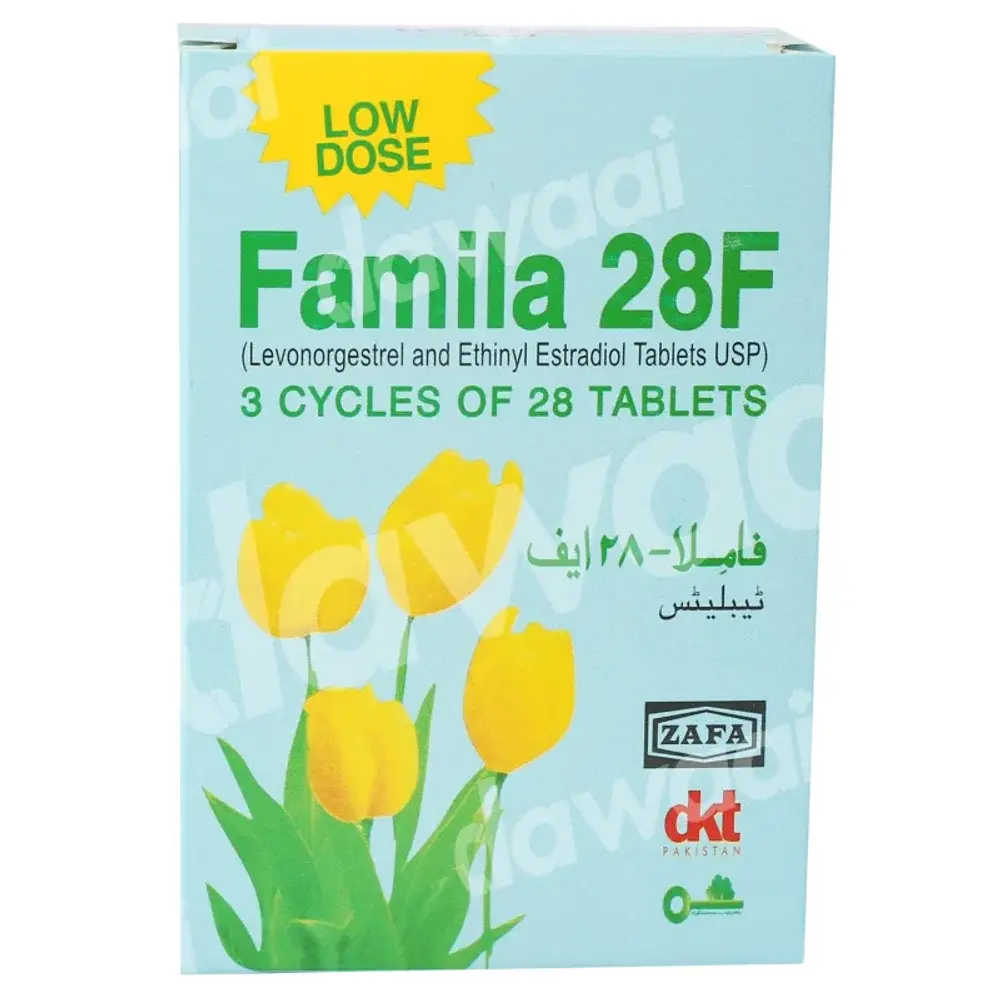
Two hard facts clear up most of the fear. First, an ECP is not an abortion pill: it prevents a pregnancy from starting and has no effect on an existing pregnancy, and taking it while unknowingly pregnant does not harm the baby. Second, it is not a regular contraception method: it is less effective than any daily method, and using it repeatedly means more hormones and more cycle disruption than a daily pill like Famila-28F would involve. If you find yourself needing emergency pills often, that is the signal to talk to a doctor, pharmacist or lady health worker about a routine method.
What to expect after taking it
Mild nausea, tiredness or breast tenderness for a day or two is common and passes. If you vomit within two hours of a dose, repeat that dose. Your next period may arrive a few days early or late; both are normal. If it is more than a week late, take a pregnancy test. Our pregnancy test guide covers exactly how and when.
Myths, answered plainly
It does not cause infertility, at any number of uses; the evidence on this is clear and reassuring. It does not "build up" in the body. It does not protect against infections, only condoms do that. And it is not shameful to keep at home: family-planning organisations in Pakistan actively encourage advance provision because it is the difference between the pill working and not working.
This article is for education and does not replace medical advice. Consult your doctor or pharmacist if you take other medicines or have questions. Reviewed for accuracy by our medical review board.
Liked this one? Get the next in your inbox.
One fortnightly note from the editors, new pieces, restocks, and the routines we're actually using. Unsubscribe any time.