Breast Pain in Pakistan: Why It Happens and When to Worry
Breast pain is common in Pakistan and is rarely cancer. Here is what cyclical and non-cyclical pain mean, and the signs that need a doctor.
It usually happens in the shower. You press one breast, feel a tender spot that was not there last week, and the rest of the day goes sideways. By your period the soreness has faded, until it happens again the following month.
Breast pain is one of the most common reasons women in Pakistan quietly worry, and one of the least likely to be serious. Cleveland Clinic puts it plainly: around 70 percent of women get breast pain at least once, and most causes are not dangerous. What matters is knowing which kind you have, and which signs mean you stop guessing and see a doctor.
The two kinds of breast pain
Doctors call breast pain mastalgia and split it into two types. Almost everything else follows from which one you have.
| Cyclical | Non-cyclical | |
|---|---|---|
| Timing | Starts up to two weeks before your period, eases once bleeding begins | No link to your cycle, can come and go at any time |
| Where | Usually both breasts, often the upper outer part and towards the armpit | Usually one breast, often one specific spot |
| Feels like | Dull, heavy, aching, swollen | Sharp, burning, tight, or a pulling sensation |
| Most common age | 20 to 50, while you are still menstruating | Over 40, and it can continue after menopause |
| Usual cause | Normal hormone shifts in the second half of the cycle | Chest wall, muscles, a medicine, an infection, or a cyst |
That table draws on the NHS guidance on breast pain and Cleveland Clinic's page on mastalgia. If your pain matches the left column, you are in the company of most women who ever look this up.
What the English words mean
Many women look these up in English after a doctor uses them. Breast pain is chhati mein dard. Breast tenderness or sore breasts means the breast hurts when something presses on it, even lightly, rather than hurting on its own. Mastalgia is the medical word for breast pain, and cyclical means tied to your cycle.
Why breasts hurt before a period
In the second half of your cycle, after ovulation, hormone levels shift and breast tissue holds more fluid. Ducts and glands swell slightly, the breast gets heavier, and the nerves in it get more sensitive, so a bra strap that felt fine two weeks ago now digs in. Once your period starts, the hormones fall and the swelling settles.
That is why the pain becomes predictable once you track it. If you are unsure where you are in your cycle, our ovulation calculator shows the rough window, and soreness that reliably begins after that point points to the cyclical kind. It often travels with other premenstrual symptoms, covered in our guide to period pain and menstrual cramps.
Some things make cyclical pain louder without causing it. Cleveland Clinic lists poorly fitting bras, larger breast size, combined birth control pills and hormone therapy, caffeine, some antidepressants, and smoking. The NHS adds neck, shoulder and back injuries, which refer pain to the chest and are easy to miss because nothing is wrong with the breast itself.
Lumpy breasts are usually normal breasts
Half of all women notice fibrocystic changes, the ropey, lumpy texture that gets more obvious before a period. The US National Cancer Institute is clear that these are most common under the age of 45 and do not increase breast cancer risk. Simple cysts do not raise the risk either, and fibroadenomas, the smooth rubbery lumps that move under your finger, are the most common benign breast tumour in women under 30 and also carry none. That does not mean you diagnose your own lump. It means a lumpy, tender breast in your twenties or thirties is more likely to be ordinary than frightening.
Breast pain and breast cancer: the honest answer
The NHS states it directly on its breast cancer symptoms page: breast pain by itself is not usually a symptom of breast cancer. Cancer more often shows up as a painless change you can see or feel.
This matters more here than in most places. A 2026 review in the Journal of the Pakistan Medical Association notes that Pakistan has one of the highest breast cancer rates in Asia, and that cases are too often found late because of weak screening and low awareness (PubMed). The point is not to panic about soreness. It is to know which changes are worth acting on, because those are the ones that get missed.
See a doctor without delay if you have
- A hard lump that does not move when you push it
- A change in the size or shape of one breast
- Skin that has become dimpled or pitted like orange peel
- A nipple that has turned inwards, or a rash or crusting on or around it
- Discharge from the nipple, especially if it has blood in it
- A lump or swelling in the armpit or up towards the collarbone
- Redness, heat and swelling with a high fever, which can mean mastitis or an abscess and needs treatment the same week
Book a normal appointment if
- The pain is not settling after a couple of cycles, or painkillers are not touching it
- The pain sits in one spot in one breast and keeps coming back
- You have a family history of breast or ovarian cancer
- There is any chance you are pregnant
On that last point, sore breasts are one of the earliest pregnancy signs, and the tenderness usually feels heavier and more widespread than your normal premenstrual ache. If your period is late, a test settles it fastest. Our guide to home pregnancy tests covers timing and reading the result, and the early pregnancy symptoms article covers what else shows up in the same fortnight.
What a check-up actually involves here
For women under 40, the usual first step is a breast ultrasound rather than a mammogram, because younger breast tissue is dense and shows up poorly on a mammogram. At Chughtai Lab, a breast ultrasound was listed at around Rs 4,000 and a mammogram at around Rs 22,000 when we checked in September 2026. Prices differ by lab and city, so ring two.
Go in with a note of when the pain started, where it sits and how it tracks against your period. A clinician can do far more with two months of notes than with "it hurts sometimes".
What helps, starting today
The dull advice is the advice that works. The NHS recommends a properly fitted bra during the day and a soft, unwired bra for sleeping, plus paracetamol or ibuprofen, or a painkilling gel rubbed onto the sore area. ACOG gives the same first-line advice: a well fitted bra and an over the counter pain reliever.
Most women here have never been properly measured, and a band that rides up at the back is doing none of the work it should. If your breasts are heavier, a supportive sports bra on the worst few days of the month is often the single change that helps most. Cutting back on chai and coffee for a cycle is worth testing on yourself, since caffeine helps some women and does nothing for others.
If the pain arrives alongside irregular cycles, acne or unusual hair growth, the pattern may be hormonal rather than local, and our article on hormonal imbalance in women is a better starting point. Pain that begins in your forties with erratic periods often belongs with perimenopause.
Supplements: what the evidence really shows
This is where the marketing runs well ahead of the science.
Evening primrose oil and vitamin E are the two supplements most often recommended for cyclical breast pain. The NHS position is blunt: there is little evidence that either helps. A randomised pilot study at two US academic centres gave 85 women vitamin E at 1,200 IU a day, evening primrose oil at 3,000 mg a day, or both, for six months. Each treatment improved on its own starting point while placebo did not, but comparing the groups against each other showed no statistically significant difference (PubMed). Note the dose: 3,000 mg a day is three times what a standard 500 mg softgel taken twice daily gives you.
Chasteberry has better trial data. In a randomised controlled trial of 159 women in Iran, both a chasteberry tablet and 25 g of daily flaxseed powder reduced cyclical breast pain significantly more than placebo over two months (PubMed). A separate double blind trial of 60 women found chamomile drops beat placebo for mild to moderate cyclical mastalgia (PubMed). Both are small, single country studies, so treat them as promising rather than settled.
If you want to try one, these are the options we stock, with what is actually in them:
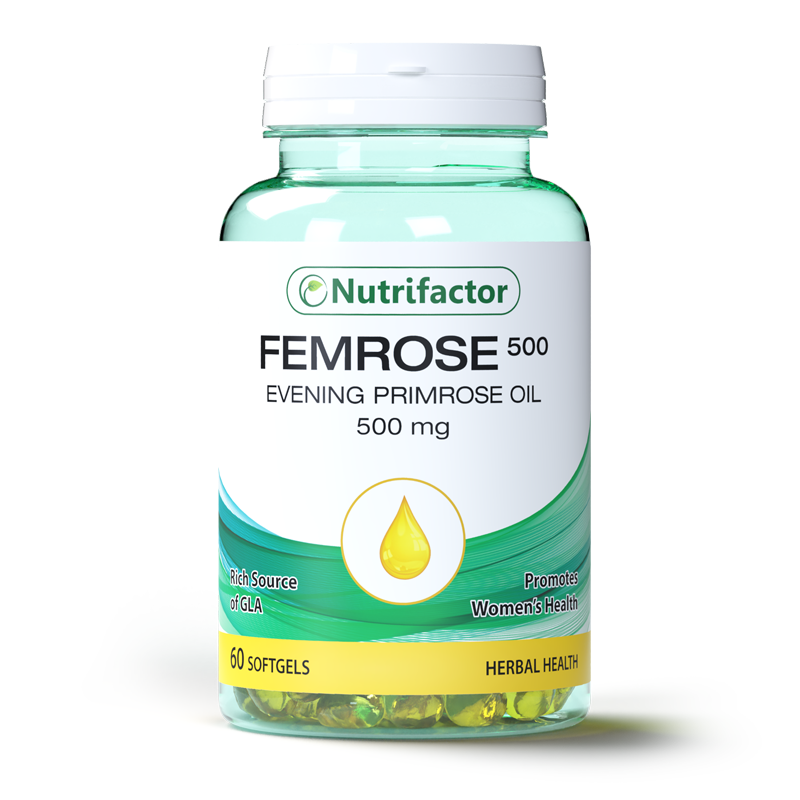
- Nutrifactor Femrose 500 Evening Primrose Oil (Rs 2,150), 60 halal softgels of 500 mg each. The label says two daily with a meal, so 1,000 mg, and Nutrifactor says to give it two to three months before judging it. More detail in our evening primrose oil guide.
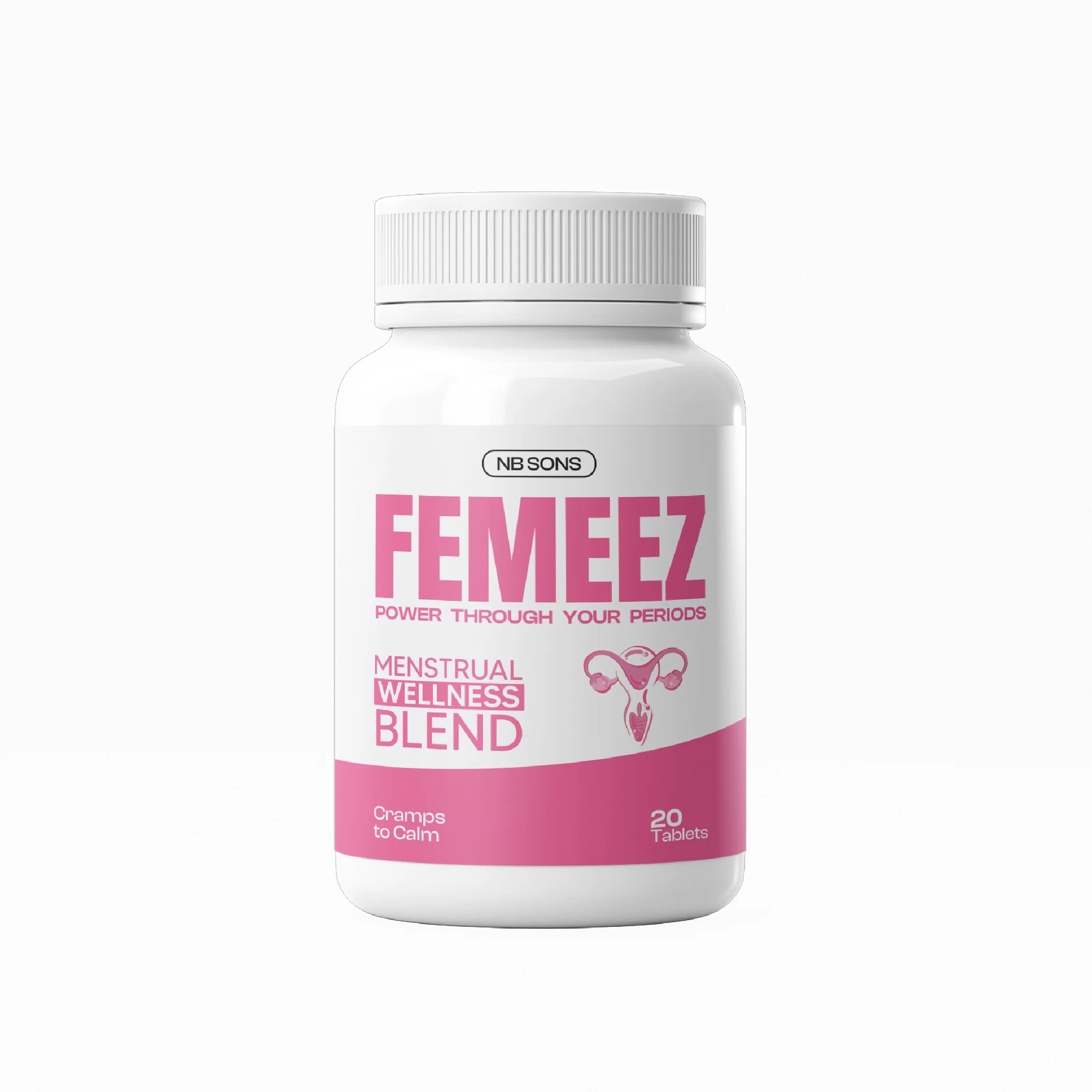
- FEMEEZ Menstrual Wellness Blend (Rs 950) by NB Sons: chasteberry extract 40 mg, ginger 200 mg, chamomile 100 mg, magnesium oxide 100 mg, vitamin B6 50 mg and vitamin B12 2.5 mg, one daily with food. Not recommended in pregnancy or breastfeeding unless your doctor advises it.
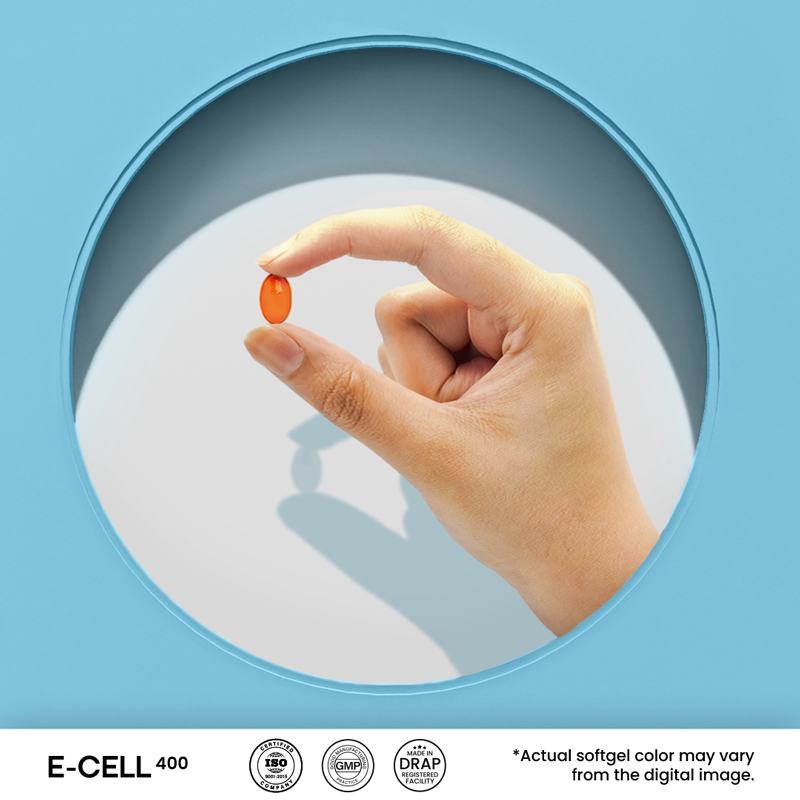
- Nutrifactor E-Cell 400 (Rs 880), vitamin E 400 IU, 30 softgels, one a day with a meal.
Stay at the dose on the label, and check with your doctor first if you take any prescription medicine or are pregnant or breastfeeding. These are food supplements rather than treatment, and none of them replaces getting a persistent lump looked at. The rest of the range sits under women's health.
Breast pain while pregnant or feeding
Tenderness in early pregnancy is normal and usually settles after the first few months. Work out roughly how far along you are with the pregnancy calculator. While breastfeeding, a sore breast with a hard wedge shaped lump, redness and fever points to mastitis, which needs a doctor rather than a supplement. Our guide to breast milk supply covers the latch issues that often sit underneath it.
What to do this month
Track the pain against your cycle for two full months. Get measured for a bra that fits and sleep in a soft one on the heavy days. Check your breasts a few days after your period ends, when they are least swollen, so you learn what normal feels like for you.
Then stop worrying about the pain and watch for changes instead. A dull monthly ache in both breasts is the body doing something ordinary. A lump that does not move, a nipple that has turned in, or skin that has puckered is the signal worth acting on, and acting early is what saves lives here.
This article is general information, not a consultation. If you have a breast lump or any change that worries you, see a doctor.
Liked this one? Get the next in your inbox.
One fortnightly note from the editors, new pieces, restocks, and the routines we're actually using. Unsubscribe any time.