How to Increase Breast Milk Supply: A Guide for Mothers (Pakistan 2026)
How to increase breast milk supply: evidence-based tips for mothers in Pakistan on feeding technique, diet, herbs and supplements, and when to get help.

Did you know? The World Health Organization recommends feeding babies only breast milk for the first six months. Yet a fear of not making enough milk is one of the most common reasons mothers turn to formula early, often when their supply is actually fine.
The reassuring truth is that most mothers can produce plenty, and supply responds well to a few proven steps. This guide explains how breast milk really works, how to tell whether your baby is getting enough, how to support a healthy supply, and when to get help. It is written warmly for mothers in Pakistan.
How milk supply actually works
Breast milk works on supply and demand. The more often and effectively milk is removed from the breast, the more your body is signalled to make.
Milk removal triggers the hormone prolactin, which drives production. The let-down of milk is driven by oxytocin, released when your baby suckles or you are relaxed and close to them. This is why frequent feeding, not resting the breast, is the foundation of a good supply. A breast that is emptied often makes more. A breast that is left full makes less.
Is my baby getting enough? Signs of good supply
How full your breasts feel is unreliable. Rather than guessing, look at your baby. Reassuring signs include:
- Six or more wet nappies a day after the first week, with pale urine.
- Regular soft, yellow stools in the early weeks.
- Steady weight gain after the normal initial dip.
- Audible swallowing during feeds and a settled, alert baby between many feeds.
Babies feed often and cluster-feed during growth spurts. This is normal and does not mean your supply has dropped.
The most effective ways to boost supply
- Feed often, on demand. Aim for 8 to 12 feeds in 24 hours in the early weeks, including at night, when prolactin levels are highest.
- Get the latch right. A deep, comfortable latch removes milk well and is the single biggest factor. A lactation consultant can help if feeding hurts or the latch seems shallow.
- Empty the breast fully and offer both sides. Express after feeds if you are trying to build supply.
- Skin-to-skin contact boosts the hormones that drive milk production and helps your baby feed.
- Add expressing or pumping between feeds if you need to increase output. The extra demand tells your body to make more.
- Look after yourself. Rest, hydration and enough calories matter. This is not the time to diet.
What can lower milk supply
Knowing the common culprits helps you protect your supply:
- Infrequent feeding or long gaps, including topping up with formula too early.
- A shallow or painful latch that does not remove milk well.
- Severe stress, exhaustion or pain, which interfere with let-down.
- Certain medicines, so always tell your doctor you are breastfeeding.
- Some medical conditions, such as thyroid problems or retained placenta, which are worth checking if supply is genuinely low.
Diet & hydration for milk supply
You need extra fluids and around 300 to 500 extra calories a day while breastfeeding. Drink to thirst, keep a glass of water beside you at each feed, and eat balanced meals with protein, whole grains, healthy fats and vegetables.
Many Pakistani mothers use fenugreek (methi), fennel (saunf) and gond. These are all traditional galactagogues (foods thought to support milk). They are part of a nourishing maternal diet rather than a magic fix, but they can sit comfortably alongside good feeding technique.
Supplements that support lactation
When technique and diet are already in place, a galactagogue supplement can give supply extra support by combining traditional herbs in one daily dose. Think of supplements as support, not a substitute for frequent, effective feeding, which always comes first.
| Product | How it helps |
|---|---|
| Greelac Lactation Support | Fenugreek, blessed thistle, fennel & shatavari with B12, calcium & vitamin D to support healthy milk supply |
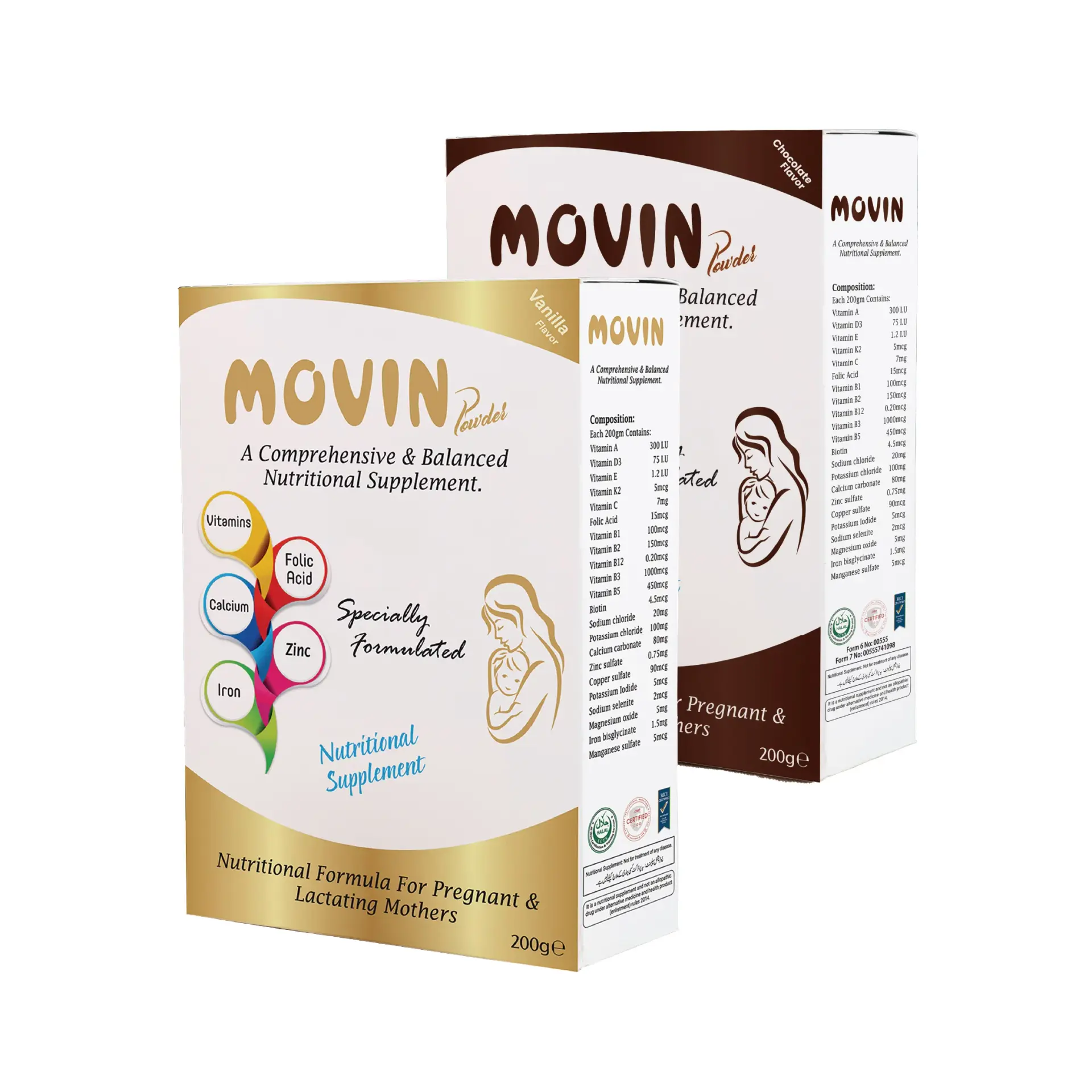
| Movin Maternal Nutrition | Rounds out a nursing mother's nutrition during pregnancy & lactation |
For complete coverage, the Complete Pregnancy Care bundle pairs maternal nutrition, folate and lactation support together. Keep up your own nutrition too. See our calcium and folic acid guides. If you take any regular medicines or have a medical condition, check with your doctor before starting a herbal supplement while breastfeeding.
Looking after yourself
Milk-making is hard work, and your wellbeing affects your supply. Sleep when you can, accept help with chores, eat regularly, and be honest with someone you trust about how you are coping.
Low mood after birth is common and treatable. If you feel persistently sad, anxious or overwhelmed, please speak to a doctor. A supported mother feeds more easily.
When to seek help
Speak to a doctor or lactation consultant if your baby is not gaining weight, has fewer wet nappies than expected, seems hungry after most feeds, is unusually sleepy or hard to wake, or if feeding is painful.
Low supply is often fixable with the right support, and sometimes there is a medical reason worth addressing early. Getting help quickly protects both your baby and your breastfeeding journey.
Read next: Breast Pain in Pakistan.
The bottom line
Milk supply is mostly about frequent, effective feeding, a good latch, and looking after yourself. Support it with hydration, a nourishing diet and a galactagogue like Greelac. Remember that supplements support but do not replace good feeding and medical care.
Reach out to a lactation consultant or doctor if you are worried, and be kind to yourself. You are doing better than you think. This article is reviewed by our medical review board.
Shop Greelac Lactation Support →Supply is often slower to establish after a caesarean; the C-section recovery guide covers feeding positions that protect the wound and what to expect week by week.
Frequently asked questions
Does fenugreek really increase milk supply?
Fenugreek is the most widely used galactagogue herb, and many mothers find it helps. Greelac combines it with fennel, blessed thistle and shatavari in one daily supplement. Results vary, and it works best alongside frequent feeding.
How quickly can I increase my milk supply?
With more frequent, effective feeding or pumping, many mothers see a difference within a few days to a couple of weeks. Consistency is key.
What should I eat while breastfeeding?
Balanced meals with enough calories and fluids, plus traditional milk-supporting foods like methi, saunf and gond. Do not restrict your diet to lose weight while establishing supply.
How do I know if my baby is getting enough milk?
Watch for six or more wet nappies a day, regular stools, steady weight gain and a generally settled baby. If you are worried about weight or nappies, see a doctor or lactation consultant.
Can I breastfeed if I am unwell or on medication?
Often yes, but always tell your doctor you are breastfeeding so they can choose a compatible medicine. Do not stop breastfeeding without advice.
Is it normal for my baby to feed all the time?
Yes, especially during growth spurts and in the early weeks. Frequent feeding builds supply rather than signalling a problem.
Are lactation supplements safe?
Traditional galactagogue herbs are generally well tolerated, but they are still active ingredients. If you have a medical condition, take regular medicines, or your baby was premature or unwell, check with your doctor first.
Liked this one? Get the next in your inbox.
One fortnightly note from the editors, new pieces, restocks, and the routines we're actually using. Unsubscribe any time.