Calcium Tablets in Pakistan: Benefits, Dosage & Best Picks (2026)
Calcium tablets build bones and teeth, but only with vitamin D, K2 and magnesium. How much you need, who should take them, and the best picks in Pakistan.

Did you know? Calcium is the most abundant mineral in your body and the building block of strong bones and teeth. Yet many people fall short without realising it, especially women, older adults, and anyone who avoids dairy. The shortfall often stays hidden until bone problems appear years later.
A daily calcium tablet can be a simple insurance policy. But it only works if you take it the right way and pair it with the nutrients that help your body use it.
This guide explains what calcium does and who genuinely needs a supplement. We will also cover how much to take, the difference between the common forms, and how to protect your bones for life. It is general information and not a substitute for advice from your own doctor.
Why calcium matters
Beyond bones and teeth, calcium is needed for normal muscle function, nerve signalling, hormone release and blood clotting. About 99 percent of the body's calcium is stored in the skeleton, which acts as a reservoir.
When you do not get enough from food, the body quietly pulls calcium out of your bones to keep blood levels steady. Day to day you feel nothing. Over years, though, this slow withdrawal weakens the skeleton and raises the risk of osteoporosis, where bones become thin and fracture easily.
Bone is living tissue that is constantly being broken down and rebuilt. You build most of your bone mass by your late twenties. After that, the balance gradually shifts towards loss. This is why a lifelong calcium habit, started early and continued through the years when loss speeds up, matters so much.
Signs your calcium may be low
Mild shortfalls often cause no symptoms at all, which is what makes calcium easy to neglect. When intake is very low or absorption is poor, some people notice:
- Muscle cramps, twitches or spasms, often in the legs
- Numbness or tingling in the fingers
- Brittle nails and weaker teeth
- Tiredness and low mood in some cases
These signs are non-specific and overlap with many other conditions. So treat them as a prompt to see a doctor and get checked, rather than to self-diagnose.
Who should take a calcium supplement?
- Women, especially around and after menopause, when falling oestrogen speeds up bone loss
- Older adults of both sexes, who absorb calcium less efficiently
- Pregnant and breastfeeding women, whose needs rise
- People who eat little dairy or leafy greens, including those who are lactose intolerant
- Anyone diagnosed with low bone density (osteopenia or osteoporosis)
- People on long-term steroids or certain other medicines that affect bone
If you eat dairy and greens most days, you may already be close to your target from food alone. The goal is to fill the gap, not to pile on extra.
How much calcium do you need?
Most adults need around 1,000 mg of calcium per day. This rises to about 1,200 mg for women over 50 and adults over 70. Pregnant and breastfeeding women have higher needs again.
Importantly, this total includes calcium from food. So a supplement usually only needs to cover the shortfall, often 300 to 500 mg, not the whole 1,000 mg.
The body absorbs calcium best in doses of 500 mg or less at a time. If you need more, split it across the day rather than taking it all at once. A single very large dose mostly goes to waste.
The key: calcium needs vitamin D (and K2)
This is the step most people miss. Vitamin D is what allows your gut to actually absorb the calcium you take in. Without enough D, much of it passes straight through.
Vitamin K2 then helps direct that calcium into your bones, rather than letting it settle in arteries and soft tissue. Magnesium supports the enzymes involved in the whole process. That is why the best calcium routines pair these nutrients together rather than relying on calcium alone.
Pakistan also has very high rates of vitamin D deficiency, partly because of limited sun exposure and covered clothing. So checking your vitamin D is well worth it if you are supplementing calcium. For a deeper comparison of these two minerals, see our bone health guide.
Calcium carbonate vs citrate
| Form | Notes |
|---|---|
| Calcium carbonate | High calcium content per tablet and good value; take with food for best absorption, as it needs stomach acid |
| Calcium citrate | Absorbed well with or without food; a gentler option for people with low stomach acid or those on acid-reducing medicines |
Both forms work. Carbonate is the most common and cost-effective. Citrate suits older adults and anyone who finds carbonate causes bloating or constipation. If the fizzy glass is more your habit, our CAC-1000 Plus guide breaks down Pakistan's most-bought effervescent calcium and its cheaper alternatives.
Best calcium tablets in Pakistan
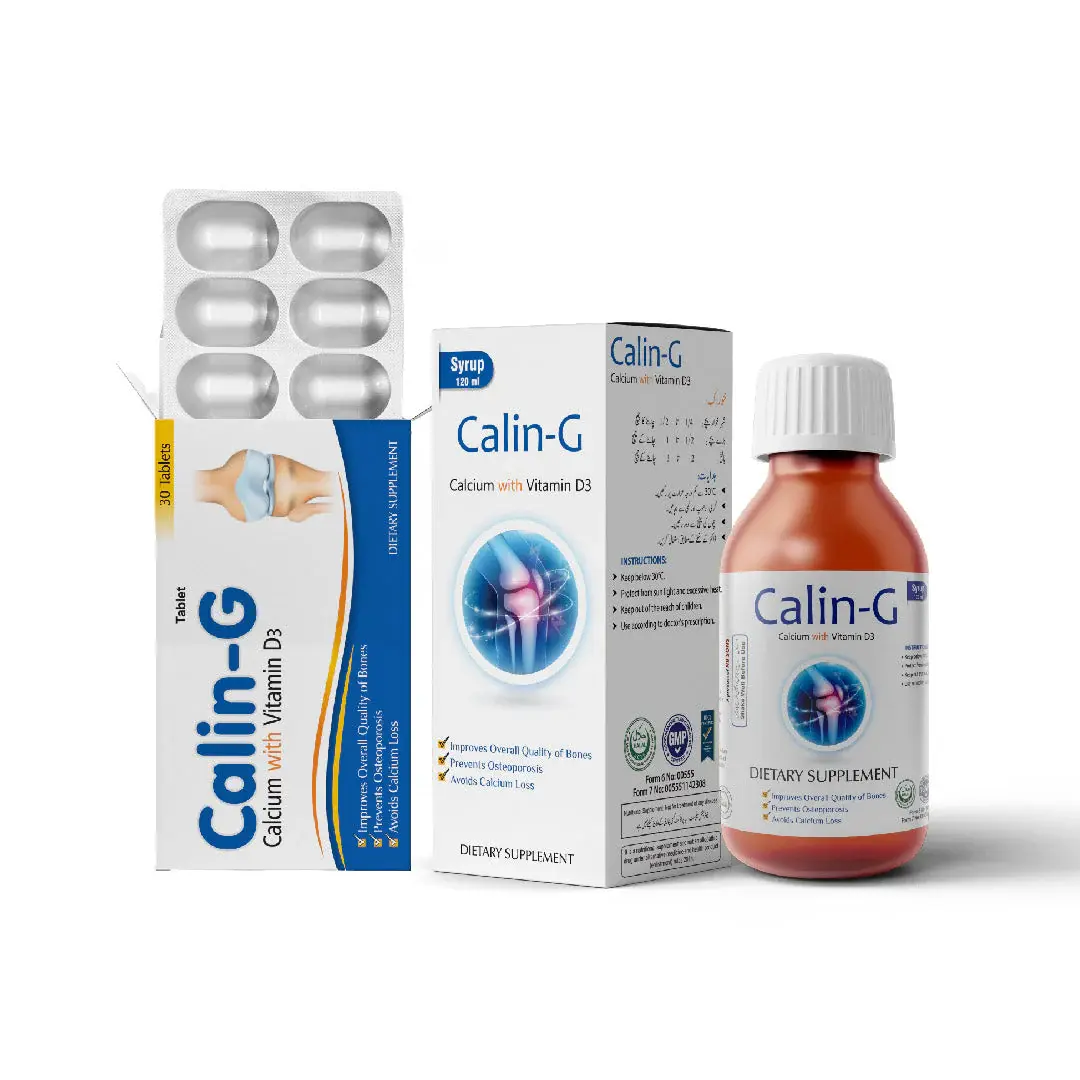
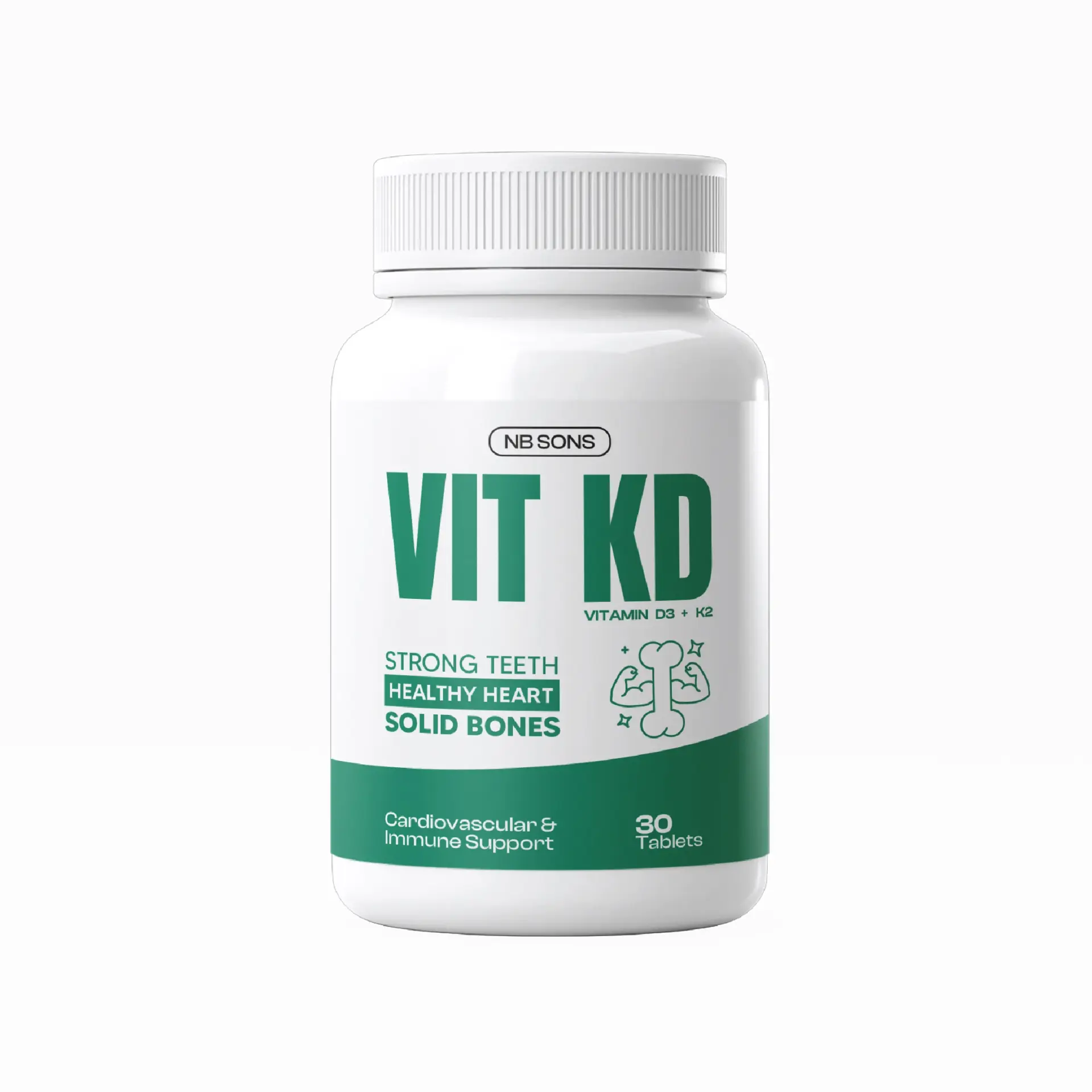
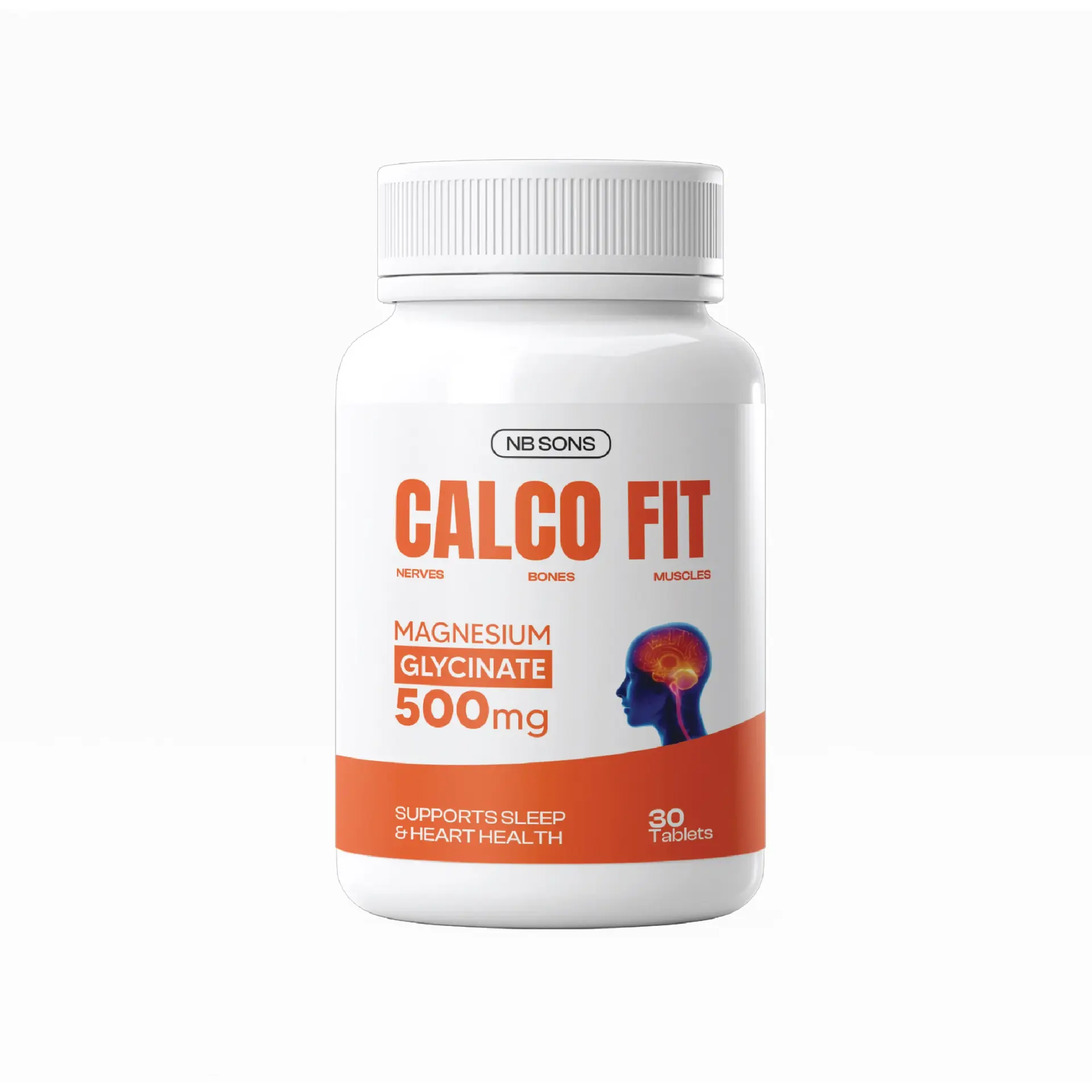
For everyday bone support, CALIN-G Calcium + Vitamin D3 pairs calcium with the vitamin D needed to absorb it. It is a sensible all-in-one. To complete the picture, add Vit KD (D3 + K2) so calcium is directed into your bones, and Calco Fit magnesium glycinate for the supporting mineral that aids absorption and eases night cramps.
If you mainly want fast relief from acidity, NB CAL is a chewable calcium-carbonate antacid that settles the stomach on the go. Browse the wellness range for more.
Food sources of calcium
Supplements work best on top of a good diet, not instead of one. Calcium-rich foods that are easy to find in Pakistan include:
- Dairy: milk, dahi (yoghurt), paneer and cheese, the richest everyday sources
- Leafy greens: palak (spinach), sarson and other saag, methi
- Seeds and nuts: til (sesame), almonds
- Fish with soft, edible bones and fortified foods
Aim to get some calcium from food at most meals and use a supplement to top up the rest.
Common myths about calcium
- Myth: more is always better. Very high supplemental calcium offers no extra benefit and may cause problems such as kidney stones in some people. Aim to fill the gap, not flood it.
- Myth: calcium alone prevents osteoporosis. Calcium is one piece. Vitamin D, protein, weight-bearing exercise and not smoking all matter.
- Myth: only older women need it. Bone mass is built in youth, so calcium matters at every age, and men get osteoporosis too.
When to see a doctor
Speak to a doctor if you have had a fracture from a minor fall, a family history of osteoporosis, persistent muscle cramps or numbness, or if you are unsure how much to supplement.
People with kidney disease, parathyroid problems or a history of kidney stones should always take calcium only under medical guidance. A simple blood test and, where indicated, a bone-density (DEXA) scan can tell you exactly where you stand.
The bottom line
Calcium is essential for lifelong bone strength. But take it with vitamin D (and ideally K2 and magnesium) so it is absorbed and sent to your bones rather than wasted. Fill the gap with food first, supplement the rest, and get your vitamin D checked.
A combination like CALIN-G plus Vit KD covers the essentials. This article is reviewed in line with our medical review board standards and is for general guidance, not personal medical advice.
Shop CALIN-G Calcium + D3 →Frequently asked questions
When is the best time to take calcium?
Calcium carbonate is best taken with food, while citrate can be taken any time. Split doses above 500 mg across the day for better absorption.
Can I take calcium and vitamin D together?
Yes, and you should. Vitamin D is what allows your body to absorb calcium, which is why the two are so often combined in one tablet.
Can I take too much calcium?
Yes. Stick to recommended amounts. Very high supplemental calcium over time is not beneficial and may raise the risk of kidney stones or other problems, so aim to fill the gap rather than overload.
Should I take calcium and iron at the same time?
Calcium can reduce iron absorption, so if you take both, separate them by a couple of hours for best results.
Does calcium cause constipation?
Calcium carbonate can cause constipation or bloating in some people. Drinking more water, splitting the dose, or switching to citrate usually helps.
Is NB CAL a calcium supplement?
NB CAL is a chewable calcium-carbonate antacid mainly for fast acidity relief. For daily bone support, choose CALIN-G with vitamin D3 instead.
Do men need calcium supplements?
Men can develop osteoporosis too, especially in later life. Most men who eat dairy get enough from food, but those who avoid it or have low bone density may benefit from a supplement.
Can children take calcium?
Children build bone rapidly and need plenty of calcium, ideally from milk and food. Any supplement for a child should be guided by a paediatrician.
Liked this one? Get the next in your inbox.
One fortnightly note from the editors, new pieces, restocks, and the routines we're actually using. Unsubscribe any time.