CAC-1000 Plus: What It Does, What It Costs and Cheaper Alternatives
CAC-1000 Plus is Pakistan's default calcium tablet. What is actually in it, who needs it, what the packs cost, and the cheaper alternatives.
In Pakistan, CAC-1000 is not a brand, it is a verb. The doctor says "calcium lo", and somebody in the house is sent to the medical store for that familiar tube of orange effervescent tablets. Millions of tablets are dropped into glasses of water every day here, mostly by women, often for years at a stretch. Yet ask the person drinking it what is actually in the tablet, whether they need it at all, or what it should cost this month, and the answers get vague. This guide fixes that: what CAC-1000 Plus contains, who it genuinely helps, what the packs cost, and the cheaper options nobody at the counter mentions.
Shop the picks in this guide (4)
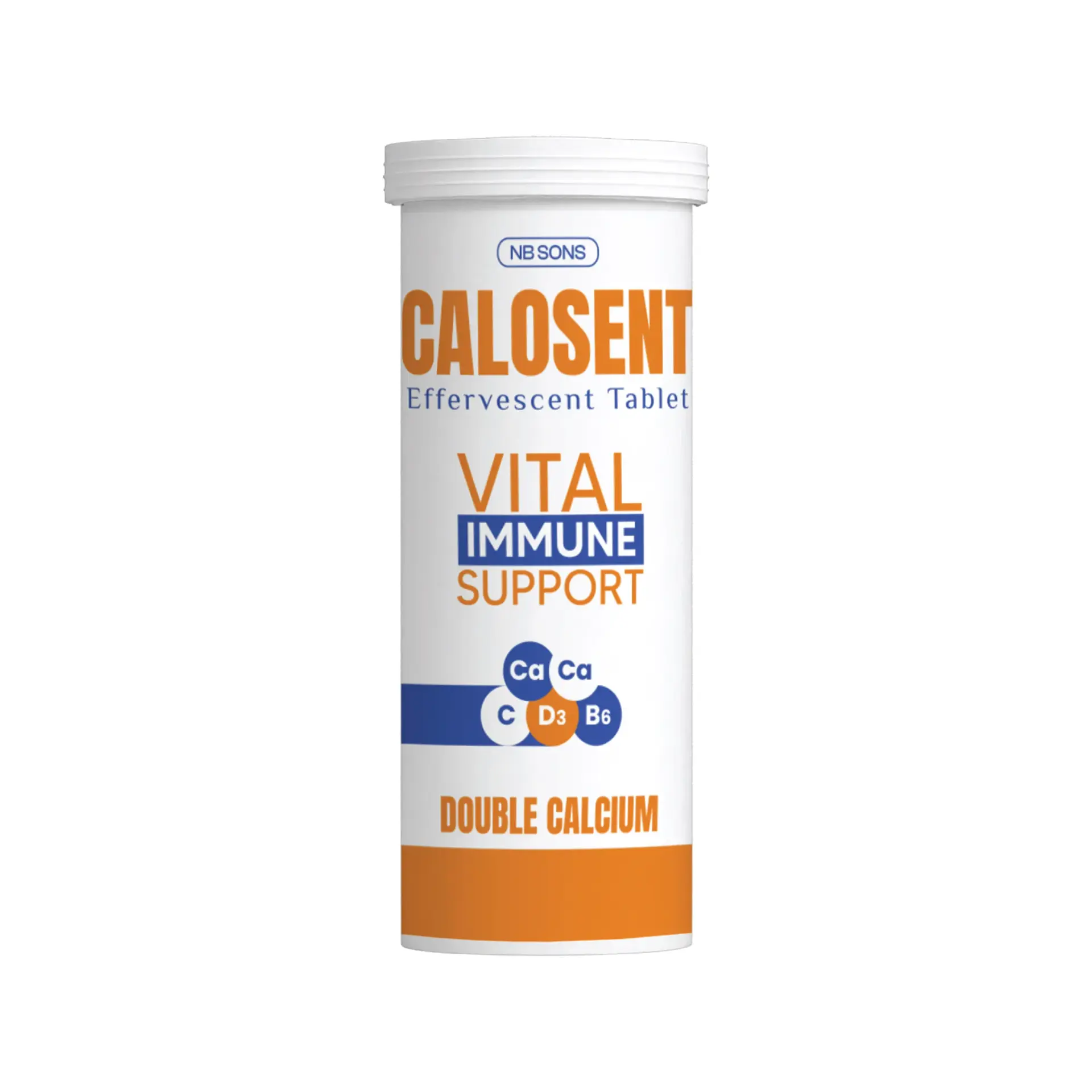
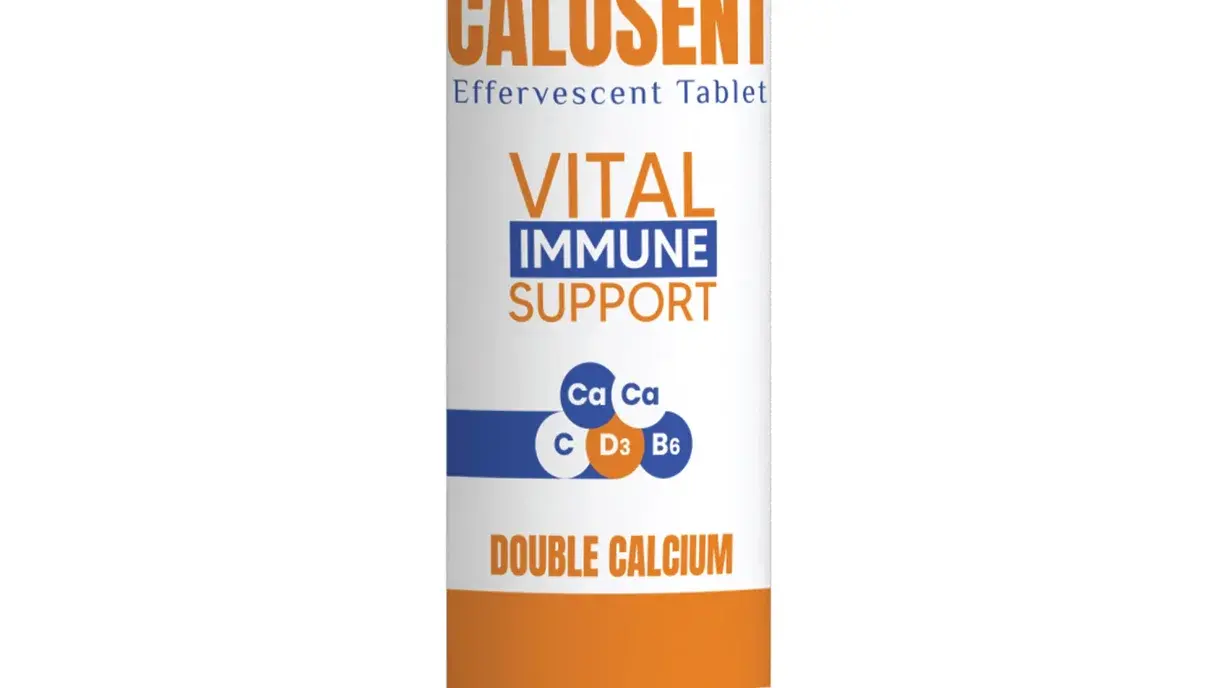
- Calosent Effervescent Calcium, Rs 350, the closest swap if you want to keep the fizzy glass
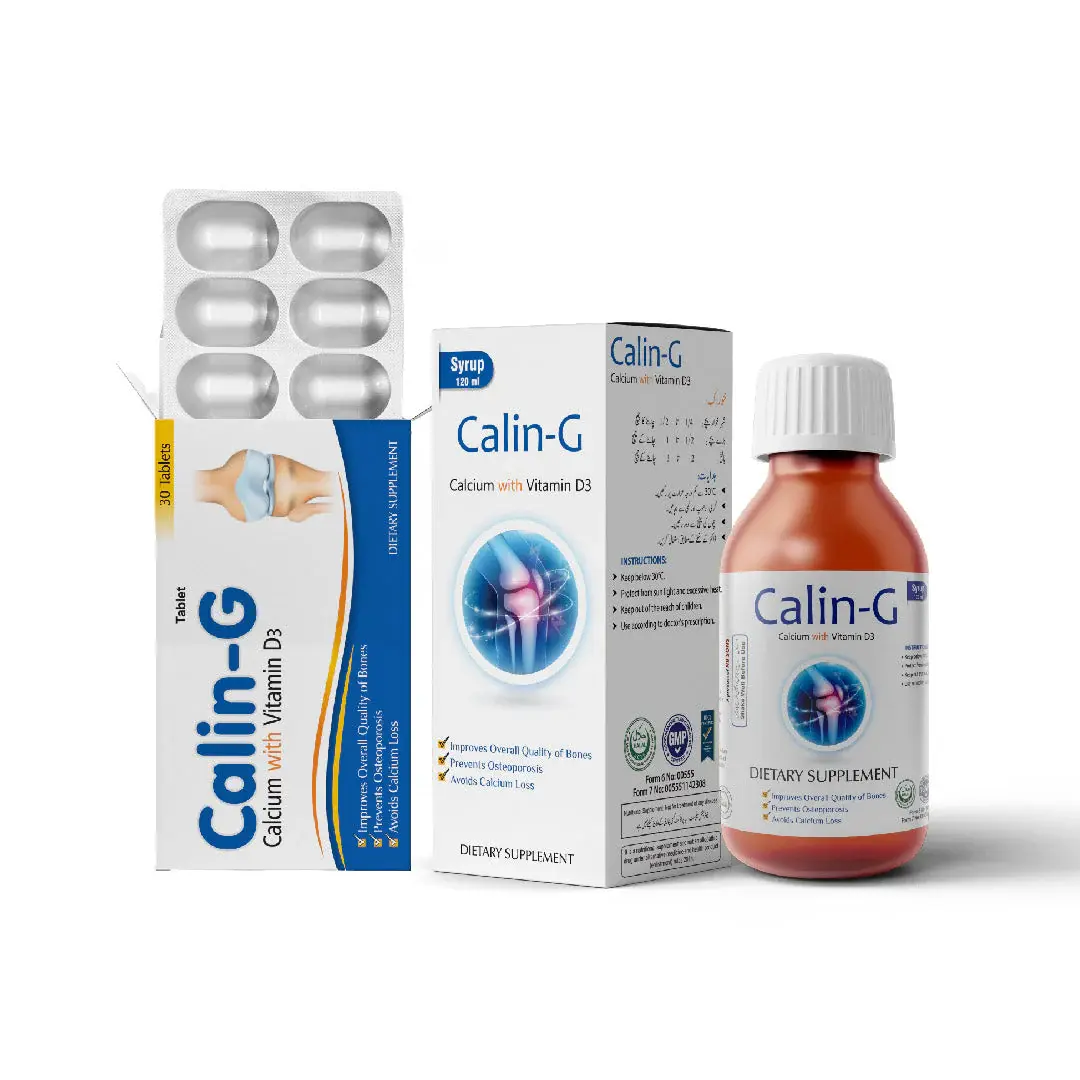
- Calin-G Calcium + Vitamin D3, Rs 420, the plain swallowed tablet, calcium carbonate 500 mg with D3 400 IU
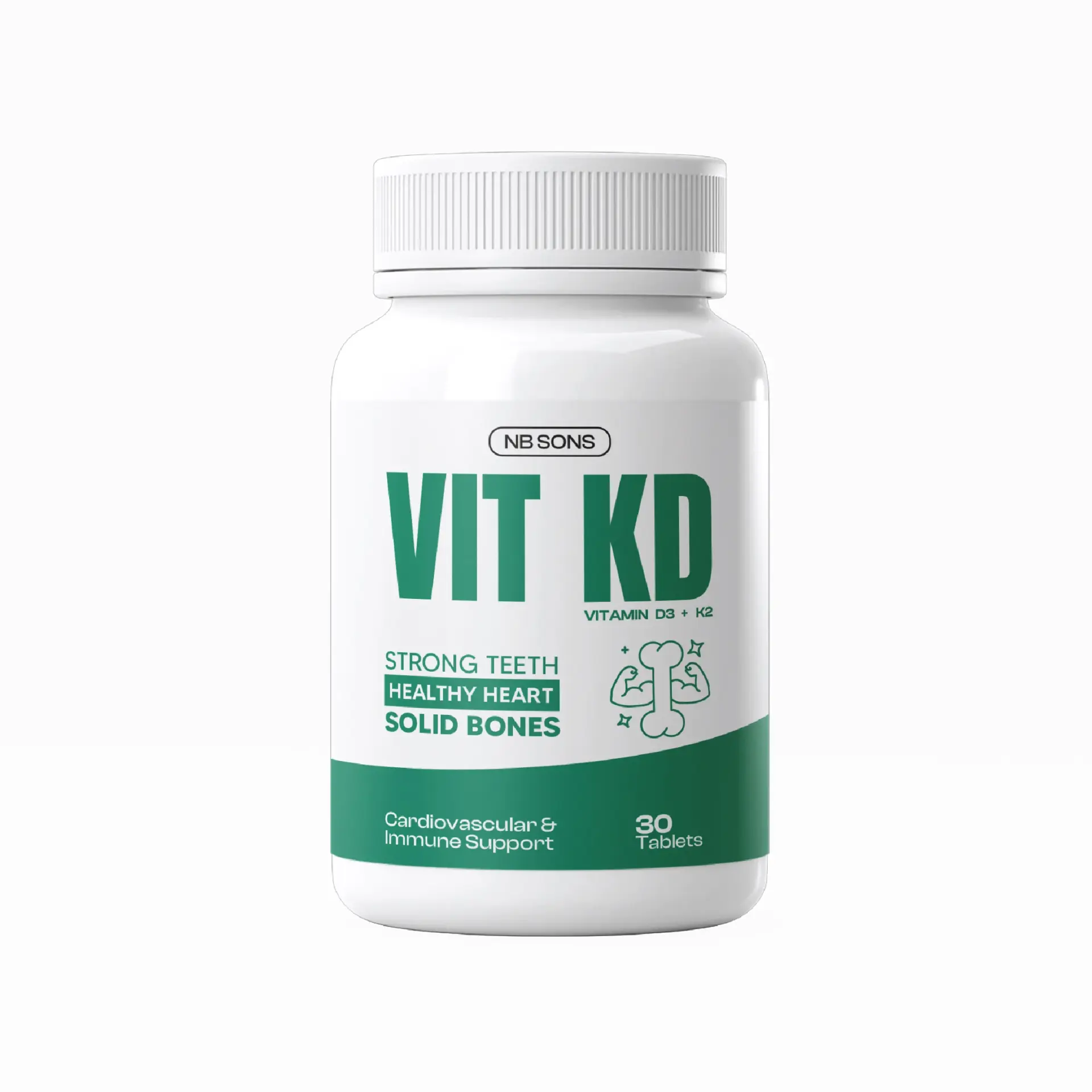
- Vit KD, D3 10,000 IU with K2, Rs 870, for a diagnosed vitamin D deficiency, at the dose your doctor sets
- Strong Bones & Joint Health Combo, Rs 3,586, calcium, vitamin D3 and K2, magnesium and joint support in one pack
What is actually in CAC-1000 Plus
CAC-1000 Plus is an effervescent calcium supplement made by GSK/Haleon, sold in tubes of 10 and 20 tablets in orange, cola, lemon and a sugar-free mango flavour. The label lists, per tablet:
| Ingredient | Amount per tablet | What it is there for |
|---|---|---|
| Calcium lactate gluconate | 1000 mg | The main calcium salt, dissolves readily in water |
| Calcium carbonate | 327 mg | A second, cheaper calcium salt |
| Vitamin C | 500 mg | Immunity and antioxidant support |
| Vitamin D3 | 400 IU | Helps the gut absorb the calcium |
| Vitamin B6 | 10 mg | Energy metabolism |
One thing worth understanding: the "1000" in the name refers to 1000 mg of calcium lactate gluconate, which is a calcium salt, not 1000 mg of pure calcium. Every calcium salt is only partly calcium by weight, and the two salts here work out to roughly 260 mg of elemental calcium per tablet. An adult needs about 1,000 mg of calcium a day (1,200 mg for women over 50), so that is a useful top-up rather than an entire day's calcium in one go. This is true of every calcium product on the shelf, not a trick unique to this one, but it does mean diet still has to do most of the work.
Who actually needs it
Calcium supplements earn their money in specific situations, and doctors here prescribe CAC-1000 Plus most often for:
- Pregnancy and breastfeeding, when calcium demand jumps and the baby takes priority over the mother's bones.
- Women over 40, especially approaching menopause, when bone density starts falling faster than diet alone can defend.
- People with low-dairy diets. If your day has no milk, dahi, or cheese in it, hitting your calcium needs from roti and salan alone is hard.
- Diagnosed deficiency or weak bones, where a doctor has seen your reports and told you to supplement.
And who probably does not need it: a healthy adult who eats dairy daily. A glass of milk and a bowl of dahi cover a large share of your calcium needs for a fraction of the price, and calcium from food comes with none of the constipation that tablets can bring. If you are supplementing "just in case", that money often does more good elsewhere.
The vitamin D problem nobody mentions at the counter
Calcium cannot enter your bones without vitamin D, and vitamin D deficiency is extremely common in Pakistan despite all our sunshine. The 400 IU of D3 in each CAC-1000 Plus tablet helps, but it is a modest amount, and people with a real deficiency are usually prescribed far more by their doctor. If you have been taking calcium for months with no improvement in bone pain or reports, unmeasured vitamin D is the usual missing piece. Get your level tested before buying a third tube. Our guide to vitamin D tablets in Pakistan explains doses and testing, and for prescribed high-dose support a product like Vit KD (vitamin D3 10,000 IU with K2 as MK-7 180 mcg, Rs 870) exists, though that strength is a doctor's call, not a daily default.
CAC-1000 Plus price in Pakistan (2026)
Prices have crept up like everything else. These pack prices were checked in August 2026 at pharmacies that deliver nationwide, so read them as a guide rather than a quote: pharmacies move their prices, and several of them discount off the pack price (Dvago was showing the 20-tablet tube nearer Rs 560 on the same check).
| Pack | Where | Price (PKR) |
|---|---|---|
| 10 tablets (cola) | MeriPharmacy | Rs 270 |
| 10 tablets (orange) | Springs Pharmacy | Rs 303 |
| 20 tablets (orange) | Dvago | Rs 656 |
So budget roughly Rs 27 to Rs 33 per tablet depending on pack and store. A tablet a day means around Rs 800 to Rs 1,000 a month, which is real money over a year of use. That is exactly why it is worth knowing your options.
Cheaper ways to get the same job done
Food first. Milk, dahi, lassi, cheese, til (sesame), and saag are the honest foundations. At current rates a glass of milk still costs less than a CAC-1000 tablet and brings protein along with the calcium.
Plain calcium plus D tablets. Ordinary swallowed tablets usually cost less per dose than an effervescent, because the fizz is a convenience you pay for and not a medical upgrade. Calin-G is the plain version of the same job, calcium carbonate 500 mg with vitamin D3 400 IU per tablet at Rs 420 a pack, and it is worth dividing any pack price by its tablet count before you decide. What matters more than format is taking calcium correctly, and our guide to how much calcium you need and the best time to take it covers the timing rules that make any tablet work better.
Local effervescent alternatives. If you specifically like the fizzy glass (many people take it more consistently, which counts), Pakistani-made effervescents cover the same routine. Calosent, Rs 350 a pack, is an effervescent calcium tablet with vitamin D3, vitamin C and B6: drop one in a glass of water, let it dissolve, drink it after a meal. The full composition is printed on its pack, so compare that with the CAC-1000 Plus label above and with the tablet count before you switch. It is delivered anywhere in Pakistan with cash on delivery.
How to take it properly
Dissolve one tablet fully in a glass of water and drink it with a meal, as the pack directs. Beyond that, three rules save people the most trouble:
- Keep calcium and iron apart. Calcium blocks iron absorption, so if you also take an iron tablet (as many Pakistani women do), put them at opposite ends of the day.
- Do not double-dose. More is not better with calcium; excess just risks constipation, gas and, over long periods, kidney stones. One tablet daily unless your doctor says otherwise.
- Kidney patients, ask first. Anyone with kidney disease, a history of kidney stones, or a heart condition should clear any calcium supplement with their doctor or pharmacist before starting.
Common minor side effects are burping, bloating and mild constipation, usually settling if you take the tablet with food and enough water.
Frequently asked questions
What is the price of CAC-1000 Plus in Pakistan?
Checked in August 2026 at pharmacies that deliver nationwide, a 10-tablet tube ran about Rs 270 to Rs 303 and a 20-tablet tube about Rs 656, varying by flavour and pharmacy, which is roughly Rs 27 to Rs 33 a tablet. Pharmacy prices move and some stores discount off the pack price, so confirm at the counter before you commit to a year of it.
Can I take CAC-1000 Plus every day?
One tablet daily with a meal is the standard use printed on the pack, and many people take it daily for months on a doctor's advice. Long-term daily use without any medical reason is not automatic, so if nobody has ever checked your calcium or vitamin D status, do that first.
Is CAC-1000 Plus good in pregnancy?
Calcium needs rise in pregnancy and doctors here commonly prescribe a calcium supplement, often this one. Take it as your own doctor advises, and keep it separate from your iron tablet during the day so both absorb properly.
Does CAC-1000 increase height?
No. Once growth plates close after the teenage years, no calcium product adds height. In growing children, calcium supports normal bone development, but it does not push anyone beyond the height their genetics set.
What are the side effects of CAC-1000 Plus?
The common ones are burping, bloating, gas and constipation. Taking it with food and plenty of water helps. People with kidney disease or previous kidney stones should not use it without asking a doctor.
Is there a cheaper alternative to CAC-1000 Plus?
Dairy remains the cheapest calcium of all. After that, a plain swallowed tablet such as Calin-G (calcium carbonate 500 mg with vitamin D3 400 IU, Rs 420) does the same everyday job without paying for the fizz, and if the fizzy glass is what keeps you consistent, Calosent is an effervescent calcium with D3, C and B6 at Rs 350. Divide any pack price by its tablet count before you decide, because tube prices on their own tell you very little.
This article is for education and does not replace medical advice. Speak to a doctor or pharmacist about your own situation.
If you are buying calcium for the long run, price the whole month rather than the tube, and check the tablet count on anything you compare. Calin-G covers the plain calcium and D3 job, Calosent keeps the fizzy glass if that is what makes you take it daily, and the rest of the range sits on our bone and joint page. Cash on delivery across Pakistan, and delivery is free on orders over Rs 5,000 in Punjab.
Liked this one? Get the next in your inbox.
One fortnightly note from the editors, new pieces, restocks, and the routines we're actually using. Unsubscribe any time.