Calcium Supplements: How Much You Need and the Best Time to Take Them
How much calcium you need a day and the best time to take calcium tablets, why vitamin D matters, and why calcium and iron should never be taken together.
Did you know that your bones are not "finished" in childhood, you keep remodelling them your whole life, and calcium is the raw material? Getting enough matters at every age, but especially for women after 40 and anyone who does not eat much dairy. The catch: how and when you take calcium changes how much your body actually uses.
This guide covers how much calcium you need a day, the best time to take calcium tablets, why vitamin D is part of the picture, and the common mistakes (like taking calcium with iron) that waste it.
Why calcium matters
About 99% of your body's calcium is stored in your bones and teeth, giving them strength. The rest does essential jobs, muscle contraction, nerve signalling and blood clotting. If you do not get enough from food, your body quietly borrows calcium from your bones, which over years weakens them and raises the risk of osteoporosis and fractures, particularly in women after menopause.
How much calcium do you need a day?
As a general guide for adults, aim for roughly 1000 mg of calcium a day, rising to about 1200 mg for women over 50 and adults over 70. Teenagers need more during growth. Most of this can, and ideally should, come from food; a supplement is there to fill the gap, not replace a balanced diet.
The best time to take calcium tablets
A few simple rules get you the most from a calcium supplement:
- Take it with food. Calcium (especially calcium carbonate) is absorbed better with a meal.
- Split larger doses. Your body absorbs calcium best in amounts of 500 mg or less at a time. If you need 1000 mg from supplements, take it as two smaller doses rather than one big one.
- Morning or night is fine, whichever helps you stay consistent. Some people find taking it in the evening with dinner easy to remember. What matters most is regularity and splitting the dose.
Calcium needs vitamin D
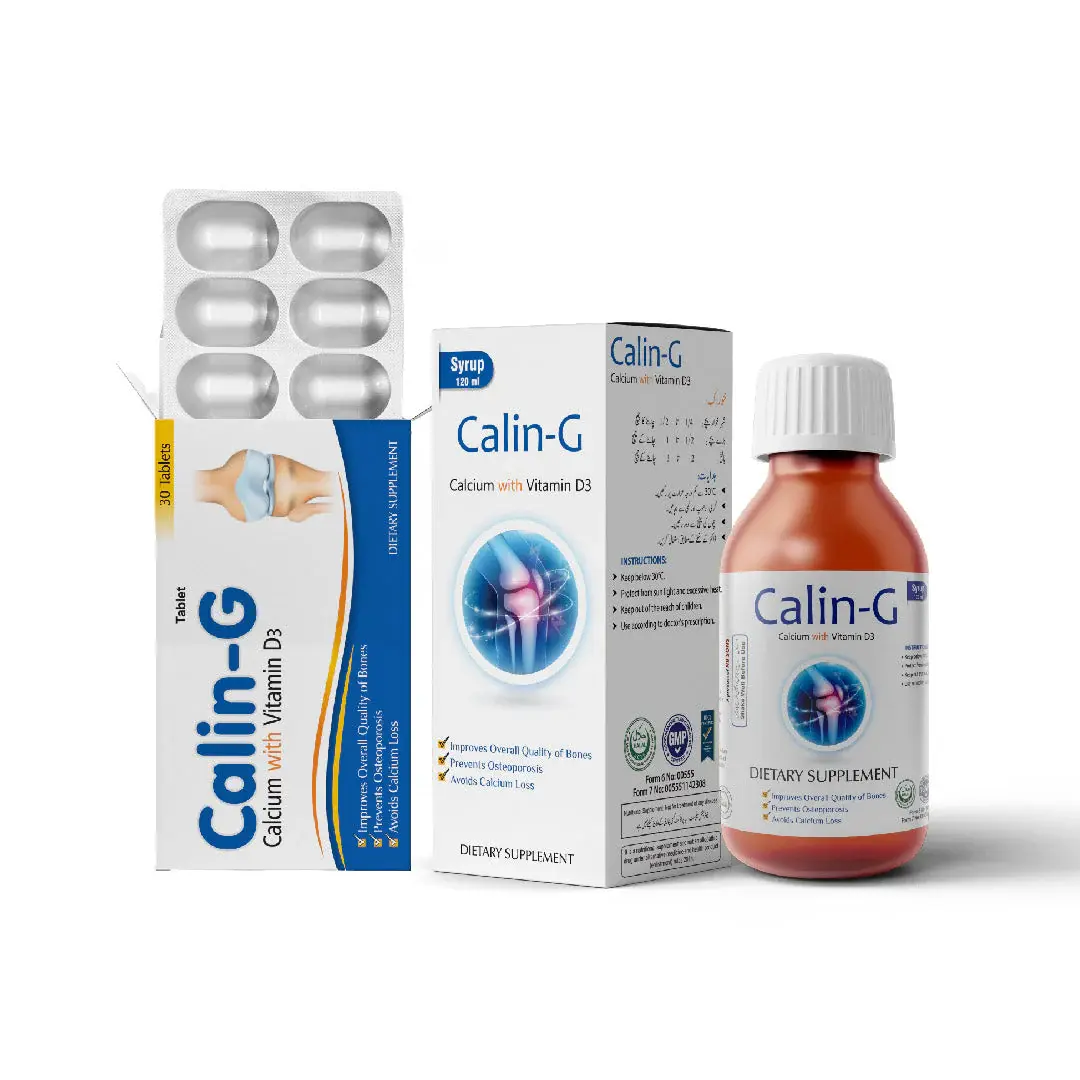
This is the step people miss: your body cannot absorb calcium well without vitamin D. Vitamin D deficiency is very common in Pakistan despite the sunshine, because of indoor lifestyles and covered clothing, so pairing the two makes sense. This is why combined supplements like CALIN-G Calcium + Vitamin D3 are popular, they cover both in one tablet. You can see the full range on the Wellness & Supplements page.
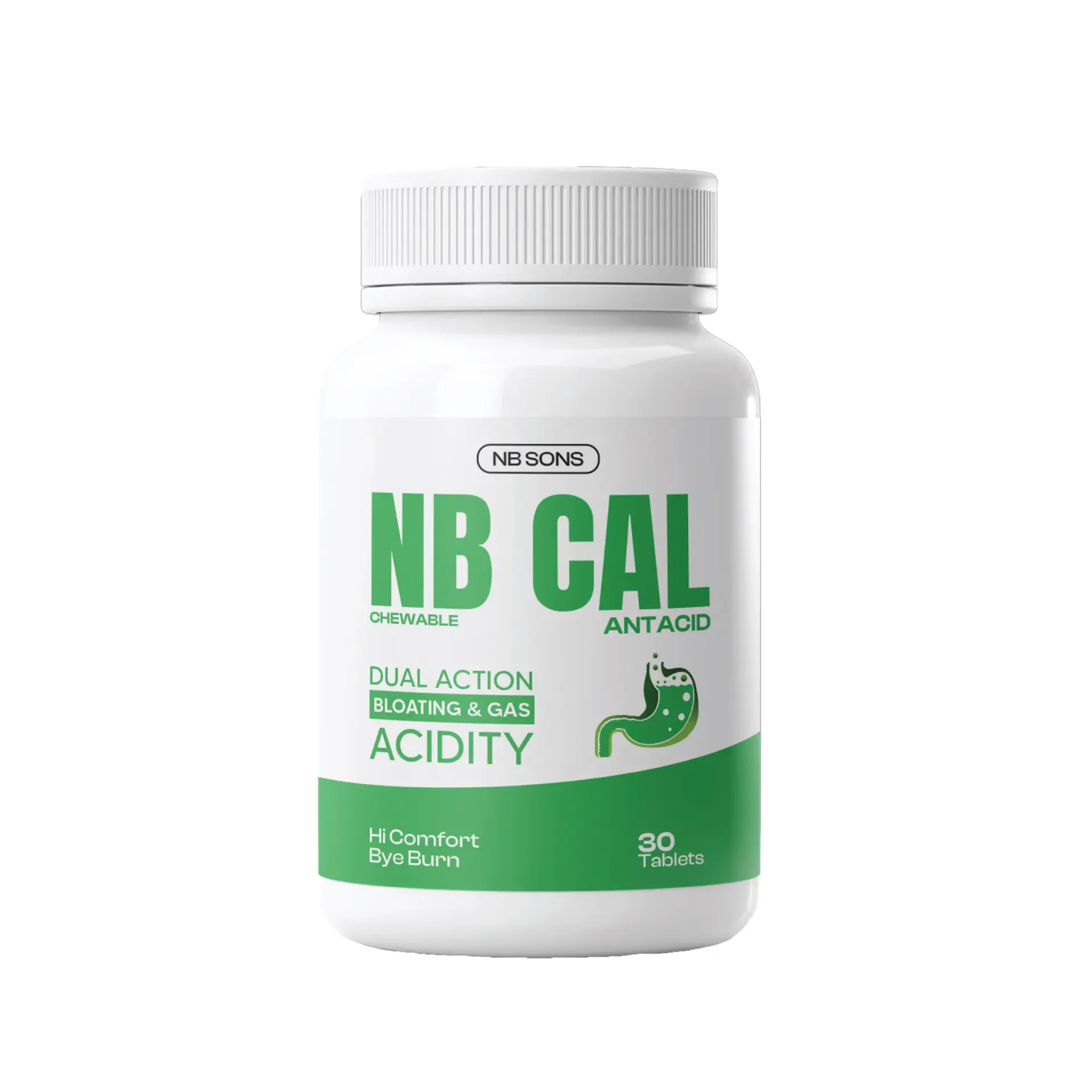
(Note: a product like NB CAL is a calcium-based antacid for acidity and gas, a different job. For bone health, choose a calcium supplement designed for it, ideally with vitamin D.)
Do not take calcium and iron together
Calcium and iron compete for absorption, so taken at the same time each blocks the other. If you take both, separate them by at least two hours, for example iron earlier in the day and calcium with your evening meal. The same goes for taking calcium with an iron-rich meal. (If you are also low on iron, see our guide on iron deficiency.)
Food sources of calcium
- Dairy: milk, yoghurt (dahi), cheese, paneer, the richest everyday sources.
- Non-dairy: sesame seeds (til), almonds, leafy greens, and fish eaten with soft bones.
- Fortified foods: some cereals and plant milks have calcium added.
One glass of milk provides roughly 300 mg, so a couple of servings of dairy a day covers a large part of your needs.
Who should consider a supplement?
Consider a calcium (with vitamin D) supplement if you eat little or no dairy, are a woman around or past menopause, are older, or have been told your bone density is low. If you already get plenty of calcium from food, more is not better, extremely high intakes offer no extra benefit and can cause problems, so aim to meet the target, not exceed it.
This article was written and medically reviewed to our medical review board standards and is for general guidance, not personal medical advice. Always speak to a doctor or pharmacist about your own situation.
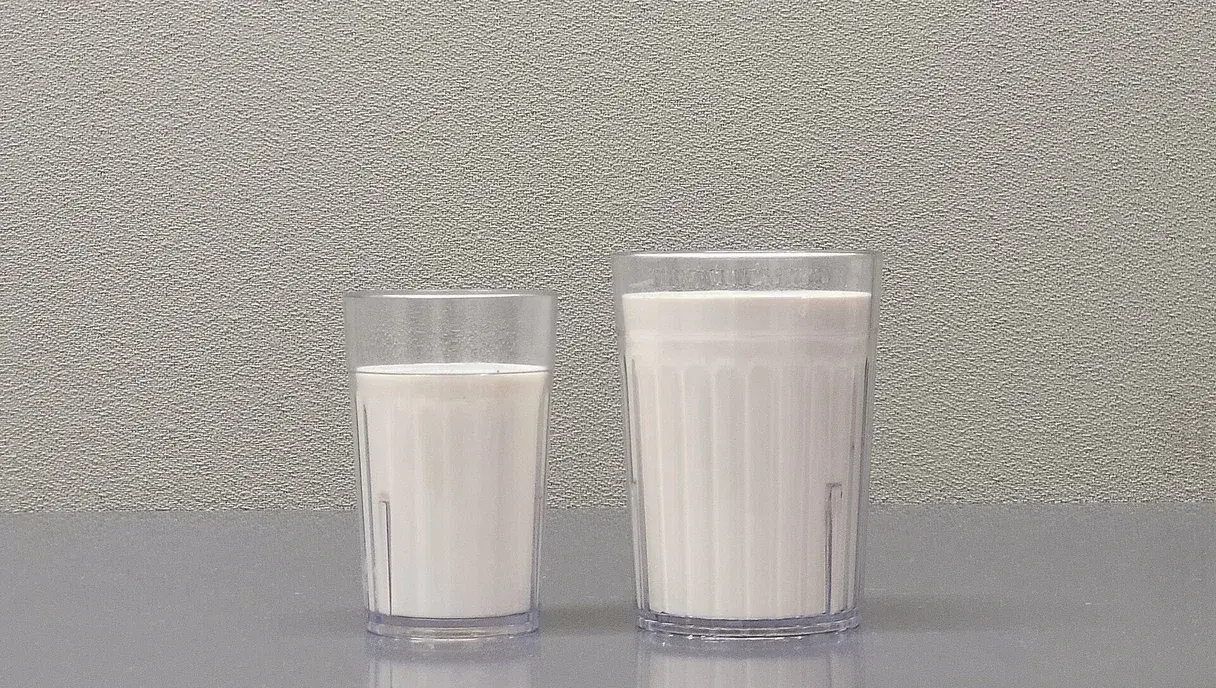
Hero photo: Two glasses of milk by Alabama Extension, via Wikimedia Commons, CC0 1.0.
Frequently asked questions
When is the best time to take calcium, morning or night?
Either works, take it with a meal and split doses above 500 mg. Consistency matters more than the exact time. Many people find taking it with dinner easiest to remember.
Can I take calcium and iron together?
Best not to, they block each other's absorption. Separate them by at least two hours.
How can I increase calcium in my body naturally?
Eat more dairy (milk, yoghurt, cheese), sesame seeds, almonds and leafy greens, and make sure your vitamin D is adequate so you absorb what you eat. A supplement fills any remaining gap.
Do I need vitamin D with calcium?
Yes, vitamin D is needed to absorb calcium properly, and deficiency is common in Pakistan. A combined calcium + vitamin D3 supplement is a convenient way to cover both.
Can you take too much calcium?
Yes. Very high intakes give no extra benefit and can cause side effects like constipation and, rarely, kidney stones. Aim for the recommended daily amount rather than more.
Is there a local alternative to Osteocare or Caltrate?
Imported calcium + vitamin D3 brands like these are built around the same two nutrients discussed in this guide. Locally made CALIN-G covers that same calcium-plus-D3 combination, is consistently in stock, and is priced without an import markup.
Liked this one? Get the next in your inbox.
One fortnightly note from the editors, new pieces, restocks, and the routines we're actually using. Unsubscribe any time.