Iron Deficiency in Pakistan: Signs, Causes and How to Fix It
Iron deficiency in Pakistan: signs like fatigue and hair loss, what causes it, iron-rich foods that help, and how to take an iron supplement so it works.
Did you know that iron deficiency is the most common nutritional deficiency in the world, and that it is especially common among women and children in Pakistan? If you feel tired no matter how much you sleep, notice more hair in your brush, or get breathless on the stairs, low iron is one of the first things worth checking.
This guide explains what iron deficiency is, the signs and symptoms, what causes it, the iron-rich foods that help, and, importantly, how to take an iron supplement so it actually works.
What is iron deficiency?
Iron is the mineral your body uses to make haemoglobin, the part of red blood cells that carries oxygen from your lungs to the rest of your body. When iron runs low, you make fewer healthy red blood cells and less oxygen reaches your muscles and brain, which is why the classic symptom is simply feeling exhausted.
Low iron happens in stages. First your body quietly uses up its stored iron (measured as ferritin). If it keeps dropping, haemoglobin falls too, and that is iron deficiency anaemia, the more advanced stage. You can be low on iron and feel unwell well before a report says you are "anaemic".
Signs and symptoms of iron deficiency
- Constant tiredness and low energy, the most common sign, even with enough sleep.
- Hair fall. Low iron (low ferritin) is a well-recognised contributor to increased shedding.
- Pale skin, lips and inner eyelids.
- Breathlessness and a racing heart on mild exertion like climbing stairs.
- Brittle nails, headaches, and poor concentration.
- Unusual cravings for ice or non-food items (a symptom called pica).
- Feeling cold in the hands and feet.
What causes iron deficiency?
- Not enough iron in the diet. Common where meat is eaten less often and meals lean on tea and refined carbohydrates.
- Blood loss. Heavy monthly periods are a leading cause in women; digestive causes matter too and should be checked by a doctor.
- Pregnancy. Iron needs rise sharply, which is why doctors monitor it closely in pregnancy.
- Poor absorption. Some gut conditions reduce how much iron you take in, and drinking tea with meals lowers absorption.
- Growth spurts in babies and teenagers.
Iron-rich foods that help
Food is the foundation. There are two types of dietary iron:
- Animal sources (best absorbed): red meat, liver, chicken, fish and eggs.
- Plant sources: lentils and beans (daal, chana), spinach and dark leafy greens, dried apricots and dates, and fortified cereals.
Two simple tricks make a big difference: pair iron with vitamin C (a squeeze of lemon, or fruit) to boost absorption, and avoid tea and coffee with your iron-rich meals, as they block absorption. Keep dairy and calcium supplements at a different time too.
Iron supplements: how to take them so they work
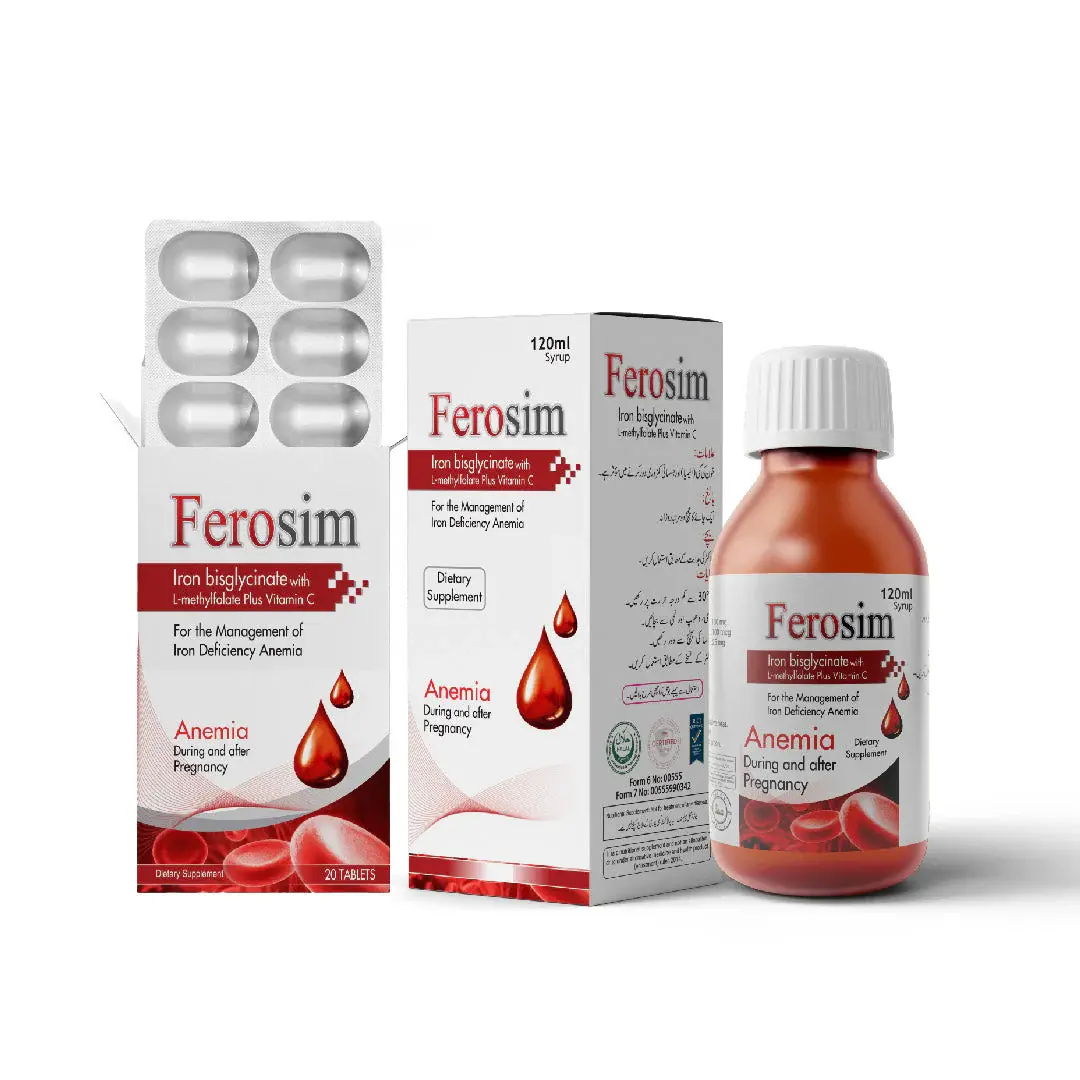
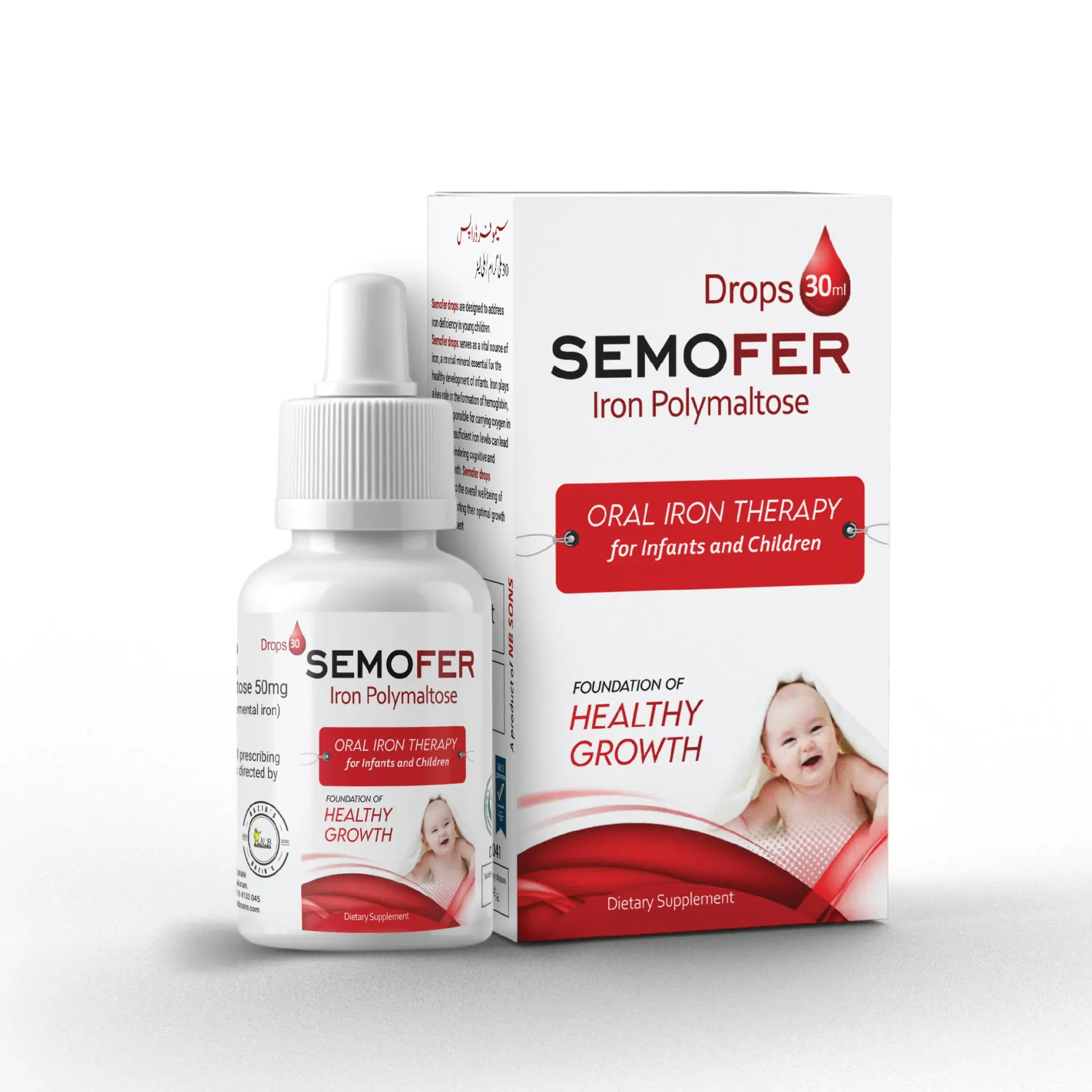
When diet alone is not enough, or a blood test shows your stores are low, an iron supplement is the usual next step. At Yellow Pink, Ferosim iron supplement and syrup is a straightforward option for adults and older children, and Semofer iron drops are made for young kids. You can see the wider range on the Wellness & Supplements page.
To get the most from any iron supplement:
- Take it with vitamin C (a glass of orange juice or with a vitamin C tablet) to improve absorption.
- Keep it away from tea, coffee, milk and calcium supplements by a couple of hours.
- Be patient. Energy often improves within a few weeks, but refilling iron stores usually takes about 3 months of consistent use, so do not stop early.
- Expect darker stools (harmless). If it upsets your stomach, taking it with a little food or on alternate days can help, ask your pharmacist.
Do not take high-dose iron long-term "just in case", too much iron is not good for you. Supplement to correct a genuine deficiency, ideally guided by a test.
When to see a doctor
See a doctor if you have ongoing tiredness, breathlessness, noticeable hair fall, or very heavy periods. A simple CBC (blood count) and a ferritin test show whether iron is the problem and how low your stores are, both are affordable and widely available in Pakistan. It matters because iron deficiency is a symptom of something, and the cause (such as heavy periods or a digestive issue) sometimes needs treating too.
Read next: Ferritin Test in Pakistan and Best Iron Supplements in Pakistan.
This article was written and medically reviewed to our medical review board standards and is for general guidance, not personal medical advice. Always speak to a doctor or pharmacist about your own situation.
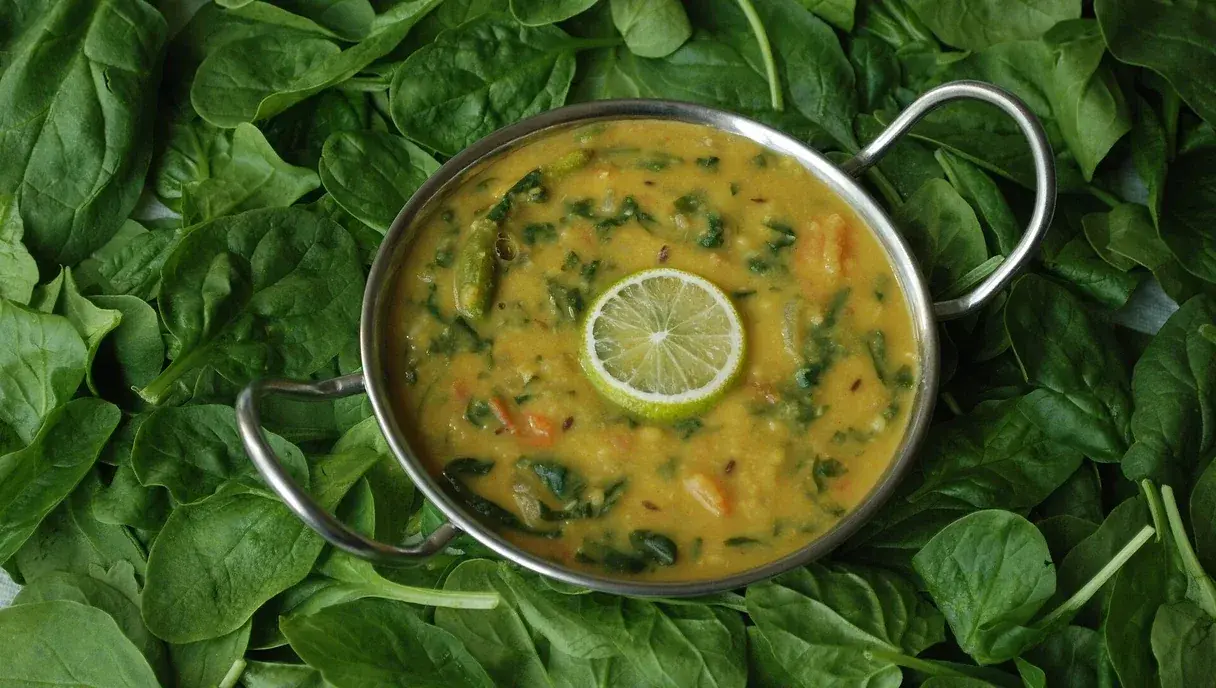
Hero photo: Dal palak (spinach and lentil curry) by Yummy O Yummy, via Wikimedia Commons, CC BY 2.0.
Frequently asked questions
Can iron deficiency cause hair loss?
Yes. Low iron stores (ferritin) are a recognised contributor to increased hair shedding. Correcting the deficiency often helps shedding settle over a few months, alongside gentle hair care.
How long does it take to recover from iron deficiency?
Many people feel more energetic within 2–4 weeks of starting iron, but fully refilling your iron stores usually takes around 3 months of consistent supplementation. A repeat test confirms when you can stop.
What are the stages of iron deficiency?
Broadly: first your stored iron (ferritin) drops, then the iron available for making red cells falls, and finally haemoglobin drops, which is iron deficiency anaemia. You can feel symptoms in the earlier stages, before anaemia shows.
Can I just eat more spinach instead of taking iron?
Diet helps and should always be part of the plan, but plant iron is less well absorbed and food alone often cannot correct an established deficiency quickly. Pair iron foods with vitamin C, and use a supplement if your levels are low.
What blocks iron absorption?
Tea and coffee, calcium and dairy, and some medicines reduce iron absorption. Take iron away from these, and with vitamin C, for the best result.
Liked this one? Get the next in your inbox.
One fortnightly note from the editors, new pieces, restocks, and the routines we're actually using. Unsubscribe any time.