Knee Pain & Osteoarthritis: Causes and Treatment in Pakistan (2026)
Knee pain is one of the most common joint complaints in Pakistan. The real causes, how osteoarthritis differs from RA, and affordable treatment that helps.
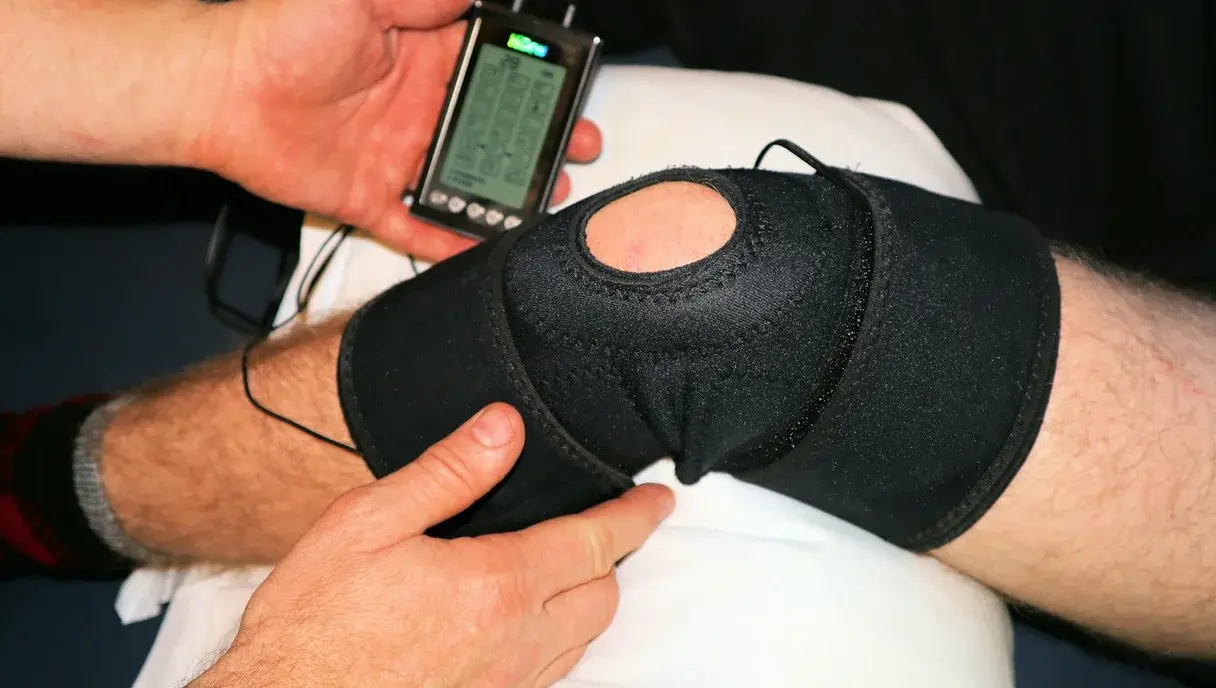
Knee pain sends more people to Pakistani clinics than almost any other joint complaint, and the World Health Organization lists osteoarthritis as one of the leading causes of disability worldwide. If your knees ache on stairs, after namaz, or when you get up from the floor, you are far from alone. The good news is that most knee pain has clear causes and several effective ways to manage it.
What is causing your knee pain?
Knee pain rarely comes from one single thing. It usually builds up from a mix of wear, weight, old injuries and daily habits.
- Osteoarthritis. The cartilage that cushions your knee joint thins out over time. Bone can start rubbing on bone, which causes stiffness and pain.
- Excess body weight. Every extra kilogram adds several kilograms of pressure on the knee with each step. This is one of the strongest, most modifiable risk factors.
- Old injuries. A past ligament tear, meniscus injury or fracture can lead to pain years later, even after it has "healed".
- Sitting on the floor or squatting often. Cross-legged sitting, floor prayer and squatting toilets are part of daily life in Pakistan. They bend the knee deeply and can aggravate existing wear.
- Rheumatoid arthritis. This is an autoimmune condition, different from osteoarthritis. It causes swelling, warmth and morning stiffness lasting over an hour, often in both knees at once.
- Vitamin D and calcium gaps. Low vitamin D is common in Pakistan because of limited sun exposure and covered clothing. It can weaken bone and worsen joint discomfort. Read more in our guide to vitamin D deficiency in Pakistan.
Knee pain often overlaps with general back pain, and many people managing one also notice the other.
Osteoarthritis vs rheumatoid arthritis, what is the difference?
These two are often confused, but they need different approaches.
| Feature | Osteoarthritis | Rheumatoid arthritis |
|---|---|---|
| Cause | Mechanical wear of cartilage | Autoimmune attack on joint lining |
| Typical age | Usually over 45 | Can start at any age |
| Pattern | Often one knee, worsens with use | Often both knees, worse in the morning |
| Morning stiffness | Under 30 minutes | Often over 60 minutes |
| Swelling | Mild, mechanical | Warm, visibly swollen joints |
If you notice the rheumatoid pattern, please see a rheumatologist. This article focuses on osteoarthritis and general mechanical knee pain, which is the more common cause by far.
Symptoms that point to osteoarthritis
Knee osteoarthritis tends to build up slowly rather than appearing overnight.
- A dull, aching pain that gets worse with activity and eases with rest
- Stiffness after sitting for a while, which loosens up after a few minutes of movement
- A grinding or clicking sensation when you bend or straighten the knee
- Mild swelling around the joint after a long day
- Reduced range of motion, struggling to fully bend or straighten the leg
According to the NHS, these symptoms often come and go, sometimes flaring for a few weeks and then settling down. That on and off pattern is itself a useful clue.
Knee pain treatment options in Pakistan
Treatment usually combines several approaches rather than relying on one fix.
Lifestyle and movement
Gentle, regular movement keeps the joint nourished. Walking, swimming and cycling put less stress on the knee than running or deep squats. Losing even five to ten percent of body weight can meaningfully reduce knee load and pain.
Physiotherapy
Strengthening the muscles around the knee, especially the quadriceps, helps support the joint and reduces pain over time. A physiotherapist can build a programme suited to your knee's condition.
Topical pain relief
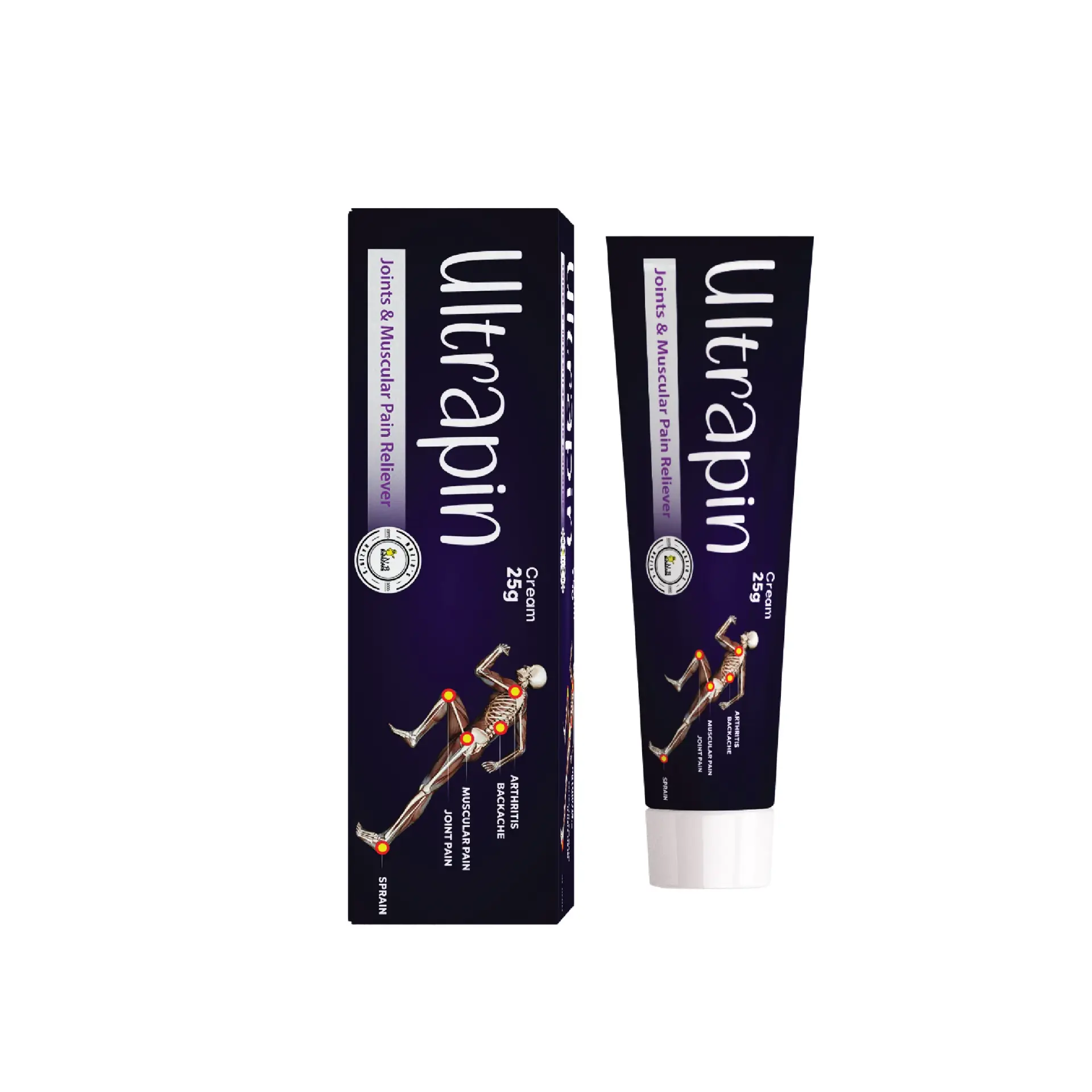
For flare-ups, a cooling topical cream applied directly to the joint can ease discomfort without the stomach load of oral painkillers. Ultrapin combines menthol and camphor for fast, localised relief you can use up to three times a day.
Joint support supplements
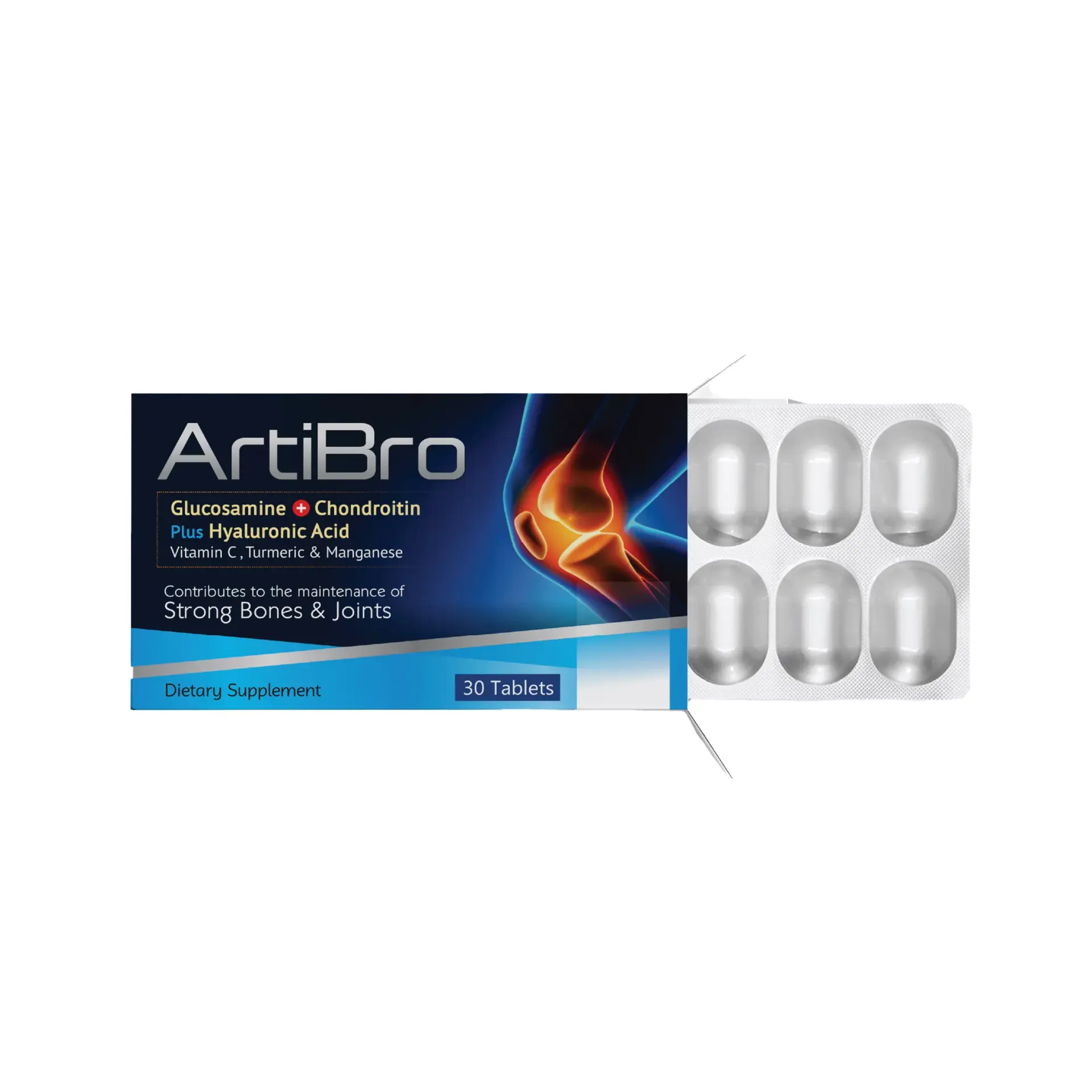
Glucosamine and chondroitin are the building blocks of cartilage. ArtiBro combines glucosamine sulphate and chondroitin sulphate with turmeric, hyaluronic acid and vitamin C, a daily-comfort option many people use for joint mobility. Results build gradually, so it needs several weeks of consistent use, not a single dose. For a more general look at natural options, see our guide to joint pain relief without side effects.
Bone and nutrient support
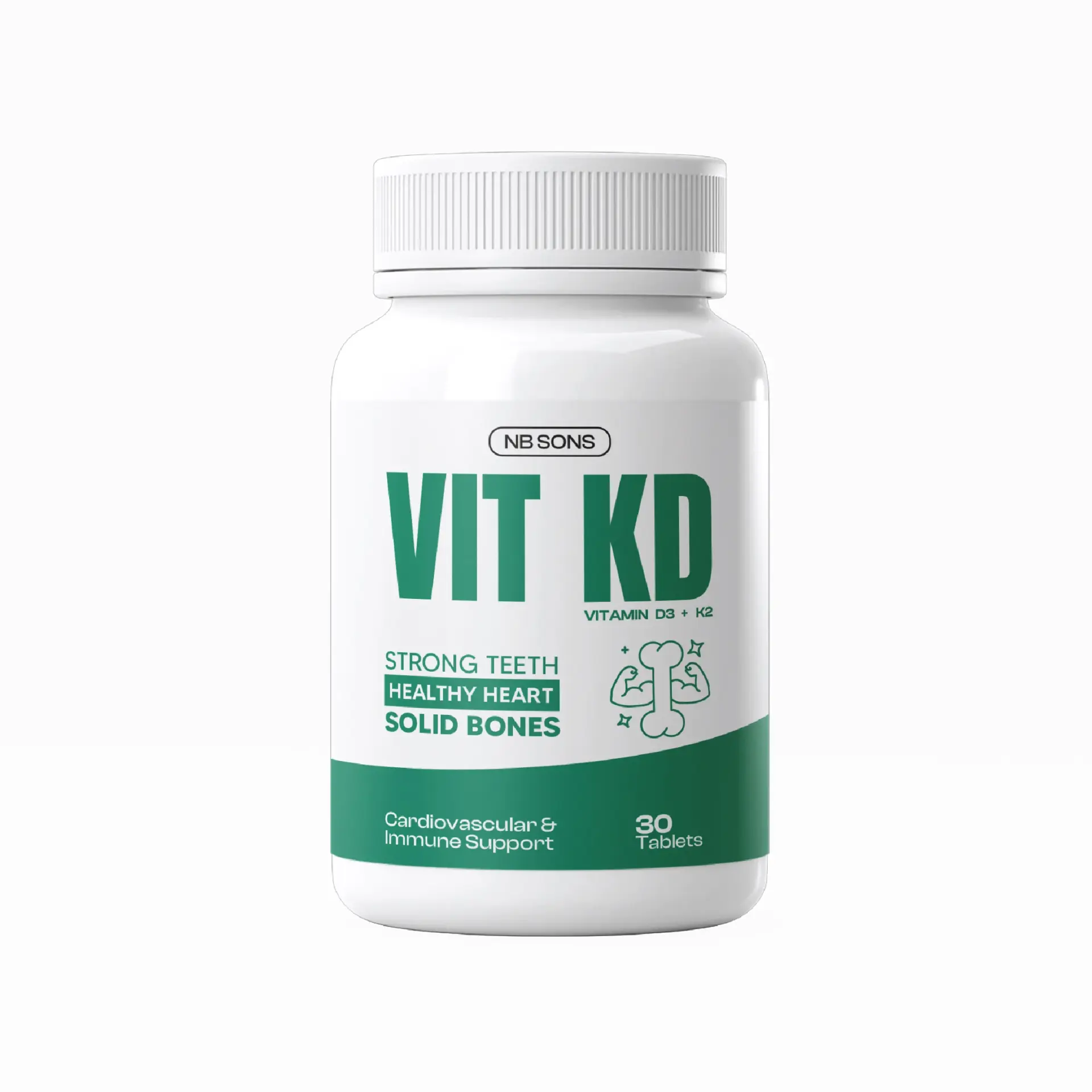
Strong bone underneath the cartilage matters too. Vit KD provides high-strength vitamin D3 with K2 to support calcium absorption and bone density, while the Calco Fit + Vit KD bundle adds magnesium glycinate for muscle and nerve function alongside it. Our calcium vs magnesium guide explains how these minerals work together for bone strength. If nerve tingling or numbness is part of your symptoms, our piece on numbness and tingling in hands and feet covers the B12 connection.
Medical treatment
For moderate to severe osteoarthritis, a doctor may suggest prescription anti-inflammatories, a knee brace, corticosteroid injections, or in advanced cases, joint replacement surgery. None of the supplements above replace this care, they sit alongside it.
Daily habits that protect your knees in Pakistan
- Use a chair instead of sitting on the floor where possible, especially if you already have knee pain
- Choose a raised toilet seat if squatting is painful
- Keep a healthy body weight, since this is the single biggest controllable factor
- Wear supportive, cushioned shoes rather than flat sandals on hard floors
- Warm up before exercise and stretch the thigh muscles regularly
- Get some sensible sun exposure or a vitamin D supplement, particularly if you wear fully covered clothing
When should you see a doctor?
Most mild knee aches settle with rest and self-care. See a doctor if you notice any of the following:
- Pain that wakes you up at night or does not ease with rest
- A swollen, hot, red knee, which can signal infection or gout (see our uric acid guide) and needs urgent review
- Sudden inability to bear weight on the leg
- Locking or giving way of the knee
- Pain that has lasted more than a few weeks despite home care
The Cleveland Clinic notes that early diagnosis allows more treatment options, so do not wait too long if pain is persistent.
Cost and access in Pakistan
Knee pain care does not have to mean an expensive private hospital visit straight away. A government or trust hospital orthopaedic clinic can diagnose mild to moderate osteoarthritis from a history and examination, sometimes with a knee X-ray.
Many people start with affordable, accessible steps before considering injections or surgery, which carry a much higher cost in PKR. These include:
- Over the counter topical creams like Ultrapin, priced under PKR 600, for flare-ups
- Daily joint supplements such as ArtiBro for ongoing cartilage and mobility support
- Free or low-cost lifestyle changes, walking, weight management and floor seating adjustments
- A basic vitamin D and calcium check, since deficiency is common and inexpensive to correct with supplements like Vit KD
Reserve injections, advanced imaging like an MRI, or joint replacement surgery for cases where a doctor has assessed the knee and conservative treatment has not been enough. Cash on delivery options for supplements across Pakistan make it easier to start consistent daily support without an upfront pharmacy visit.
This article was written and medically reviewed to our medical review board standards and is for general guidance, not personal medical advice. Always speak to a doctor or pharmacist about your own situation.
Shop ArtiBro →Frequently asked questions
Is knee pain in Pakistan mostly due to osteoarthritis?
It is one of the most common causes, especially after the age of 45, but injuries, vitamin D deficiency and rheumatoid arthritis can all cause knee pain too. A doctor can help confirm the cause if it persists.
Can glucosamine and chondroitin actually help joint pain?
Some people find they help with mild to moderate joint discomfort over several weeks of regular use, though research results vary between individuals. They are generally considered safe for most adults, but should be used consistently rather than as a quick fix.
Does sitting cross legged or praying on the floor damage the knees?
Deep knee bending is not harmful for healthy joints, but it can aggravate pain in a knee that already has osteoarthritis or cartilage wear. Using a chair or a raised prayer stool can help if this is uncomfortable.
What is the fastest way to relieve a knee pain flare up?
Rest, a cold compress for the first day or two, and a topical cream like Ultrapin can ease acute flares. If pain is severe or swelling is significant, see a doctor rather than self-treating for long.
Is being overweight really linked to knee pain?
Yes, this is one of the strongest known links. Extra body weight multiplies the force going through the knee with every step, so even modest weight loss can meaningfully reduce pain.
How long does it take for joint supplements to work?
Most people who notice benefit from glucosamine and chondroitin supplements report it after four to eight weeks of consistent daily use, not immediately. Pair them with movement and weight management for the best results.
Can young people get osteoarthritis too?
It is more common after 45, but old sports injuries, joint surgery or being significantly overweight can bring on earlier symptoms in younger adults as well.
Liked this one? Get the next in your inbox.
One fortnightly note from the editors, new pieces, restocks, and the routines we're actually using. Unsubscribe any time.