Joint Pain Relief Without Side Effects: Natural Options
Joint pain relief without side effects: how glucosamine, turmeric, weight control and exercise can ease stiff, painful joints, explained for Pakistan.

Did you know that osteoarthritis, the most common joint disease, is estimated to affect around 30% of Pakistanis over 50? Joint pain climbs steeply after age 45. Knees that creak on stairs. Fingers that stiffen in cold Islamabad winters. Shoulders that ache after a long day. If this sounds familiar, you are not alone. And you do not need painkillers that wreck your stomach to find relief.
This guide covers natural joint pain relief in Pakistan methods backed by research, available locally, and free of the harsh side effects that come with long-term NSAID or steroid use.
Table of Contents
- Why Joint Pain Is So Common in Pakistan
- The Problem with Conventional Painkillers
- Glucosamine and Chondroitin: The Gold Standard
- Turmeric (Haldi): Pakistan’s Own Anti-Inflammatory
- Omega-3 Fatty Acids for Joint Lubrication
- Collagen: Rebuilding Cartilage from Within
- MSM and Hyaluronic Acid: Emerging Options
- Lifestyle Changes That Actually Work
- What to Look for in a Joint Supplement
- Frequently Asked Questions
Why Joint Pain Is So Common in Pakistan
Pakistan faces a perfect storm of factors that make joint problems widespread:
- Vitamin D deficiency: Despite plenty of sunshine, studies estimate 60 to 80% of Pakistanis are vitamin D deficient. Low vitamin D weakens bones and speeds up cartilage breakdown.
- Calcium-poor diets: Many Pakistani diets fall short on calcium, especially in women after menopause. Without enough calcium, the body pulls it from bones and weakens the skeleton.
- Sedentary work culture: Office jobs, long commutes, and little exercise mean joints miss the movement they need. Cartilage has no blood supply. It relies on movement to get nutrients.
- Rising obesity: Extra weight loads the weight-bearing joints. Every extra kilogram adds roughly 4 kg of force on the knees while walking.
- Hard water and mineral imbalances: Some regions have water high in fluoride or minerals, which can add to bone and joint problems over time.
The result? Osteoarthritis, the most common joint disease, affects an estimated 30% of Pakistanis over 50. Rheumatoid arthritis, an autoimmune condition, is also common, especially among women.
The Problem with Conventional Painkillers
Most people in Pakistan reach for painkillers when joints hurt. Diclofenac, ibuprofen, and naproxen, these NSAIDs (non-steroidal anti-inflammatory drugs), are sold without prescription at nearly every pharmacy. They work fast. But the cost to your body is real:
- Stomach ulcers and bleeding: NSAIDs damage the stomach lining. Long-term use causes gastric ulcers in up to 25% of regular users.
- Kidney damage: Chronic NSAID use cuts blood flow to the kidneys. Pakistan already has high rates of kidney disease, and painkillers make it worse.
- Heart risk: Some NSAIDs raise the risk of heart attack and stroke, especially in people over 60 with existing heart problems.
- They mask the problem: Painkillers ease symptoms without fixing the cause. Cartilage keeps degrading while you feel better for a while.
There is a better path. Natural options can lower inflammation, protect cartilage, and ease pain without these risks.
Glucosamine and Chondroitin: The Gold Standard
What they are: Glucosamine and chondroitin are natural compounds found in healthy cartilage. As supplements, they give your body the raw materials it needs to repair and maintain joint tissue.
How they work:
- Glucosamine boosts the making of proteoglycans and glycosaminoglycans, the building blocks of cartilage. It also has mild anti-inflammatory effects.
- Chondroitin pulls water into cartilage, keeping it elastic and able to absorb shock. It also blocks enzymes that break cartilage down.
What the research says: Several clinical trials show glucosamine sulphate (1,500 mg daily) eases osteoarthritis pain about as well as ibuprofen, but without stomach damage. A landmark 3-year study in The Lancet found glucosamine actually slowed cartilage loss, something no painkiller can do.
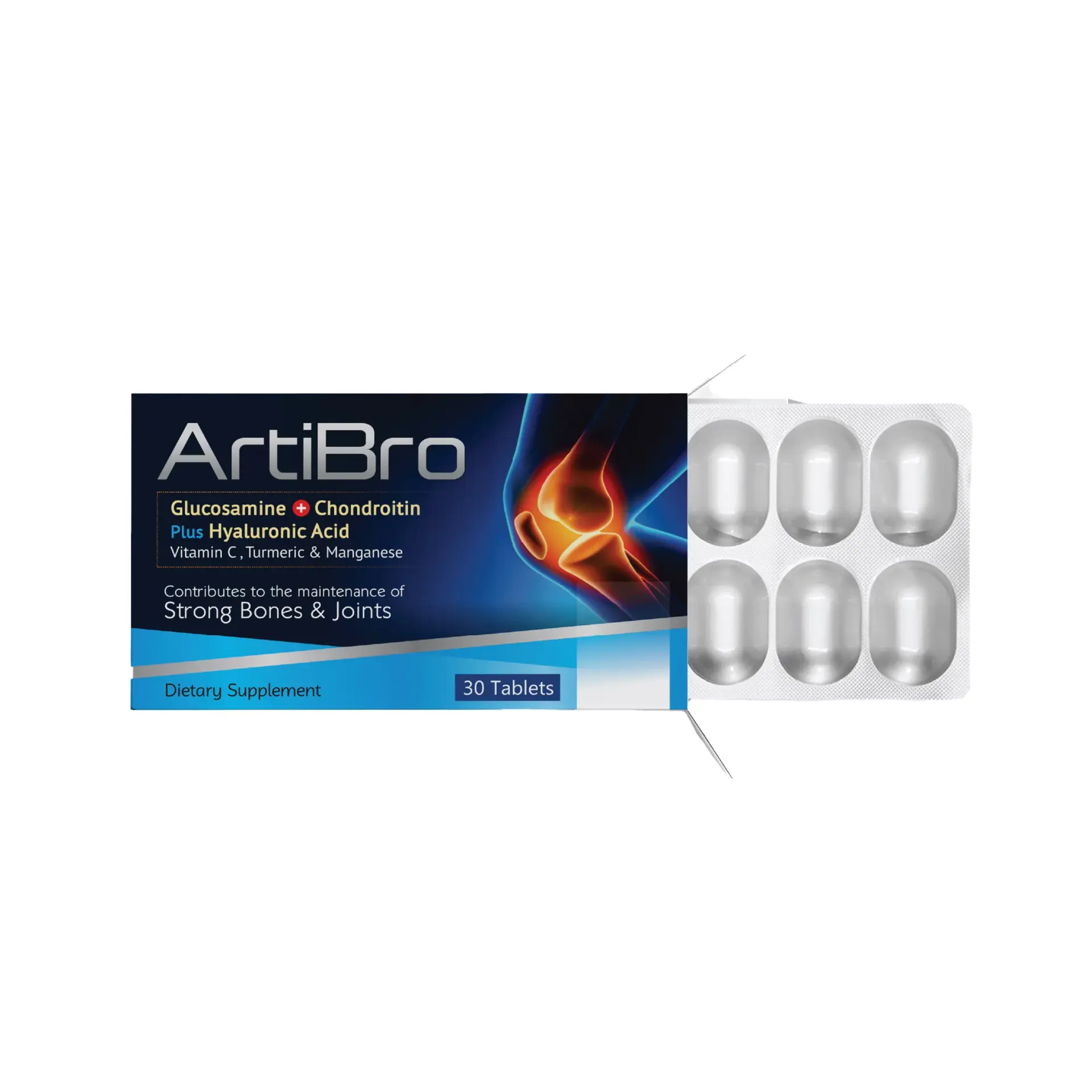
Pakistan availability: Glucosamine-chondroitin supplements are sold at pharmacies across Pakistan. Products like ArtiBro by Yellow Pink combine glucosamine with chondroitin, hyaluronic acid, turmeric, and vitamin C in one formula built for complete joint support.
Best for: Osteoarthritis (knee, hip, hand), age-related joint wear, and post-injury recovery. Results usually appear after 4 to 8 weeks of steady use.
Turmeric (Haldi): Pakistan’s Own Anti-Inflammatory
Turmeric sits in every Pakistani kitchen. It is also one of the most researched natural anti-inflammatory compounds on the planet.
The active compound: Curcumin gives turmeric its yellow colour. It is responsible for its anti-inflammatory and antioxidant effects.
How it helps joints:
- Blocks NF-kB, a molecule that switches on inflammatory genes in joint cells
- Lowers inflammatory markers (COX-2, TNF-alpha, interleukins) that cause swelling and pain
- Protects cartilage cells from oxidative damage
- May slow osteoarthritis when used consistently
The absorption problem: Raw turmeric is poorly absorbed. Only about 3% of turmeric powder is curcumin, and most passes through your gut unused. Some fixes:
- Black pepper (kali mirch): Piperine in black pepper raises curcumin absorption by up to 2,000%. A traditional haldi doodh (turmeric milk) with a pinch of black pepper is genuinely therapeutic.
- Fat-based formulas: Taking curcumin with fats (ghee, olive oil) improves absorption.
- Standardised supplements: Look for curcumin with 95% curcuminoids and added piperine for the best effect.
Dosage: 500 to 1,000 mg of standardised curcumin daily. For cooking, use 1 to 2 teaspoons of turmeric powder with black pepper.
Omega-3 Fatty Acids for Joint Lubrication
Omega-3 fatty acids, found in fish oil, flaxseeds, and walnuts, are powerful natural anti-inflammatories that help joints in several ways:
- Calm synovial inflammation: The synovial membrane lines your joints and makes lubricating fluid. Omega-3s soothe inflammation here, easing swelling and stiffness.
- Reduce morning stiffness: Several studies show fish oil cuts morning joint stiffness by 30 to 50% in people with inflammatory joint conditions.
- Lower painkiller use: A study in the Annals of Rheumatic Diseases found patients taking omega-3s cut their NSAID use by 40% over 12 weeks.
Pakistan sources:
- Fish: Salmon, mackerel, and sardines (available frozen at major supermarkets in Islamabad, Lahore, and Karachi)
- Seeds: Flaxseeds (alsi) and chia seeds, affordable and widely available
- Walnuts (akhrot): Commonly available, especially in northern Pakistan
- Supplements: Fish oil capsules (1,000 to 2,000 mg EPA plus DHA daily) from pharmacies
Best for: Rheumatoid arthritis, inflammatory joint conditions, and general stiffness. Works well alongside glucosamine.
Collagen: Rebuilding Cartilage from Within
Collagen makes up 60% of cartilage. After age 30, your body makes less of it each year. Supplementing with hydrolysed collagen (collagen peptides) gives your body amino acids to rebuild cartilage tissue.
Evidence: A 24-week study in Current Medical Research and Opinion found that athletes taking 10g of collagen hydrolysate daily had far less joint pain during activity than the placebo group.
Types that matter for joints:
- Type II collagen: Targets cartilage specifically. It is found in chicken sternum cartilage. Interestingly, traditional Pakistani bone broths (yakhni and paye) are rich in it.
- Hydrolysed collagen: Broken into small peptides for better absorption. Available as powders and capsules.
Dosage: 10 to 15g of hydrolysed collagen daily, or 40mg of undenatured Type II collagen.
Pakistani tip: If supplements are out of budget, regular bone broth (paye, or nihari without too much oil) provides natural collagen and gelatin that support joint health.
MSM and Hyaluronic Acid: Emerging Options
MSM (Methylsulfonylmethane)
MSM is an organic sulphur compound that helps form connective tissue. Research suggests it:
- Lowers joint inflammation and pain
- Improves physical function in osteoarthritis patients
- Works well with glucosamine, with better results together than either alone
Dosage: 1,500 to 3,000 mg daily. MSM is sometimes included in combination joint supplements.
Hyaluronic Acid (HA)
Hyaluronic acid is a key part of synovial fluid, the lubricant inside your joints. As you age, HA levels fall, and joints feel “dry” and stiff.
- Oral supplements: 80 to 200 mg daily has shown benefit for knee osteoarthritis in several clinical trials
- Injections: Available in Pakistan through orthopaedic clinics (viscosupplementation). Effective but pricey, at Rs. 15,000 to 40,000 per injection
Products like Artibro by Yellow Pink provide oral hyaluronic acid built specifically for joint lubrication support.
Lifestyle Changes That Actually Work
Supplements help. But they work best alongside these proven habits:
1. Move Every Day (But Smartly)
Exercise is the single most effective non-drug treatment for joint pain. Cartilage has no blood supply. It gets nutrients through compression and release during movement, like a sponge.
- Walking: 30 minutes daily on flat ground. Pakistan’s parks (F-9 Park in Islamabad, Shalimar Gardens in Lahore) are ideal.
- Swimming: Zero impact on joints, while building the muscles that support them. Available at most city gyms and clubs.
- Yoga: Gentle stretching improves flexibility and eases stiffness. Increasingly popular in Pakistani cities.
- Avoid: Running on hard surfaces, heavy squats with poor form, and long periods of sitting. Set a timer to stand every 30 minutes.
2. Maintain a Healthy Weight
This is non-negotiable. Losing just 5 kg cuts knee joint stress by 20 kg during walking. Pakistani diets high in refined carbs, oil, and sugar drive weight gain that hammers joints.
- Reduce roti and naan portions (1 to 2 per meal instead of 3 to 4)
- Eat more vegetables and lean protein (chicken, lentils, eggs)
- Cut sugary drinks, replacing them with green tea or plain water
3. Fix Your Vitamin D
Get your vitamin D tested, which is widely available in Pakistan for Rs. 1,500 to 3,000. If you are deficient, and most Pakistanis are, supplement with 2,000 to 5,000 IU daily. Vitamin D is essential for calcium absorption and bone strength, both critical for joint health.
4. Hot and Cold Therapy
- Heat: Apply a warm towel or hot water bottle for 15 to 20 minutes to stiff joints. It improves blood flow and flexibility, and helps with morning stiffness.
- Cold: Use ice packs (wrapped in cloth) for 10 to 15 minutes on swollen, inflamed joints. It reduces swelling after activity.
5. Anti-Inflammatory Diet
Some foods lower joint inflammation naturally:
- Eat more: Fatty fish, leafy greens (palak, methi), berries, nuts, olive oil, garlic, ginger, and turmeric
- Eat less: Refined sugar, processed snacks, too much red meat, and fried foods. Daily pakoras and samosas will not help your joints
- Spice it up: Ginger (adrak) tea, turmeric milk, and cinnamon (dalchini) all have documented anti-inflammatory effects
What to Look for in a Joint Supplement
Pakistan’s supplement market has grown fast, but not all products deliver. Here is what matters:
| Factor | What to Look For | Red Flag |
|---|---|---|
| Ingredients | Glucosamine sulphate (not HCl), chondroitin, hyaluronic acid, Vitamin C | Proprietary blends that hide individual dosages |
| Dosage | Glucosamine 1,500mg, Chondroitin 1,200mg per daily dose | Doses far below research-backed amounts |
| Form | Capsules or powder sachets (better absorption) | Large tablets that are hard to swallow |
| Certifications | DRAP registered (Pakistan’s drug authority) | No regulatory registration or imported without approval |
| Combination | Multi-ingredient formulas with synergistic compounds | Single-ingredient products at premium prices |
Recommended option: ArtiBro combines glucosamine sulphate, chondroitin sulphate, hyaluronic acid, turmeric, and vitamin C in clinically relevant doses. It supports cartilage repair, joint lubrication, and eases stiffness in one supplement. It is DRAP-registered and made under GMP conditions in Pakistan.
When to See a Doctor
Natural options work well for mild to moderate joint pain and osteoarthritis. See a doctor if you have:
- Sudden, severe joint pain, especially with redness and swelling
- Joint pain after an injury (a possible fracture or ligament tear)
- Joint pain with fever (this may signal infection)
- Pain that worsens despite 8 weeks of natural treatment
- Significant joint deformity or loss of movement
Pakistan has excellent orthopaedic specialists in major cities. Get a proper diagnosis before assuming your joint pain is “just age.”
Conclusion
Joint pain relief in Pakistan does not have to come from pills that harm your stomach, kidneys, or heart. Natural options, glucosamine, chondroitin, turmeric, omega-3s, collagen, and smart lifestyle changes, tackle the root causes of joint wear while protecting your overall health.
The key is consistency. Pick a quality supplement like ArtiBro, add anti-inflammatory foods, move daily, and give it 6 to 8 weeks. Your joints did not wear down overnight, and they will not heal overnight. But they can absolutely improve.
Start today. Your knees will thank you tomorrow.
Ready to support your joints naturally? Shop ArtiBro for glucosamine, chondroitin, and hyaluronic acid joint support, available across Pakistan with nationwide delivery.
This article was written and medically reviewed to our medical review board standards and is for general guidance, not personal medical advice. Always speak to a doctor or pharmacist about your own situation.
Shop ArtiBro Glucosamine & Chondroitin →Frequently asked questions
How long do natural joint supplements take to work?
Most people notice improvement within 4 to 8 weeks of steady daily use. Glucosamine and chondroitin need time to build up in cartilage. Unlike painkillers that mask symptoms at once, natural supplements tackle the underlying problem, so patience pays off with longer-lasting results.
Can I take joint supplements with my existing medications?
Glucosamine, chondroitin, and MSM are generally safe alongside most medicines. However, glucosamine may affect blood sugar in diabetics, and chondroitin may interact with blood thinners (warfarin). Always tell your doctor about supplements you take, especially if you have diabetes, heart disease, or use blood-thinning medicine.
Is turmeric better than ibuprofen for joint pain?
Several head-to-head studies show curcumin (turmeric extract) is as effective as ibuprofen for osteoarthritis knee pain, with far fewer side effects. A 2014 study in the Journal of Medicinal Food found 1,500mg of curcumin matched 1,200mg of ibuprofen for pain relief after 4 weeks, without the gastric problems. Still, curcumin works best for chronic inflammation, not acute pain.
Are bone broths (paye/yakhni) actually good for joints?
Yes. Traditional Pakistani bone broths are rich in collagen, gelatin, glycine, and proline, all building blocks for cartilage and connective tissue. Slow-cooked paye (trotters) and yakhni draw out these compounds naturally. For the most benefit, cook bones for 8 to 12 hours and drink the broth regularly. Just watch the oil and salt.
What exercises should I avoid with joint pain?
Avoid high-impact activities like running on concrete, heavy leg presses, and deep weighted squats. Instead, choose low-impact options: swimming, cycling, walking on grass or tracks, and gentle yoga. Strengthening the muscles around the affected joints (quadriceps for knees, rotator cuff for shoulders) actually lowers joint stress and pain over time.
Liked this one? Get the next in your inbox.
One fortnightly note from the editors, new pieces, restocks, and the routines we're actually using. Unsubscribe any time.