High Uric Acid: Symptoms, Causes, Diet and Treatment in Pakistan
High uric acid is one of the most common lab findings in Pakistan, and most people only hear about it after a painful toe or a routine test. Here is what the number means, which foods matter, and when it needs a doctor.
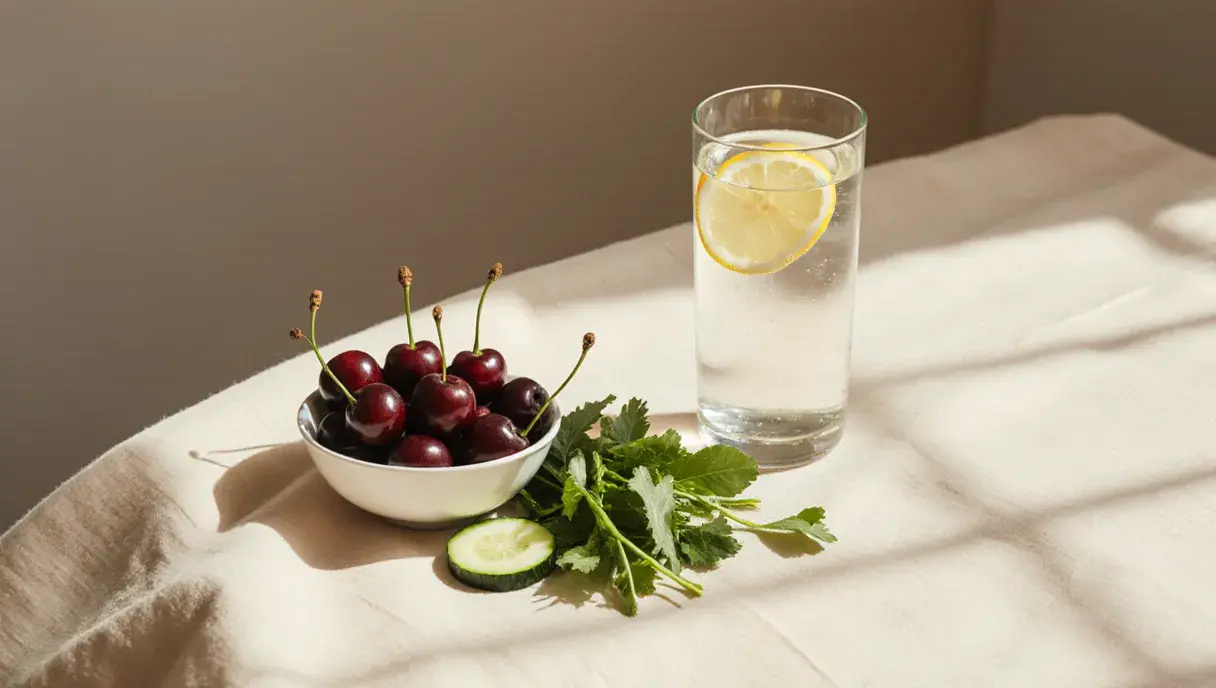
Did you know? Most people with high uric acid have no symptoms at all. The number shows up on a routine blood test, someone mentions gout, and suddenly every meal feels like a risk. The full picture is calmer than that. This guide covers what uric acid actually is, the symptoms that matter, what to eat, and where treatment fits.
What uric acid is
Uric acid is a waste product your body makes when it breaks down purines, natural compounds found in your own cells and in many foods. Your kidneys filter most of it out through urine. The level rises when your body makes too much, when your kidneys clear too little, or both.
A raised level is called hyperuricemia. On most Pakistani lab reports the reference range is roughly 3.5 to 7.2 mg/dL for men and 2.6 to 6.0 mg/dL for women, and your own report's range is the one that counts.
Symptoms of high uric acid
- Often nothing. Many people live with a raised level for years without a single symptom.
- Gout attacks. Sudden, severe pain in one joint, classically the big toe, that turns red, hot and swollen, often starting at night. Ankles, knees and fingers can also be hit.
- Kidney stones. Sharp flank pain, pain on urination or blood in the urine can mean uric acid stones.
- Lumps under the skin (tophi). In long-standing untreated gout, chalky deposits can form near joints and on the ear.
Joint pain that builds slowly over months in both knees is usually wear-and-tear arthritis, not gout. Our knee pain guide and rheumatoid arthritis guide explain how the patterns differ.
Why it is so common in Pakistan
- Meat-heavy plates. Red meat, organ meat (kaleji, kapuray), and heavy BBQ raise purine load. Eid weeks are a classic trigger.
- Sugary drinks. Fructose in soft drinks and packaged juices pushes uric acid up. This one surprises people, sugar matters as much as meat.
- Dehydration. In a Karachi or Lahore summer you lose fluid all day. Concentrated urine means less uric acid cleared.
- Weight and metabolic health. Extra weight, high blood pressure and insulin resistance all reduce clearance.
- Medicines. Some diuretics (blood pressure water tablets) and low-dose aspirin raise levels. Never stop a prescribed medicine on your own, tell your doctor about the reading instead.
Foods to avoid and foods that help
| Limit or avoid | Fine, and often helpful |
|---|---|
| Organ meats: kaleji, kapuray, brain | Low-fat dairy: dahi, doodh, lassi (unsweetened) |
| Red meat in big portions, especially BBQ | Eggs, in normal amounts |
| Soft drinks, packaged juices, extra sugar | Vegetables, including tomatoes and palak |
| Alcohol, especially beer | Cherries and citrus fruit |
| Seafood in large amounts: prawns, sardines | Plenty of plain water through the day |
Two Pakistani-specific myths are worth clearing up. First, daal. Lentils and beans contain moderate purines, but research shows plant purines barely raise gout risk, so most people do not need to give up daal. Second, tomatoes. They are low in purines and fine for almost everyone. If a specific food reliably triggers your attacks, respect your own pattern, but do not strip your diet on hearsay.
What actually lowers uric acid
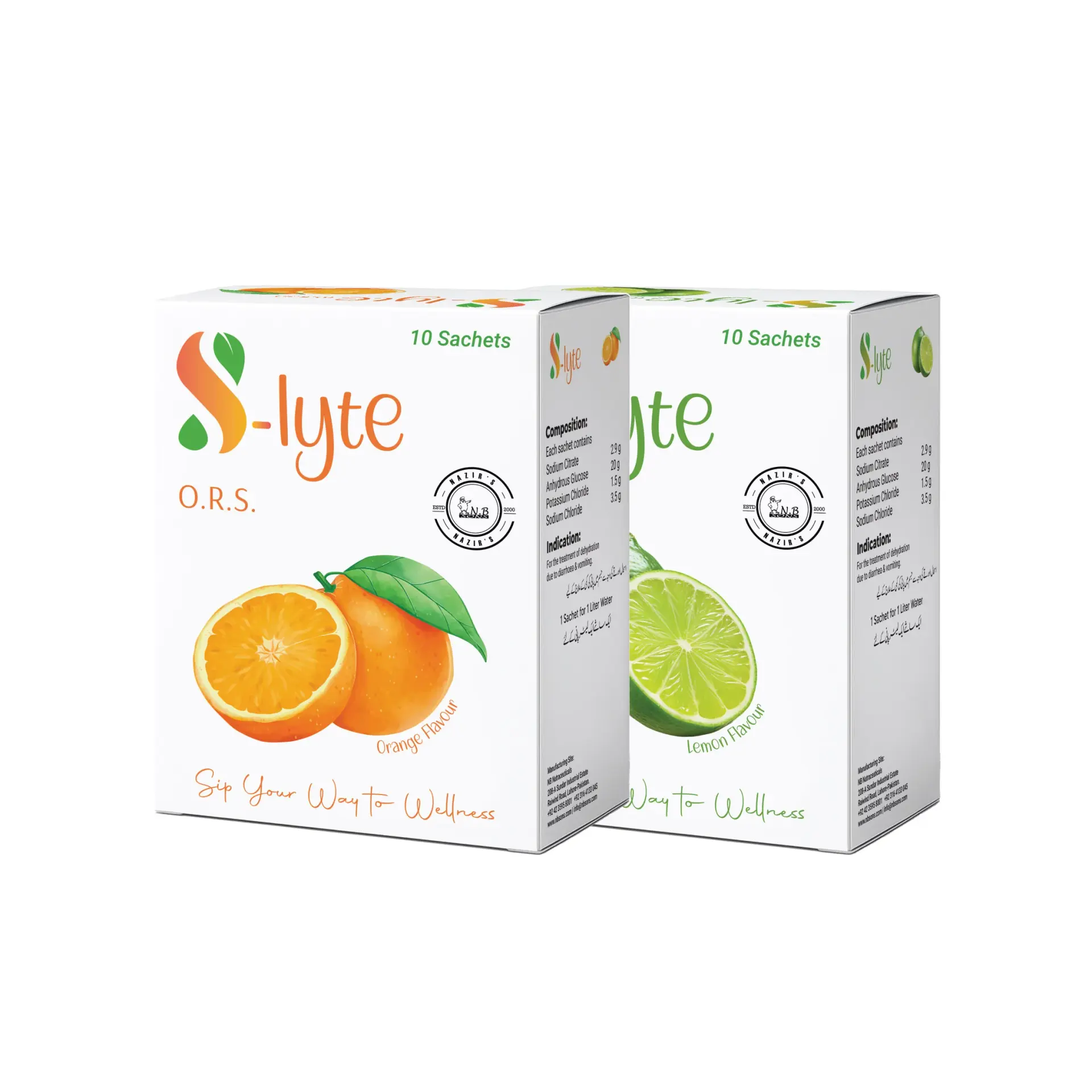
- Water, consistently. Aim for pale-yellow urine. In extreme heat or after a stomach bug, rehydration matters even more; oral rehydration salts like S-Lyte sachets help you catch up fast.
- Losing extra weight slowly. Gradual weight loss lowers uric acid; crash dieting spikes it. Our weight loss guide covers a sensible pace.
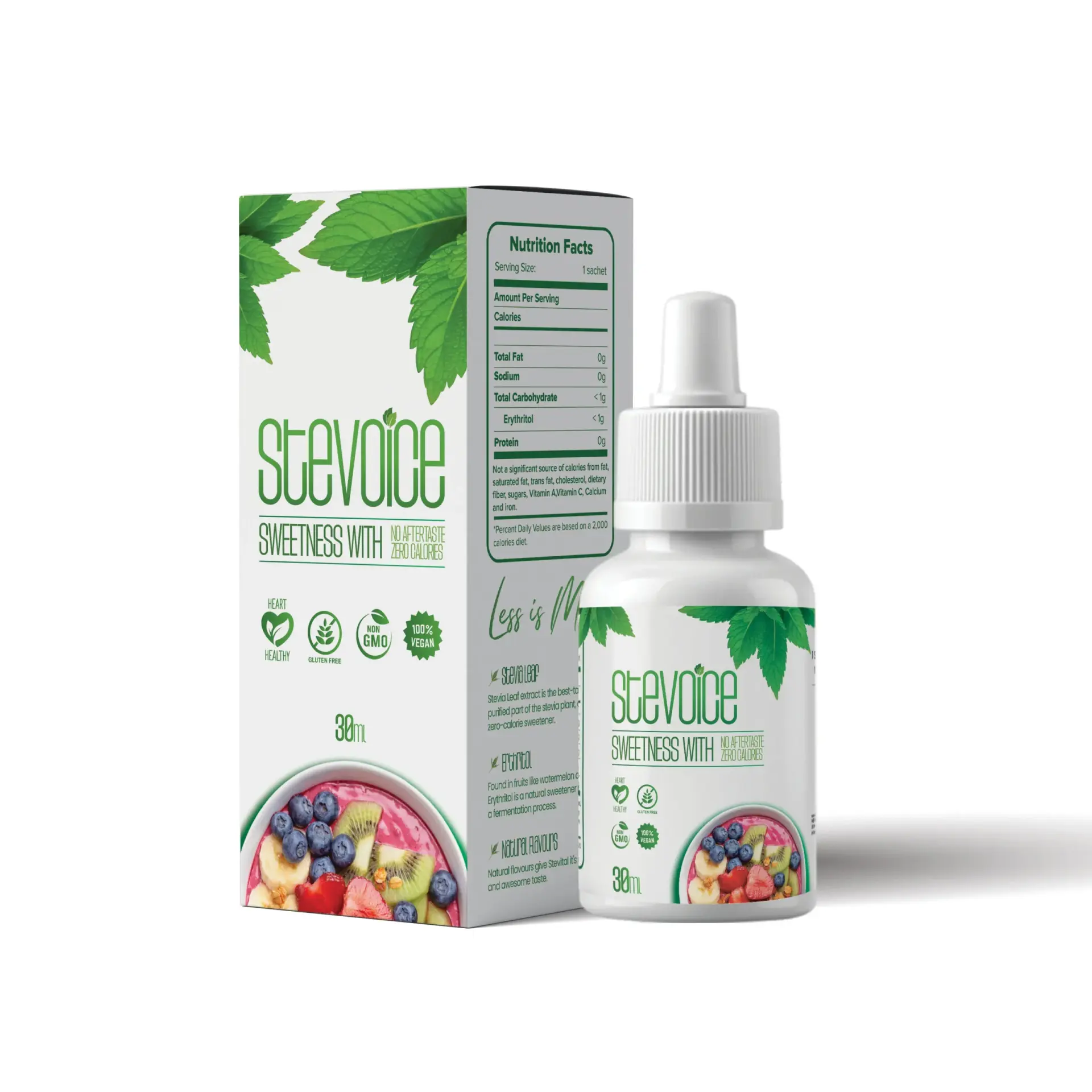
- Swapping sugary drinks. Replacing soft drinks with water or unsweetened lassi is one of the highest-impact changes. If you sweeten tea or lassi, a zero-calorie stevia like Stevoice removes that sugar without changing the ritual.
- Low-fat dairy daily. Dahi and milk are linked with lower uric acid levels.
- Coffee and vitamin C. Both are associated with modestly lower levels in studies. Reasonable additions, not treatments.
Medical treatment, briefly
If you have had gout attacks, kidney stones or a persistently high level, your doctor may prescribe a uric-acid-lowering medicine such as allopurinol or febuxostat. These work well, are inexpensive in Pakistan, and are usually taken long term. Attacks themselves are treated with anti-inflammatory medicines. Both decisions belong with a doctor, self-medicating a gout attack with random painkillers, or stopping the daily tablet once you feel fine, is how attacks keep coming back.
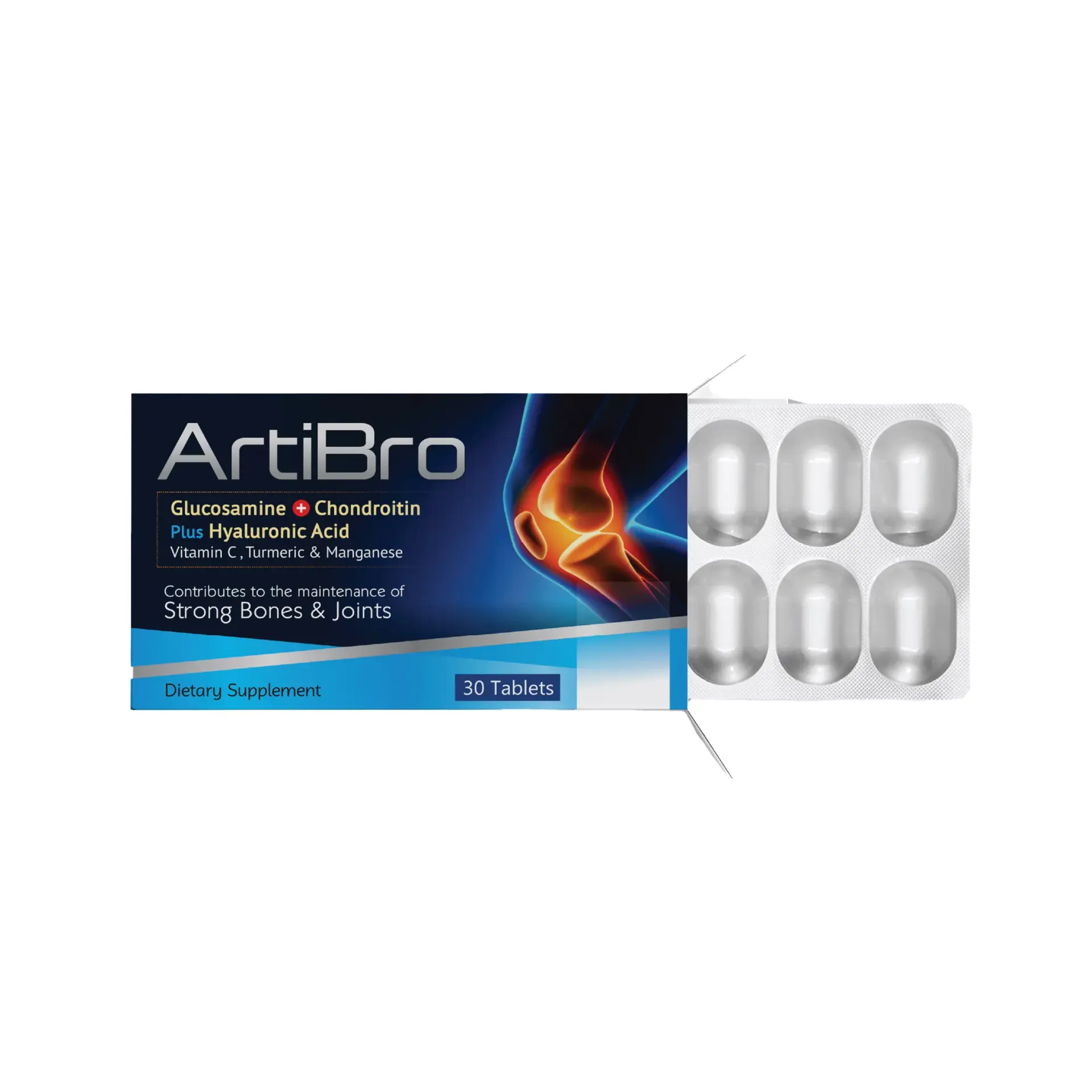
One supplement note: products marketed as gout cures are not regulated for that claim. For everyday joint wear-and-tear comfort, glucosamine and chondroitin (like ArtiBro tablets) have reasonable evidence, but they do not lower uric acid and are not a gout treatment. See our joint pain options guide for the honest breakdown.
When to see a doctor
- A joint that becomes suddenly hot, red and severely painful, especially with fever, the same signs can also mean a joint infection, which is an emergency.
- Repeated gout attacks, even mild ones.
- Flank pain, blood in urine, or a known kidney condition with a high reading.
- A very high level on testing, even without symptoms, so your doctor can look at the full metabolic picture.
The bottom line
High uric acid is common, usually silent, and very manageable. Drink more water, cut sugary drinks and organ meats, keep the daal, and see a doctor if a joint ever turns hot and angry. The daily habits do more than any single food rule.
For joint comfort support and hydration basics, browse our Bone & Joint range.
Shop Bone & Joint →Frequently asked questions
What is the normal uric acid range?
Roughly 3.5 to 7.2 mg/dL for men and 2.6 to 6.0 mg/dL for women on most Pakistani lab reports. Always read your own report's reference range, labs differ slightly.
Is daal bad for uric acid?
For most people, no. Plant purines have a much weaker effect than meat and sugar. Unless daal clearly triggers your own attacks, you can keep eating it in normal amounts.
Can I eat chicken with high uric acid?
Yes, in moderate portions. Chicken is a middle-purine food. The bigger wins are cutting organ meats, big BBQ portions and sugary drinks.
Does drinking water really help?
Yes. Good hydration helps your kidneys clear uric acid and lowers kidney stone risk. It is the cheapest change on this list.
Is gout curable?
It is very controllable. With the right daily medicine and diet changes, most people become attack-free. Stopping treatment when you feel fine is the usual reason it returns.
Do cherries work?
Studies link cherries with fewer gout attacks, and they are healthy regardless. Treat them as a helpful food, not a replacement for treatment.
My uric acid is high but I feel fine. Should I worry?
No panic needed, but do not ignore it either. Fix hydration, sugar and weight first, and discuss the reading at your next doctor visit. Many people never develop gout.
Liked this one? Get the next in your inbox.
One fortnightly note from the editors, new pieces, restocks, and the routines we're actually using. Unsubscribe any time.