How to Lose Weight Healthily in Pakistan: Diet, Habits & What Actually Helps (2026)
How to lose weight healthily in Pakistan with desi food: why crash diets fail, habits that last, and where supplements give only modest help.
According to the WHO, worldwide obesity has more than doubled since 1990, and weight problems are rising fast in countries like Pakistan. If you are wondering how to lose weight without misery or miracle pills, this honest guide is for you. We will explain why crash diets fail and what actually helps. You will get a realistic, desi-friendly plan for weight loss. This is the simple truth about wazan kam karne ka tarika.
How to lose weight: the simple truth
Weight loss comes down to one core idea. You need to eat slightly fewer calories than your body burns. This is called a calorie deficit.
That is it. There is no secret pill, tea or wrap that beats this rule. Anything promising fast fat loss without effort is selling false hope.
The real skill is making that deficit easy to live with. A plan you can keep for months beats a harsh one you quit in a week. Slow and steady is what works.
Why crash diets fail
Crash diets cut calories far too hard. You lose weight fast at first, mostly water and muscle. It feels exciting but does not last.
Such diets leave you hungry, tired and cranky. Most people cannot keep them up. When you stop, the weight returns, often with extra.
Losing muscle also slows your metabolism. So you burn fewer calories than before. This is why repeated crash diets make weight harder to control over time.
The NHS recommends a steady, sensible pace of about 0.5 to 1 kg per week. See the practical advice on the NHS healthy weight pages. Slow loss protects your muscle and your sanity.
A realistic Pakistani-food approach to fat loss
You do not need foreign foods to lose weight. Our local food can be very healthy with small changes. The trick is balance and portion size.
Control your portions
Portion size is often the real problem. Two or three rotis can quietly add up. Try using a smaller plate and filling half of it with vegetables.
Serve yourself once and avoid second helpings. Eat slowly so your body has time to feel full. This single habit can cut a lot of calories.
More protein and vegetables
Protein keeps you full for longer. Build meals around chicken, fish, eggs, daal and yoghurt. Add a big serving of salad or sabzi to every meal.
Vegetables add bulk and fibre with few calories. They help you feel satisfied on less. This makes the calorie deficit feel easy, not painful.
Less refined carbs, sugar and ghee
Sugary drinks, sweets and fried snacks are calorie traps. So is heavy use of ghee and oil. You do not have to ban them, just cut back.
Some simple desi-friendly swaps help a lot:
- Swap one roti for an extra serving of salad or vegetables.
- Choose grilled or baked over deep-fried.
- Drink water, lassi without sugar, or plain chai instead of soft drinks.
- Use less oil and ghee when cooking salan.
- Keep fruit instead of mithai for something sweet.
Movement, steps and strength
You cannot out-exercise a poor diet. But movement makes weight loss easier and healthier. It also protects your muscle while you lose fat.
Walking is the simplest start. Aim to build up your daily steps over time. A brisk walk after dinner is a great, free habit.
Add some strength work two or three times a week. This can be bodyweight exercises or weights. Muscle keeps your metabolism higher and your body strong.
Mayo Clinic notes that combining diet with activity gives the best long-term results. See their guide to healthy weight loss. Choose activities you actually enjoy so you keep going.
Sleep and stress: the hidden factors
Poor sleep makes weight loss harder. It raises hunger hormones and cravings for sugary food. Most adults need around 7 to 9 hours a night.
Stress can also drive overeating. Many people reach for comfort food when tense. Simple steps like walks, prayer, or time away from screens can help.
Managing sleep and stress is not a side issue. It supports every other habit on this list. A rested, calmer you makes better food choices.
Cutting sugar without feeling deprived
Sugar is one of the easiest places to cut calories. Sweet drinks and desserts add up fast. But you do not have to give up sweetness completely.
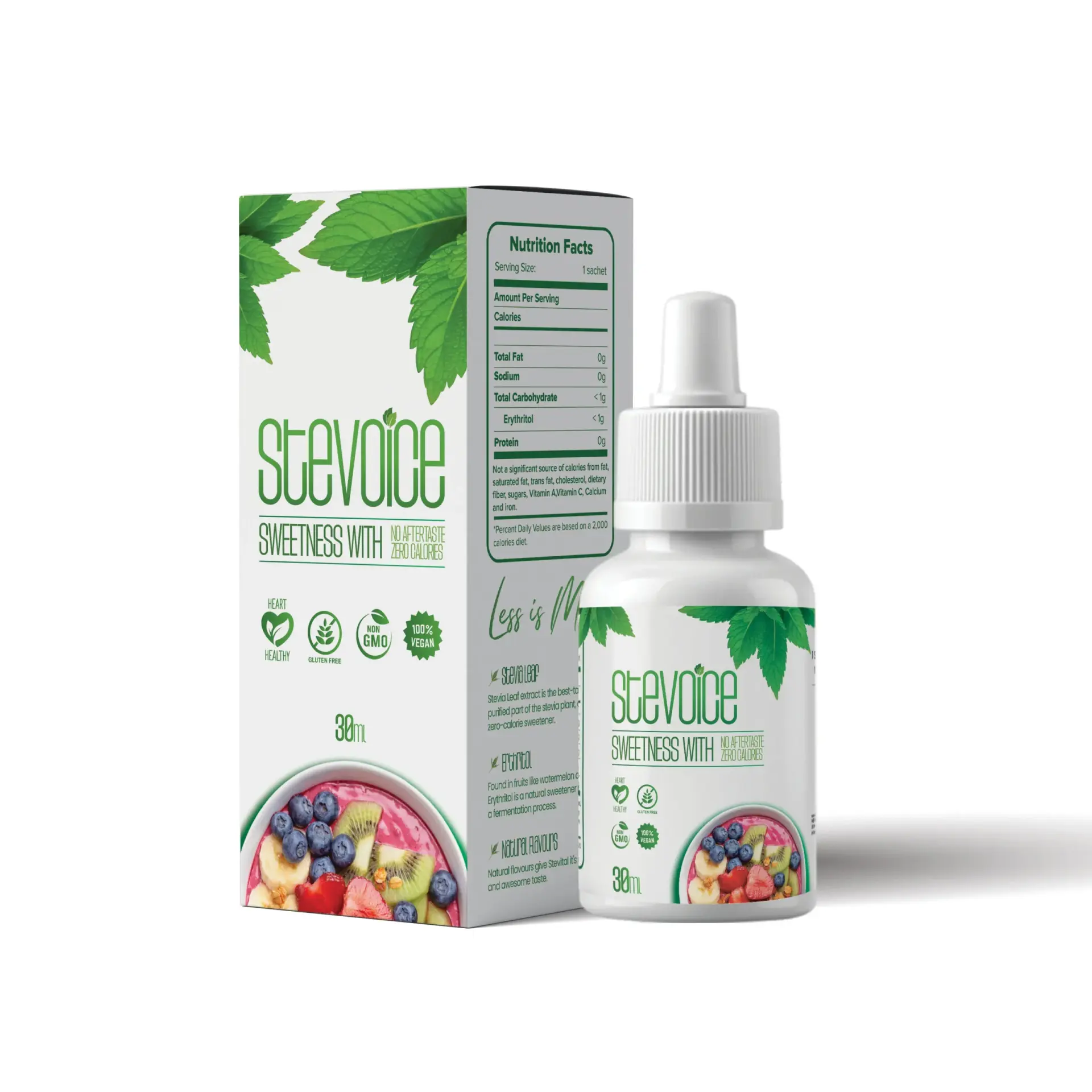
A zero-calorie sweetener lets you enjoy sweet chai or dessert with fewer calories. A stevia-based option like Stevoice Stevia Sweetener (around Rs 1,750) replaces sugar in drinks and recipes. It is also useful for blood-sugar control.
We explain this further in our guide to stevia and sugar-free sweeteners for diabetes in Pakistan. Swapping sugar is a small change with a real payoff.
Where supplements give modest support only
Let us be clear and honest here. No supplement burns fat on its own. They can only give small support next to diet and movement.
Set your expectations low and let the real work be the food. With that in mind, a few products can nudge things along.
Apple cider vinegar for appetite and blood sugar
Apple cider vinegar may give a small nudge to appetite and blood-sugar response. It is not a fat-burner. An easy form is Yumcider ACV Gummies (around Rs 890), which avoids the harsh taste of liquid vinegar.
Read our full review of apple cider vinegar benefits in Pakistan for the balanced picture. Treat it as a minor helper, not a solution.
Soluble fibre for fullness
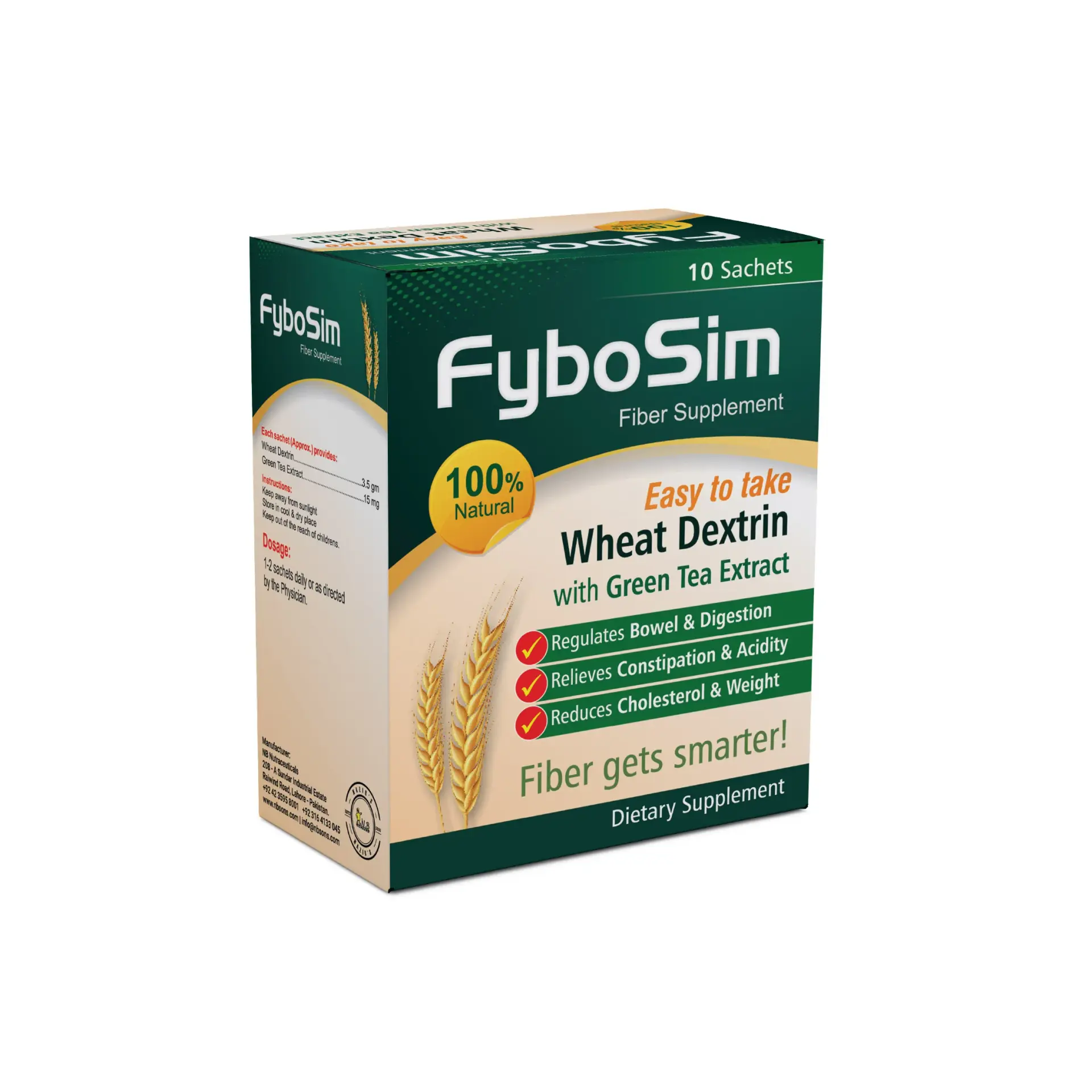
Fibre helps you feel full on fewer calories. A soluble fibre supplement like Fybosim Natural Fibre (around Rs 390) can support fullness and digestion. It works best alongside plenty of water.
For gut comfort while changing your diet, see our guide on reducing bloating and gut health in Pakistan. Fibre supports the habit, food still does the heavy lifting.
Protein for satiety
Protein is the most filling nutrient. Hitting your protein goal makes a calorie deficit far easier. If you struggle to get enough from food, whey protein (around Rs 7,500) is a convenient top-up.
It supports fullness and helps protect muscle while you lose fat. Whole foods first, then protein powder to fill the gap.
What NOT to expect
Honest expectations protect you from disappointment and scams. Healthy weight loss is steady, not instant. Aim for about 0.5 to 1 kg per week.
Do not expect to lose fat from one spot only. There is no exercise or pill that targets just belly fat. You lose fat from all over your body as the total comes down.
Be wary of "detox" teas, slimming pills and crash plans. They rarely work and can be harmful. The WHO sets out what a genuinely healthy diet looks like in its healthy diet fact sheet.
When to see a doctor about your weight
Sometimes weight is hard to shift for a medical reason. It is worth checking if effort brings no results. A doctor can look for an underlying cause.
- Weight gain or great difficulty losing weight despite real effort.
- Symptoms of a thyroid problem, such as fatigue, cold intolerance or hair changes.
- Signs of PCOS, such as irregular periods, in women.
- A very high BMI, or weight affecting your health or breathing.
These conditions are common and treatable. A doctor can run simple tests and guide a safe plan. If you also struggle the other way, our guide on how to gain weight healthily in Pakistan may help a family member.
Adding fibre to feel full longer? Our guide to chia seeds in Urdu explains how chia differs from tukh malanga, how to soak it and what a fair price is.
This article was written and medically reviewed to our medical review board standards and is for general guidance, not personal medical advice. Always speak to a doctor or pharmacist about your own situation.
Shop Yumcider ACV Gummies →Frequently asked questions
What is the fastest way to lose weight?
The safe and lasting way is steady loss of about 0.5 to 1 kg per week through a small calorie deficit. Very fast loss usually means losing water and muscle, and it rarely stays off.
What is the best wazan kam karne ka tarika with desi food?
Eat local food in better balance. Control portions, add more protein and vegetables, cut sugar and fried items, and reduce ghee. Walk daily and sleep well. No special foreign diet is needed.
How do I lose belly fat specifically?
You cannot target fat from one area. As you lose total body fat through diet and activity, belly fat reduces along with the rest. Strength work and a calorie deficit are key.
Does apple cider vinegar help with weight loss?
It may give a small nudge to appetite and blood-sugar response. It is not a fat-burner. Use it as a minor helper alongside a sensible diet and movement, never as a substitute.
Are weight-loss pills and detox teas safe?
Most are not worth it and some can be harmful. They rarely give lasting results. Focus your money and effort on better food, movement and sleep instead.
How much protein should I eat to lose weight?
Higher protein helps you feel full and protects muscle. Build meals around protein foods, and use a protein supplement only if you struggle to reach enough through food.
I am eating well but not losing weight. Why?
Hidden calories, large portions or low activity are common reasons. If you have genuinely tried for a while with no result, see a doctor to rule out thyroid issues, PCOS or other causes.
Liked this one? Get the next in your inbox.
One fortnightly note from the editors, new pieces, restocks, and the routines we're actually using. Unsubscribe any time.