How to Reduce Bloating Naturally: A Pakistan Gut-Health Guide (2026)
Why you feel bloated, what genuinely helps, fibre, probiotics, hydration and simple habits, and the digestive supplements that can support a calmer gut.
Did you know that the simplest fix for bloating is often a glass of water, not a pill? That tight, swollen, heavy feeling after a meal is one of the most common complaints there is. Our food culture does not always help, with rich, oily dishes, late dinners, lots of chai and not enough water or fibre.
The good news is that most everyday bloating responds well to a few simple changes. Here is what actually helps to reduce bloating, and how supplements fit in. This is general information, not medical advice. Persistent or painful bloating should be checked by a doctor.
What causes bloating?
Bloating is usually trapped gas or sluggish digestion rather than anything serious. The most common everyday triggers are:
- Too little fibre and water, which slows everything down.
- Eating too fast, which means swallowing air and under-chewing.
- Large, heavy, oily meals, common at dinners and gatherings.
- An imbalanced gut, where the helpful bacteria are outnumbered.
- Dehydration, which, oddly enough, makes the body hold onto water and slows digestion.
Certain foods are common culprits too. These include very oily or deep-fried food, lots of fizzy drinks, and for some people, large amounts of dairy or beans.
You do not need to cut these out. It is worth noticing whether a particular food reliably leaves you bloated. Then you can adjust portions rather than ban it.
What actually helps
1. Fibre, gradually
Soluble fibre feeds good gut bacteria and keeps things moving. A review of dietary fibre and gut health links enough fibre to better digestion and regularity.
Build it up slowly. Adding a lot at once can briefly make bloating worse. Good everyday sources here include oats, daal, fruit, vegetables and whole grains like whole-wheat roti.
2. Probiotics and fermented foods
Probiotics are the helpful bacteria that keep the gut balanced. Yoghurt and lassi are everyday sources.
Probiotic supplements can help re-balance things too, our probiotics guide covers who actually benefits. They are especially useful after a course of antibiotics or a run of rich meals. Give any change a few weeks, as the gut adjusts gradually rather than overnight.
3. Water, more than you think
Hydration is the simplest, most overlooked fix. Aim to sip through the day rather than gulping with meals. In the heat, an oral rehydration sachet can top up the salts you lose through sweat.
4. Slow down and move
Eat without rushing, chew properly, and take a short walk after big meals. Gentle movement is one of the fastest ways to relieve trapped gas. Eating mindfully, rather than in front of a screen, also helps you notice when you are full before you overeat.
Quick habits that calm a bloated gut
| Habit | Why it works |
|---|---|
| Warm water with lemon & ginger | Ginger soothes the gut and eases gas |
| Smaller, earlier dinners | Gives digestion time before sleep |
| A 10-minute post-meal walk | Moves gas through and speeds digestion |
| Cutting back on fizzy drinks | Less swallowed gas |
| Daily fibre + water | Keeps everything regular |
Foods that calm vs foods that trigger
Diet is the biggest lever for everyday bloating. So it helps to know roughly which foods tend to settle the gut and which tend to stir it up.
Everyone is different. Treat this as a starting point rather than a strict rule, and pay attention to your own patterns.
| Tend to calm | Tend to trigger |
|---|---|
| Yoghurt, lassi and other fermented foods | Heavy, deep-fried and very oily dishes |
| Ginger, mint, fennel (saunf) and lemon | Fizzy and very sugary drinks |
| Oats, daal and cooked vegetables | Large portions eaten quickly |
| Water and warm, unsweetened drinks | Excess tea or coffee, especially at meals |
A small habit that helps many people here is finishing a meal with a little saunf. This traditional after-meal seed can ease gas and freshen the mouth at the same time.
A simple daily routine to feel less bloated
You do not need a complicated plan. A realistic day might look like this:
- Morning: a glass of warm water, ideally before chai, to wake up digestion.
- Meals: a little fibre at each meal, eaten slowly and chewed well, with water sipped through the day.
- After eating: a short walk instead of lying down, especially after the heaviest meal.
- Evening: a smaller, earlier dinner so your gut has time to settle before sleep.
Kept up for a couple of weeks, small habits like these usually do far more than any single quick fix.
When to see a doctor
Occasional bloating is normal. But see a doctor if it is persistent, severe or painful. Also see one if it comes with weight loss, blood, vomiting or a sudden change in bowel habits. Those need proper medical assessment, not a supplement.
Digestive support to buy in Pakistan
These can support a fibre-rich, well-hydrated routine. All are authentic, with cash on delivery nationwide:
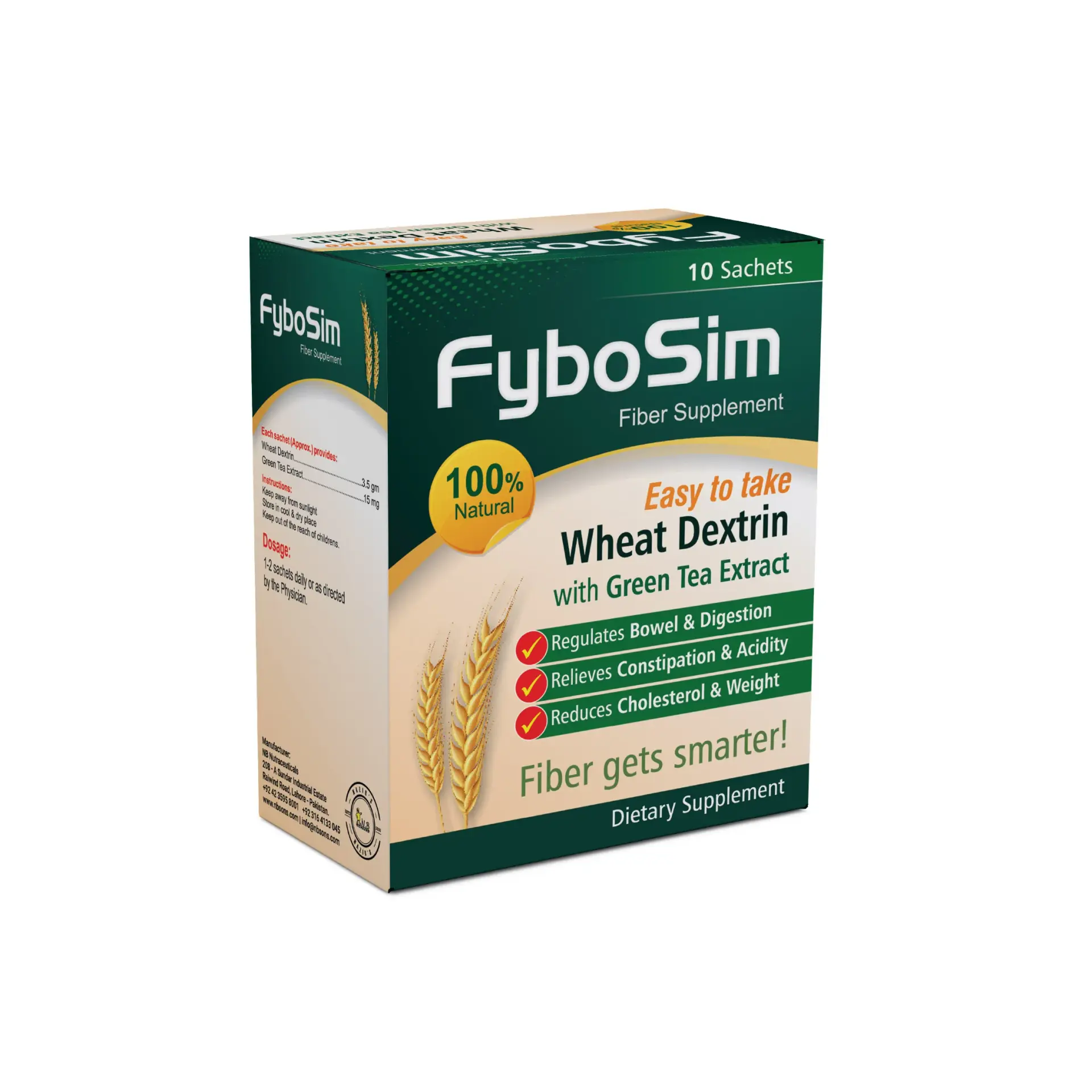
- Fibre support: Fybosim adds gentle fibre (plus glutathione) to help keep digestion regular.
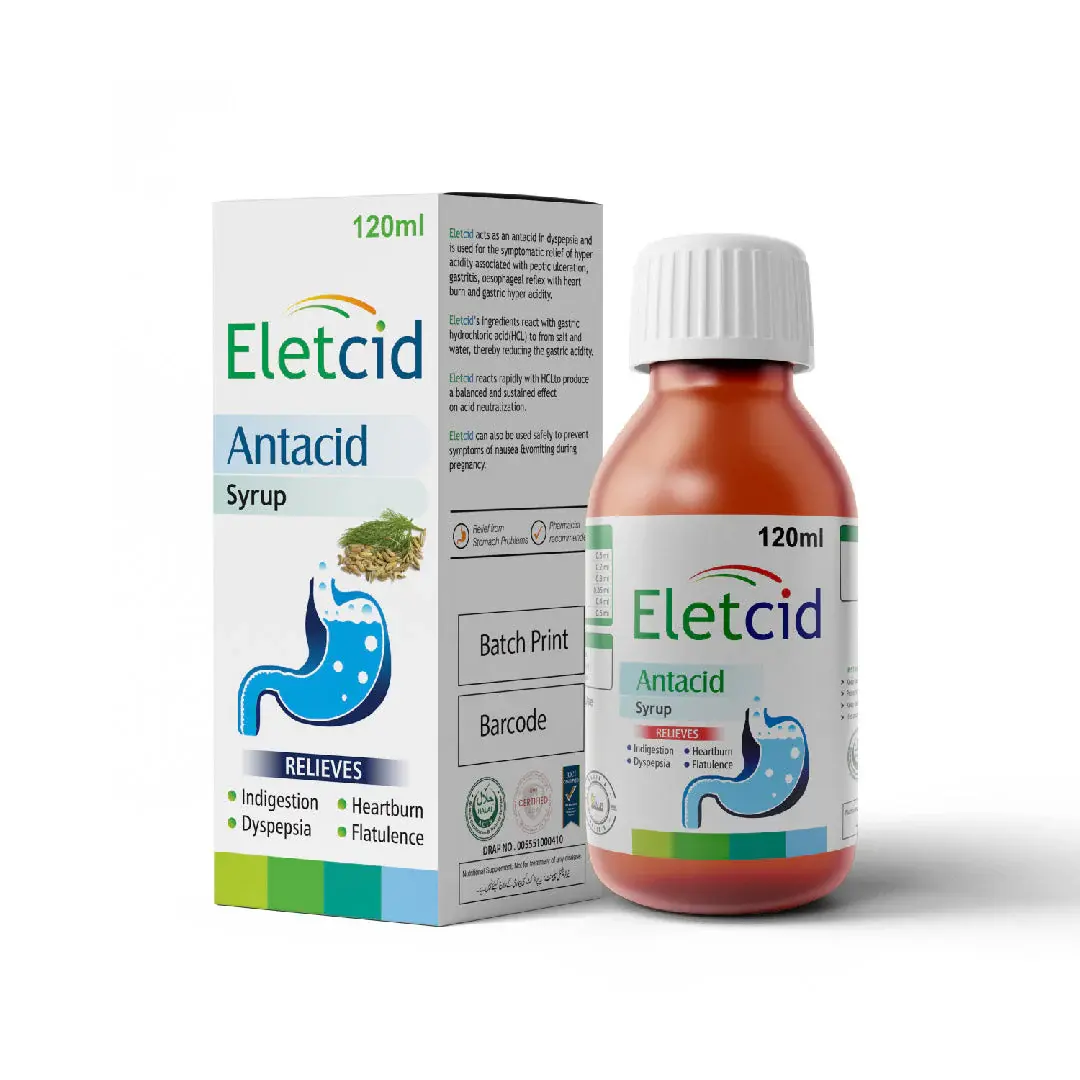
- Everyday comfort: the Eletcid Digestive Comfort Syrup is an easy daily option for digestive ease.
- A complete routine: the Digestive Comfort Trio bundles complementary digestive support in one pack.
- Gut-friendly extra: Yumcider ACV Gummies are a palatable way to work apple cider vinegar into your day.
- Hot-weather hydration: S-Lyte ORS sachets replace salts and water lost to the heat.
These support a good routine rather than replace it. They are not a treatment for any medical condition. Browse everything in digestive & gut or all wellness.
Shop Fybosim Fibre Support →The bottom line
Most bloating comes down to fibre, water, portion size and pace. Fix those and the swollen, heavy feeling usually settles.
Supplements like Fybosim and the Digestive Comfort Trio support the routine rather than replace it. Authentic, with cash on delivery across Pakistan.
Frequently asked questions
How can I reduce bloating fast?
A short walk, warm water with ginger, and easing off fizzy drinks and large portions usually help within an hour or two. Longer term, more fibre, more water and a calmer gut stop it returning.
Do probiotics help with bloating?
For many people, yes, by re-balancing gut bacteria. Fermented foods like yoghurt and lassi help too. Give any change a few weeks.
Does drinking water reduce bloating?
Yes. Mild dehydration makes the body retain water and slows digestion. Sipping water through the day is one of the simplest fixes.
Which foods commonly cause bloating?
Very oily or fried food, fizzy drinks, and large amounts of dairy or beans are frequent triggers. Notice your own patterns and adjust portions rather than cutting foods out entirely.
Can stress make bloating worse?
It can. The gut and the mind are closely linked, and stress can slow digestion and increase discomfort. Eating slowly and unhurried often helps.
Is bloating ever serious?
Usually not. But persistent or painful bloating, especially with weight loss, blood or vomiting, should be checked by a doctor.
Liked this one? Get the next in your inbox.
One fortnightly note from the editors, new pieces, restocks, and the routines we're actually using. Unsubscribe any time.