Best Syrup and Medicine for Stomach Gas & Acidity in Pakistan (2026)
Best medicine for stomach gas and acidity in Pakistan: how a fast calcium antacid compares with a gentler herbal digestive syrup, plus red flags to watch.

Looking for the best syrup for stomach gas or acidity in Pakistan? The short answer: for sudden heartburn after a heavy meal, a calcium antacid works quickly; for gas and bloating that keep coming back, a gentle herbal digestive syrup suits better. Spicy curries, fried snacks and late dinners make gas, bloating and acidity familiar here, and most of it is handled at home rather than in a clinic. If you have already tried a few home remedies, this guide compares the two kinds of stomach syrup and medicine so you can pick the right one for your symptoms.
Shop the picks in this guide (3)
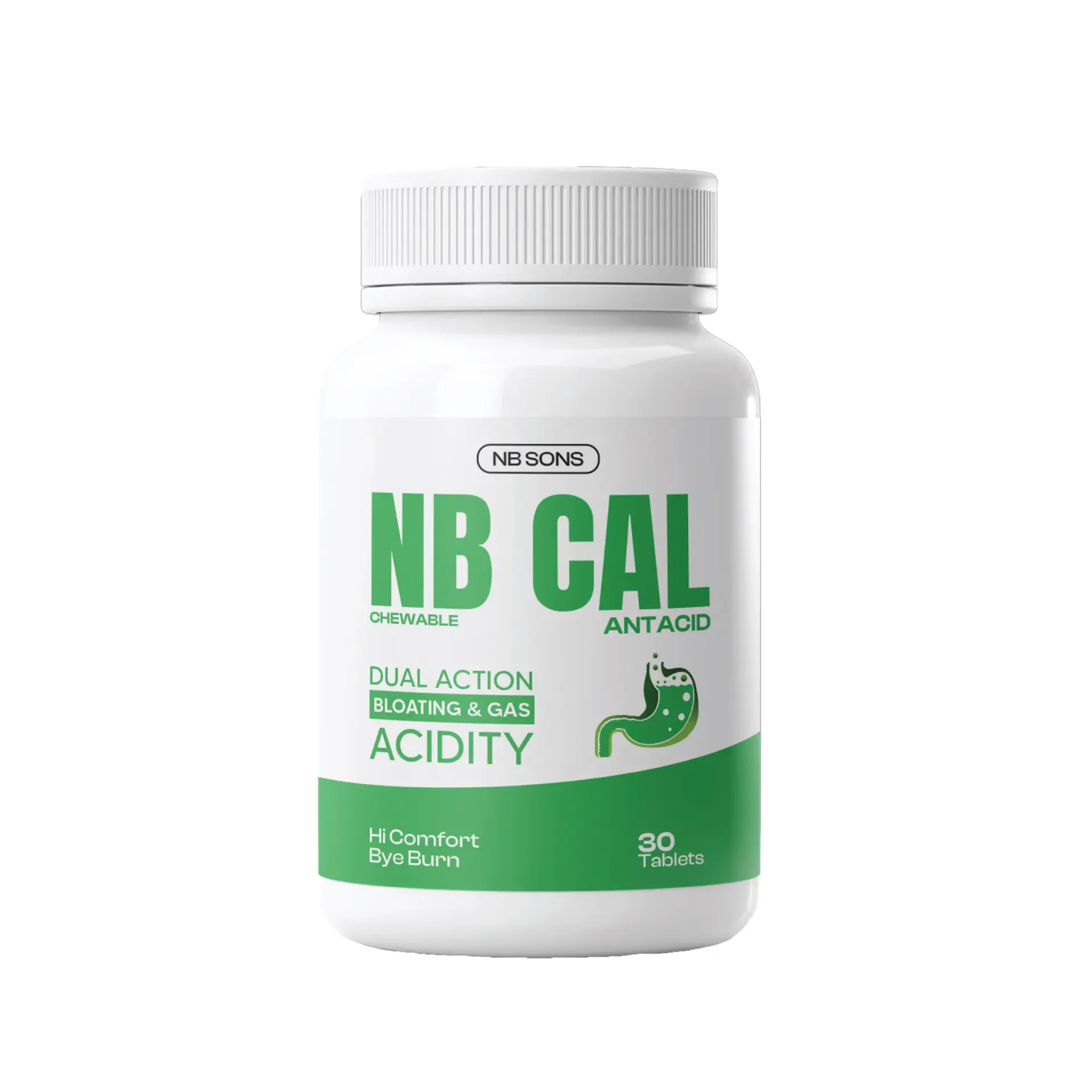
- NB CAL Calcium Antacid for Acidity & Gas, Rs 425, the effervescent tablet for sudden heartburn after a heavy meal
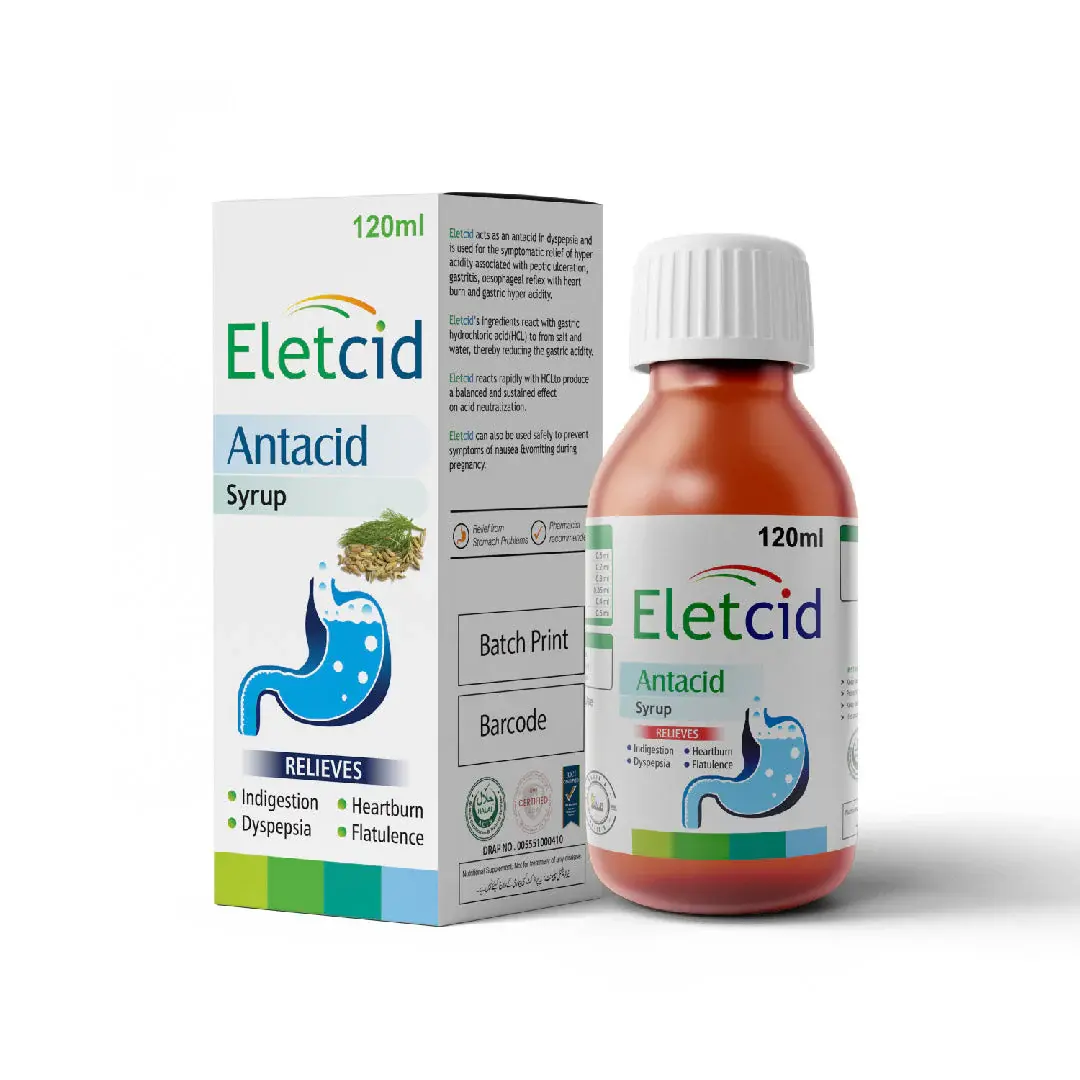
- Eletcid Digestive Comfort Syrup 120ml, Rs 250, the gentler herbal syrup for recurring gas and bloating
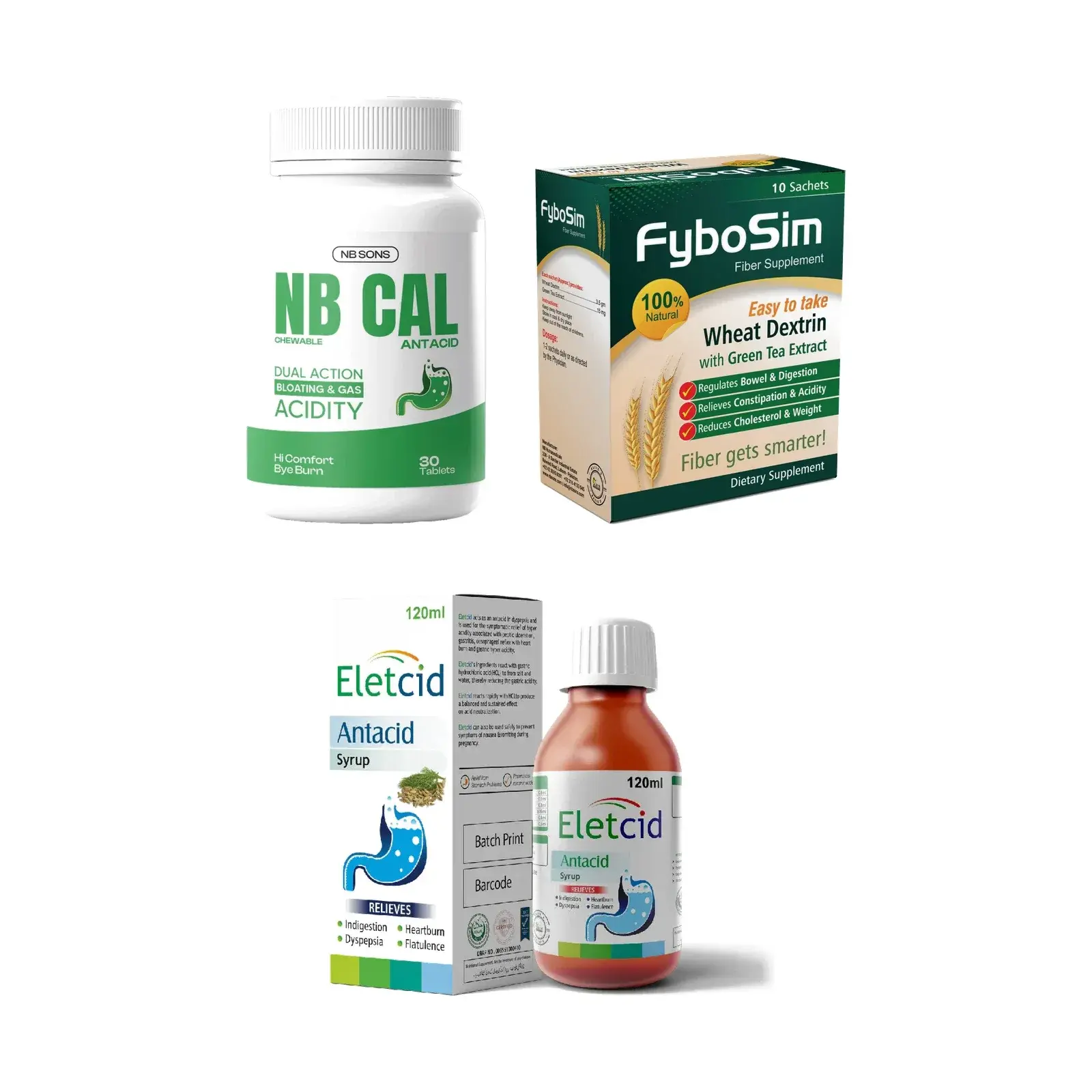
- Digestive Comfort Trio, Rs 820, both of the above plus Fybosim fibre if your digestion is unsettled week to week
Why gas and acidity are so common in Pakistan
Our everyday diet is a big part of the problem. Oily karahi, pakoras, and rich biryanis sit heavy in the stomach. Rich, spicy and fatty food is on the NHS list of things that commonly bring indigestion on, along with tea, coffee and cola.
Large portions do not help either. Eating a big meal in one sitting stretches the stomach and slows digestion. Add a late dinner, and you are lying down while your stomach is still working hard.
Stress plays a role too. Exam season, work deadlines, and long commutes all raise cortisol, which can change how quickly your gut moves food along. Some people notice more gas and bloating during stressful weeks, even without changing their diet.
Antacid or digestive syrup: what is the difference?
Not all stomach medicines work the same way. Knowing the difference helps you treat the right problem instead of guessing.
Antacids: fast, direct acid relief
An antacid neutralises stomach acid directly. It is the over-the-counter option MedlinePlus lists first for reflux symptoms, and it suits sudden heartburn or a burning feeling after a heavy meal. Calcium-based antacids do double duty in a small way, since the calcium carbonate they use is the same compound sold as a calcium supplement.
Digestive comfort syrups: gentler, gradual support
A digestive or carminative syrup works differently. It supports the movement of gas through the gut and eases the feeling of fullness and bloating. Relief tends to build gradually rather than hit instantly, which suits people with recurring gas rather than sudden acid attacks.
Best medicine for stomach gas and acidity in Pakistan: our comparison
We compared two genuinely different products from our own catalogue, rather than picking a "winner" that suits everyone. Your choice should depend on your main symptom.
| Product | Best for | Form | Price |
|---|---|---|---|
| NB CAL Calcium Antacid for Acidity & Gas | Fast relief from acid reflux and heartburn | Effervescent tablet, calcium carbonate 500 mg, dissolved in a glass of water | Rs 425 |
| Eletcid Digestive Comfort Syrup 120ml | Ongoing gas, bloating, and post-meal fullness | Herbal digestive comfort syrup, 120ml bottle, 10ml dose | Rs 250 |
NB CAL: our pick for acute acidity and gas
NB CAL Calcium Antacid for Acidity & Gas is our primary recommendation when you need fast relief. It is an effervescent tablet rather than a syrup: you drop one into a glass of water, let it fizz out, and drink it after a meal when heartburn or a gassy, uncomfortable stomach sets in. Each tablet is calcium carbonate 500 mg.
Because it is calcium-based, it also gives you a small calcium top-up alongside the antacid effect. That is a bonus, not a reason to use it as your daily calcium supplement, and the directions are one tablet a day for occasional, short-term use rather than something to take continuously. One practical note: leave a gap of at least two hours between NB CAL and any iron or thyroid medicine, because calcium can reduce how well those are absorbed.
Eletcid: our pick for recurring bloating and gas
Eletcid Digestive Comfort Syrup 120ml is the gentler option. If your main complaint is a bloated, heavy stomach that comes back after most meals, rather than sharp burning, this syrup is worth trying. It is a herbal formula built on anise, peppermint, cardamom and eucalyptus oils with dill extract and menthol, taken as a 10ml dose after meals.
It is also the more budget-friendly of the two, which matters if you expect to use it regularly, and it is used for simple digestive upsets in children as well as adults (ask your doctor about the right amount for a child). It works gradually to ease gas and discomfort rather than delivering an instant neutralising effect. It is a supportive herbal syrup rather than a treatment for any condition, so see a doctor for stomach pain that is severe or does not go away.
Which one should you choose?
If you feel a burning sensation behind your breastbone, or a sour taste after eating, reach for the antacid. NB CAL is built for that kind of fast acid relief.
If your main issue is a swollen, gassy stomach that builds up gradually through the day, Eletcid's digestive comfort formula is the better fit. Some people find it helpful to keep both on hand, since acidity and gas often overlap. If that is you, the Digestive Comfort Trio packs both together with Fybosim natural fibre for regularity, at Rs 820 for the three.
Simple diet and lifestyle changes that help
Medicine works best alongside small daily changes. None of these require a big lifestyle overhaul.
- Eat smaller meals more often, instead of two or three large ones.
- Leave three to four hours between your last meal and going to bed, which is the gap the NHS suggests.
- Raise your head and shoulders up when in bed, so acid is less likely to travel up while you sleep.
- Cut back on fried food, excess oil, and very spicy dishes if they trigger your symptoms.
- Keep a simple food diary for a week or two to spot your personal trigger foods.
- Limit caffeine and fizzy drinks in the evening, since both can worsen reflux.
When gas or acidity needs a doctor, not just a syrup
Most gas and acidity is manageable at home. But some symptoms need proper medical attention, not just an over-the-counter product. This is genuinely important, so please do not ignore these signs.
- Severe stomach or chest pain, or indigestion that keeps coming back.
- Difficulty swallowing food or liquids.
- Unintentional weight loss you cannot explain.
- Blood in your vomit or your stool.
- Vomiting that keeps happening, or the feeling of a lump in your stomach.
If any of these apply to you, see a doctor promptly. According to the NHS indigestion page, these red-flag symptoms should always be checked rather than self-treated. MedlinePlus on GERD is another useful, reputable resource if you want to understand the condition in more depth; it says that reflux symptoms happening two or more times a week may mean you have GERD rather than ordinary indigestion.
How this compares to other remedies
If your main complaint is more general bloating rather than classic acidity, our guide on how to reduce bloating naturally covers gut-health habits in more detail. For heartburn-specific home remedies, see our article on acidity and heartburn treatment in Pakistan. And if constipation is part of your digestive discomfort, our piece on constipation relief and home remedies is worth a read too. This article focuses specifically on choosing between an antacid and a digestive syrup, so treat those guides as the deeper dive on lifestyle and home-remedy angles.
This article was written and medically reviewed to our medical review board standards and is for general guidance, not personal medical advice. Always speak to a doctor or pharmacist about your own situation.
If burning and heartburn are your main problem, start with NB CAL. If it is gas and heaviness that keeps returning, start with Eletcid, and take the Digestive Comfort Trio if you want both plus fibre in one go. You can see the rest of what we stock for digestion on the digestive and gut health page. We deliver across Pakistan with cash on delivery, and delivery is free on orders over Rs 5,000 in Punjab.
Shop NB CAL Calcium Antacid →Frequently asked questions
What is the best medicine for stomach gas in Pakistan?
It depends on your symptom. For fast acid relief, an effervescent antacid like NB CAL works quickly once it is dissolved in water. For recurring bloating and gas, a digestive comfort syrup like Eletcid is often gentler and better suited to regular use.
Can I take an antacid and a digestive syrup together?
Many people use both, since acidity and gas often occur together. Always check the product label and, if you are unsure, ask your pharmacist or doctor before combining medicines. If you find you need both every single day, that is worth raising with a doctor.
Is gastric syrup safe to take every day?
Occasional use is generally fine for most healthy adults, but daily long-term use of any antacid or digestive syrup should be discussed with a doctor. Frequent symptoms can be a sign of an underlying condition that needs proper diagnosis.
What foods cause the most gas and acidity in a Pakistani diet?
Fried foods, excess oil, very spicy dishes, carbonated drinks, and large late-night meals are common triggers. The NHS also lists tea, coffee and chocolate. Everyone's triggers differ slightly, so a short food diary can help you identify your own.
Does a calcium antacid provide any other benefit?
A little. Calcium-based antacids like NB CAL use calcium carbonate, so each dose gives a small calcium top-up alongside the acid relief. It is not a replacement for a daily calcium and vitamin D3 supplement if bone support is what you are after.
When should I see a doctor instead of using an over-the-counter syrup?
See a doctor if you have severe pain, trouble swallowing, unexplained weight loss, blood in your vomit or stool, or indigestion that keeps returning despite treatment. These can point to a condition that needs proper investigation.
Are gastric syrups suitable during pregnancy?
Some antacids and digestive syrups are commonly used in pregnancy, but you should always confirm with your doctor or pharmacist first, since suitability depends on the specific ingredients and your individual health history. NB CAL's own guidance is to check with your doctor before using it in pregnancy or while breastfeeding.
Liked this one? Get the next in your inbox.
One fortnightly note from the editors, new pieces, restocks, and the routines we're actually using. Unsubscribe any time.