Acidity & Heartburn in Pakistan: Causes, Home Remedies & Fast Relief (2026)
Acidity and heartburn (seenay mein jalan) after a spicy dinner are common in Pakistan. What causes them, home remedies that work, and when to see a doctor.
Did you know acidity is one of the most-searched health complaints in Pakistan? That sharp seenay mein jalan after a plate of spicy biryani is something almost everyone here knows. Most people want one thing: fast, safe relief.
The good news is that effective acidity treatment usually starts at home. A few changes to what and how you eat go a long way. Add gentle remedies and the right antacid, and most days you can settle the burning yourself.
This guide explains why acidity is so common here. It covers the home remedies that genuinely help, when an antacid is enough, and the warning signs you should never ignore.
What acidity, heartburn and acid reflux actually are
Your stomach makes acid to digest food. A muscular valve at the bottom of your food pipe is meant to keep that acid where it belongs. Doctors call it the lower oesophageal sphincter.
Sometimes that valve relaxes at the wrong time or comes under pressure. Acid then splashes up into the oesophagus. That backward flow is acid reflux. The burning feeling behind the breastbone is heartburn. When reflux happens often, doctors call it GERD (gastro-oesophageal reflux disease).
In Pakistan, people use "acidity" loosely to mean all of this. It also covers the gas, sour burps and bloating that often come with it. Most of the time it is uncomfortable rather than dangerous.
Still, persistent acidity deserves attention. It can affect your sleep, appetite and quality of life. Occasionally it points to something more serious.
Why acidity is so common in Pakistan
Our daily routine and food culture create a perfect storm for acid reflux. Understanding the triggers is half the battle.
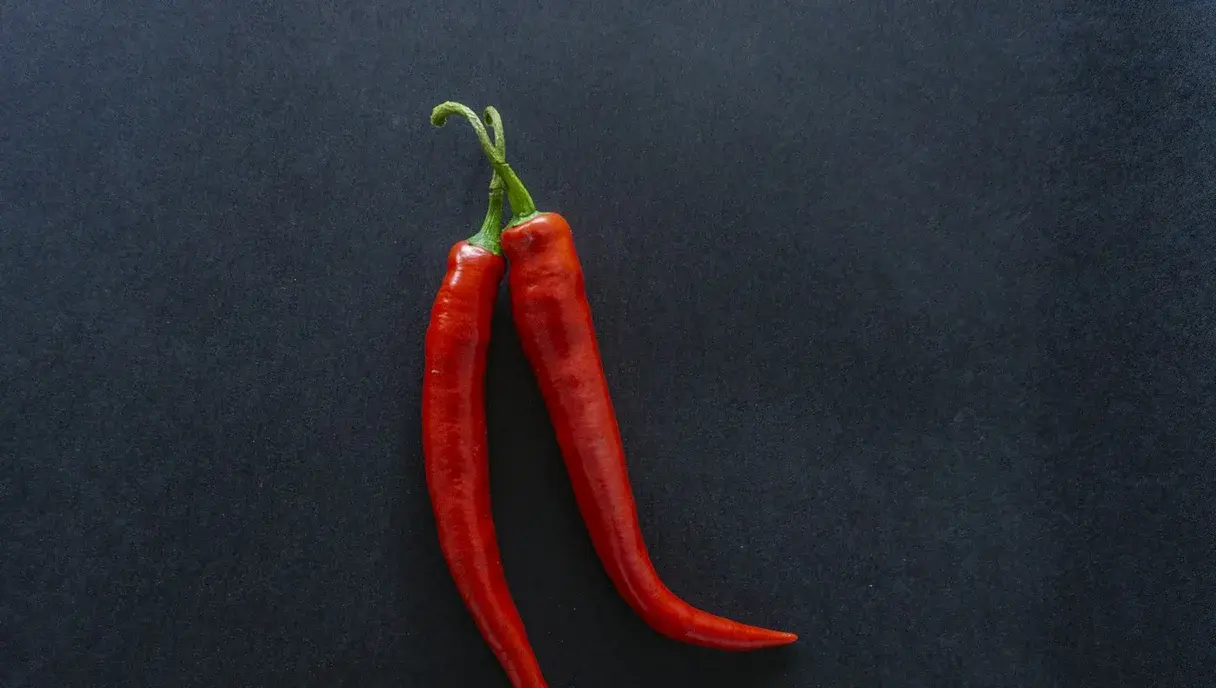
- Spicy and oily food: red chillies, heavy masala, deep-fried samosas, pakoras and rich curries loosen the valve and irritate the stomach lining.
- Late, heavy dinners: a large meal close to bedtime, then lying down, lets gravity work against you. Acid travels up easily.
- Chai culture: several cups of strong, milky tea a day, often on an empty stomach, raise acid and relax the valve.
- Weight around the middle: extra belly weight presses on the stomach and pushes acid upward.
- Ramadan eating patterns: a long fast, then a big fried, sugary iftar and a late, heavy sehri, is a classic recipe for reflux.
- Smoking, very large portions, fizzy drinks and stress all add to the load.
Common symptoms to recognise
Acidity shows up in more ways than just a burning chest. Look out for these signs:
- A burning feeling behind the breastbone, often worse after meals or when lying down. This is classic heartburn.
- Sour or bitter fluid rising into the throat or mouth, sometimes with a sour taste on waking.
- Bloating, frequent burping and a gas problem after eating.
- A feeling of fullness or discomfort in the upper stomach.
- A dry cough, hoarse voice or sore throat in the morning when reflux reaches the throat.
Fast home remedies for acidity that actually help
When the burning starts, these gentle, widely used remedies can settle things quickly. They do not replace medical care for severe symptoms. For everyday acidity, though, they are a sensible first step.
Cold milk and small sips of water
A glass of plain cold milk can buffer stomach acid for a while and soothe the burning. Keep the portion small and add no sugar. Sipping plain water also helps wash acid back down.
Fennel (saunf) and cumin (zeera) water
Chewing a teaspoon of fennel seeds after meals is a traditional remedy. It may ease gas and settle the stomach. Cumin water is another household favourite. Soak or lightly boil a teaspoon of zeera in water, then sip it warm.
Bananas and other gentle foods
A ripe banana is naturally low in acid and may help coat and soothe the stomach. Plain yoghurt, oats and boiled rice are other easy choices when you feel raw.
Eat smaller meals and stay upright
Large meals stretch the stomach and force acid upward. Smaller, more frequent meals reduce that pressure. After eating, stay upright for at least two to three hours. Avoid lying down or going straight to bed.
Raise the head of your bed
Does night-time reflux disturb your sleep? Raise the head end of the bed by a few inches, or use a wedge pillow. Gravity then keeps acid down while you rest.
Trigger foods to cut back on
You do not have to give up flavour forever. But cutting the worst offenders often makes a dramatic difference. Common triggers in the Pakistani diet include:
- Very spicy, chilli-heavy dishes and rich, oily curries.
- Deep-fried foods such as samosas, pakoras, parathas and fried snacks.
- Strong tea and coffee, especially on an empty stomach.
- Fizzy drinks, citrus juices and very tomato-heavy gravies.
- Chocolate, mint and, in some people, large amounts of garlic and onion.
- Late-night heavy meals close to bedtime.
Here is a useful trick. Keep a simple food and symptom diary for two weeks. You will quickly spot your personal triggers, which are not the same for everyone.
When antacids help, and when you need more
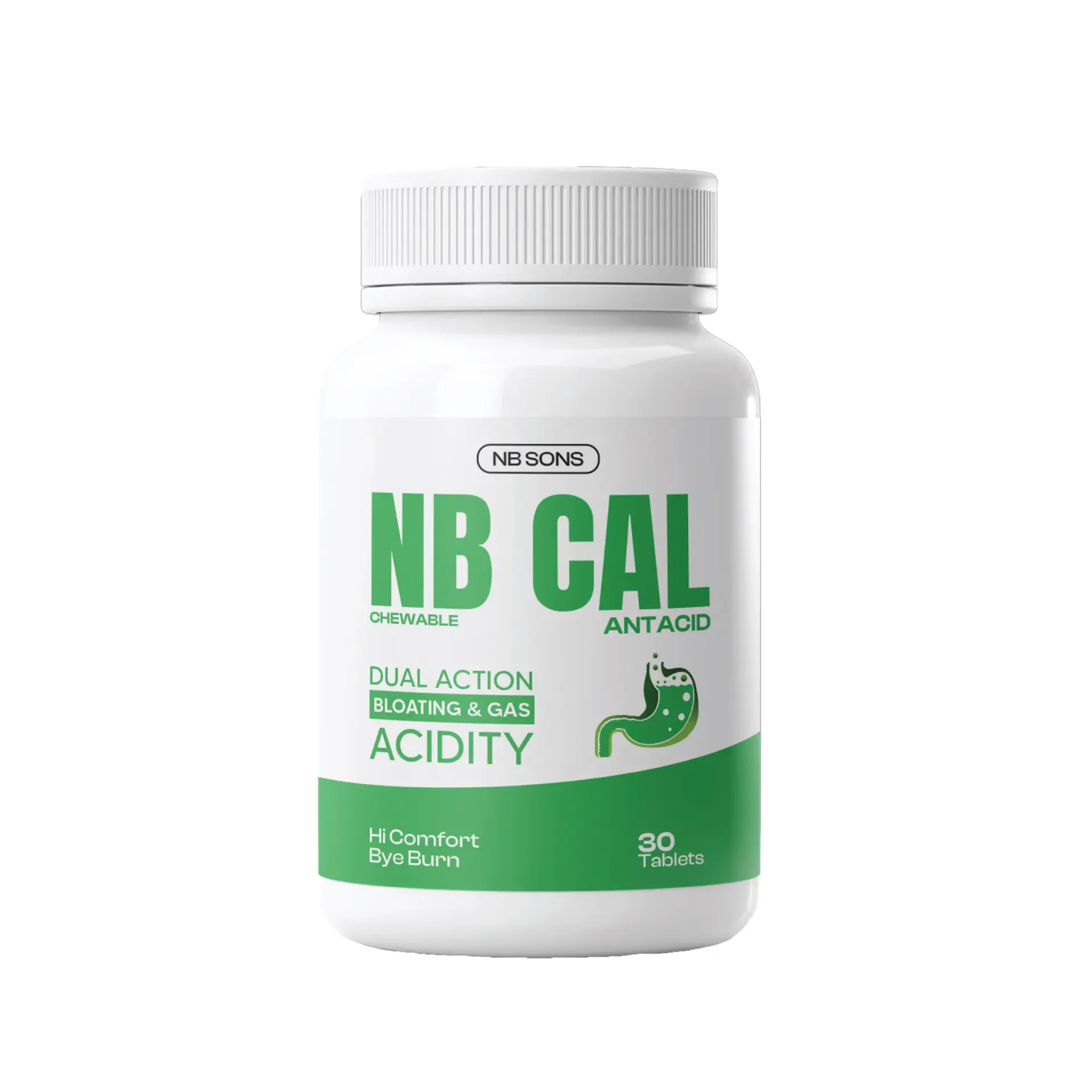
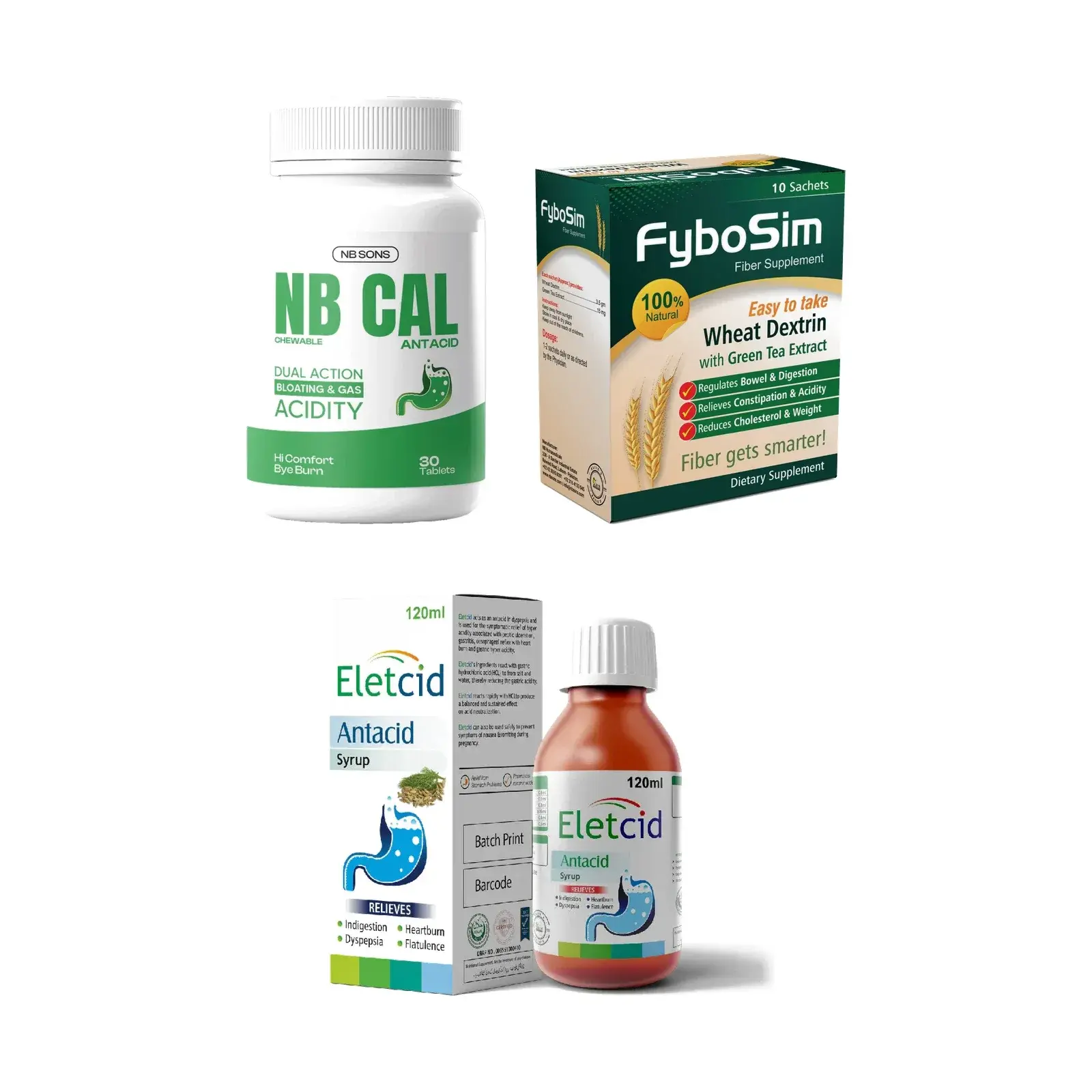
For occasional heartburn, a calcium or magnesium-based antacid neutralises stomach acid within minutes. It is the most convenient option to keep at home. NB CAL Calcium Antacid for Acidity & Gas (Rs 425) is designed exactly for this. It gives fast relief from acidity and the bloated, gassy feeling that comes with it.
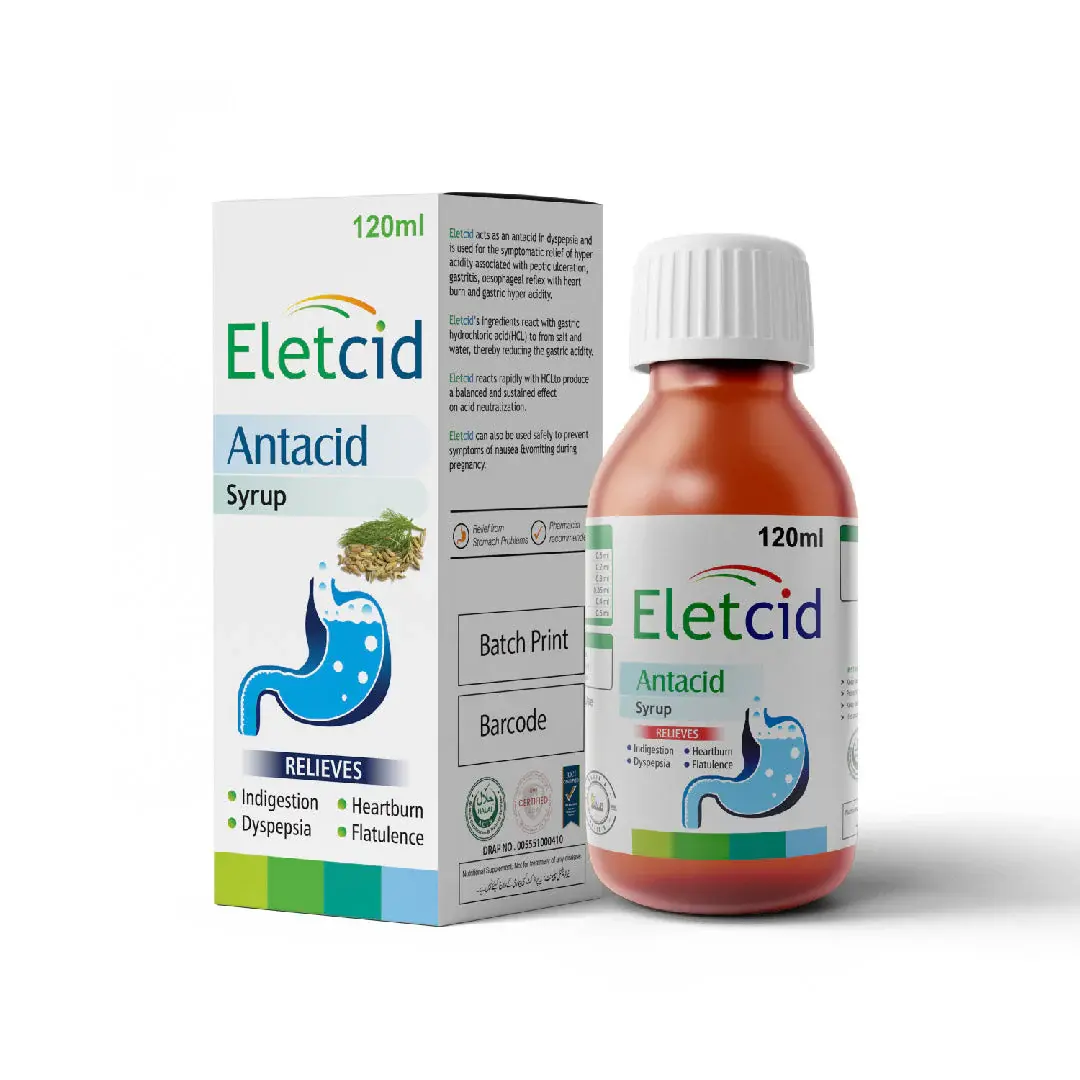
Want a gentler, soothing approach to everyday discomfort? Eletcid Digestive Comfort Syrup (Rs 250) is an easy syrup option. The Digestive Comfort Trio (Rs 820) bundles complementary support if you want a fuller kit at a better combined price.
Antacids are ideal for now-and-then symptoms. But if you need them most days for more than a couple of weeks, step back and look at the bigger picture. Frequent reflux may need a stronger medicine such as a proton pump inhibitor (PPI), for example omeprazole or esomeprazole. These reduce how much acid the stomach makes.
PPIs are genuinely helpful for GERD. They are not meant to be taken casually for years without review. A doctor or pharmacist can advise whether a short PPI course suits you, and when to reassess.
| Option | Best for | How it works |
|---|---|---|
| Antacid (e.g. NB CAL) | Occasional, immediate relief | Neutralises acid that is already there, within minutes |
| Soothing digestive syrup | General comfort, gas, mild discomfort | Eases the stomach and supports digestion |
| PPI (prescription guidance) | Frequent reflux or diagnosed GERD | Reduces acid production over hours to days; needs medical advice |
Lifestyle fixes that prevent acidity coming back
Remedies treat the moment. Lifestyle changes stop the cycle. The most effective long-term steps are simple and free:
- Finish dinner at least two to three hours before bed.
- Eat smaller portions and slow down. Chewing properly reduces gas and pressure.
- Lose a little weight around the waist if you carry extra. This directly lowers reflux.
- Cut back on chai, fizzy drinks and very spicy or fried food, at least in the evenings.
- Stop smoking and limit late-night snacking.
- Increase fibre gently to support smoother digestion. A fibre supplement like Fybosim Fibre (Rs 390) can help if your diet is low in fruit, vegetables and whole grains. Build up slowly and drink plenty of water.
When it is NOT just acidity: red flags
Most acidity is harmless. But certain symptoms mean you should see a doctor promptly, rather than reaching for another antacid. Treat these as warning signs:
- Unexplained weight loss alongside reflux or indigestion.
- Difficulty or pain when swallowing, or food feeling stuck.
- Black, tarry stools or vomiting blood, which can signal bleeding.
- Persistent vomiting, or symptoms that keep returning despite treatment.
- Chest pain that could be cardiac. Heartburn and a heart problem can feel similar. If chest pain is crushing, spreads to the arm, jaw or back, or comes with sweating, breathlessness or dizziness, treat it as an emergency and seek immediate help. Do not assume it is "just acidity".
Anyone over 50 with new, persistent indigestion should also get checked. The same goes for anyone with a family history of stomach problems. For trustworthy background reading, see the NHS guide to heartburn and acid reflux, the Mayo Clinic page on GERD and the Cleveland Clinic overview of acid reflux.
This article was written and medically reviewed to our medical review board standards and is for general guidance, not personal medical advice. Always speak to a doctor or pharmacist about your own situation.
Shop NB CAL Calcium Antacid →Frequently asked questions
What is the fastest home remedy for acidity?
A small glass of plain cold milk or a few sips of water often eases the burning within minutes. For faster, more reliable relief, a calcium antacid such as NB CAL neutralises acid quickly. If the burning is severe or keeps coming back, see a doctor.
Does cold milk really help with heartburn?
For many people, yes, in the short term. It temporarily buffers stomach acid. Keep the portion small and skip the sugar. It is a soothing remedy rather than a long-term fix, so pair it with the lifestyle changes above.
Is it safe to take antacids every day?
Occasional use is fine for most adults. If you need an antacid almost daily for more than two weeks, speak to a doctor or pharmacist instead. Frequent symptoms may need a different approach, such as a short PPI course or a check for the underlying cause.
Why is my acidity worse during Ramadan?
A long fast, followed by a large, fried, sugary iftar and a late heavy sehri, overloads the stomach at the wrong times. Smaller, balanced meals help. So does less fried food, and not lying down straight after eating.
Can acidity cause chest pain?
Yes, heartburn often feels like burning chest pain. The problem is that heart trouble can feel similar. If chest pain is severe, crushing, spreads to the arm or jaw, or comes with sweating or breathlessness, treat it as a possible cardiac emergency. Get help immediately rather than assuming it is acidity.
When should I see a doctor for acid reflux?
See a doctor if you have weight loss, difficulty swallowing, black stools, vomiting blood, or symptoms that persist despite treatment. The same applies if you are over 50 with new indigestion. These can signal something more serious than ordinary acidity.
Does more fibre help with acidity?
A higher-fibre diet supports smoother digestion and a healthier weight. Both can reduce reflux over time. Increase fibre gradually and drink plenty of water. A supplement such as Fybosim can fill the gap if your diet is low in fruit, vegetables and whole grains.
For more on settling your stomach and improving digestion, read our guides on how to reduce bloating naturally, constipation relief home remedies, the real story on apple cider vinegar benefits, and when to take your vitamins for best absorption.
Liked this one? Get the next in your inbox.
One fortnightly note from the editors, new pieces, restocks, and the routines we're actually using. Unsubscribe any time.