Constipation in Pakistan: Causes, Home Remedies & Fibre That Helps (2026)
Constipation (qabz) is common in Pakistan and usually easy to fix. What causes it, which home remedies and fibre actually work, and when to see a doctor.

Did you know most adults need around 25 to 30 grams of fibre a day, yet very few people on a typical rice and refined-flour diet get close? That gap is a leading reason constipation, or qabz, is one of the most common digestive complaints in Pakistan.
The good news is that simple constipation home remedies fix it for most people. The usual culprits are low fibre, too little water and not enough movement. The usual cures are gentle and effective.
This guide explains what actually counts as constipation, and why hard stool and qabz ka ilaj are searched so often here. It covers the proven home remedies and fibre that bring relief, how to use a fibre supplement properly, and the warning signs that mean it is time to see a doctor.
What actually counts as constipation
There is no single "correct" number of times to pass stool. Normal ranges from about three times a day to three times a week.
You are likely constipated if you regularly have fewer than three bowel movements a week. Other signs are passing hard or lumpy stool, straining to go, feeling you cannot fully empty, or needing to help things along manually. An occasional off day is normal. A pattern that lasts for several weeks is what we call constipation.
Common causes of constipation in Pakistan
Most constipation is down to everyday habits rather than disease. The frequent causes here include:
- Low fibre intake: diets heavy in white rice, naan, refined flour (maida) and fried food, but light on fruit, vegetables, beans and whole grains.
- Not enough water: in hot weather, and during fasting, mild dehydration makes stool hard and difficult to pass.
- Too little movement: long hours sitting at a desk, in traffic or at home slow the gut down.
- Ignoring the urge: holding it in, often because of busy routines or dislike of public toilets, trains the bowel to become sluggish.
- Refined, low-residue diet: highly processed meals leave little bulk to move things along.
- Certain supplements and medicines: iron tablets and calcium supplements are common causes, as are some painkillers and antacids.
- Other factors: pregnancy, stress, an underactive thyroid and ageing can all contribute.
Proven home remedies and how to relieve constipation
For ordinary qabz, the following steps work for most people. They are the foundation of any qabz ka ilaj. Give them a week or two of consistency before judging results.
Eat more fibre foods
Fibre adds bulk and softness to stool. Build your plate around fruit with skins (apple, pear, guava), vegetables, beans and lentils (daal, chana), oats, brown rice and whole-wheat atta instead of maida. Papaya and other fruits are gentle, traditional choices for easing the bowels.
Drink more water
Fibre only works well with enough fluid. Aim for plenty of water through the day, and more in hot weather. Hard stool is very often simply dehydrated stool.
Try psyllium husk (ispaghol)
Ispaghol, also called psyllium, is a time-tested, widely available natural fibre in Pakistan. Stir it into a glass of water and drink it promptly, then follow with more water. It softens stool and adds bulk. It is gentle enough for regular use when taken with adequate fluid.
Prunes and warm fluids
Prunes (dried plums) contain fibre and natural sorbitol that draw water into the bowel. This makes them one of the best-studied natural remedies. A warm drink in the morning can also stimulate the urge to go.
Move your body and keep a routine
Even a daily walk helps the gut contract and move waste along. It also helps to visit the toilet at the same time each day, often after breakfast. Never ignore the urge when it comes.
Fibre supplements and how to use them properly
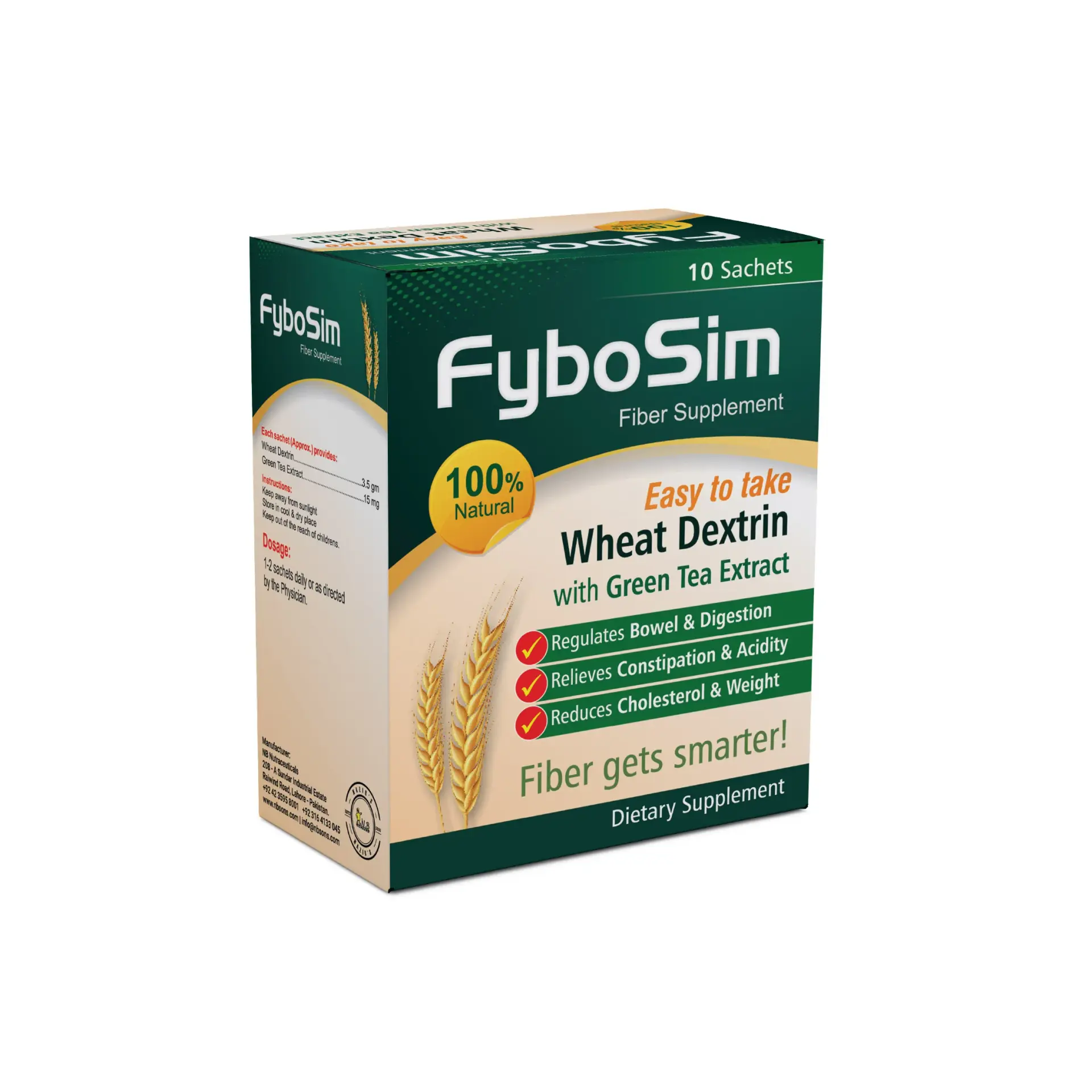
Is your daily diet genuinely low in fibre? Then a supplement can bridge the gap reliably. Fybosim Natural Fibre Supplement (Rs 390) is an easy way to top up your fibre intake and support regular, comfortable bowel movements. The single most important rule with any fibre supplement is to take it with plenty of water. Fibre without enough fluid can actually make constipation worse.
A few practical pointers:
- Start with a small dose and build up over several days, so your gut adjusts and you avoid extra gas and bloating.
- Always drink a full glass of water with each dose, and keep drinking through the day.
- Be consistent. Fibre works best as a daily habit, not a one-off.
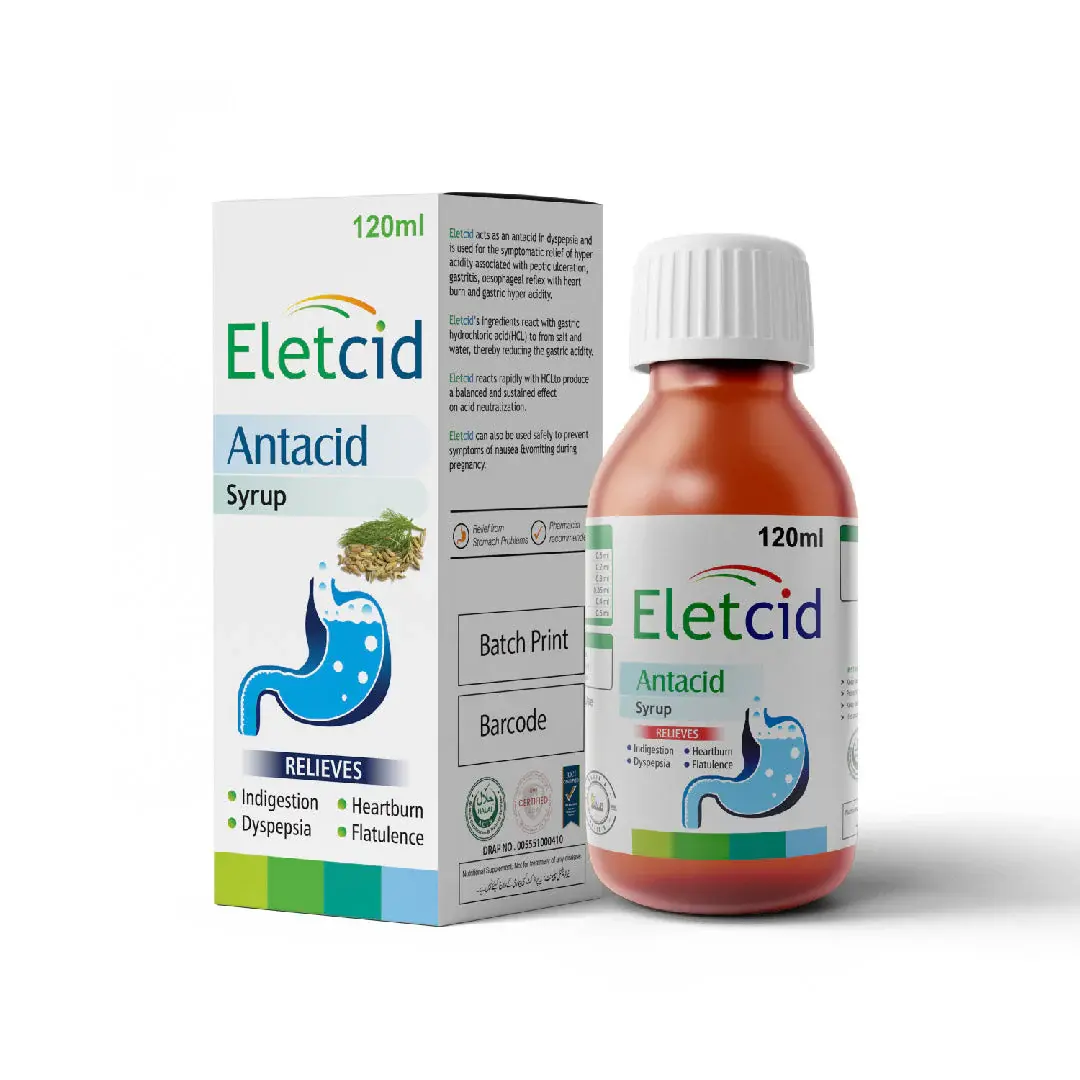
For broader, gentle digestive support, a soothing option such as Eletcid Digestive Comfort Syrup (Rs 250) can help ease general discomfort. The Digestive Comfort Trio (Rs 820) bundles complementary products together at a better combined price if you want a fuller kit.
Gentle versus harsh laxatives
Not all laxatives are equal, and it matters which you reach for.
| Type | How it works | Notes |
|---|---|---|
| Bulk-forming (fibre, ispaghol) | Adds bulk and softness, mimics dietary fibre | Gentlest, suitable for regular use with plenty of water |
| Osmotic | Draws water into the bowel to soften stool | Generally gentle; use as advised by a pharmacist |
| Stimulant laxatives | Force the bowel muscles to contract | For short-term use only; the bowel can become reliant if overused |
The safest long-term approach is fibre, fluid and movement. Add gentle bulk-forming or osmotic options when needed. Harsh stimulant laxatives are best kept for occasional, short-term use, and ideally on a pharmacist's advice.
Constipation in pregnancy and children
Constipation is very common in pregnancy, because of hormonal changes and iron supplements. It is also common in young children during weaning, toilet training or after a diet change.
In both cases, the gentle basics come first: more fibre-rich foods, plenty of fluids and encouraging regular toilet habits. Bulk-forming fibre is generally preferred over strong laxatives. Medicines and supplements need extra care in pregnancy and in children. So always check with a doctor or pharmacist before starting anything, rather than self-treating.
Iron, calcium and the supplements that can constipate you
Did your constipation start after beginning a new supplement? The supplement may be the cause. Iron tablets are a classic example, and a very common issue for women treating anaemia.
If you suspect this, do not simply stop an important supplement. Speak to your doctor about the dose, formulation or timing, and increase your fibre and water in the meantime. Our guide on iron deficiency in Pakistani women explains how to manage iron supplements while keeping your digestion comfortable.
Red flags: when to see a doctor
Most constipation is harmless and responds to home measures. See a doctor promptly if you have any of these warning signs, which need proper assessment:
- Blood in the stool or bleeding from the back passage.
- A sudden, persistent change in your normal bowel habit, especially over the age of 40.
- Unexplained weight loss.
- Severe or ongoing abdominal pain, bloating or vomiting.
- Constipation that does not improve despite several weeks of fibre, fluids and movement.
For reliable background reading, see the NHS guide to constipation, the Mayo Clinic overview and the NIH (NIDDK) page on constipation.
Read next: Best Fibre Supplement in Pakistan.
This article was written and medically reviewed to our medical review board standards and is for general guidance, not personal medical advice. Always speak to a doctor or pharmacist about your own situation.
Shop Fybosim Natural Fibre Supplement →Frequently asked questions
What is the fastest home remedy for constipation?
For many people, a few things together bring relief within a day or two: a glass of water with psyllium husk (ispaghol), a serving of prunes, more fibre at meals, and a short walk. There is no instant magic fix. But combining fibre, fluid and movement is the most reliable approach.
How much fibre do I need each day?
Most adults benefit from roughly 25 to 30 grams of fibre a day from food. Few people in Pakistan reach this on a refined-flour and rice-heavy diet. That is why fruit, vegetables, beans and a fibre supplement such as Fybosim can help close the gap.
Can a fibre supplement make constipation worse?
Yes, if you take it without enough water. Fibre absorbs fluid, so taking it dry or while dehydrated can harden stool further. Always take it with a full glass of water, keep drinking through the day, and build up the dose slowly.
Does iron cause constipation?
Iron supplements are a very common cause of constipation, especially in women treating anaemia. Do not stop an important supplement on your own. Ask your doctor about adjusting the dose, switching the formulation or changing the timing, and increase fibre and water meanwhile.
Is it safe to use laxatives regularly?
Gentle bulk-forming fibre is fine for regular use with plenty of water. Harsh stimulant laxatives are best kept for short-term, occasional use, because relying on them can make the bowel sluggish over time. Speak to a pharmacist if you feel you need laxatives often.
When should I worry about constipation?
See a doctor if you notice blood in the stool, a sudden lasting change in bowel habit (especially over 40), unexplained weight loss, severe abdominal pain, or constipation that will not improve despite several weeks of home measures.
Is constipation common in pregnancy?
Very. Hormonal changes and iron supplements both slow the bowel. Focus on fibre-rich foods, plenty of fluids and regular toilet habits. Check with your doctor or pharmacist before taking any laxative or new supplement during pregnancy.
For more on a happy, comfortable gut, read our guides on how to reduce bloating naturally, fast relief for acidity and heartburn, the real evidence on apple cider vinegar benefits, and managing iron deficiency in Pakistani women.
Liked this one? Get the next in your inbox.
One fortnightly note from the editors, new pieces, restocks, and the routines we're actually using. Unsubscribe any time.