Iron Deficiency in Pakistani Women: Symptoms & Solutions 2026
Iron deficiency is common in Pakistani women. Learn the key symptoms, the tests to ask for and how to restore healthy iron levels.
According to the Pakistan Demographic and Health Survey, more than 1 in 2 women of reproductive age in Pakistan are anaemic. Iron deficiency is the leading cause. That makes it one of the most common, and most overlooked, health problems women here face.
Feel tired all the time? Cold hands and feet when everyone else is fine? Heart racing after a single flight of stairs? These are not just signs of a busy life. For millions of Pakistani women, they are the quiet daily signals of iron deficiency anaemia.
Among pregnant women, the rate climbs even higher. This is not a minor issue. Untreated iron deficiency affects your energy, immunity, fertility, thinking, and quality of life. And the toll builds over time.
This complete guide covers what every Pakistani woman needs to know. We explain what iron deficiency is, why Pakistani women are hit so hard, how to spot the symptoms, and, most of all, what you can do about it today.
What Is Iron Deficiency Anaemia?
Iron is an essential mineral. Your body uses it to make haemoglobin, the protein in red blood cells that carries oxygen from your lungs to every tissue, organ, and muscle. When iron runs low, your body cannot make enough healthy red blood cells. Oxygen delivery across the body then suffers.
The condition develops in three stages:
- Iron depletion: Iron stores (ferritin) are low, but haemoglobin is still normal. No obvious symptoms yet.
- Iron deficiency without anaemia: Ferritin is very low, and the body starts to struggle to make enough red blood cells. Fatigue and mild symptoms appear.
- Iron deficiency anaemia: Haemoglobin drops below normal. Full symptoms emerge, such as heavy fatigue, breathlessness, and pale skin.
Most Pakistani women who feel constantly tired sit somewhere in stages 2 to 3, often without ever having a blood test to confirm it.
Why Are Pakistani Women So Vulnerable to Iron Deficiency?
In Pakistan, iron deficiency is more than a diet problem. It is a structural one. Several overlapping factors raise the risk for women:
Menstruation
Every cycle, women lose iron through blood. Heavy periods (menorrhagia) make this worse. They are common in women with PCOS, fibroids, or hormone imbalances, and can drain iron faster than diet can replace it. PCOS affects an estimated 10 to 15% of Pakistani women of reproductive age, so iron loss from heavy cycles is very widespread.
Pregnancy and Breastfeeding
During pregnancy, iron needs nearly double. The body needs it for the baby’s blood supply and the placenta. Pakistan has one of the highest fertility rates in the region. Many women have closely spaced pregnancies, which leaves no time for iron stores to recover. Breastfeeding then keeps drawing on those reserves after birth.
Dietary Patterns
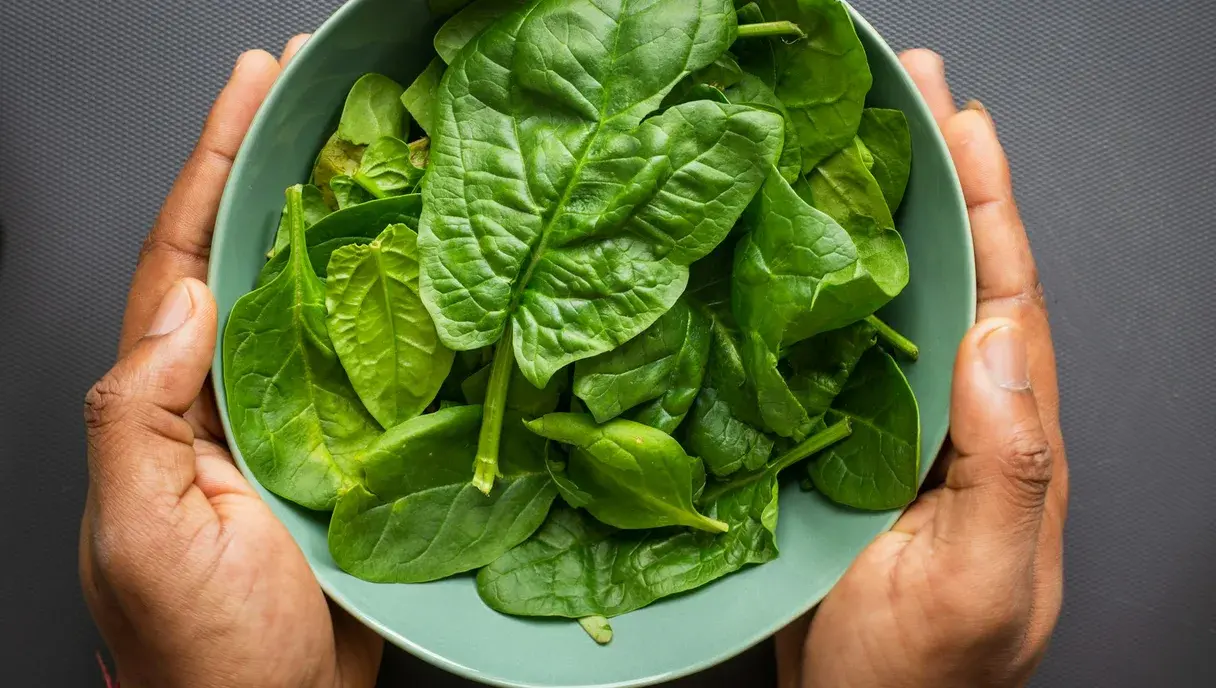
Traditional Pakistani diets are rich in plant-based non-haem iron from lentils, spinach, and beans. They are lower in haem iron from red meat and organ meats. Non-haem iron is much harder for the body to absorb. To make matters worse, meals often include iron blockers like chai, drunk several times a day. Tannins in tea bind iron and can cut absorption by up to 70% when taken with food.
Limited Healthcare Access and Awareness
Many Pakistani women treat the symptoms as normal. Fatigue, paleness, and breathlessness get dismissed as “just being tired” or “part of being a woman.” Routine blood tests are not common in much of the country, especially in rural areas. So iron deficiency often goes undiagnosed and untreated for years.
Gastrointestinal Issues
H. pylori infection, very common in Pakistan, plus intestinal parasites and coeliac disease, all hurt iron absorption in the gut. A woman with low dietary iron and poor gut absorption faces a double deficit that diet alone cannot fix.
Iron Deficiency Symptoms in Pakistani Women: A Complete List
Many women blame these symptoms on stress, overwork, or “just how things are.” Seeing them as possible iron deficiency is the first step towards getting tested and treated.
Physical Symptoms
- Chronic fatigue and weakness, not relieved by rest. This is the most common and often the most draining symptom
- Pale or yellowish skin, especially on the inner lower eyelid. Pull it down; it should be vivid pink or red. Pale pink or white suggests anaemia
- Shortness of breath on light effort, like climbing stairs or walking briskly
- Heart palpitations or a rapid heartbeat, as the heart works harder to make up for low oxygen
- Cold hands and feet, from poor circulation due to fewer red blood cells
- Headaches and dizziness, especially on standing up quickly (orthostatic hypotension)
- Brittle nails with ridges or a spoon shape (koilonychia)
- Hair loss. Telogen effluvium triggered by iron deficiency is very common in Pakistani women
- Sore or swollen tongue, which may look smooth and shiny
- Frequent infections, since iron supports immunity and low iron weakens it
Neurological and Cognitive Symptoms
- Brain fog and poor concentration, as low oxygen to the brain affects focus and memory
- Irritability and mood changes, since iron helps make dopamine and serotonin
- Restless leg syndrome (RLS), a crawling, uneasy feeling in the legs at night, strongly linked to iron deficiency
- Trouble sleeping despite exhaustion
Unusual Symptoms That Often Go Unrecognised
- Pica, a craving to eat non-food items like ice, clay, dirt, or chalk. It is often reported in Pakistani women with severe iron deficiency
- Difficulty swallowing (dysphagia) in severe cases
- Ankle swelling in advanced anaemia
How to Diagnose Iron Deficiency in Pakistan
A simple blood test can confirm iron deficiency. Most pathology labs in Pakistan offer these at affordable rates. If you suspect a problem, ask your doctor for:
| Test | What It Measures | What to Look For |
|---|---|---|
| Hemoglobin (Hb) | Red blood cell oxygen carrier | Normal: >12 g/dL for women; below = anaemia |
| Serum Ferritin | Iron storage levels | Optimal: 50-150 ng/mL; below 30 = depleted |
| Serum Iron | Circulating iron in blood | Normal: 60-170 mcg/dL |
| TIBC (Total Iron Binding Capacity) | Transferrin capacity | High TIBC with low iron = iron deficiency |
| Complete Blood Count (CBC) | Red blood cell size and count | Small, pale RBCs (microcytic hypochromic) = iron deficiency pattern |
Important: Ferritin below 30 ng/mL can cause symptoms even when haemoglobin looks normal. Many women are told they are “fine” because haemoglobin is borderline, while their ferritin stores are critically low. Always ask for ferritin by name.
How to Treat Iron Deficiency: A Practical Pakistan Guide
Step 1: Increase Dietary Iron Intake
Diet is the foundation. Here is a breakdown of iron sources available to Pakistani women:
| Food | Iron Content | Type | Pakistani Context |
|---|---|---|---|
| Beef liver (Kaleji) | ~6.2 mg per 85g | Heme (high absorption) | Affordable, widely eaten |
| Red meat (Beef/Mutton) | ~2-3 mg per 85g | Heme | Regular Pakistani diet |
| Lentils (Dal Masoor/Chana) | ~3.3 mg per cup | Non-heme | Daily staple |
| Spinach (Palak) | ~3.2 mg per cup | Non-heme | Affordable, year-round |
| Pumpkin seeds | ~2.5 mg per 30g | Non-heme | Easy snack addition |
| Kidney beans (Rajma) | ~3.9 mg per cup | Non-heme | Common in Pakistani cooking |
| Chickpeas (Chanay) | ~4.7 mg per cup | Non-heme | Extremely common |
| Dark chicken meat | ~1.1 mg per 85g | Heme | Widely available |
Step 2: Maximise Iron Absorption
What you eat your iron with matters as much as how much you eat:
- Pair with Vitamin C: Vitamin C turns plant-based non-haem iron into a form your body absorbs more easily. Add lemon juice to dal, eat orange segments with your meal, or take a Vitamin C supplement alongside iron. A 2022 review in Nutrients confirmed Vitamin C can increase non-haem iron absorption by up to 3 to 6 times. Our guide to iron supplements in Pakistan compares the forms and brands worth buying.
- Avoid chai with meals: This is the single most useful change Pakistani women can make. Drink chai 1 to 2 hours after meals instead. Tannins in tea bind iron in the gut and can cut absorption by up to 70%.
- Keep calcium separate: Calcium competes with iron for absorption. Do not take calcium and iron supplements together.
- Cook in cast iron pans: Studies show that cooking acidic foods, like tomato-based curries, in cast iron raises the iron content of the food.
Step 3: Consider Iron Supplementation
For women with confirmed iron deficiency, diet alone rarely rebuilds depleted stores quickly. Supplements are usually needed for 3 to 6 months to restore ferritin.
But not all iron supplements are equal. Standard ferrous sulphate, the most prescribed form in Pakistan, is well known for causing constipation, nausea, stomach pain, and dark stools. Many women stop taking it before their stores recover.
Gentler, better-tolerated forms include:
- Iron bisglycinate (chelated iron): Highest bioavailability, gentlest on the stomach, no constipation. The preferred form for women who cannot tolerate standard ferrous sulphate.
- Ferrous gluconate: Less elemental iron, but better tolerated than ferrous sulphate.
- Ferrous fumarate: More elemental iron than gluconate, with moderate tolerance.
The Fertility Connection: Iron Deficiency and PCOS in Pakistani Women
Iron and hormonal health are more linked than most women realise. For Pakistani women with PCOS, the connection runs deep:
- Heavy periods from PCOS raise iron loss, creating a faster depletion cycle
- Iron deficiency can worsen fatigue and brain fog, symptoms that overlap with PCOS and make the two hard to tell apart
- Iron is needed for thyroid function, and thyroid disorders often sit alongside PCOS in Pakistani women
- Low iron can harm egg quality and ovulation, with some research suggesting it may add to ovulatory infertility on its own
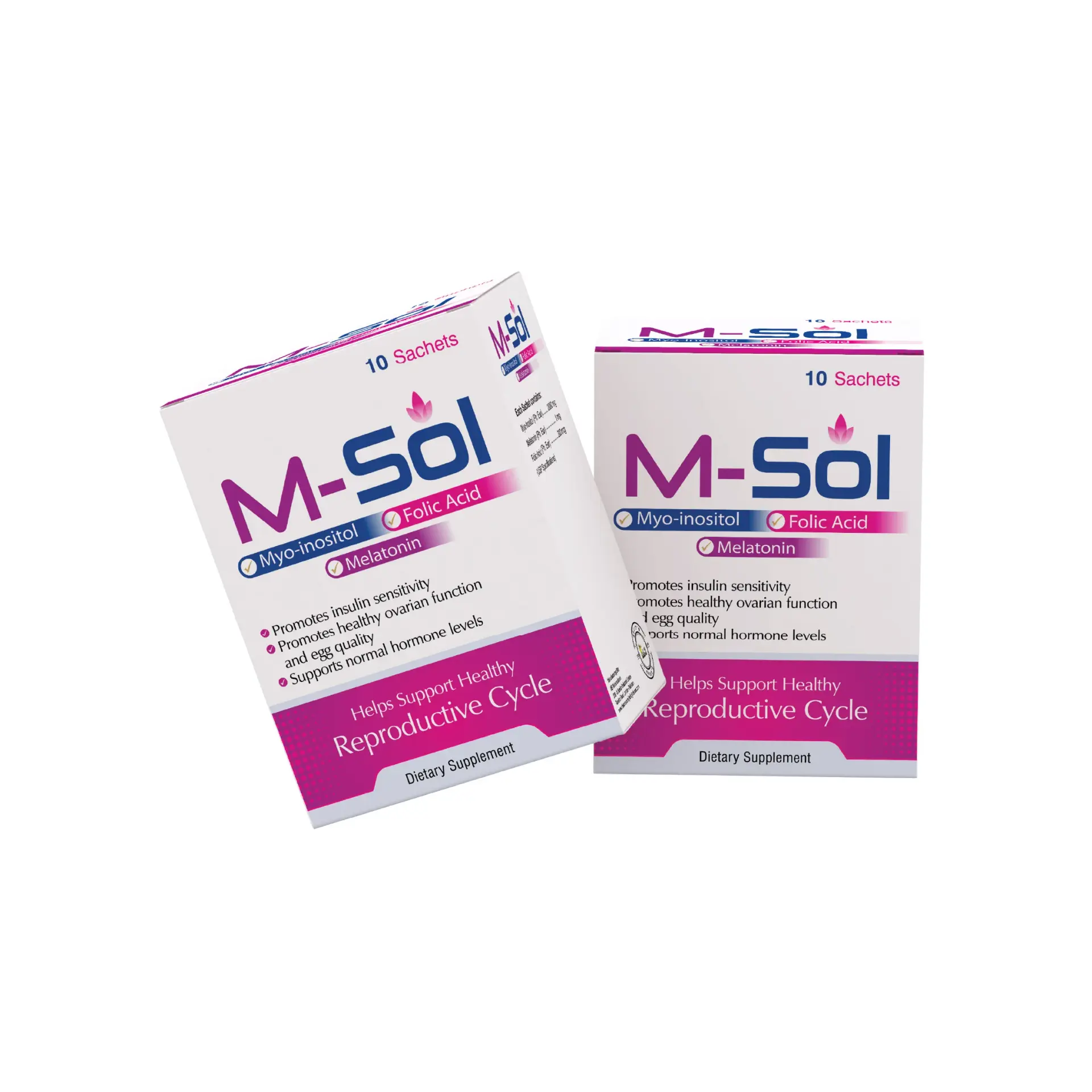
Women managing PCOS with supplements like M-Sol Sachet (myo-inositol plus folate for PCOS management) should also track and address iron alongside hormonal support. These work together, not against each other.
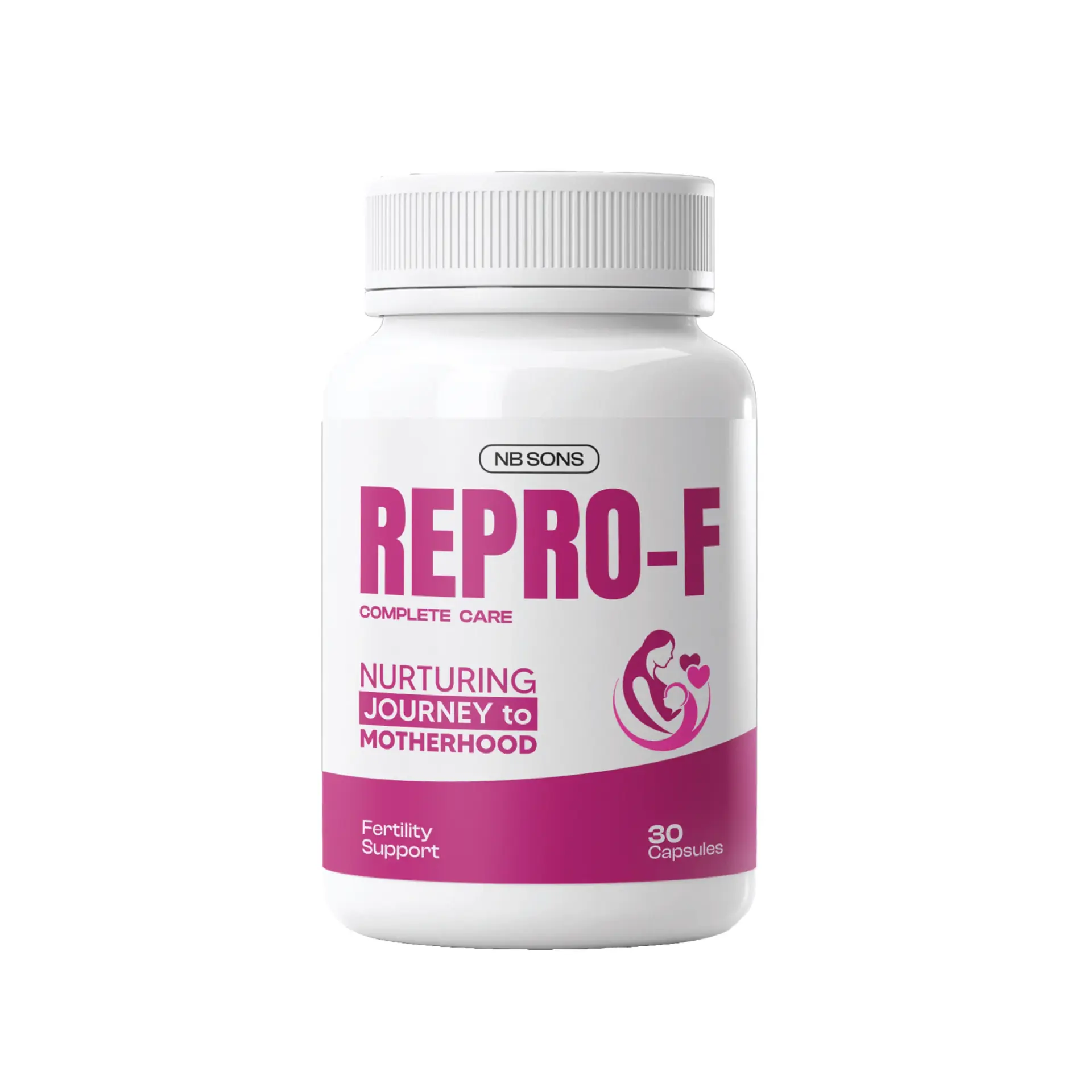
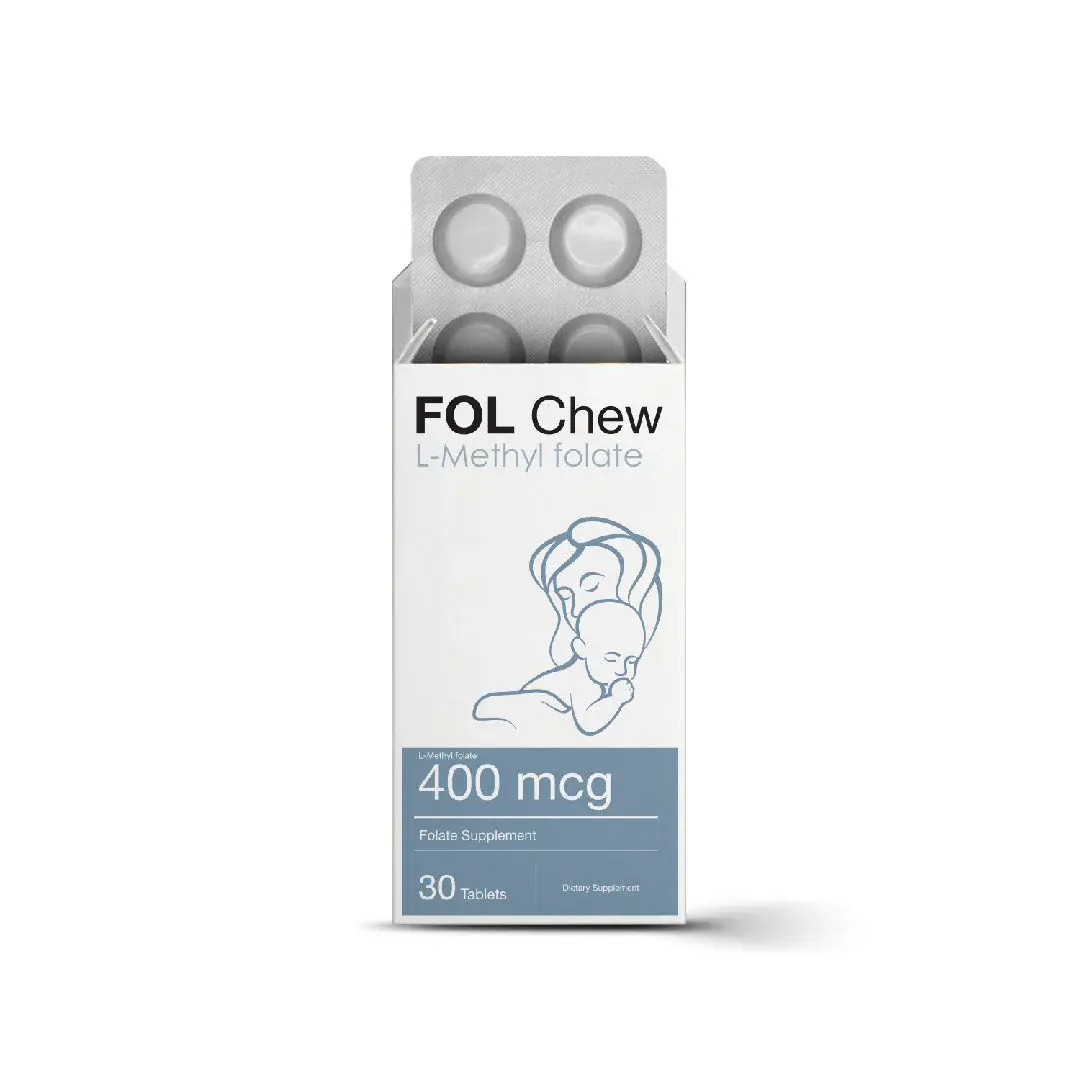
Likewise, women using Repro F (prenatal formula) or Fol Chew before conception should check their iron status. Iron deficiency in early pregnancy raises the risk of preterm birth, low birth weight, and postpartum depression.
Vitamin C and Iron: The Combination Every Pakistani Woman Should Know
Vitamin C is iron’s best ally. It does not just nudge absorption up; it can transform it. Vitamin C changes poorly absorbed plant-based non-haem iron into a ferrous form the gut takes up far more easily.
For Pakistani women whose iron comes mostly from plants like dal, palak, and chanay, pairing meals with Vitamin C, or supplementing it, is one of the highest-impact, lowest-effort steps available.
- Squeeze lemon or orange juice over dal or vegetable dishes
- Eat raw tomatoes or bell peppers alongside iron-rich meals
- Take Cee by Yellow Pink (Vitamin C 500mg) with your largest iron-rich meal of the day
- Or try Asco C, an effervescent Vitamin C that is easy to take and well-absorbed
This simple pairing, iron-rich food plus Vitamin C, can meaningfully improve iron status with no other supplements, especially for women in the early stages of depletion.
Iron During Pregnancy: Special Considerations for Pakistani Women
Pregnancy raises iron needs sharply. The WHO recommends 30 to 60 mg of supplemental iron daily during pregnancy. Yet studies show most Pakistani pregnant women do not get enough. Many who do receive a prescription stop early because of side effects.
Iron deficiency during pregnancy can lead to:
- Higher risk of maternal death (Pakistan has one of the region’s highest maternal mortality rates)
- Preterm delivery
- Low birth weight in the baby
- Poorer cognitive and motor development in the child
- Postpartum depression
- More infections in both mother and baby
If you are pregnant or planning to be, and you have not had your iron checked, make it a priority at your next prenatal visit. Pair iron awareness with full prenatal support through products like Repro F, which supports overall maternal nutrition.
Iron Deficiency vs. Thalassemia: An Important Distinction
Pakistan has one of the world’s highest rates of thalassemia trait. An estimated 5 to 8% of Pakistanis carry beta-thalassemia. The trait can mimic iron deficiency anaemia on a standard blood count, with small red cells and mild anaemia. But it is a different condition that needs a different approach.
The key difference: Taking iron when you have thalassemia trait but not iron deficiency can cause iron overload, which damages organs. That is why a proper diagnosis matters, including ferritin testing and, if needed, haemoglobin electrophoresis, before you start iron.
If your doctor suspects thalassemia, a haemoglobin electrophoresis test will confirm it. Women who have thalassemia trait and are also iron deficient can still take iron, but only under medical supervision with regular monitoring.
Conclusion: Iron Deficiency Is Treatable, Stop Accepting the Exhaustion
Iron deficiency anaemia is one of the most common and most treatable conditions affecting Pakistani women. Yet millions live with it for years. They normalise fatigue, hair loss, breathlessness, and poor focus as facts of life. They are not.
The way forward is simple. Get tested, learn your ferritin level, pair iron-rich foods with Vitamin C, cut chai during meals, and supplement properly if needed. For women managing PCOS, fertility, or pregnancy, addressing iron is not optional. It is foundational.
Your energy, focus, hair, fertility, and daily quality of life all depend on getting this right. Start with a blood test. The answers are there.
Support your iron absorption and overall women’s health with Yellow Pink’s targeted supplement range. Pair an iron-rich diet with Cee (Vitamin C 500mg) or Asco C (effervescent Vitamin C) to maximise iron uptake. For PCOS and fertility support, explore M-Sol Sachet and Repro F, Pakistan’s trusted women’s health supplements.
This article was written and medically reviewed to our medical review board standards and is for general guidance, not personal medical advice. Always speak to a doctor or pharmacist about your own situation.
Shop Ferosim Iron Supplement →Frequently asked questions
How long does it take to recover from iron deficiency anaemia?
With steady supplementation, haemoglobin usually returns to normal within 4 to 8 weeks. But rebuilding ferritin (iron stores) takes longer, usually 3 to 6 months of continued use, even after haemoglobin recovers. That is why doctors keep iron going for months after counts look normal. Stopping too soon is a main reason women relapse.
Is it safe to take iron supplements daily in Pakistan?
Yes, when you are deficient. But recent research shows that taking iron every other day can actually improve absorption while easing side effects. The gut absorbs iron better with a “rest day” between doses. Ask your doctor whether this suits your case.
Can drinking chai really cause iron deficiency?
Not directly. Chai does not cause deficiency on its own. But drinking chai with meals strongly worsens iron absorption in Pakistan. If you are already at risk, while menstruating, pregnant, or vegetarian, tea with every meal meaningfully harms your iron status over time. Switch to chai between meals instead of with food.
My doctor said my hemoglobin is normal but I still feel exhausted, why?
Ask for a ferritin test by name. Haemoglobin can stay in the normal range even when ferritin (iron storage) is dangerously low. Research confirms that women with ferritin below 30 to 50 ng/mL feel real fatigue, brain fog, and hair loss despite “normal” haemoglobin. This is called “iron deficiency without anaemia” and is badly underdiagnosed in Pakistan.
Does iron deficiency cause hair fall in Pakistani women?
Yes. This is one of the most common but least recognised links. Iron is essential for hair follicle cell division and growth. Low ferritin triggers telogen effluvium, where more hairs than usual enter the shedding phase at once. Women often see diffuse thinning across the scalp rather than bald patches. Restoring iron, to ferritin above 70 ng/mL, usually reverses this hair loss within 3 to 6 months.
Which foods help the most with iron deficiency in Pakistan?
Beef kaleji (liver) is the single most iron-rich food within reach for most Pakistanis. It holds over 6 mg of highly absorbable haem iron per serving. After that, eat red meat 2 to 3 times a week, plus daily dal, palak, and chanay, always paired with Vitamin C, such as lemon juice, tomatoes, or a Cee supplement, to boost absorption.
Liked this one? Get the next in your inbox.
One fortnightly note from the editors, new pieces, restocks, and the routines we're actually using. Unsubscribe any time.