Protein Supplements for Men in Pakistan: Complete Fitness & Muscle Building Guide 2026
A complete 2026 guide to protein supplements for men in Pakistan, covering whey, dosing and how to build muscle effectively.
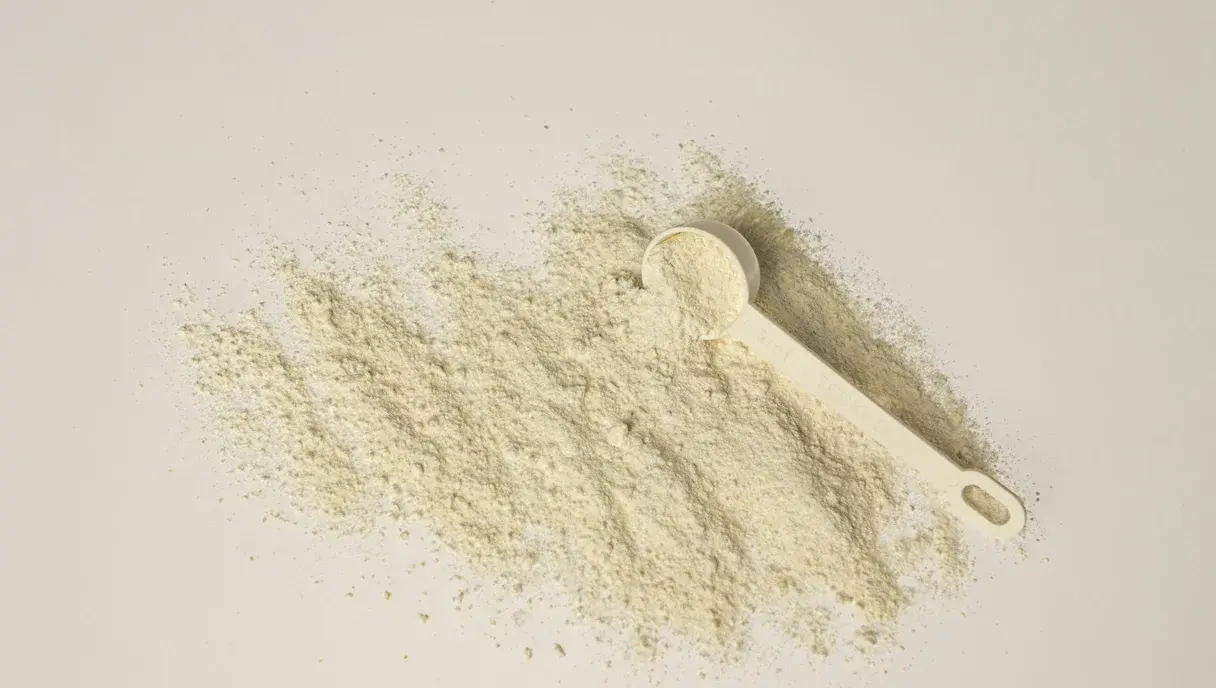
Did you know the average Pakistani eats only around 55 to 65 grams of protein a day? Nutrition surveys put it there, well below what an active man needs to build muscle. So if you train hard in a gym in Karachi, Lahore, or Islamabad, you are likely falling short. This guide explains protein supplements for men in Pakistan in plain terms.
Your gym buddy swears by whey. The trainer pushes egg white. Everyone on fitness Instagram posts their post-workout shake. But few men ask the honest question. Do you actually know what you are putting in your body, whether it suits your goals, and how to choose without wasting thousands of rupees?
No hype here, and no brand cheerleading. Just what Pakistani men need to know about protein supplements for fitness and muscle building in 2026.
Why Protein Is Non-Negotiable for Muscle Building
Muscle is not built in the gym. It is built while you recover. When you lift, you create tiny tears in muscle fibres. Protein gives your body the amino acids to repair those fibres bigger and stronger than before. Without enough protein, you train hard and then starve the very process that delivers results.
The International Society of Sports Nutrition (ISSN) recommends 1.4 to 2.0 grams of protein per kilo of body weight per day for active people. For a 75 kg man who trains regularly, that is 105 to 150 grams daily. A typical Pakistani diet, heavy on roti, rice, and dal, falls well short. That is especially true for men serious about building muscle.
This is where protein supplements come in. They are not magic. They are convenient, concentrated protein that fills the gap between what your diet gives and what your muscles need.
Protein Deficiency in Pakistani Men: A Real Problem
Pakistan has a protein gap problem. Nutrition surveys put the average intake at around 55 to 65 grams a day. That is below the needs of sedentary adults, let alone active men building muscle. Several cultural and dietary factors play a part.
- Carbohydrate-dominant meals: Roti, chawal, and paratha are the staples. Protein is secondary at most meals.
- Meat is expensive: For many families, daily meat is simply not affordable.
- Plant protein isn't complete: Dal and legumes are good, but they lack the full amino acid profile needed for muscle repair.
- Dairy is under-consumed: Lactose intolerance is common in Pakistan, and many men avoid milk beyond chai.
The result is clear. Pakistani men who train regularly are often in a protein deficit without knowing it. This limits muscle gains, slows recovery, and even adds to fatigue despite regular workouts. For these men, supplements are not a luxury. They are a practical necessity.
Types of Protein Supplements Available in Pakistan
Walk into a supplement store in any major city and you will feel overwhelmed. Here is an honest breakdown of the main types and who each one suits.
Whey Protein (Concentrate, Isolate, Hydrolysate)
Whey comes from cow's milk and is a byproduct of cheese-making. It is the most studied and widely available protein worldwide. It has a complete amino acid profile, with high leucine. Leucine is the key amino acid that triggers muscle building.
- Whey Concentrate: 70 to 80% protein, with some lactose and fat. Most affordable, and good for most men.
- Whey Isolate: Over 90% protein, with minimal lactose. Better for mild lactose sensitivity. Slightly pricier.
- Whey Hydrolysate: Pre-digested, with the fastest absorption. Most expensive, and usually unnecessary unless you have gut issues.
Best for: Post-workout recovery, muscle building, and men who tolerate dairy well.
Caution for Pakistani men: Many imported whey products on Daraz are grey-market with no quality checks, or genuinely expired. Always buy from reputable local retailers or directly verified sources.
Egg White Protein
Egg white protein is arguably the cleanest protein around. Eggs have the highest biological value of any whole-food protein. Egg white supplements drop the yolk (the fat) but keep all the essential amino acids. It digests more slowly than whey, so it delivers a steady supply of amino acids through the day and before sleep.
- Lactose-free, suitable for dairy-sensitive men (very common in Pakistan)
- Complete amino acid profile
- Easy to digest with minimal bloating
- Ideal for men who want clean, no-additive protein
Best for: Men with lactose intolerance, those wanting a whole-food protein, steady release through the day, older men (easier on digestion), and those who like to mix protein into food.
Casein Protein
Casein is the other milk protein. It digests very slowly, up to 7 hours, which makes it ideal at night. It is excellent for preventing muscle breakdown during sleep. But it suits immediate post-workout recovery less well, and it costs more than whey. In Pakistan, it is hard to find outside major city supplement stores.
Plant-Based Proteins (Pea, Soy, Rice)
Plant proteins are growing in Pakistan, especially pea protein (from yellow split peas). Single plant proteins are often incomplete. But blends, such as pea and rice, can match whey for building muscle. A 2015 study in the Journal of the International Society of Sports Nutrition found pea protein as effective as whey for muscle thickness gains. The catch is that plant proteins are generally hard to find in Pakistan at reasonable prices.
How Much Protein Do Pakistani Men Actually Need?
The "more is better" mindset around protein is wrong, and expensive. Here is what the science actually says.
| Activity Level | Protein Requirement | Example (75 kg man) |
|---|---|---|
| Sedentary (no exercise) | 0.8 g/kg body weight | 60 g/day |
| Lightly active (3x/week training) | 1.2-1.6 g/kg body weight | 90-120 g/day |
| Moderately active (5x/week training) | 1.6-2.0 g/kg body weight | 120-150 g/day |
| Serious athlete / bodybuilder | 2.0-2.4 g/kg body weight | 150-180 g/day |
| Caloric deficit (cutting phase) | 2.3-3.1 g/kg lean body mass | Higher end to preserve muscle |
For context, a typical Pakistani diet gives roughly 55 to 70g of protein a day from food. A man who trains 4 to 5 times a week and weighs 75 kg needs around 120 to 150g. The gap, 50 to 80 grams or more, is exactly what a supplement fills. One or two servings of a quality protein close it efficiently.
Beyond this point, extra protein adds no further muscle benefit. Your body just burns it for energy or excretes it. That wastes money and, over time, puts needless strain on your kidneys.
Timing: When to Take Protein Supplements
The "anabolic window", the idea that you have only 30 minutes after a workout or your gains vanish, is mostly hype from supplement marketing. But timing does matter in a broader way.
Post-Workout (Most Important)
Within 1 to 2 hours of training, muscle building is elevated and your muscles soak up amino acids well. A fast-digesting protein like whey or egg white is ideal here. For most men, 25 to 40g of protein is enough.
Morning (Breaking the Fast)
After 6 to 8 hours of sleep, your body is in a mildly catabolic state (breaking down muscle). A morning shake helps a lot, especially if breakfast is light. Chai and paratha give little real protein. The shake halts breakdown and kick-starts recovery from yesterday's training.
Before Bed
If you use egg white or casein protein, take it 30 to 60 minutes before sleep. This gives a steady release of amino acids overnight. That is when growth hormone peaks and muscle repair is most active.
What to Look for When Buying Protein in Pakistan
The Pakistani supplement market has a real quality problem. Counterfeit products, under-dosed tubs, and falsely labelled proteins are sadly common. This is especially true on Daraz and through unverified WhatsApp sellers. Here is what to check.
- Protein per serving: Should be 20 to 30g per serving. If a "protein supplement" shows only 12 to 15g, it is likely diluted.
- Ingredient list: The first or second ingredient should be your protein source (whey concentrate, egg white, and so on). Sugar, maltodextrin, and fillers should not be high on the list.
- BCAA content: Look for at least 5g of BCAAs (branched-chain amino acids) per serving, namely leucine, isoleucine, and valine. These are the key muscle-building amino acids.
- Verified brands: Prefer brands that can show their manufacturing standards. Pakistani-made supplements from registered companies are usually easier to verify than grey-market imports.
- Price check: Very cheap protein (Rs. 3,000 to 5,000 for a 2kg tub of "premium" whey) is almost always fake or adulterated. Genuine quality protein has a real cost.
Protein Supplements vs Real Food: Finding the Balance
Supplements supplement. They do not replace. Before adding more protein powder, Pakistani men should first max out whole-food protein.
| Food | Protein Per Serving | Pakistani Accessibility |
|---|---|---|
| Chicken breast (skinless, 100g cooked) | ~31g | Widely available, affordable |
| Eggs (2 whole) | ~12g | Very affordable, everyday food |
| Tuna (1 can, 85g) | ~20g | Moderate price, widely sold |
| Greek yoghurt (1 cup) | ~17g | Increasingly available |
| Lentils / Dal (1 cup cooked) | ~18g | Daily staple, very affordable |
| Paneer / cottage cheese (100g) | ~11g | Available in major cities |
| Dahi (1 cup) | ~9g | Everyday food across Pakistan |
Here is a realistic target. Build your base from chicken, eggs, dal, and dahi. Then use 1 to 2 scoops of protein supplement daily to close the gap. This is cheaper, more complete, and more sustainable than leaning too hard on powders.
Pairing Protein with the Right Support Supplements
Protein alone does not get the best results. Several other nutrients work right alongside protein for muscle building and recovery.
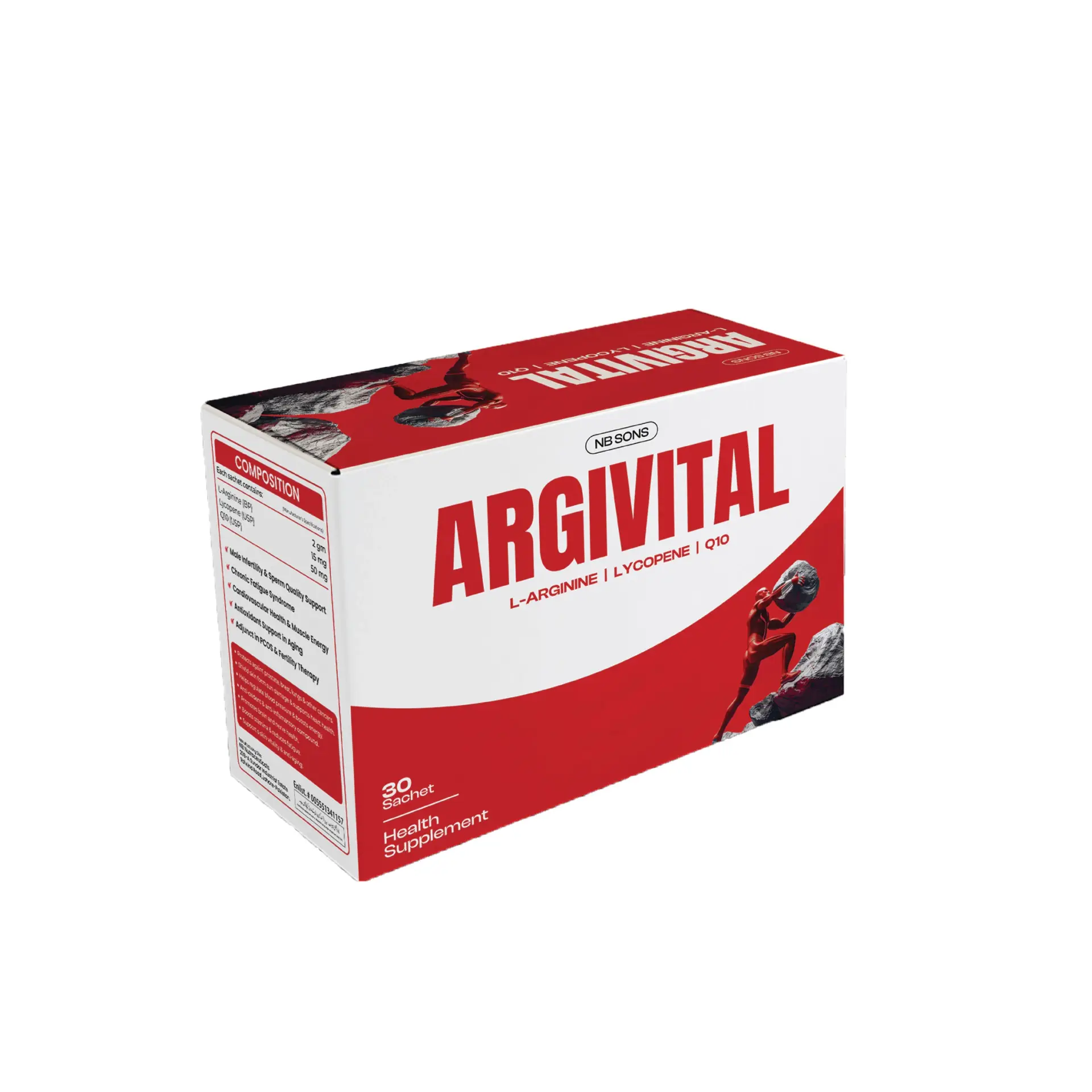
L-Arginine (Argivital by Yellow Pink)
Argivital provides L-arginine, a precursor to nitric oxide. This improves blood flow to muscles during training, delivering more nutrients and oxygen. Better blood flow means protein reaches muscle tissue more efficiently after a workout. L-arginine also plays a role in growth hormone release, especially during exercise.
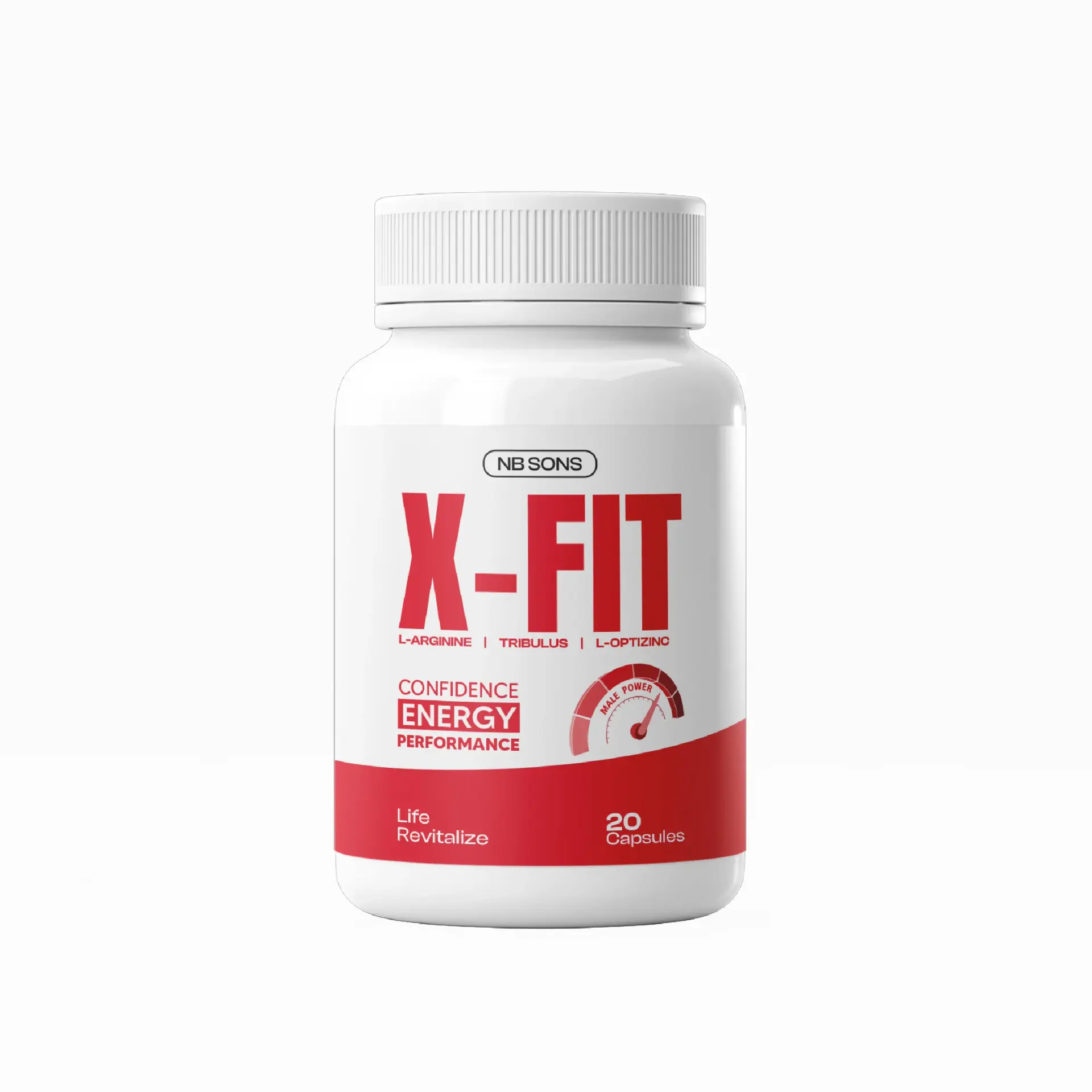
Male Vitality Support (X-fit by Yellow Pink)
Muscle building is driven by hormones. X-fit supports testosterone and overall male vitality. This hormonal environment decides how well your body responds to protein and training. Without enough testosterone, protein synthesis is blunted no matter how much protein you eat.
Magnesium Glycinate (Calco Fit by Yellow Pink)
Recovery happens during sleep, and sleep quality decides how well your body uses the protein you eat. Calco Fit (magnesium glycinate) improves sleep, reduces cramps and soreness, and supports the overnight muscle repair that protein makes possible.
Vitamin D3 (Meth D / Vit KD by Yellow Pink)
Vitamin D deficiency is very common in Pakistani men. Ironically, despite plenty of sun, most people avoid it or work indoors. Low vitamin D is directly linked to lower testosterone and weaker muscle building. Vit KD or Meth D makes sure this foundational gap does not undercut your training and protein.
Common Mistakes Pakistani Men Make with Protein Supplements
- Taking protein without training: Protein without resistance training does not build muscle. It just adds calories. The training stimulus is essential.
- Using protein to replace meals: A shake is not a meal. Whole food gives fibre, micronutrients, and digestive benefits that powder cannot match.
- Buying the cheapest available: Under-dosed, adulterated protein is wasted money. Quality matters, so invest in verified products.
- Ignoring total calories: You cannot build muscle in a big calorie deficit, whatever your protein intake. Muscle building needs a slight calorie surplus.
- Expecting overnight results: Visible muscle takes 8 to 12 weeks or more of steady training plus enough protein. Patience is part of the process.
- Neglecting hydration: More protein means more work for the kidneys. Drink 3 to 4 litres of water a day, especially in Pakistan's heat.
Conclusion: Build Smart, Not Just Hard
Protein supplements for men in Pakistan are not a shortcut. They are a practical tool for men who train seriously and cannot meet their protein needs through food alone. The key is knowing what you actually need, choosing quality products, and treating supplements as part of a complete approach. That means real food, proper training, enough sleep, and the right supporting nutrients.
Skip the fake whey on Daraz with no verifiable source. Focus on verified, quality protein that delivers what the label promises. Then pair it with supporting supplements that help your body do more with that protein: L-arginine for blood flow (Argivital), male vitality support (X-fit), magnesium glycinate for recovery (Calco Fit), and vitamin D3 for the hormonal foundation (Vit KD).
Train hard. Recover smart. Feed your muscle what it actually needs. That is how Pakistani men build the physique they are after, not through hype, but through the right nutrition strategy applied consistently.
This article was written and medically reviewed to our medical review board standards and is for general guidance, not personal medical advice. Always speak to a doctor or pharmacist about your own situation.
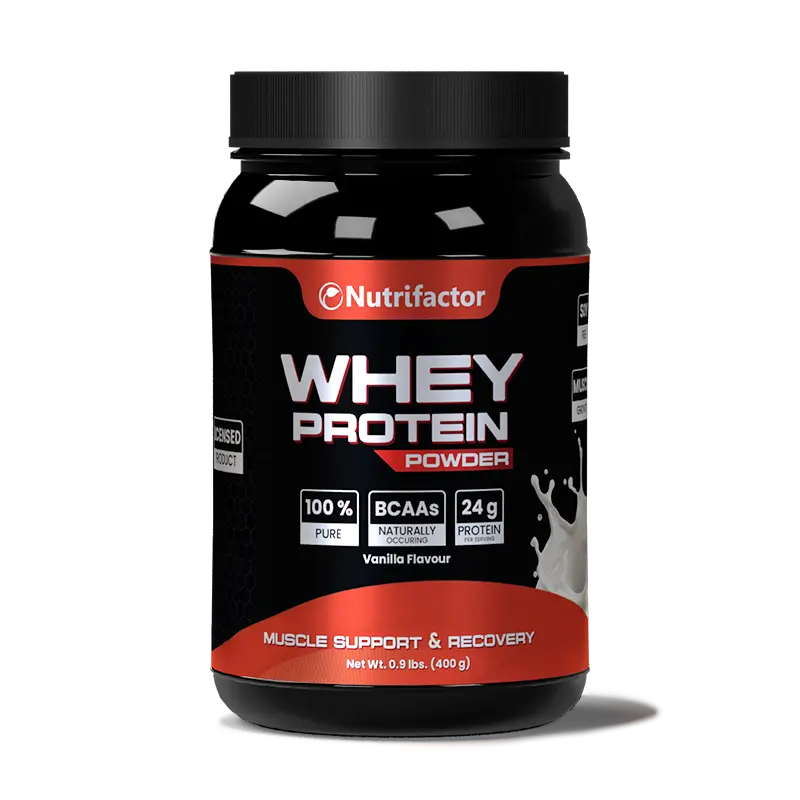
Shop Whey Protein →Frequently asked questions
Are protein supplements safe for Pakistani men long term?
Yes. For healthy men without existing kidney disease, long-term protein at recommended doses (up to 2g/kg body weight) is safe. A comprehensive meta-analysis in the Journal of Nutrition & Health found no harmful kidney effects in healthy people on high-protein diets. If you have kidney issues, speak to a doctor before supplementing.
Can I build muscle without protein supplements in Pakistan?
Yes, if you can consistently eat enough whole-food protein from chicken, eggs, dal, paneer, and fish. The challenge is consistency and convenience. For busy men, getting 150g or more of protein from food alone is genuinely hard. Supplements fill the gap efficiently and affordably.
Is whey or egg white protein better for Pakistani men with lactose issues?
Egg white protein is the clear winner for lactose-sensitive men. It is completely dairy-free, easy to digest, and has a complete amino acid profile. Whey isolate can also work, as it is very low in lactose, but egg white is the cleaner choice. Since lactose intolerance is more common in South Asians than in Western populations, egg white protein often fits Pakistani men better.
How much should I spend on protein supplements in Pakistan?
Expect to spend Rs. 8,000 to 18,000 for a quality 2 to 2.5 kg tub, depending on type and brand. Anything far cheaper is a red flag. Work out the cost per gram of protein. A good benchmark is staying under Rs. 120 to 150 per 25g serving. Locally made supplements often offer better value than grey-market imports.
Do I need protein supplements if I only train 2-3 times per week?
Not necessarily. At lower training frequency, whole-food protein from a balanced diet may be enough. Supplements become more valuable as your training frequency, intensity, and muscle goals rise. Optimise your food first. Use supplements only if you consistently fall short of your protein target.
Liked this one? Get the next in your inbox.
One fortnightly note from the editors, new pieces, restocks, and the routines we're actually using. Unsubscribe any time.