Post-Ramadan Health Recovery: Essential Supplements Guide for Pakistan 2026
Rebuild your energy after Ramadan with this guide for Pakistan, covering hydration, nutrition and the supplements that help.
Did you know that most adults in Pakistan are short on Vitamin D? Many studies suggest a majority of the population is deficient, and a month of fasting can make that worse. Ramadan 2026 has just ended, and your body is now adjusting back to normal eating and sleeping. If you feel sluggish or a bit off, that is completely normal. The right post Ramadan health recovery supplements Pakistan has access to can help you bounce back faster than you think.
This guide explains what happens to your body after Ramadan. It covers the most common deficiencies in Pakistani adults after fasting. It also gives you a clear, numbered list of the best supplements for a full recovery. Whether you feel fine or run down, this is worth a read.
Why Post-Ramadan Recovery Matters
Fasting in Ramadan is a deep spiritual practice. It also puts your body through a real reset. Here is what happens inside your body over 29 to 30 days of fasting.
Sleep Disruption and Its Aftermath
Ramadan shifts your whole body clock. Tarawih prayers, late Sehri, and broken nights create a sleep pattern that can take 2 to 4 weeks to settle after Eid.
Many people in Pakistan feel daytime tiredness, brain fog, and irritability in the weeks after Ramadan. Poor sleep is a big reason why. Your body needs certain nutrients to rebuild normal melatonin and balance cortisol (the stress hormone).
Digestive Reset After 30 Days of Fasting
For a month, you ate only at Sehri and Iftar. Your gut adjusted its enzymes, its bacteria, and its rhythm to suit that. Going back to three meals a day can bring bloating, constipation, acidity, and irregular bowels.
This is simply your gut readapting. Targeted gut support speeds that up a lot.
Nutritional Gaps from Compressed Eating Windows
Even with good Sehri and Iftar meals, fitting a full day of vitamins and minerals into two meals is hard. Research in nutrition journals confirms that fasting tends to create shortfalls, even when total calories stay the same.
This is true especially for water-soluble vitamins, which the body cannot store. In Pakistan, where many families already eat a limited variety of food, this gap is bigger than in places with more food choices.
5 Most Common Post-Ramadan Deficiencies in Pakistan
These are the five deficiencies seen most often after Ramadan, based on Pakistani diets and the demands of a month of fasting.
- Vitamin D: Pakistan has some of the highest rates of Vitamin D deficiency in the world. Estimates suggest 60 to 80 percent of people are low or deficient. Ramadan makes this worse, since daytime sun is often avoided and food gives little Vitamin D. Post-Ramadan tiredness, bone aches, and low mood are often linked to this.
- Vitamin C: Your body does not store Vitamin C, so you need it daily. Short eating windows and lower fruit and vegetable intake during Ramadan create a steady shortfall. This affects immunity, skin recovery, and iron absorption.
- Magnesium: Ramadan affects magnesium through restricted eating, sweating during prayers, and a low-magnesium diet. A shortfall shows up as muscle cramps, poor sleep, anxiety, and headaches. These are very common complaints after Ramadan.
- Vitamin B12 and Methylated B-vitamins: B vitamins drive energy, nerve health, and mood. After 30 days of altered eating, B-vitamin levels are often low. This explains much of the exhaustion and mental fog people feel.
- Fibre and Gut Microbiome Balance: The big shift in meal timing changes your gut bacteria. The weeks after Ramadan often bring discomfort and constipation. Targeted fibre and probiotic support helps a lot.
Top 7 Supplements for Post-Ramadan Recovery
These are the supplements that genuinely help with post Ramadan health Pakistan recovery. They are listed in order of impact for most people.
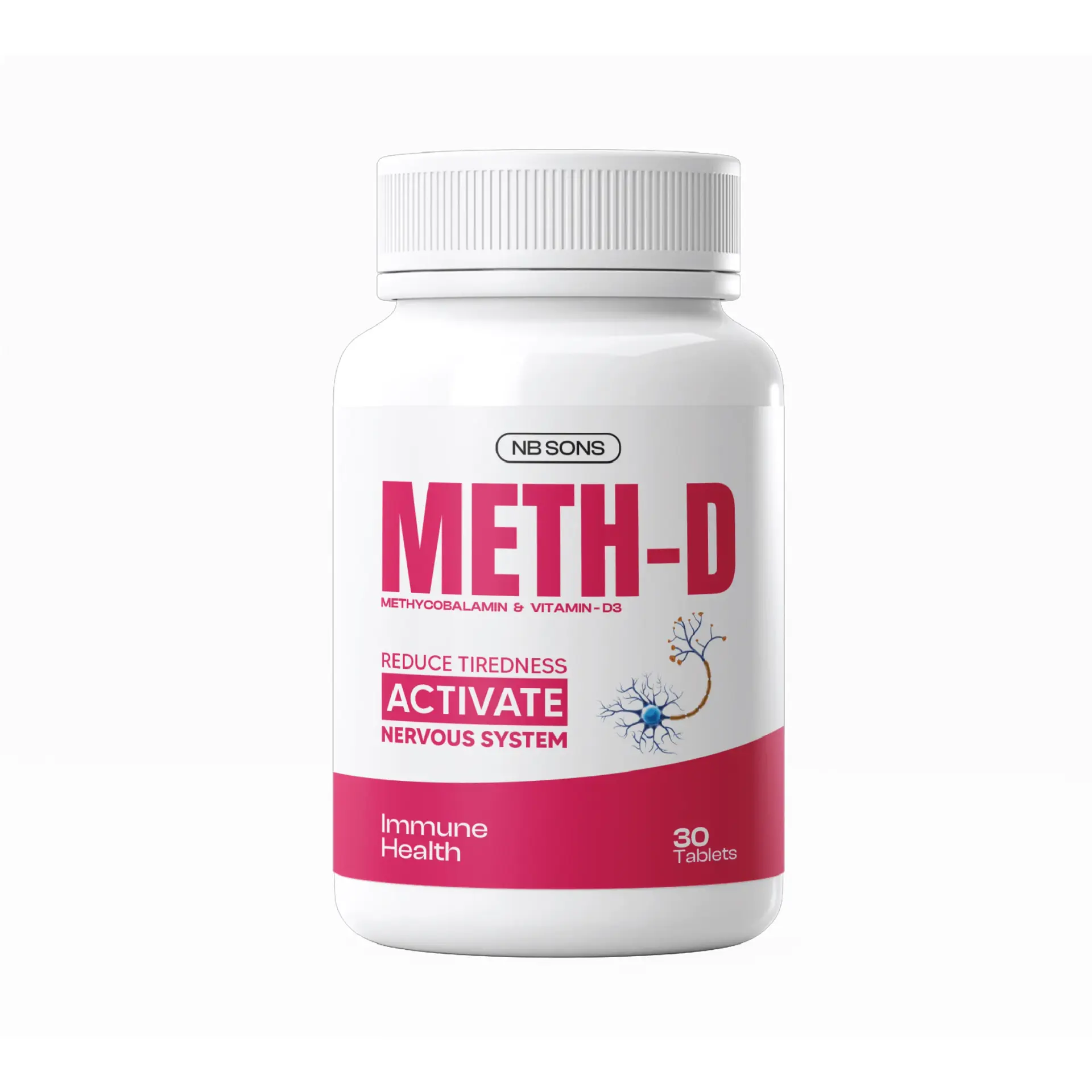
1. Meth D: Methylated B-Vitamin Complex for Energy and Mood
This is arguably the best supplement to start with after Ramadan. Meth D contains methylated B-vitamins, including methylcobalamin (B12) and methylfolate. These are the active forms your body can use straight away, with no conversion needed.
Standard B12 (cyanocobalamin) must be converted in the liver. Many people have genes that make this slow. The methylated forms skip that step entirely.
After Ramadan, when B-vitamin stores are low and energy feels flat, Meth D gets your cell energy back on track. Expect better energy, mood, and clarity within 2 to 3 weeks of steady use. This is Ramadan fatigue recovery in a tablet.
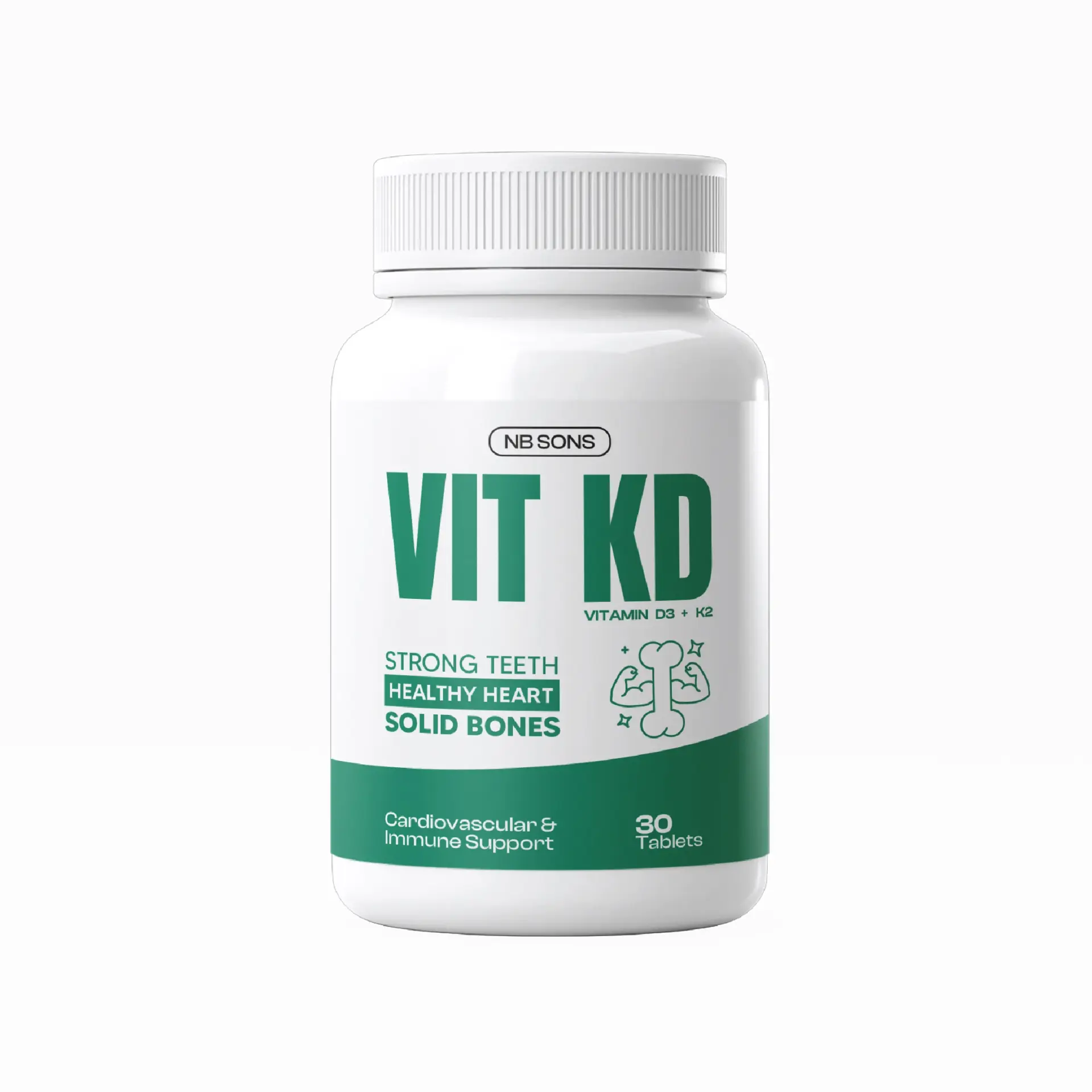
2. Vit KD: Vitamin D3 with K2 for Full System Recovery
Vit KD gives you 10,000 IU of Vitamin D3 with K2 (menaquinone). This pairing matters. Vitamin D3 without K2 can send calcium to the wrong places. K2 guides calcium into your bones and away from your arteries.
Vitamin D deficiency is very common in Pakistan, and Ramadan makes it worse. So this is a near-essential supplement for most adults afterwards. Research in the Journal of Clinical Endocrinology confirms that fixing Vitamin D deficiency improves energy, immunity, mood, and bone health at the same time. Most people in Pakistan need the 10,000 IU dose to correct a real deficiency in a reasonable time.
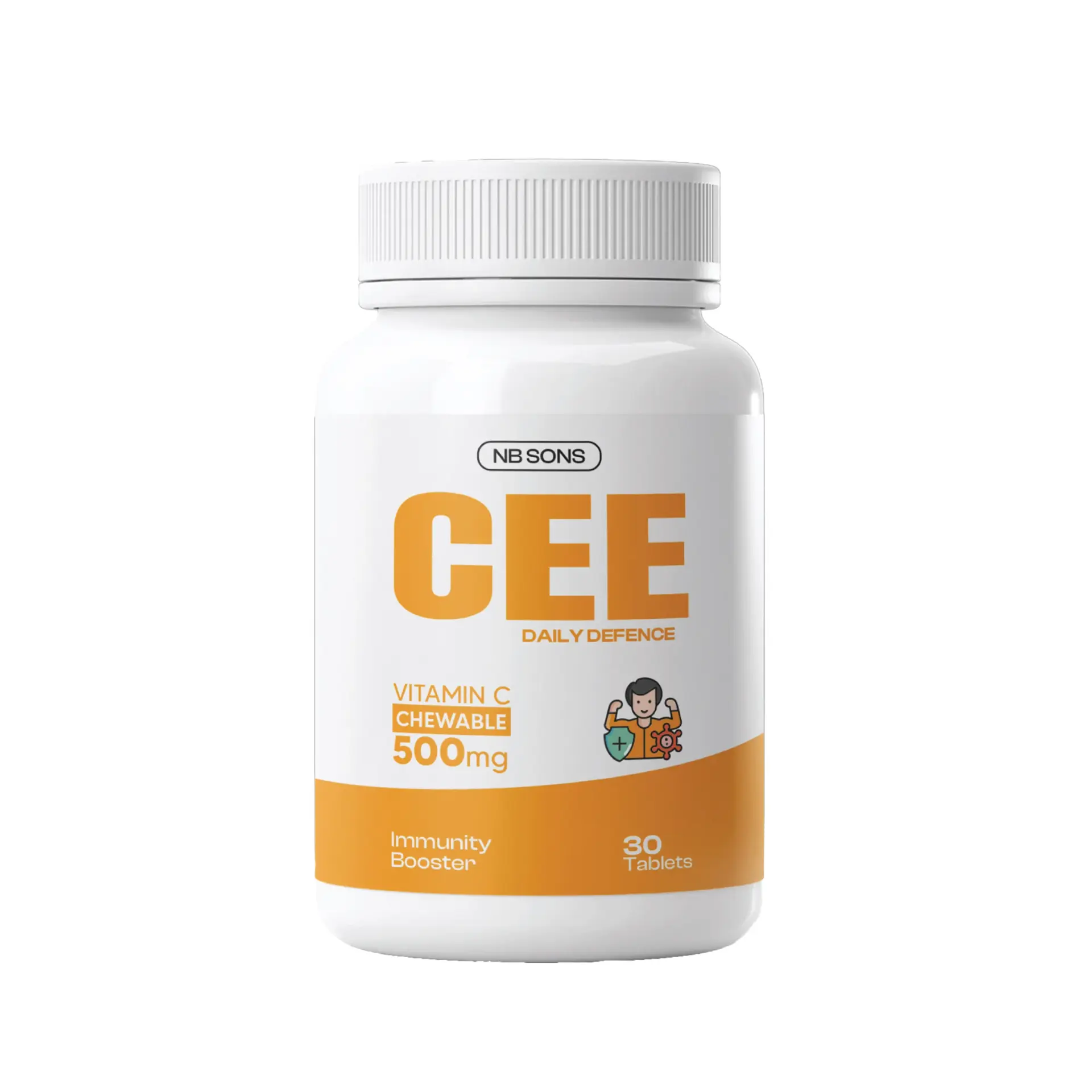
3. Cee: Vitamin C 500mg for Immunity and Recovery
After a month of short eating windows, your Vitamin C stores need topping up. Cee gives you 500mg of Vitamin C in a clean, simple form. It supports collagen (for skin and joints), immunity, and iron absorption. It is also a key antioxidant that fights the stress your cells build up during long fasts.
For post-Ramadan recovery, Vitamin C helps with the dull skin and tiredness many notice after Eid. It also supports immunity at a time when a changed routine can briefly lower your defences. That leaves people open to seasonal colds and infections.
4. Asco C: Effervescent Vitamin C for Fast Absorption
Asco C is the effervescent form of Vitamin C. It absorbs faster and is taken up more easily than a standard tablet. If you feel very run down after Ramadan and want the benefits quickly, this format delivers. It also tastes better than tablets, which helps you stay consistent in the unsettled weeks after Ramadan.
Use Asco C for the first 2 to 3 weeks after Ramadan as a fast-recovery option. Then switch to Cee for ongoing upkeep if you prefer. They do the same nutritional job, just at different speeds.
5. Fybosim: Gut Health Recovery After Fasting
Gut health is one of the most overlooked parts of post-Ramadan recovery. Fybosim is a fibre and glutathione formula. It targets digestion, regularity, and gut bacteria balance. After 30 days of altered timing, the gut needs both structure (fibre) and protection (glutathione) to work normally again.
Many people feel bloating, irregular bowels, and discomfort in the 2 to 4 weeks after Ramadan. Fybosim tackles this head on. The glutathione also supports skin recovery and liver health, both useful after fasting. Studies on dietary fibre and gut recovery show faster return to normal gut function with enough fibre.
6. Magnesium (via Calco Fit or Dietary Sources)
Magnesium is key for sleep and muscle recovery after Ramadan. Magnesium glycinate (the form in Calco Fit) absorbs well. It is also gentler on the stomach than cheaper forms like magnesium oxide. Take it before bed to support sleep during the 2 to 4 weeks when your body clock is resetting.
If you cannot get a supplement, eat more magnesium-rich foods. Good choices are spinach, pumpkin seeds, almonds, and dark chocolate. But a supplement is more reliable for fixing a deficiency quickly.
7. Omega-3 Fatty Acids for Inflammation and Brain Fog
Post-Ramadan brain fog comes partly from inflammation. It also comes from your body readjusting to having glucose available all day. Omega-3 fats (EPA and DHA) lower inflammation, support thinking, and steady your mood during this readjustment. If you already take Omega-3, do not skip doses in the weeks after Eid. If you do not take it yet, now is an excellent time to start.
Post-Ramadan Supplement Summary Table
| Supplement | Primary Benefit | When to Take | Duration |
|---|---|---|---|
| Meth D | Energy, mood, mental clarity | Morning with food | 4 to 8 weeks |
| Vit KD | Vitamin D correction, bone health, immunity | Morning with a fatty meal | 8 to 12 weeks minimum |
| Cee | Immunity, collagen, iron absorption | Any time with food | Ongoing |
| Asco C | Fast Vitamin C delivery, energy | Morning or afternoon | 2 to 4 weeks (acute phase) |
| Fybosim | Gut recovery, regularity, skin health | Evening or before bed | 4 to 6 weeks |
| Magnesium (Calco Fit) | Sleep normalization, muscle recovery | Before bed | 4 to 8 weeks |
| Omega-3 | Brain fog, inflammation, mood | With main meal | Ongoing |
Post-Ramadan Recovery Timeline: Week by Week
Week 1 After Eid: Stabilize
In week one, focus on two things: better sleep and gut support. Do not rush back to three heavy meals at once. Build meal size up gradually over 5 to 7 days. Start Meth D, Vit KD, and Fybosim right away.
Go easy on sugar and fried food during Eid, as these can spike inflammation and worsen tiredness. Drink plenty of water too. Many people come out of Ramadan mildly dehydrated.
Week 2 After Eid: Rebuild
By week two, your sleep should be improving and your gut should be settling. Add Asco C or Cee now to top up Vitamin C. If you stay consistent with Meth D and Vit KD, your energy should noticeably recover.
Start moving again if you stopped during Ramadan, but begin gently. Try 20 to 30 minute walks before returning to full workouts.
Week 3 to 4: Optimize
This is when most people feel genuinely restored. If you have been consistent with supplements and regular meals, you should notice steady daytime energy, better sleep, clearer thinking, and a brighter mood.
This is also when Vit KD starts to show as stronger immunity and fewer bone and joint aches. Continue all supplements through week 4, then reassess. Some, like Vit KD and Omega-3, are worth keeping long term given Pakistan's deficiency rates.
Foods and Lifestyle Tips for Faster Post-Ramadan Recovery
Supplements work best alongside smart food and lifestyle choices. Here are the most useful things you can do on top of supplements.
- Eat breakfast without skipping: Your body spent 30 days with no morning meal. Bringing breakfast back is key for steady cortisol and blood sugar through the day.
- Get protein at every meal: Protein supports muscle recovery and steadies blood sugar and energy. Include eggs, lentils, chicken, or yoghurt at each meal during recovery.
- Limit Eid sweets to 2 to 3 days: Rich Eid food is normal for celebration. But stretching it over two weeks slows recovery a lot. Wind down the celebration food by day 3 or 4.
- Sleep by midnight consistently: This is the hardest change but the most important. Your melatonin needs a steady schedule to reset. Every late night beyond Eid delays that reset.
- Get morning sunlight: 15 to 20 minutes of morning sun within an hour of waking resets your body clock faster than almost anything. This is easy in Pakistan's warm post-Ramadan weather.
- Eat fibre-rich foods daily: Whole grains, lentils, vegetables, and fruit help your gut bacteria recover. Pair them with Fybosim for the fastest gut recovery.
Start Your Post-Ramadan Recovery Today
Your body just completed 30 days of fasting and spiritual discipline. It deserves a thoughtful, targeted recovery. The right post Ramadan health recovery supplements Pakistan residents can access are neither expensive nor complicated. They are simply the nutrients you are most likely short on after Ramadan, in forms your body can actually use.
The Yellow Pink product range is built for this recovery. Start with:
- Meth D for energy and B-vitamin replenishment
- Vit KD for Vitamin D correction and immunity
- Cee or Asco C for Vitamin C and antioxidant recovery
- Fybosim for gut health and digestion
These are the Ramadan recovery supplements that make a real, noticeable difference for Pakistani adults in the post-Ramadan transition. Order directly from yellowpink.pk with same-day dispatch and delivery across Pakistan. Your body put in the work during Ramadan. Now give it the support it needs to fully recover.
This article was written and medically reviewed to our medical review board standards and is for general guidance, not personal medical advice. Always speak to a doctor or pharmacist about your own situation.
Shop All Supplements →Frequently asked questions
How long does post-Ramadan fatigue usually last?
For most people, post-Ramadan fatigue lasts 1 to 3 weeks without any action. With the right supplements and a steady sleep schedule, most feel much better within 1 to 2 weeks. If it lasts beyond 4 weeks, you may have an underlying deficiency. Vitamin D or B12 are likely, and these may need stronger correction or a doctor's check.
Can I take all these supplements together?
Yes, the supplements in this guide are safe to take together. A practical, non-clashing schedule is: Meth D in the morning, Vit KD with a fatty breakfast, Cee or Asco C during the day, and Fybosim in the evening. Vitamin C even improves iron absorption from food, so taking it with meals helps. If you have a health condition or take prescription medicine, check with your doctor before adding new supplements.
Is post-Ramadan supplementation different for women versus men?
The core supplements, Vit KD, Meth D, Vitamin C, and gut support, matter equally for both. Women of reproductive age may also benefit from iron after Ramadan, especially once their cycle resumes after Eid. Iron losses are significant, and Ramadan diets often fall short. Men dealing with post-Ramadan fatigue tend to benefit most from the Meth D and Vit KD combination for its energy effects.
Why do I feel worse after Eid than I did during Ramadan?
This is very common, and the reason is simple. During Ramadan, your body adapted to fasting and ran on ketones and stored glycogen for part of the day. After Eid, the sudden return to regular eating, often with too much rich food, disrupts blood sugar and strains digestion. It also breaks the routines your body had built. It usually takes 1 to 2 weeks for this to settle, and supplements help a lot.
How do I know if I am Vitamin D deficient?
Signs of Vitamin D deficiency include tiredness, bone and muscle aches, low mood, frequent infections, and hair loss. In Pakistan, most adults are deficient even without Ramadan. A blood test (the 25-hydroxyvitamin D test) at any major lab in Pakistan will show your exact level. Below 20 ng/mL means deficiency. Between 20 and 30 means insufficiency. Both groups benefit from supplements. WHO guidelines on micronutrient deficiencies name Vitamin D as a public health priority across South Asia.
Liked this one? Get the next in your inbox.
One fortnightly note from the editors, new pieces, restocks, and the routines we're actually using. Unsubscribe any time.