Cranberry Sachet in Pakistan: Uses, Benefits, Price & How to Use (2026)
Cranberry sachet uses, benefits and price in Pakistan, plus how to mix one daily, what the evidence shows, and when a UTI needs a doctor.
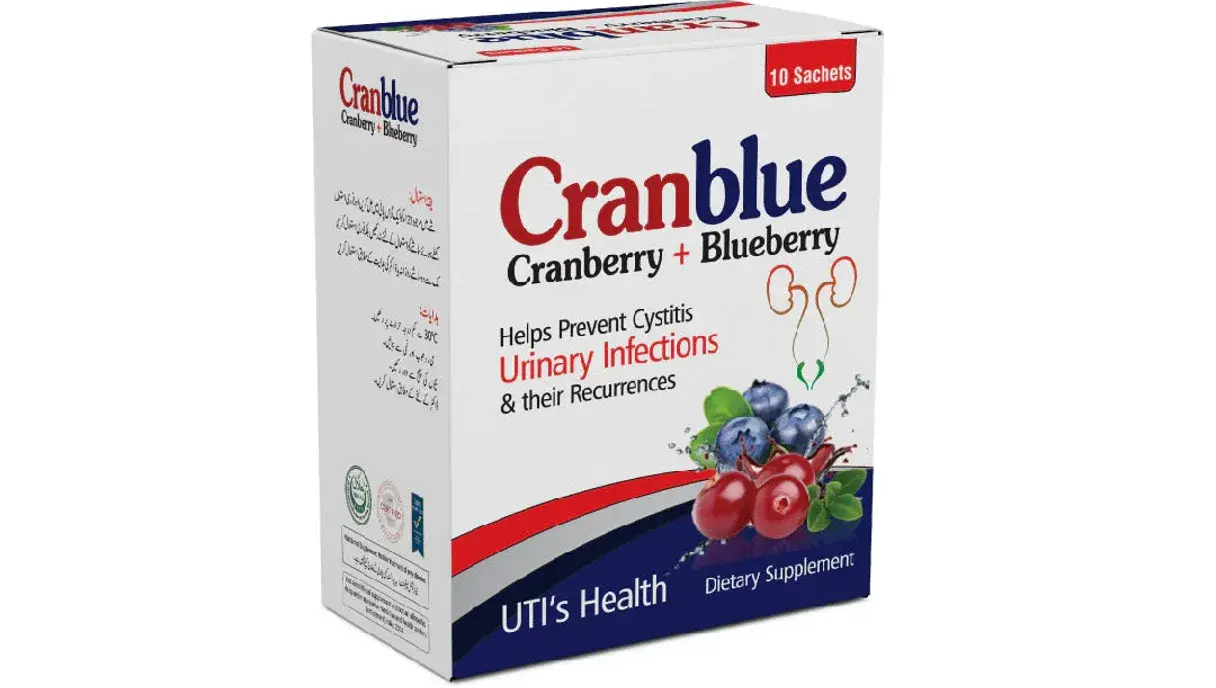
Cranberry sachets sit on pharmacy shelves and in online stores all over Pakistan, and plenty of people buy one without being sure what it actually does. This guide covers what is inside a sachet, how to mix and take one, what the evidence does and does not support, what a box costs, and when a doctor is the right answer instead.
Shop the picks in this guide (4)
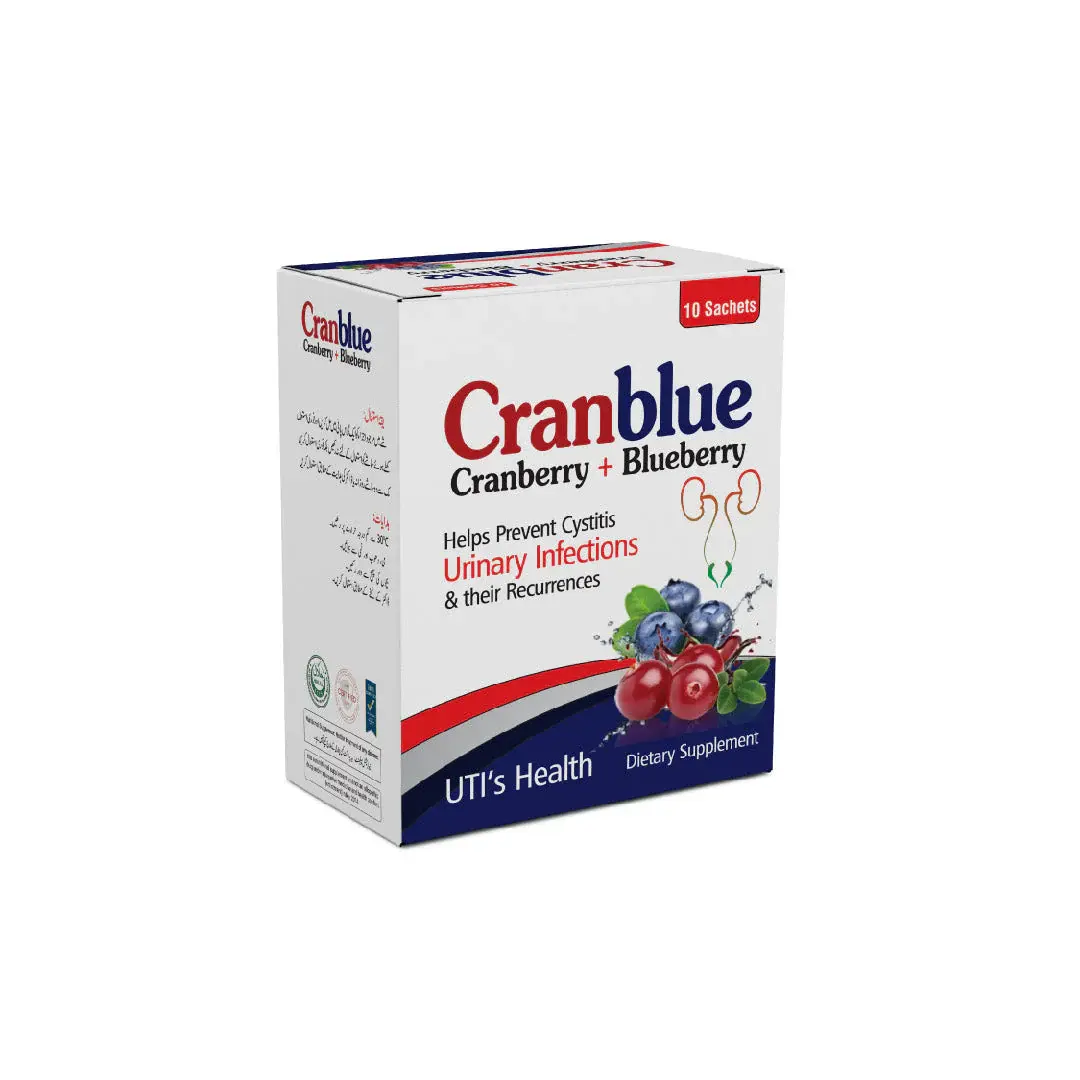
- Cranblue Cranberry & Blueberry Sachets, Rs 460, the 10-sachet box most readers start with
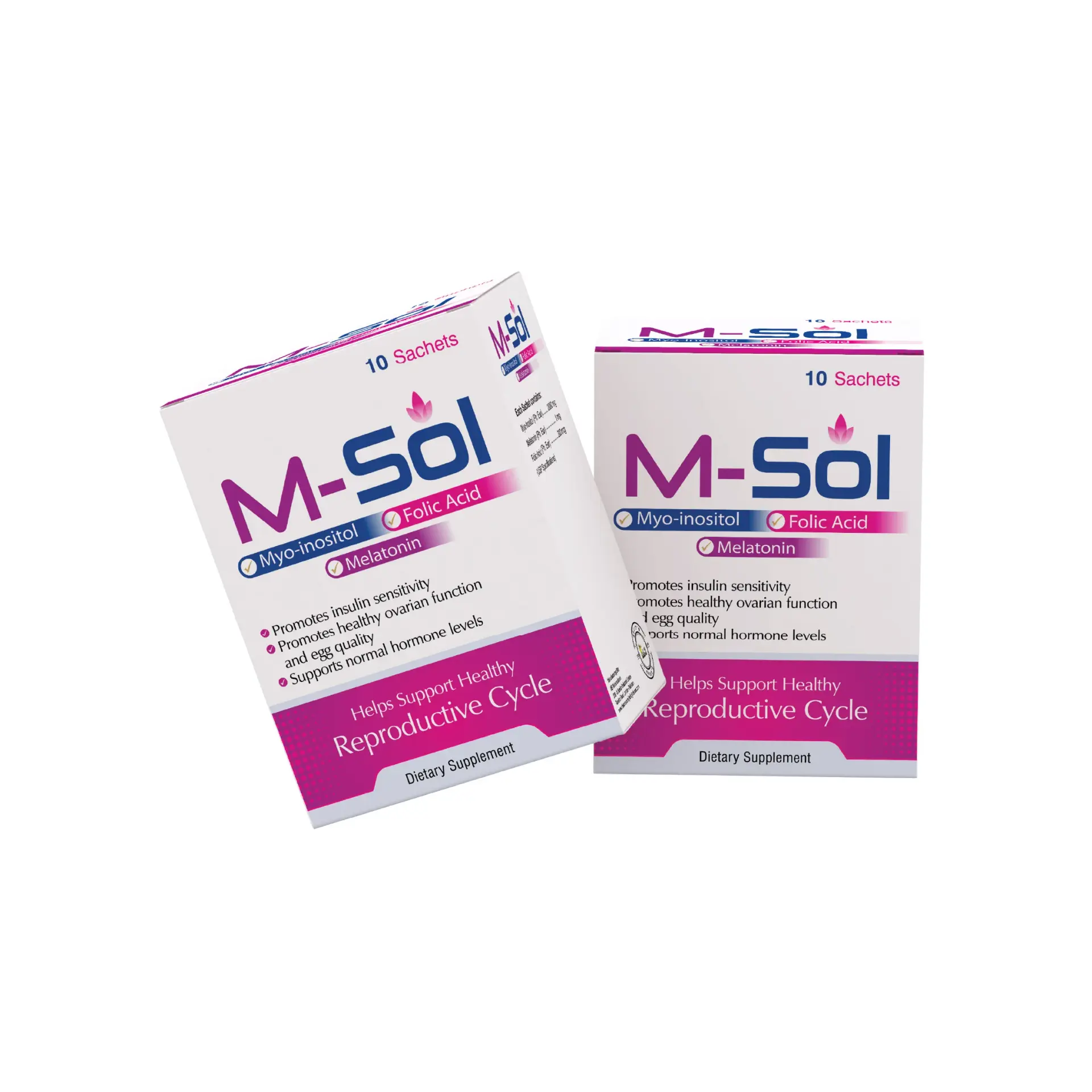
- M-Sol Myo-Inositol Sachet, Rs 950, the myo-inositol sachet for ovulation and steadier cycles, a job cranberry does not do
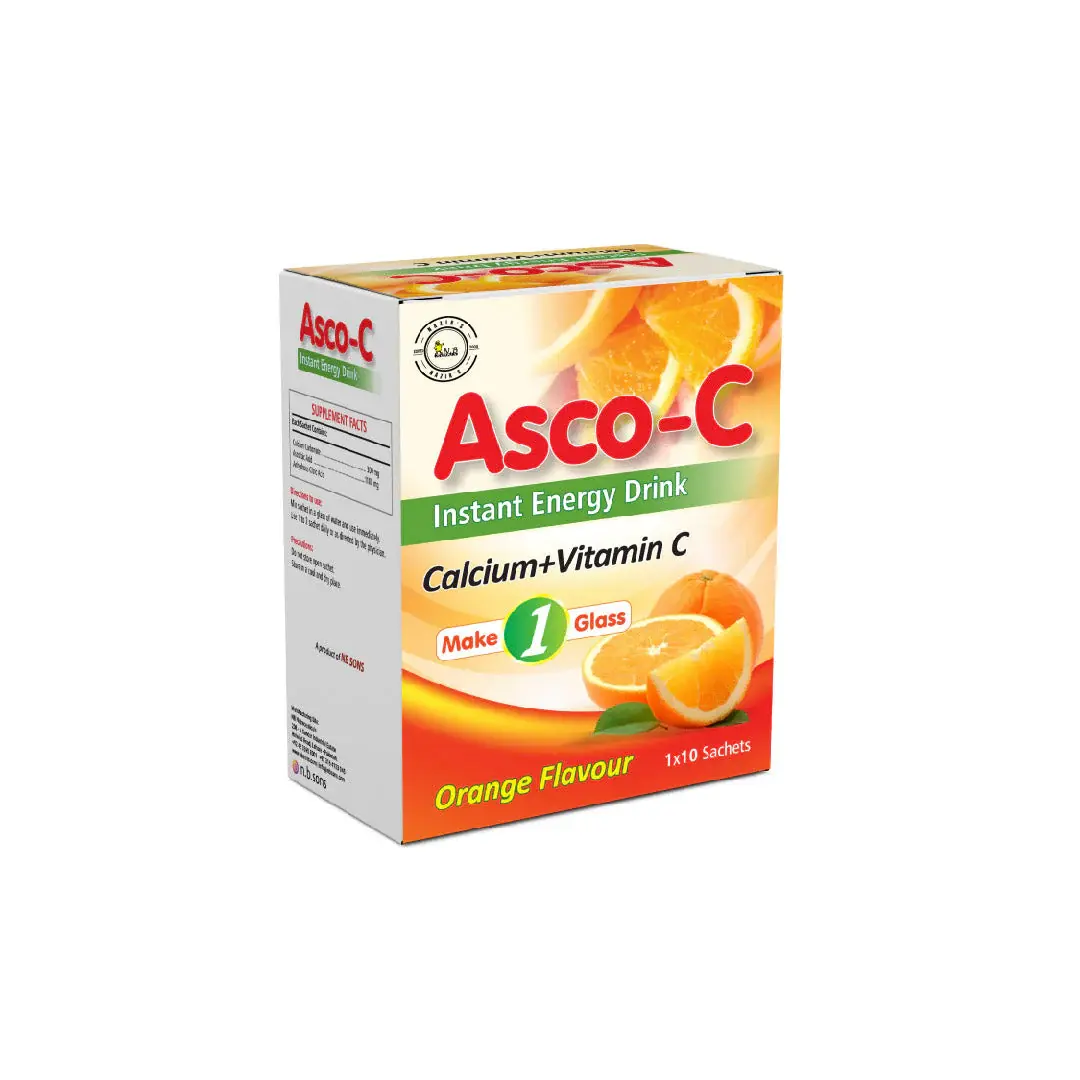
- Asco-C Vitamin C Sachet, Rs 325, a daily vitamin C drink mix if you want an antioxidant top-up
- S-Lyte ORS Hydration Sachets, Rs 299, for hot days and travel when plain water is not keeping up
What is a cranberry sachet?
A cranberry sachet is a small sealed packet of powder. It usually contains concentrated cranberry extract, and many formulas add blueberry extract too.
You tear it open and mix the powder into a drink. That is the whole idea. No swallowing capsules, no chewing tablets.
Sachets are popular because they are portable. You can carry a few in your bag, your desk drawer, or your travel pouch. A box of tablets feels bulkier and less convenient for many people.
The powder inside comes from concentrated cranberry fruit. Our own Cranblue Cranberry & Blueberry Sachets, for example, carry cranberry juice extract 250 mg and blueberry extract 200 mg in each sachet, with 10 sachets to a box. Some people also search for it as "can berry sachet", which is simply a common misspelling of cranberry sachet.
Cranberry sachet uses and how to take it
People in Pakistan buy cranberry sachets for a handful of everyday uses: daily urinary tract support, a gentle antioxidant top-up, and a tastier reason to drink more water. Whatever your reason for taking one, the method is the same.
Using one is simple. Here is the basic method.
- Tear open one sachet along the marked edge.
- Empty the powder into a full glass of water or juice, roughly 200 to 250ml.
- Stir well until the powder dissolves.
- Drink it right away for the best taste and texture.
One sachet a day is the usual instruction, and that is what the Cranblue pack says. Always check the exact dose printed on the box you buy, since formulas differ between brands, and do not take more than the pack recommends.
You can mix it into warm water or cold water. Cold water tends to mask the tartness a little better. Warm water, not boiling, is fine too and some people find it more soothing in winter.
A popular habit is one sachet in the morning with breakfast, because a fixed slot is easier to remember than "sometime today". Taking it with food is not required, but it can help if you have a sensitive stomach.
One important point: a cranberry sachet is a food supplement, not a medicine. It is meant to support general wellness as part of a normal diet, not to diagnose, treat, or cure any condition.
Cranberry sachet benefits
People reach for cranberry sachets for a few honest, well supported reasons. None of these are cures, but the general support is worth understanding.
Antioxidants and proanthocyanidins
Cranberries contain plant compounds called proanthocyanidins, usually shortened to PACs. The US National Center for Complementary and Integrative Health, part of the NIH, explains the proposed mechanism this way: the PACs in cranberries prevent bacteria from sticking to the bladder wall, so a UTI is less likely to start.
General urinary tract wellness
Cranberry is widely associated with urinary tract wellness, and that anti-adhesion idea is the reason why. This is about general support for a healthy urinary tract, not treatment of an infection that is already active.
A hydration habit
A sachet mixed into a glass of water gives many people a reason to actually drink that glass. In Pakistan's heat, especially through summer, building a habit of regular fluid intake is genuinely useful on its own. On the hottest days, or after a long journey, an oral rehydration sachet such as S-Lyte does a different job again, replacing the salts you lose through sweat.
Blueberry extract alongside cranberry
When a sachet includes blueberry extract as well as cranberry, you get antioxidant plant compounds from both fruits in the same drink. If daily vitamin C is what you are really after, a dedicated vitamin C drink mix such as Asco-C is the more direct way to get it.
Cranberry sachet for daily wellness, beyond UTI treatment
Most people assume cranberry is only for urinary tract infections. That is too narrow a view.
Many women and men use a daily cranberry sachet simply as part of a general wellness routine, alongside their multivitamin or vitamin C. It sits in the same category as a fibre supplement or a probiotic, something taken regularly for general upkeep rather than to fight an active problem.
If you already get recurring urinary tract infections and want to understand the actual clinical evidence behind cranberry, including what it can and cannot do, read our detailed article on cranberry for UTI in Pakistan. That piece goes deep into the research. This guide stays focused on the practical side, what a sachet is and how to use one day to day.
Cranberry sachet and PCOS: clearing up a common mix-up
Many women searching for the best sachet for PCOS in Pakistan land on cranberry products, and it is worth being clear: cranberry is not a PCOS supplement. The sachets doctors usually mention for PCOS contain myo-inositol, a completely different ingredient. The one we stock is M-Sol, a daily sachet with myo-inositol 2000 mg, melatonin 1 mg and folic acid 200 mcg, sold for ovulation, egg quality and steadier cycles.
Where cranberry does fit for women with PCOS is general urinary and antioxidant support, the same as for anyone else. If your goal is PCOS support, start with our myo-inositol for PCOS guide or the top 10 PCOS supplements in Pakistan. If you get repeat urine infections alongside PCOS, a daily cranberry sachet can sit alongside a myo-inositol sachet. They do different jobs and do not clash.
Cranberry sachet for UTI: what the research shows
Since most people searching for a cranberry sachet have urinary tract infections in mind, it is worth being precise about what the science does and does not say.
Reviewing the trials, the NIH's NCCIH reports that cranberry products may decrease the overall risk of symptomatic, recurrent UTIs in women by 25 percent, and in some cases by more than 30 percent, while adding that the effectiveness of cranberry is still in question because of inconsistent findings. The same page notes that processing cranberries into products like tablets or capsules can reduce the concentration of PACs, and with it the potential effectiveness of a product.
Two honest caveats. First, the evidence is about prevention of recurrence, not treatment: NCCIH states plainly that cranberry is not recommended as a treatment for existing UTIs in any population. Second, any benefit works best alongside the basics the NHS recommends, which are drinking plenty of fluids so you pee regularly through the day, not holding your pee in when you feel the urge, and wiping front to back.
For the full breakdown of the trials, doses studied and who benefits most, see our evidence review of cranberry for recurrent UTI prevention in Pakistan.
When to see a doctor instead
Be honest with yourself about what a sachet can and cannot do.
If you have burning while urinating, an urgent or frequent need to go, cloudy urine, blood in your urine, a high temperature, or lower tummy pain, the NHS lists these among the signs of a urinary tract infection. A cranberry sachet will not treat that. You need a doctor, and often a course of antibiotics.
If you keep getting infections every few months, that pattern is also worth discussing with a doctor rather than managing alone. Our guide on UTI symptoms and prevention for women explains the warning signs in more detail and when antibiotics are essential.
Cranberry sachets fit best as a preventive, everyday habit for people who are otherwise well, not as a treatment once symptoms have already started.
Cranberry sachet price in Pakistan
Pricing for cranberry sachets in Pakistan generally depends on the brand, the pack size, and whether blueberry extract is included. Imported wellness sachets of this type typically sit in the mid range compared with basic local vitamin sachets, reflecting the cost of importing concentrated fruit extracts.
Our own Cranblue Cranberry & Blueberry Sachets are Rs 460 for a box of 10, combining cranberry and blueberry extract in one single-serve format. That gives you a fixed dose in every sachet, so you are not guessing quantities like you might with a raw powder or juice concentrate.
When you compare prices between brands, look at the cost per sachet rather than the box price alone, since pack sizes vary. A cheaper box with fewer sachets can work out dearer per serving.
| Brand | Pack | Price | Notes |
|---|---|---|---|
| Cranblue Cranberry & Blueberry Sachets | 10 sachets | Rs 460 (live price on our site) | Cranberry 250 mg plus blueberry 200 mg per sachet |
| Cranvim (Herbiotics) | Box of sachets | Around PKR 490* | Cranberry extract sachets |
| Cran-Max | 12 sachets | Around PKR 650* | Imported juice-extract sachets |
*The two figures marked with a star are other brands we do not sell, checked at Pakistani retailers in July 2026, and they may have moved since. Only the Cranblue line above shows our own live price. Whichever brand you compare, work out the cost per sachet before you decide.
| Format | Typical use case | Convenience |
|---|---|---|
| Cranberry sachet | Mixed into water or juice, daily habit | High, single-serve, portable |
| Cranberry capsules | Swallowed with water | Moderate, needs consistent capsule count |
| Cranberry juice | Poured as a drink | Lower, harder to dose accurately, more sugar |
Cranberry sachet side effects
For most healthy adults, a cranberry sachet used as directed causes no side effects at all. Cranberry has a long history as an everyday food, and the amount of extract in a daily sachet is modest.
NCCIH describes cranberry taken by mouth as generally thought to be safe, and notes that in very large amounts it can cause stomach upset and diarrhoea, particularly in young children. So the mild effects worth knowing about are:
- Stomach upset or mild nausea, more likely on an empty stomach.
- Loose stools if you take several sachets a day, well beyond what the pack recommends.
These generally settle if you take the sachet with food or drop back to the one a day the pack asks for.
Who should be cautious
Cranberry sachets are generally well tolerated, but a few groups should be more careful.
- People on blood thinners such as warfarin. The NHS says to avoid cranberry products if you take warfarin, and NCCIH says the evidence on the interaction is conflicting, so ask your doctor before starting.
- Anyone with a known allergy to cranberry or blueberry.
- Anyone with an ongoing kidney or bladder condition, who should take a doctor's view before adding a concentrated fruit extract.
- Pregnant or breastfeeding women. NCCIH says cranberry appears safe in the amounts commonly found in food, but the evidence is not conclusive for larger amounts, so check with your doctor first.
If you take regular prescription medication, it is always worth a quick check with your pharmacist before adding any new supplement, cranberry included.
How to choose a good cranberry sachet
Not all sachets are equal. A few things to check on the pack before you buy.
- Look for a clear ingredient list, including how much cranberry extract is actually in each sachet.
- Check whether blueberry or vitamin C is added, since that widens the antioxidant profile of the drink.
- Prefer a sealed, single-serve sachet format for easy, accurate dosing.
- Check the expiry date and store the box somewhere cool and dry, away from direct sunlight.
Cranblue combines both fruit extracts in a single daily sachet, which makes it easier to build a consistent habit without extra guesswork.
What time should you take a cranberry sachet?
Timing matters less than consistency, but the practical answer people search for: take one sachet daily, dissolved in a glass of water, at whichever time you will actually remember, with or without food. For recurrent UTI prevention many women take it after breakfast so it becomes a habit. If you find an evening slot easier to keep, that works just as well. During an active infection, cranberry does not replace the antibiotics your doctor prescribes.
Where to buy a cranberry sachet in Pakistan
Buy from somewhere that shows you the ingredient amounts per sachet, the pack size and the expiry date, and treat a much cheaper unsealed box sold loose as a warning sign rather than a bargain. The Cranblue cranberry and blueberry sachets we stock are Rs 460 for a box of 10, ordered online and delivered to your door.
For background on cranberry, how it is thought to work and where the evidence stands, see the NCCIH cranberry page. For UTI symptoms and prevention guidance, the NHS page on urinary tract infections is a good starting point. If timing your supplements alongside other vitamins interests you, our guide on supplement timing in Pakistan covers when to take what for the best absorption.
This article was written and medically reviewed to our medical review board standards and is for general guidance, not personal medical advice. Always speak to a doctor or pharmacist about your own situation.
Ready to start? Order a box of Cranblue Cranberry & Blueberry Sachets for daily urinary tract support, or browse the rest of our women's health range if you are building a wider routine. We offer cash on delivery across Pakistan, and delivery is free on orders over Rs 5,000 in Punjab.
Shop Cranblue Cranberry & Blueberry Sachets →Frequently asked questions
Is a cranberry sachet safe to take every day?
For most healthy adults, a daily cranberry sachet used as directed on the pack is considered safe as part of a normal diet. If you take blood thinners, have a kidney or bladder condition, or have any other ongoing health problem, check with your doctor first.
What is the best time to take a cranberry sachet?
There is no single required time. Most people take their one sachet in the morning with breakfast. Taking it with food is easier on a sensitive stomach, and pairing it with a meal makes the habit easier to keep.
How much does a cranberry sachet box cost in Pakistan?
Boxes from other brands mostly ran between PKR 450 and PKR 700 when we checked Pakistani retailers in July 2026, depending on brand and pack size. Our own Cranblue box holds 10 sachets and its current price is shown on the Cranblue product page. Compare the cost per sachet rather than the box price, since pack sizes differ.
Can pregnant women use a cranberry sachet?
Cranberry in normal food amounts is generally considered safe during pregnancy, but NCCIH notes the evidence is not conclusive for the larger amounts found in supplements. Pregnant or breastfeeding women should speak to their doctor before starting any new supplement, cranberry sachets included.
Does a cranberry sachet taste bad?
Cranberry on its own is quite tart. Most sachets are lightly sweetened or blended with blueberry to soften that sharpness, so the mixed drink tastes tangy rather than unpleasant. Mixing with chilled water usually gives the mildest taste.
How long does it take to see benefits?
Since a cranberry sachet is a wellness supplement and not a treatment, there is no fixed timeline for "results". Many people take it daily for a few weeks as part of a routine, alongside good hydration, rather than expecting an immediate effect.
Can I mix a cranberry sachet with juice instead of water?
Yes. Water is the simplest option, but mixing with a mild juice is fine too. Avoid very sugary juices if you are watching your sugar intake, since the sachet itself already has a light natural sweetness.
Is a cranberry sachet the same as cranberry juice?
No. A sachet is a concentrated powder with a measured dose in every packet, while juice varies a lot in cranberry content and often has added sugar. A sachet gives you a more consistent, controlled amount of extract each time.
Will a cranberry sachet cure a urinary tract infection?
No. A cranberry sachet is not a medicine and cannot treat an active infection, and NCCIH says the same. If you suspect a UTI, see a doctor. For the full evidence-based discussion of cranberry and UTIs, read our cranberry for UTI in Pakistan article.
Liked this one? Get the next in your inbox.
One fortnightly note from the editors, new pieces, restocks, and the routines we're actually using. Unsubscribe any time.