Cranberry for UTI in Pakistan: Does It Work for Recurrent Infections? (2026)
Does cranberry work for UTI? It can help prevent recurrent infections but cannot treat an active one. What the evidence says and how to use it safely.
Did you know that around half of all women will have at least one urinary tract infection in their lifetime, and many will get them again and again? If you are one of the many Pakistani women caught in this cycle, you have probably heard that cranberry can help. The cranberry benefits story is genuinely interesting, but it is also widely misunderstood. Used correctly, cranberry for UTI may cut how often recurrent infections come back. Used wrongly, as a treatment for an infection you already have, it can delay the antibiotics you actually need. This guide explains what cranberry does, what it cannot do, and how to use it sensibly.
Why women get UTIs, and why they keep coming back
A urinary tract infection happens when bacteria, most often E. coli from the bowel, travel up the urethra and multiply in the bladder. Women are far more prone to UTIs than men. The female urethra is short, so bacteria reach the bladder more easily.
Typical symptoms include burning when you pass urine, needing to go urgently and often, cloudy or strong-smelling urine, and lower tummy discomfort. A recurrent UTI usually means two or more infections in six months, or three or more in a year.
Recurrence is common and frustrating. Triggers include sexual activity, dehydration, holding urine for long periods, certain contraceptives, and the hormonal changes around menopause that thin and dry the urinary tissues. In Pakistan's heat, mild ongoing dehydration is an under-recognised cause. When you do not drink enough, urine becomes concentrated and you flush bacteria out less often.
What cranberry actually does: the PAC story
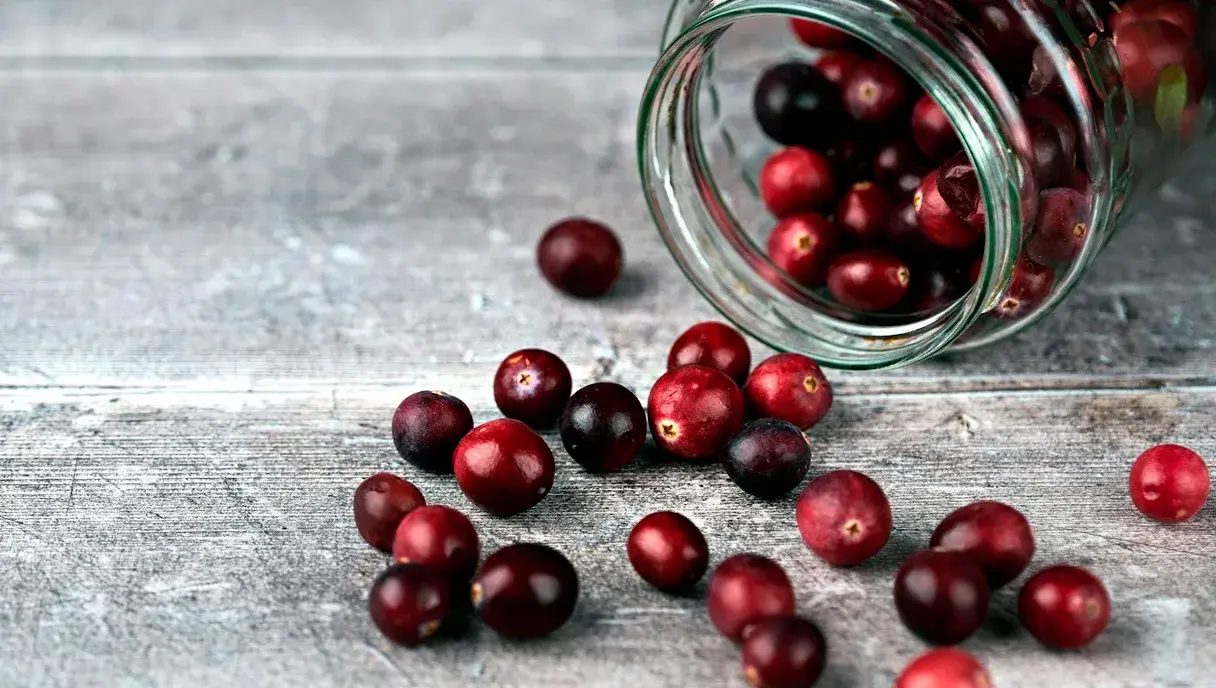
The active idea behind cranberry is a group of compounds called proanthocyanidins, usually shortened to PACs. The key ones are the A-type PACs. The theory is elegant. These PACs may make it harder for E. coli to stick to the lining of the bladder and urinary tract.
If bacteria cannot grip, they are more likely to be washed away in urine before they cause an infection. Cranberry does not kill bacteria the way an antibiotic does. It simply makes the bladder wall a less welcoming surface.
This anti-adhesion effect is why cranberry is a prevention tool, not a rescue treatment. It can tip the balance over weeks of regular use, lowering the chance that the next infection takes hold. Blueberries belong to the same family and add similar polyphenols. That is why blueberry urinary health often appears alongside cranberry in combination products.
The most important point: cranberry does NOT treat an active infection
This deserves its own section, because getting it wrong can be harmful. If you already have a UTI, with burning, urgency, and frequency, cranberry will not cure it. An active bacterial infection usually needs assessment and, in most cases, a short course of antibiotics from a doctor.
Drinking cranberry juice while a real infection festers risks letting it climb to the kidneys, which is far more serious. Reputable sources such as the NHS are clear that cranberry is about prevention, not treatment. Use it to reduce how often you get UTIs, never to dodge the antibiotics a current infection needs.
The evidence, balanced
So does cranberry actually prevent recurrent UTIs? The honest answer is: probably, modestly, in women who get them often. Reviews of the research have swung back and forth over the years. Part of the reason is that old studies used weak juices with too little PAC content.
More recent analyses suggest something clearer. For women with recurrent UTIs, cranberry products with a meaningful, standardised PAC dose can reduce the number of infections. The benefit is real but moderate. It is most useful for prevention in repeat sufferers rather than for the general population.
The Cleveland Clinic reaches a similar measured conclusion. In short: worth trying if you get recurrent UTIs, not a magic shield, and never a substitute for medical care when you are actually unwell.
Juice versus concentrated sachets and supplements
Form matters more than most people realise. Cranberry juice from a carton is often heavily diluted and loaded with sugar. It may contain too little PAC to do much. To get a useful dose from juice alone, you would have to drink a lot, taking on plenty of sugar in the process. That is unhelpful if you are watching your weight or blood sugar.
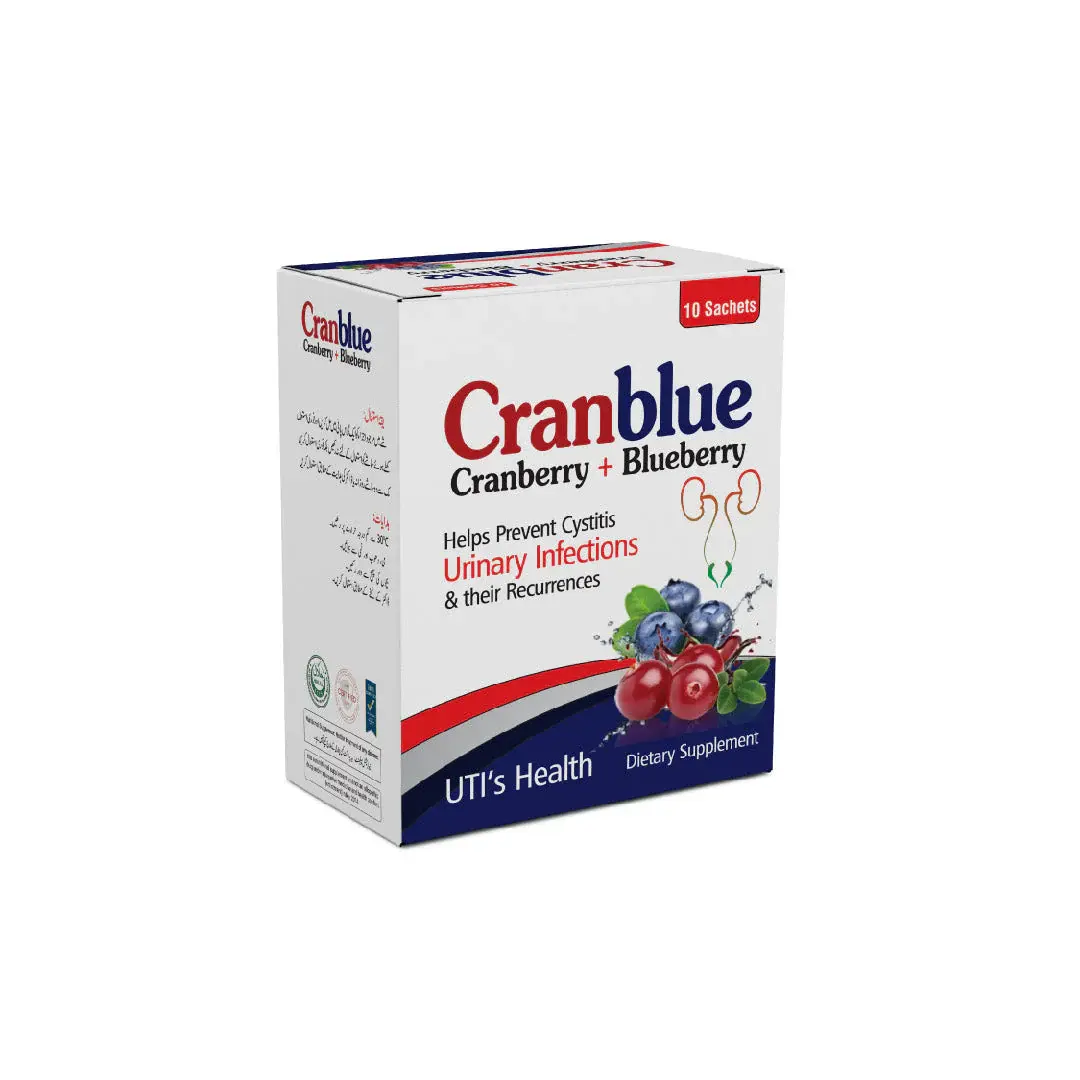
Concentrated sachets and supplements solve this. They deliver a standardised PAC dose in a small serving without the sugar load. In Pakistan, a convenient option is Cranblue Cranberry & Blueberry Sachets (around Rs 460), which combine concentrated cranberry and blueberry extracts. A sachet stirred into water once a day is far more practical, and easier to keep up over the weeks needed for prevention, than trying to drink litres of juice. New to the format? Our cranberry sachet guide covers how to take them, what they cost in Pakistan and how the main brands compare.
| Form | Sugar load | PAC reliability | Practical for daily use |
|---|---|---|---|
| Sweetened juice carton | High | Often low | Hard to sustain |
| Pure unsweetened juice | Moderate | Variable | Tart, large volume |
| Concentrated sachet or supplement | Low | Standardised | Easy, once daily |
How to use cranberry for prevention
If you decide to try cranberry to cut down recurrent UTIs, use it consistently. Take a standardised cranberry, or cranberry and blueberry, product once daily. Aim for the same time each day, and give it a fair trial of at least two to three months.
Prevention is a slow, cumulative effect, not an overnight one. Keep using it as part of the broader habits below, rather than expecting it to work alone. If you still get frequent infections despite consistent use, go back to your doctor. You may need a different prevention strategy.
Other prevention habits that matter just as much
Cranberry works best as one piece of a larger plan. These everyday habits are well supported and cost nothing.
- Drink enough water: especially crucial in Pakistan's heat. Well-diluted urine flushes bacteria out more often. Aim to keep your urine pale.
- Do not hold urine: empty your bladder when you need to, rather than waiting for hours.
- Urinate after sex: passing urine soon after intercourse helps clear bacteria from the urethra.
- Wipe front to back: this reduces the spread of bowel bacteria towards the urethra.
- Choose gentle, breathable hygiene: avoid harsh soaps and douches in the intimate area. Our feminine hygiene and intimate wash guide for Pakistan explains how to clean without disrupting your natural balance.
For a deeper look at causes and prevention specific to women, see our companion article on UTI symptoms and prevention in women in Pakistan.
When antibiotics are essential, and the red flags
Cranberry is for prevention. Antibiotics are for treatment. See a doctor promptly, rather than self-managing, if you have any of the following:
- Fever, chills or feeling generally very unwell
- Pain in your back or side, below the ribs, which can signal a kidney infection
- Blood in your urine
- Symptoms that are severe, or that last more than a day or two
- Pregnancy with any UTI symptoms, which always needs prompt medical attention
- Recurrent infections despite good prevention, so the cause can be properly investigated
These red flags can mean kidney involvement or a more serious infection that cranberry cannot touch. Do not wait.
Cranberry, safety and who should be cautious
Cranberry products are safe for most people. A few cautions are worth knowing. If you take the blood thinner warfarin, large amounts of cranberry may interact, so check with your doctor. People prone to kidney stones, particularly oxalate stones, should go easy, as cranberry contains oxalates.
If you have diabetes, choose a low-sugar sachet or supplement over sweetened juice. As always in pregnancy, discuss any supplement with your doctor first. If your UTI symptoms come with unusual discharge or itching, you may be dealing with a different problem. See our guides on vaginal itching and yeast infection relief and white discharge and leukorrhea.
This article was written and medically reviewed to our medical review board standards and is for general guidance, not personal medical advice. Always speak to a doctor or pharmacist about your own situation.
Shop Cranblue Cranberry & Blueberry Sachets →Frequently asked questions
Can cranberry cure a UTI I already have?
No. Cranberry cannot cure an active infection. An established UTI usually needs antibiotics from a doctor. Cranberry is only for reducing how often recurrent infections come back.
How long before cranberry reduces my recurrent UTIs?
Think in months, not days. Prevention is a slow, cumulative effect. Use a standardised cranberry product consistently for at least two to three months before judging it.
Is cranberry juice or a sachet better?
A concentrated sachet or supplement is usually better. It delivers a reliable PAC dose without the heavy sugar load and large volume of sweetened juice. It is also far easier to take every day.
Does blueberry help urinary health too?
Blueberries are in the same family as cranberries and add similar polyphenols. That is why many products combine the two. The strongest UTI evidence still centres on cranberry PACs.
Is cranberry safe to take every day?
For most people, yes. Be cautious if you take warfarin, are prone to oxalate kidney stones, or have diabetes. In that case, choose a low-sugar form and check with your doctor.
How much does cranberry cost in Pakistan?
It is affordable. Cranblue Cranberry & Blueberry Sachets are around Rs 460, making a daily prevention routine inexpensive.
When should I stop relying on cranberry and see a doctor?
Immediately if you have fever, back or side pain, or blood in your urine. Also if symptoms are severe, you are pregnant, or infections keep returning despite good prevention.
Liked this one? Get the next in your inbox.
One fortnightly note from the editors, new pieces, restocks, and the routines we're actually using. Unsubscribe any time.