White Discharge (Likoria): Causes, Symptoms & What Helps (Pakistan 2026)
White discharge (likoria) explained for women in Pakistan: what's normal, the causes and symptoms of leukorrhea, when to see a doctor, and what helps.

Did you know? Bacterial vaginosis, one of the most common causes of unusual discharge, affects roughly 1 in 3 women of reproductive age worldwide, according to global health data. Yet most vaginal discharge is completely normal. The trick is knowing the difference.
Almost every woman notices white or clear discharge. The medical word for it is leukorrhea, in Pakistan it is commonly called likoria (لیکوریا). This guide explains what is normal, what is not, and what genuinely helps. It is written plainly and respectfully for women in Pakistan, as general information, not a substitute for seeing your own doctor.
What is leukorrhea?
Leukorrhea is the thin, whitish fluid the body produces to keep the vagina clean, moist and protected. It is made of fluid and cells shed from the vaginal walls and cervix. It also carries the healthy bacteria (lactobacilli) that keep the area at a naturally acidic, infection-resistant pH.
In other words, discharge is part of a built-in self-cleaning system. It is not a sign of poor hygiene.
Likoria in English: is likoria the same as leukorrhea?
Yes. Likoria is simply the common Urdu name for leukorrhea, the English/medical word for white vaginal discharge. Some families also say "white water" or "safed pani". They all describe the same thing: the whitish fluid the body makes to keep the vagina clean and protected. So if a doctor writes "leukorrhea" on a prescription, that is likoria, not a separate disease.
Likoria causes and symptoms
Likoria symptoms are usually just the discharge itself: a clear-to-milky fluid with little or no smell that varies through the month. That alone is normal physiology, not an illness. The causes of likoria fall into two groups:
- Normal (physiological) causes, hormonal changes across the menstrual cycle, ovulation, pregnancy, sexual arousal, and some contraceptives. This discharge needs no treatment.
- Infection-related causes, bacterial vaginosis, yeast (fungal) infection, or sexually transmitted infections. These usually change the smell, colour or texture and often add itching or burning, see the warning-signs table below.
Likoria in unmarried girls is one of the most-searched worries in Pakistan, so let's be clear: white discharge is completely normal at every age after puberty, whether a woman is married or not. It reflects hormones, not character, and it is not caused by "weakness". The old belief that likoria drains strength from the body is a myth, normal discharge does not cause weakness, and weakness or fatigue should be checked for real causes such as anaemia (low iron) or thyroid issues.
Is white discharge normal?
Yes, usually. Normal discharge is clear to milky white and has little or no smell. It changes in amount and texture through your cycle:
- Thicker and white after your period and before ovulation.
- Clear, stretchy and slippery (like raw egg white) around ovulation. See our ovulation guide.
- Drier or stickier in the days after ovulation.
- Heavier during pregnancy, sexual arousal, or when on certain contraception.
The amount also varies from woman to woman. Some naturally produce more than others, and that alone is not a problem.
When discharge is NOT normal
See a doctor if your discharge comes with any of these signs. They point to an infection that usually needs proper medical treatment:
| Sign | May suggest |
|---|---|
| Strong fishy or foul smell, thin grey-white discharge | Bacterial vaginosis (BV) |
| Thick, white, cottage-cheese texture plus itching | Yeast infection, see our itching and yeast guide |
| Green, yellow or frothy discharge | An infection (including some sexually transmitted infections) |
| Discharge with pelvic pain, fever, or bleeding between periods | Needs prompt medical review |
| Itching, burning, redness or swelling of the vulva | Infection or irritation that needs assessment |
Important: true infections (BV, yeast, trichomonas, other STIs) need a doctor's diagnosis and the right medicine, whether antibiotics or antifungals. No wash, home remedy or supplement replaces that. Self-treating the wrong infection can make things worse, so getting the diagnosis right matters.
Why infections happen
The vagina's healthy balance can be upset by anything that disturbs its good bacteria or pH. Common triggers include antibiotics, douching, scented soaps and sprays, tight or non-breathable underwear, staying in damp clothing, uncontrolled blood sugar in diabetes, hormonal changes, and unprotected sex.
Knowing these triggers helps you lower your risk. Even so, anyone can get an occasional infection despite doing everything right.
How to care for everyday intimate health
- Wash the outside only, gently. Use a mild, pH-friendly, soap-free wash like Rooposh Feminine Wash. Never use harsh soap or scented products on this delicate area.
- Never douche (rinse inside). Douching strips the natural good bacteria and makes discharge and infections worse, not better.
- Wear breathable cotton and change out of damp or sweaty clothes promptly, including after exercise.
- Wipe front to back to keep bacteria away from the vagina and bladder.
- Change pads and liners regularly and avoid scented period products.
- Manage blood sugar if you have diabetes, as high sugar feeds yeast.
Supportive supplements for women's wellness
Alongside good hygiene, some women use traditional women's-wellness blends as part of daily nutrition. These support general reproductive and urinary wellness. They are not a treatment for infection and do not replace medicine prescribed by a doctor.
| Product | Role |
|---|---|
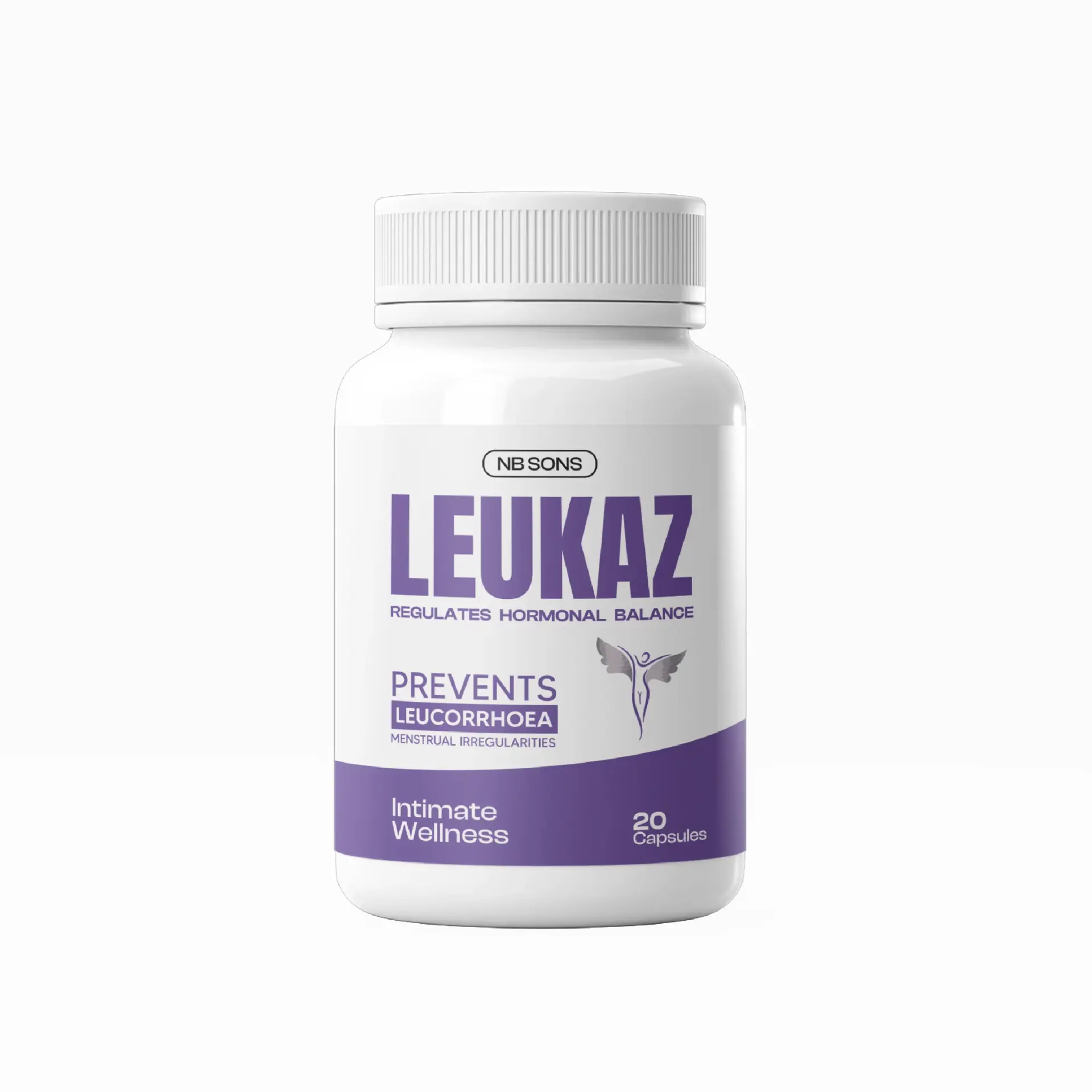
| LEUKAZ Women's Reproductive Wellness | Traditional botanicals (fenugreek, ashwagandha, turmeric) for everyday women's wellness |
| Cranblue Cranberry and Blueberry | Berry antioxidants traditionally used to support urinary-tract health. See our cranberry sachet guide |
| FEMEEZ Menstrual Wellness | Supports a comfortable, balanced cycle |
If discharge is tied to irregular cycles, the underlying cause may be hormonal. See our guides to irregular periods and PCOS. For the full daily routine, read our feminine hygiene guide.
Common myths about discharge
- Myth: all discharge means infection. Most discharge is normal and healthy. Smell, colour change, itching or pain are what signal a problem.
- Myth: douching keeps you clean. The opposite is true. Douching disrupts the natural balance and raises infection risk.
- Myth: discharge means poor hygiene. It is a normal self-cleaning process, not a sign of being unclean.
- Myth: a supplement or wash can cure an infection. Only the right medicine treats a true infection.
When to see a doctor
See a doctor promptly if discharge has a bad smell, changes colour (green, yellow, grey), develops a cottage-cheese texture, or comes with itching, burning, pelvic pain, fever, pain during sex or bleeding between periods.
Also seek care if symptoms keep coming back after treatment, or if you are pregnant and notice unusual discharge. These need assessment and the correct medicine, not just better hygiene.
The bottom line
White discharge is usually a normal, healthy part of being a woman. Care for the area gently with a pH-friendly wash like Rooposh, never douche, and wear breathable cotton.
See a doctor if you notice a bad smell, itching, unusual colour or pain. Read our feminine hygiene guide for the full routine. This article follows our medical review board standards and is general guidance, not personal medical advice.
Shop Rooposh Feminine Wash →Frequently asked questions
Is white discharge a sign of pregnancy?
Discharge often increases in early pregnancy, but on its own it is not a reliable sign. A pregnancy test is the only way to be sure.
How do I stop excessive white discharge?
If it is normal discharge, gentle external hygiene with a pH-friendly wash and breathable cotton is all you need. If it smells bad, itches or changes colour, see a doctor, because that needs treatment, not just hygiene.
Can leukorrhea go away on its own?
Normal physiological discharge needs no treatment and comes and goes with your cycle. Discharge caused by infection will not clear without the right medicine, so get it checked.
What colour of discharge is unhealthy?
Green, yellow, grey or frothy discharge, or any discharge with a strong smell, can signal infection and should be reviewed by a doctor.
Is it normal for discharge to smell?
A very mild, slightly musky scent is normal. A strong fishy or foul smell is not, and usually points to bacterial vaginosis.
Can stress affect discharge?
Stress can influence hormones and cycle timing, which may change discharge slightly. But a marked change in smell, colour or comfort still deserves a check.
Does discharge increase around ovulation?
Yes. Around ovulation, discharge typically becomes clear, stretchy and slippery, which is a normal and fertile sign.
Are recurring infections something to worry about?
Frequent infections deserve a doctor's review to find the cause (for example diabetes or a treatable trigger) and a proper plan, rather than repeated self-treatment.
What is the treatment of likoria?
Normal likoria needs no treatment, gentle external hygiene is enough. If discharge smells bad, itches, or turns green, yellow, grey or cottage-cheese-like, the treatment is the correct medicine for the specific infection (antibiotics or antifungals), prescribed after a doctor's diagnosis. Home remedies, washes and supplements cannot cure an infection.
Is likoria dangerous?
Ordinary likoria is not dangerous, it is part of the body's self-cleaning system. It only signals a problem when the smell, colour or texture changes or it comes with itching, burning, pain or fever; those signs deserve a doctor's visit.
Liked this one? Get the next in your inbox.
One fortnightly note from the editors, new pieces, restocks, and the routines we're actually using. Unsubscribe any time.