Vaginal Itching & Yeast Infections: Causes & Relief for Women (Pakistan 2026)
Vaginal itching and yeast infections: why they happen, how to tell them apart, when to see a doctor, and the hygiene habits that help women in Pakistan.

Did you know? Around 3 in 4 women will have a vaginal yeast infection at some point in their lives, according to widely cited health data. So if you are dealing with vaginal itching, you are far from alone, and it is rarely anything to be ashamed of.
Because of stigma, many women suffer in silence rather than asking. The reassuring truth is that most itching comes from a common, treatable issue such as thrush or simple irritation. This guide explains the usual causes, how to tell them apart, how to find gentle relief, and the warning signs. It is written respectfully for women in Pakistan.
What causes vaginal itching?
The vulva and vagina are sensitive, and several different things can trigger itching. Knowing the likely cause matters, because the treatments are different.
- Yeast infection (thrush). The most common cause, with intense itching and a thick, white, cottage-cheese-like discharge.
- Bacterial vaginosis (BV). Itching or irritation with a thin grey discharge and a fishy smell, especially after sex.
- Irritation or allergy. Harsh soaps, scented products, washing powders, douching, tight synthetic underwear, panty liners or sweat.
- Dryness. Common around menopause when oestrogen falls. See our menopause support guide.
- Skin conditions such as eczema or dermatitis affecting the vulva.
- Infections, including some sexually transmitted infections, which need medical diagnosis and treatment.
Is it a yeast infection?
Yeast infections are caused by an overgrowth of a fungus called Candida. It lives harmlessly in small amounts, but multiplies when the natural balance is upset.
They typically bring intense itching, redness, soreness and a thick white discharge that usually has no strong smell. Many women feel burning during urination or sex too. They are very common, and certain things make them more likely.
- After a course of antibiotics, which disturb the protective bacteria.
- During pregnancy and around hormonal changes.
- With diabetes or high blood sugar.
- In hot, damp conditions or after staying in tight, sweaty clothing.
Yeast infections respond well to antifungal treatment from a pharmacy or doctor. But it is worth confirming the cause first, because BV and other issues can look similar and need entirely different medicine.
Yeast infection versus BV: a quick comparison
| Feature | Yeast infection | Bacterial vaginosis (BV) |
|---|---|---|
| Itching | Intense | Mild or none |
| Discharge | Thick, white, cottage-cheese-like | Thin, grey or white |
| Smell | Usually none | Fishy, stronger after sex |
| Treatment | Antifungal | Antibiotic |
Because the right treatment differs, guessing can mean using the wrong product and prolonging the problem. When in doubt, a doctor or pharmacist can confirm which one you have.
What is normal versus a problem?
A certain amount of clear or white discharge is completely normal and changes through your cycle. See our discharge guide. Normal discharge does not itch, sting or smell offensive.
What is not normal is persistent itching, a strong or fishy smell, an unusual colour such as green or yellow, soreness, sores, or pain. Those changes are a signal to get checked rather than to scrub harder, which only makes irritation worse.
When to see a doctor
See a doctor if it is your first time with these symptoms, if itching is severe or keeps coming back, or if it comes with a fishy smell, unusual colour, lower-tummy or pelvic pain, sores, blisters or fever.
You should also see a doctor if you are pregnant, if over-the-counter antifungals have not worked, or if you have four or more yeast infections in a year. That can occasionally point to uncontrolled blood sugar or another underlying issue worth checking.
Gentle relief & prevention
These habits soothe irritation and lower the chance of infections taking hold. They work alongside, not instead of, any medicine your doctor or pharmacist advises.
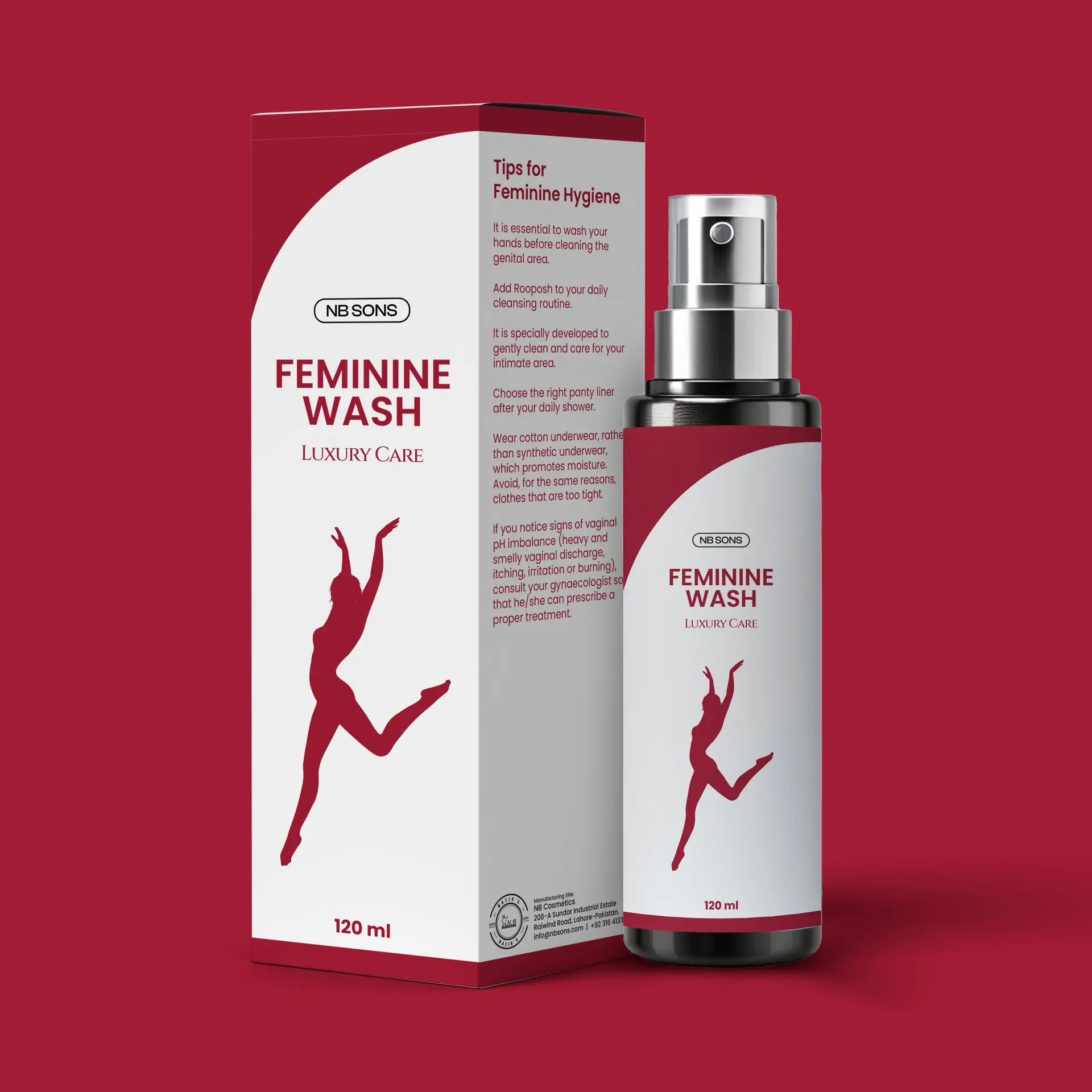
- Switch to a mild, pH-friendly wash. Harsh and scented soaps strip the vagina's natural balance and worsen itching. A soap-free intimate wash like Rooposh Feminine Wash cleanses the external area gently.
- Never douche. Rinsing inside removes the protective bacteria and makes both yeast and BV more likely.
- Wear breathable cotton and avoid staying in damp or tight clothing. Change out of wet swimwear or gym wear promptly.
- Keep blood sugar in check, as high sugar feeds yeast.
- Avoid scented liners, sprays and wipes in the intimate area.
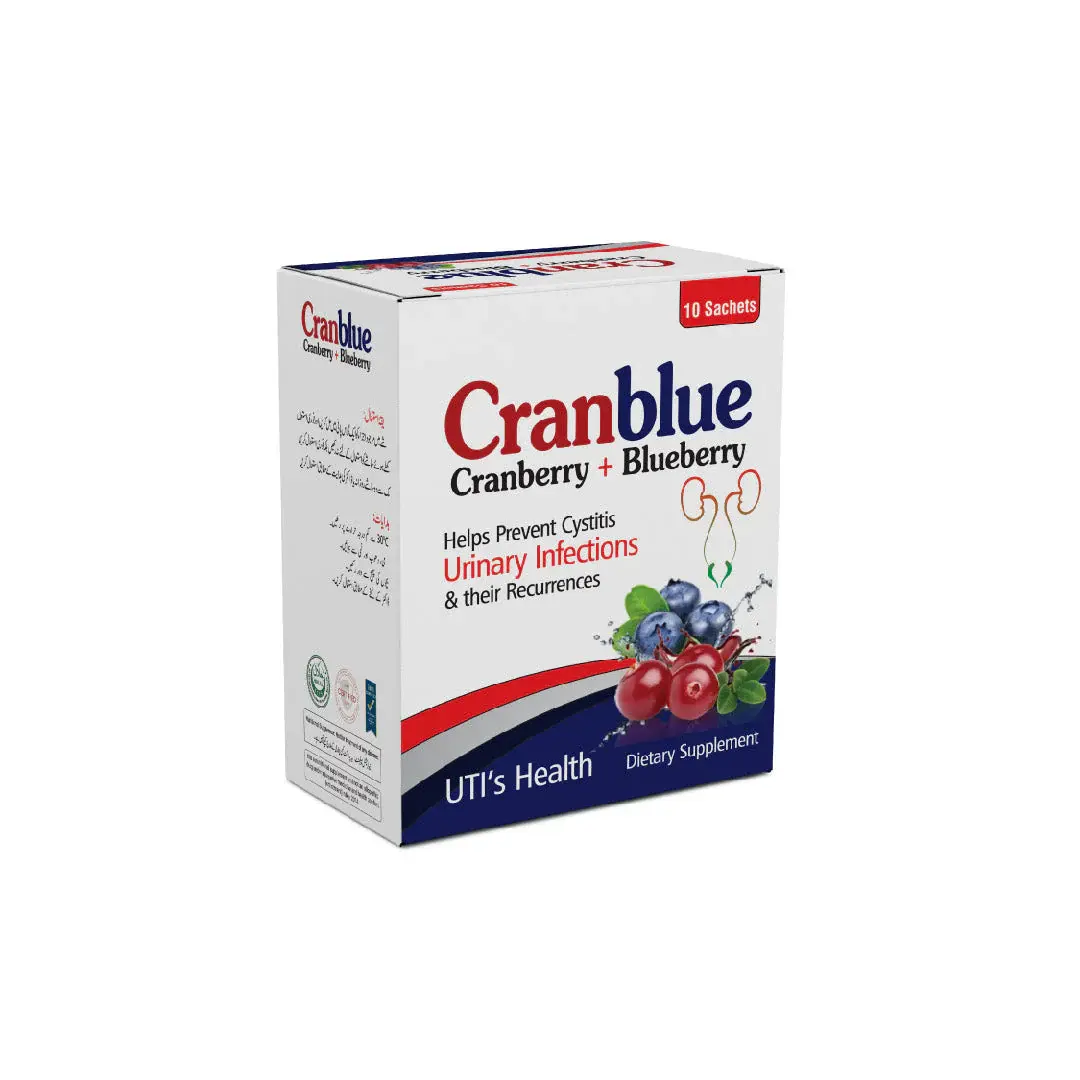
- Support urinary and intimate wellness with berry antioxidants like Cranblue if you are also prone to urinary discomfort. Our cranberry sachet guide explains how the berries help and how to take them.
These steps soothe and help prevent irritation. But a confirmed infection still needs the right antifungal or antibiotic.
What treatment to expect
For a straightforward yeast infection, a pharmacist or doctor will usually recommend an antifungal. This may be a cream, a pessary placed in the vagina, or a single oral tablet. Symptoms often ease within a few days.
BV is treated with a specific antibiotic. If infections keep returning, your doctor may look for triggers, check your blood sugar, or suggest a longer treatment plan. Always finish the course you are given, even once you feel better.
The bottom line
Most vaginal itching is caused by treatable, common issues. Soothe and prevent it with gentle, pH-friendly hygiene (Rooposh), breathable cotton and no douching. See a doctor to confirm and treat a true infection.
Hygiene and supplements support comfort, they do not replace medical care. See our feminine hygiene guide and discharge guide for more. Note that this article is checked by our medical review board.
Shop Rooposh Feminine Wash →Frequently asked questions
How can I stop vaginal itching at home?
Switch to a gentle pH-friendly wash, wear cotton, avoid scented products and douching, and keep the area dry. If itching is intense or persistent, see a doctor for the right treatment.
What does a yeast infection discharge look like?
Thick, white and cottage-cheese-like, with intense itching but usually no strong smell. A fishy smell points more to BV, which needs different treatment.
Can a feminine wash cure a yeast infection?
No. A gentle wash supports comfort and prevention, but a yeast infection needs an antifungal. See a doctor or pharmacist to confirm and treat it.
Why do I keep getting yeast infections?
Frequent infections can follow antibiotics, hormonal changes, tight or damp clothing, or high blood sugar. If you get four or more a year, see a doctor to check for an underlying cause rather than treating each one alone.
Is yeast infection a sexually transmitted infection?
No. Thrush is not classed as an STI and can happen without any sexual contact. However, some other causes of itching are sexually transmitted, which is one reason a first or unusual episode is worth getting checked.
Can I use natural remedies like yoghurt inside the vagina?
This is a popular home remedy, but evidence is weak and it can introduce irritation or upset the natural balance. It is safer to use a proven antifungal and gentle external hygiene than to put food products inside the vagina.
Is it safe to treat itching myself during pregnancy?
Always check with a doctor first in pregnancy. Some treatments are not suitable. Your doctor can recommend a safe option and rule out other causes.
Liked this one? Get the next in your inbox.
One fortnightly note from the editors, new pieces, restocks, and the routines we're actually using. Unsubscribe any time.