Feminine Hygiene: How to Care for Your Intimate Health (Pakistan 2026)
Feminine hygiene without judgement: what your body actually needs, how to choose an intimate wash, and which habits to keep. A guide for women in Pakistan.
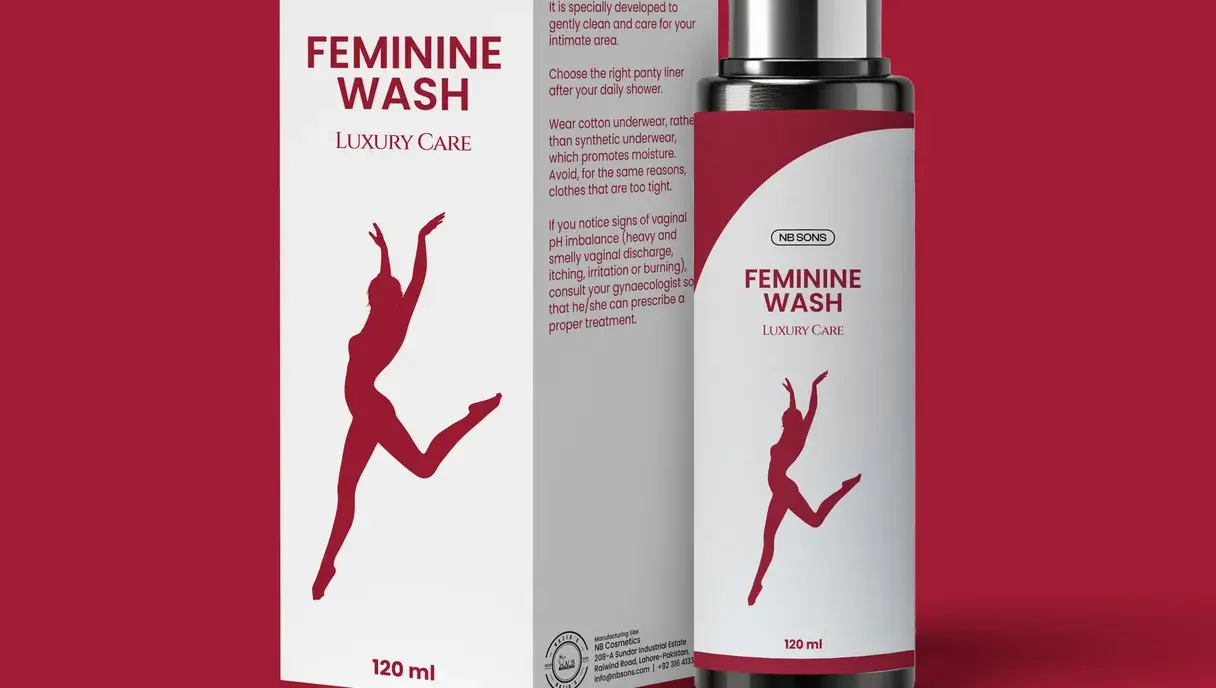
Did you know? Your vagina is self-cleaning. It keeps itself at a slightly acidic pH (around 3.8 to 4.5) that naturally fights off harmful germs. So when it comes to feminine hygiene, doing less is often better than doing more.
This area is surrounded by myths, marketing and silence. Many women are never told what their bodies actually need. The truth is refreshingly simple: gentle care, the right products, and a few good habits. Here is a clear, judgement-free guide, written for women in Pakistan.
A quick look at how your body protects itself
It helps to understand two areas. The vulva is the external part you can see and touch. The vagina is the internal canal.
The vagina is self-cleaning. It maintains its own healthy balance of good bacteria (mainly lactobacilli) and a slightly acidic pH that keeps harmful organisms in check. This natural ecosystem is your best defence against infection. Your job is simply not to disturb it. You only ever need to wash the vulva, the external area, and even that needs only gentle care.
The golden rule: less is more
Over-cleaning does more harm than good. Scrubbing, douching, and using strong or scented products can strip away the protective bacteria and shift the pH. That leaves you more prone to itching, dryness, thrush and bacterial vaginosis.
If something feels wrong, the answer is almost never to clean harder. It is to clean more gently, or to see a doctor.
How to choose an intimate wash
Ordinary soap and shower gel are too harsh and alkaline for this delicate area. They disturb the natural pH and can trigger itching, dryness and infections. Look for a wash that is:
- Soap-free and pH-friendly, matched to the body's natural balance.
- Fragrance-light and gentle, suitable for sensitive skin and daily use.
- Free from harsh detergents such as strong sulphates.
- For external use only.
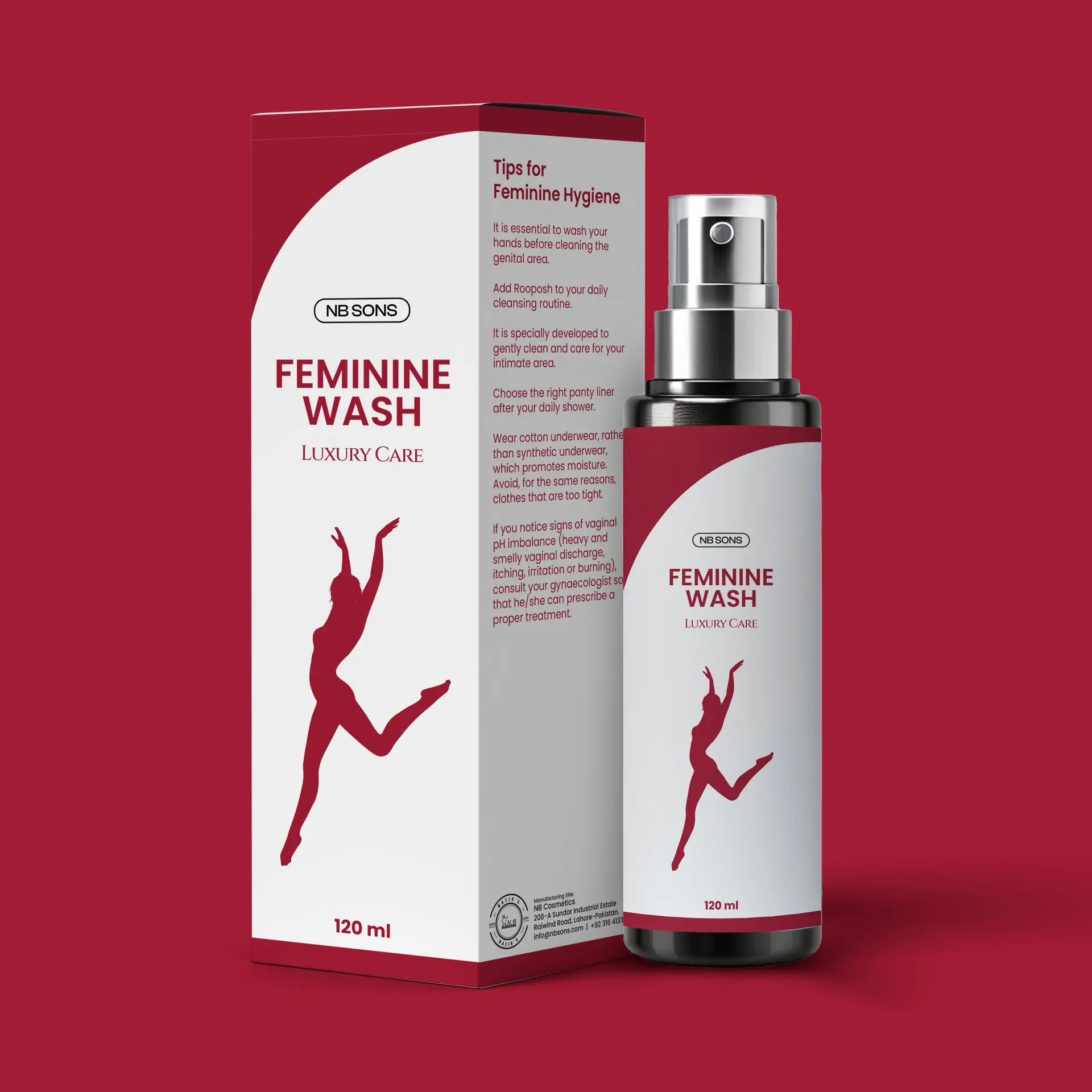
A wash like Rooposh Feminine Wash is designed exactly for this. It is a mild, soap-free formula that cleanses gently while respecting your natural balance, for everyday freshness and comfort.
Everyday habits that protect intimate health
- Wash the outside only, once a day, with a gentle wash and water. There is no need to wash several times a day.
- Never douche (rinse inside). It strips protective bacteria and raises infection risk.
- Wipe front to back to keep bowel bacteria away from the vagina and bladder.
- Wear breathable cotton and avoid tight synthetic underwear that traps heat and moisture.
- Change pads or tampons regularly during your period and keep the area dry.
- Avoid scented liners, sprays and wipes, which often irritate.
- Urinate after sex to reduce UTI risk.
- Change out of wet swimwear or sweaty gym clothes promptly.
Understanding normal discharge
Vaginal discharge is normal and healthy. It is how the body keeps itself clean and moist. It changes in amount and texture across your cycle, becoming clearer and stretchier around ovulation.
Normal discharge is clear to milky white and does not itch or smell offensive. A sudden change in colour, a strong fishy or unpleasant smell, itching, or a cottage-cheese texture can signal an infection that needs treatment, not more washing. Our discharge guide explains this in detail.
Hygiene through different life stages
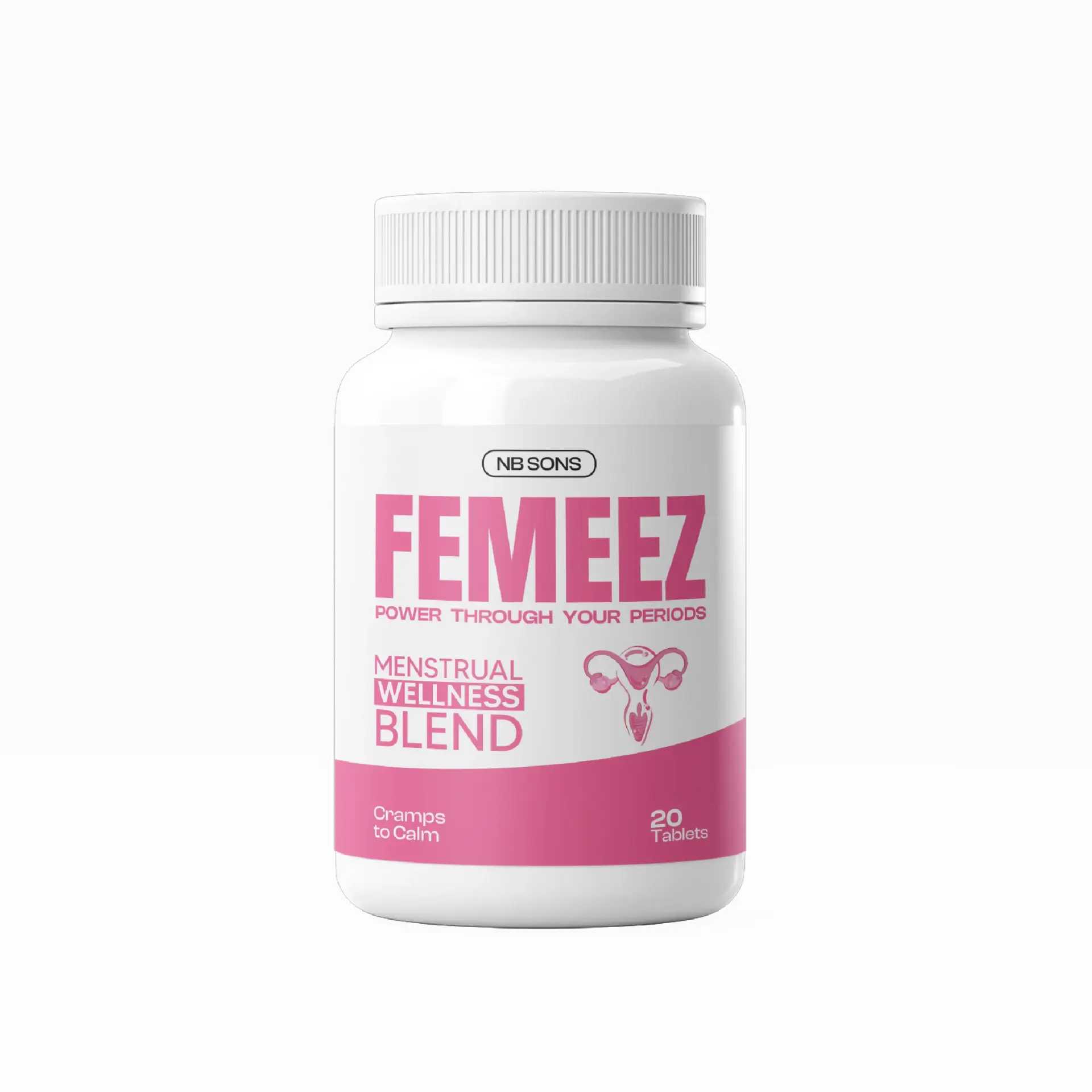
- During your period: change protection often and rinse the external area. A women's blend like Femeez supports cycle comfort.
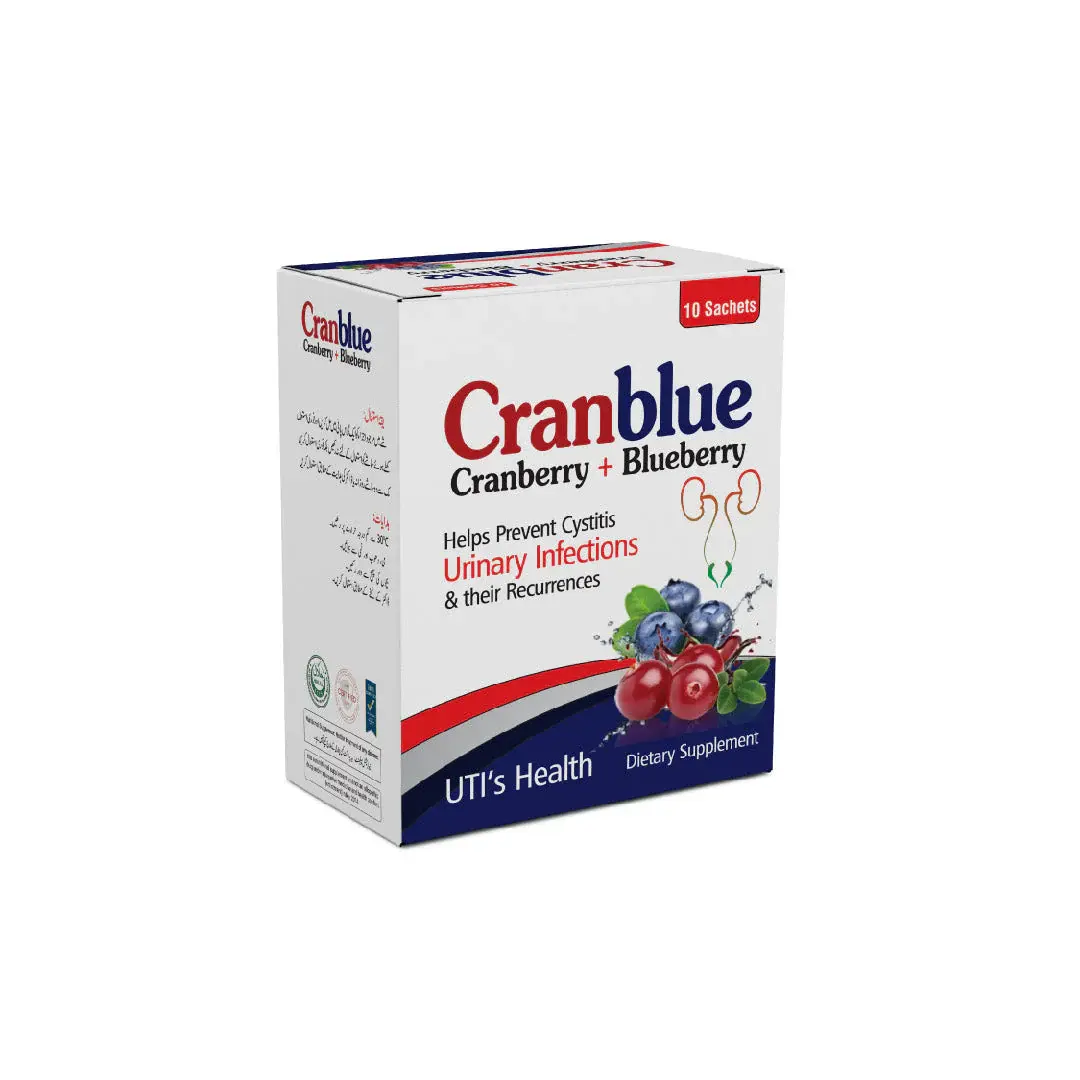
- If prone to UTIs: add hydration and berry support like Cranblue, and see our UTI guide.
- During pregnancy: discharge often increases, which is usually normal. Keep to gentle external washing and report any itching, odour or unusual colour to your doctor.
- Around menopause: falling oestrogen makes tissues thinner and dryness is common. See our menopause support guide.
Myths to drop
"You need to clean inside." No, douching is harmful. "Discharge means you are dirty." No, normal discharge is healthy and protective.
"Scented washes are better." No, fragrance and harsh soap cause irritation. "A strong smell means you need to scrub more." No, a genuinely abnormal smell is a medical sign, not a cleanliness failing.
When something is truly wrong (itching, bad smell, unusual colour, pain, sores), that is a medical issue, not a hygiene fault. It deserves a doctor's visit.
When to see a doctor
Good hygiene prevents many problems, but it cannot treat an infection. See a doctor if you notice persistent itching, a strong or fishy odour, an unusual colour such as green or yellow, pain during sex or urination, sores or blisters, or any bleeding between periods.
These are not signs of poor hygiene. They are signs your body needs medical attention.
The bottom line
Good feminine hygiene is gentle and simple. Wash only the outside with a soap-free, pH-friendly wash like Rooposh, never douche, wear cotton, and listen to your body.
Anything unusual is worth a doctor's visit, not extra scrubbing. Remember that a wash supports comfort and freshness, it is not a treatment, so let medical care handle anything that feels genuinely wrong. This guide is reviewed by our medical review board.
Shop Rooposh Feminine Wash →On period products themselves, the menstrual cup guide explains how cups work, how to clean them and whether they suit you.
Frequently asked questions
Is it safe to use a feminine wash every day?
Yes. A gentle, soap-free, pH-friendly wash like Rooposh is suitable for daily external use. Avoid ordinary soap and anything heavily fragranced.
Should I clean inside the vagina?
No. The vagina cleans itself. Only wash the external vulva. Washing inside (douching) disrupts the natural balance and raises infection risk.
Why do I get irritation after using normal soap?
Regular soap is too alkaline for intimate skin and strips its protective barrier. Switching to a pH-friendly intimate wash usually solves it.
Is vaginal discharge normal?
Yes. Clear to milky-white discharge that changes through your cycle is normal and healthy. A sudden change in colour, smell or texture, or itching, is worth getting checked.
Are scented wipes and sprays a good idea?
No. Fragranced products are a common cause of intimate irritation. Plain water and a mild, soap-free wash are kinder and just as clean.
Can good hygiene prevent infections completely?
Gentle hygiene lowers the risk, but no routine prevents every infection. Hormones, antibiotics and other factors play a part too. Hygiene supports your health, it does not replace medical care when something is wrong.
What underwear is best for intimate health?
Breathable cotton that is not too tight. It lets air circulate and keeps the area dry, which discourages yeast and bacteria.
Liked this one? Get the next in your inbox.
One fortnightly note from the editors, new pieces, restocks, and the routines we're actually using. Unsubscribe any time.