Syror: Soy Isoflavones for Menopause Support and Hormonal Balance in Pakistan
Syror soy isoflavones 50 mg for menopause in Pakistan: what the trials really show for hot flashes, and where the bone claims fall short.
Menopause is not a disease. It is a natural transition, and the NHS puts it at between 45 and 55 for most women, though it can start earlier.
That does not make the symptoms mild. Hot flashes arrive without warning at family gatherings. Night sweats wreck sleep for months on end. Mood swings strain relationships, and joint stiffness turns ordinary tasks into a struggle. The Cleveland Clinic reports that as many as 3 in 4 people have hot flashes in the years leading up to menopause, with a typical flash lasting one to five minutes.
Hormone replacement therapy (HRT) is the main treatment for those symptoms. The NHS says the risks of serious side effects from HRT are very low, but the risks are real and worth knowing: around 5 extra breast cancer cases in every 1,000 women who take combined HRT for 5 years, little or no increase from oestrogen-only HRT, and a slight rise in blood clot and stroke risk with HRT tablets, though patches, gels and sprays do not raise clot risk. Some women cannot take HRT at all, and many would rather try something gentler first.
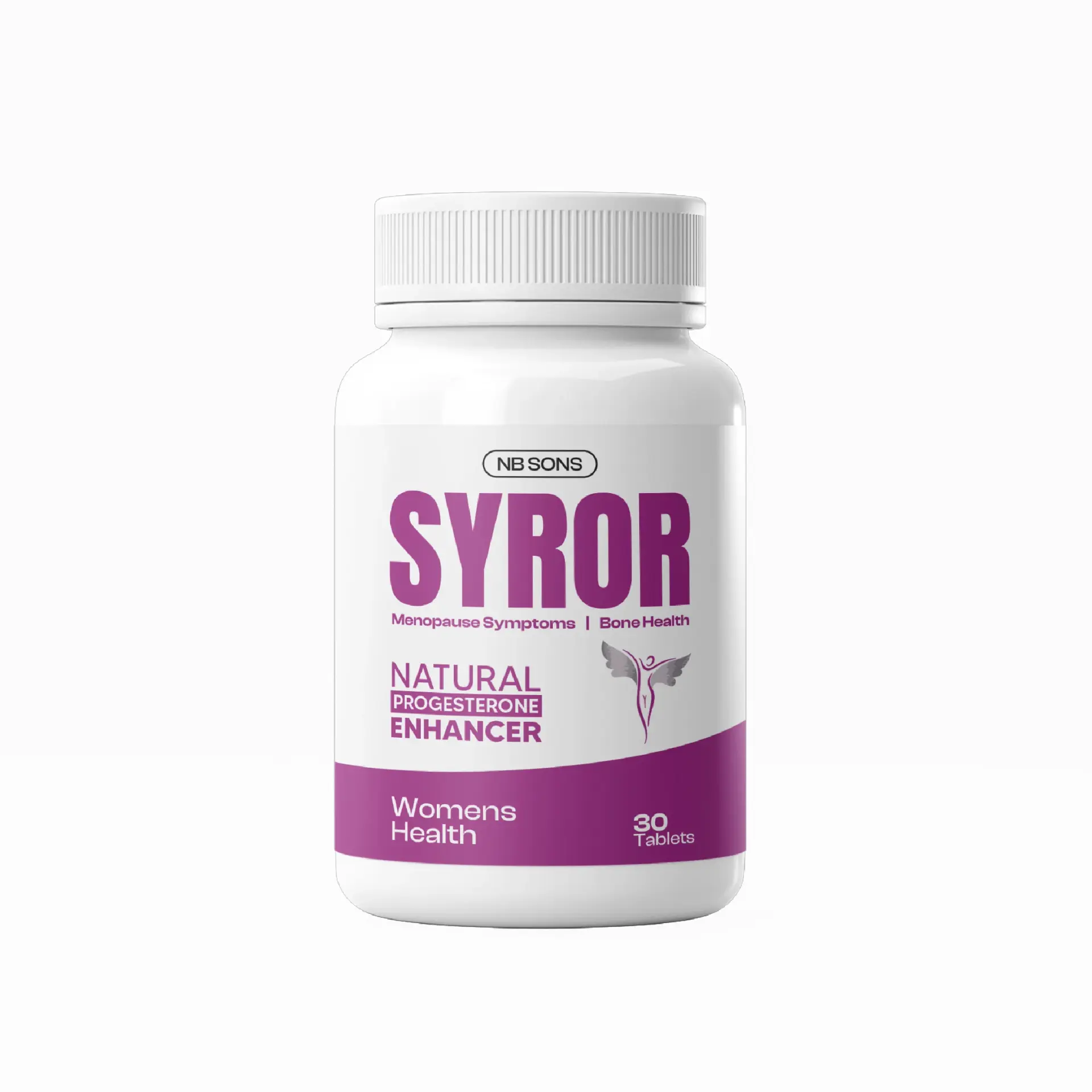
Syror is one of the gentler options. Each tablet holds Soy Isoflavones (USP) 50 mg, plant compounds that behave weakly like oestrogen in the body. The directions are one tablet a day, and a pack costs Rs 1,450.
This guide covers what soy isoflavones do, what the trials actually found, who Syror suits, and where the evidence stops short. No overselling: some of it is genuinely encouraging, and one part of the usual sales pitch does not hold up.
Shop the picks in this guide (5)
- Syror Soy Isoflavones 50 mg, Rs 1,450, the tablet this guide is about, one a day
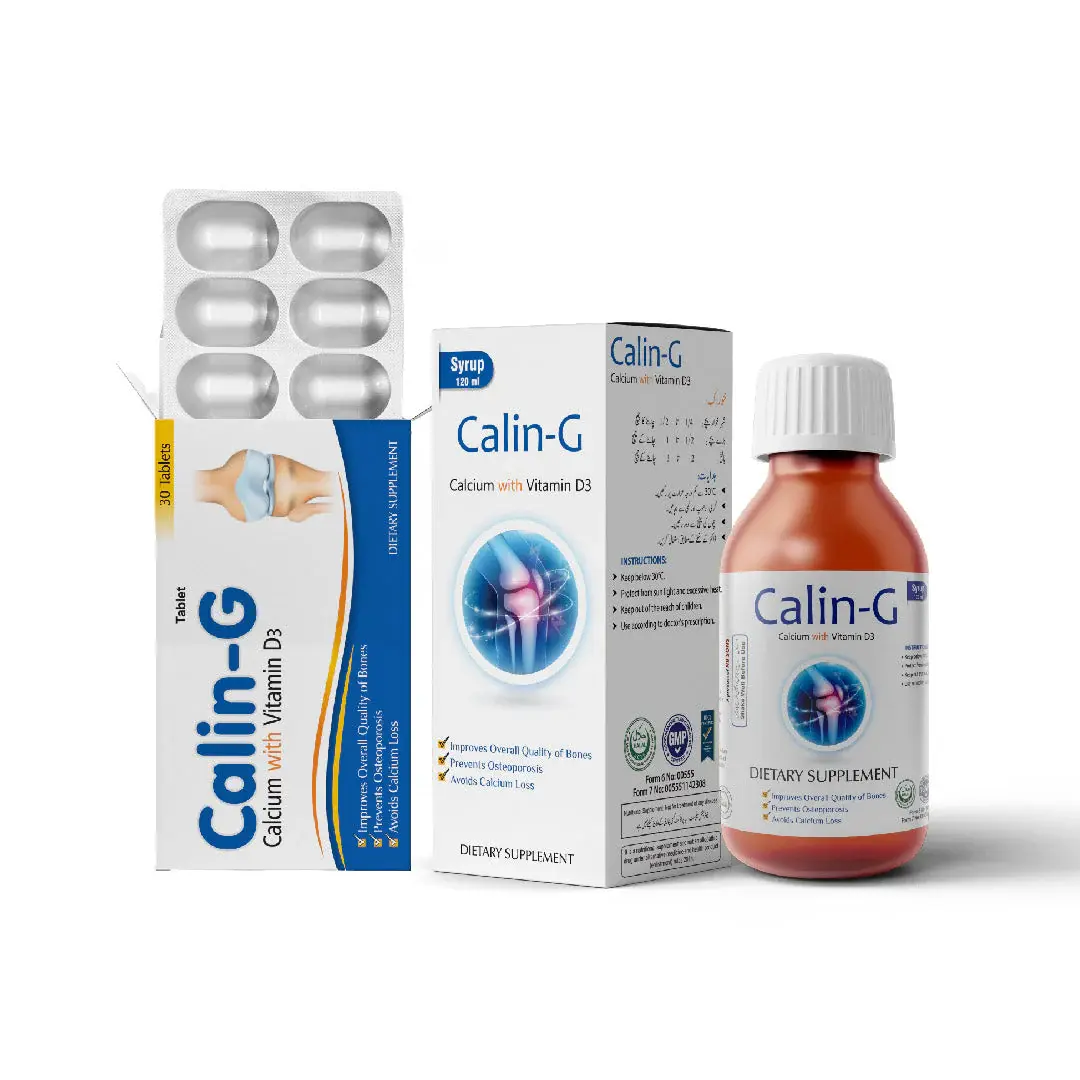
- Calin-G Calcium + Vitamin D3, Rs 420, the calcium and D3 base that bone health actually rests on
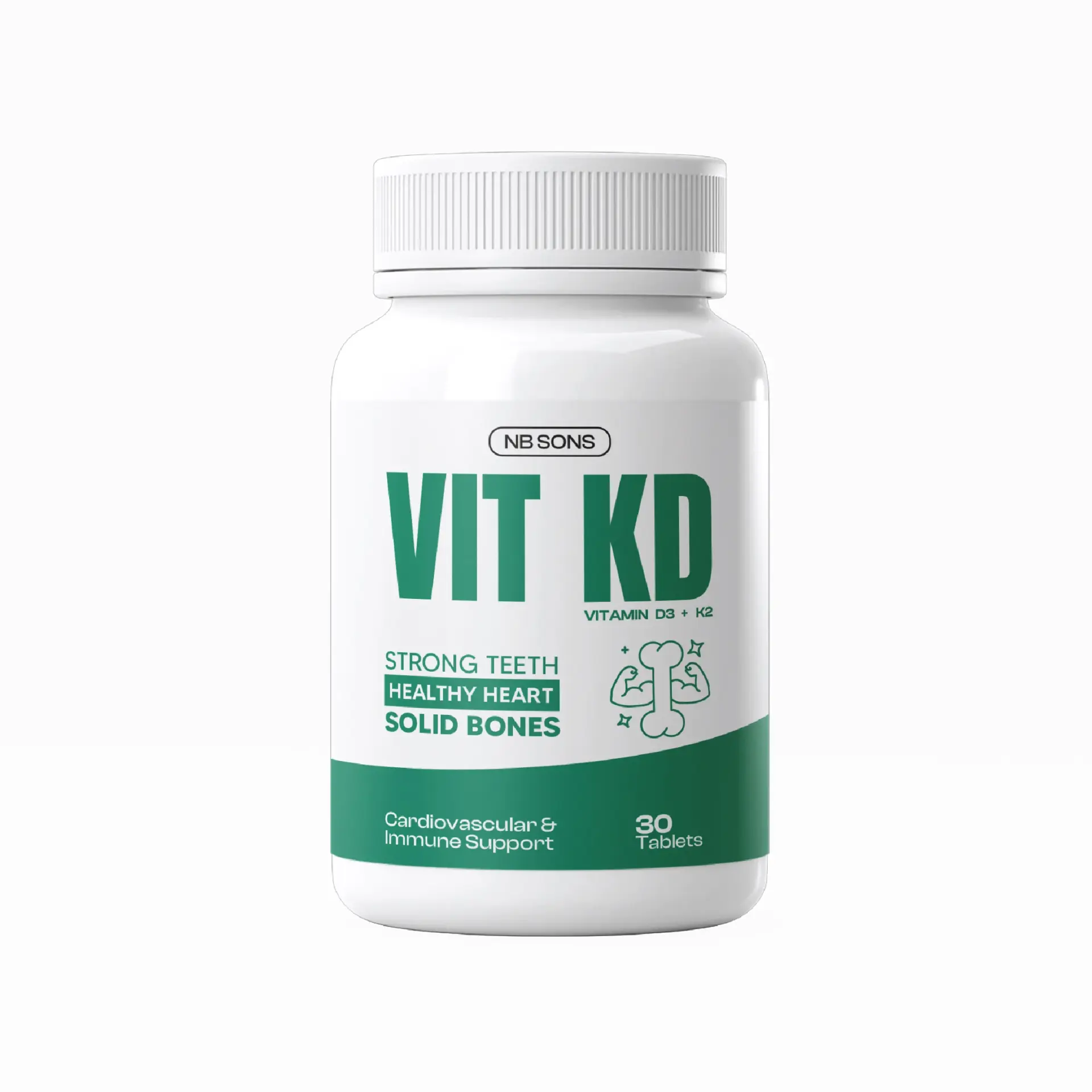
- Vit KD Vitamin D3 10,000 IU + K2, Rs 870, higher strength D3 with K2 if your vitamin D is low
- Calco Fit Magnesium Glycinate 500 mg, Rs 1,290, for the broken sleep and muscle tension side of it
- Women's Wellness & Hormonal Balance Combo, Rs 3,479, Syror bundled with M-Sol, Femeez, Ferosim and Cranblue
Table of Contents
- What Is Syror?
- Understanding Menopause in Pakistan
- How Soy Isoflavones Work for Menopause
- Clinical Evidence Behind Soy Isoflavones
- Complete Benefits of Syror
- Who Should Take Syror?
- Dosage and How to Use
- Syror vs Hormone Replacement Therapy
- Why Soy Isoflavones Over Other Menopause Supplements?
- Price and Where to Buy in Pakistan
- Frequently Asked Questions
What Is Syror?
Syror is a women's hormonal balance tablet from NB Sons. Each tablet holds Soy Isoflavones (USP) 50 mg. Our product page positions it across the whole span of a woman's hormonal life: PMS symptoms, irregular cycles, reproductive wellness, and menopause comfort including hot flashes and mood changes. Menopause is the use this guide focuses on, but it is worth knowing Syror is not a menopause-only product.
Soy isoflavones are phytoestrogens, plant molecules that resemble human oestrogen closely enough to bind its receptors. That review notes they bind the oestrogen receptor weakly, and that some bind ER-beta more strongly than ER-alpha, which is the point that matters most for menopause.
Unlike the hormones in HRT, phytoestrogens act gently. They give a small amount of oestrogenic activity rather than restoring hormone levels. Think of nudging a dimmer switch up slightly, not flipping the power back on. That is the trade-off in one line: less risk, and also less effect.
The USP mark on Syror's soy isoflavones means the ingredient is specified to the United States Pharmacopeia monograph for identity and strength, rather than being a generic extract of unstated composition.
Understanding Menopause in Pakistan
Menopause remains an awkward subject in much of Pakistani society. Many women manage the symptoms quietly at home rather than raise them with a doctor, which is one reason the transition here is under-discussed and under-treated. We have not found reliable published national figures for how many Pakistani women seek help, so treat any confident percentage you read on this topic, including on other supplement sites, with suspicion.
What is well established is the biology, and it applies everywhere. The Cleveland Clinic gives the average age of menopause in the United States as 52; the NHS gives a usual range of 45 to 55. Pakistan's hot summers make vasomotor symptoms harder to live with than the same symptoms in a temperate climate, and widespread vitamin D deficiency puts the bone side of menopause on a weaker footing before it even begins.
Common Menopause Symptoms Reported by Pakistani Women
- Hot flashes and night sweats: the Cleveland Clinic reports hot flashes in as many as 3 in 4 people around menopause, and up to 1 in 3 having more than 10 a day. Sudden heat waves are especially punishing in Pakistan's climate.
- Sleep disturbances: night sweats break the sleep cycle, and the fatigue that follows drags down daytime function.
- Mood changes: irritability, anxiety and low mood affect relationships and daily life.
- Joint and muscle pain: stiffness and aching joints are commonly reported through the transition.
- Bone density loss: the Cleveland Clinic puts the average loss at 25% of bone mass between menopause and age 60, because oestrogen normally signals bone cells to slow down breaking bone tissue apart.
- Vaginal dryness and urinary issues: rarely discussed here, and listed by the Cleveland Clinic among the main symptoms of menopause.
- Weight changes: many women notice fat shifting towards the abdomen through the transition.
Each of these traces back to falling oestrogen. That is the gap soy isoflavones are meant to partly fill.
How Soy Isoflavones Work for Menopause
During the reproductive years the ovaries make oestrogen, which helps regulate temperature, mood, bone turnover and heart health. At menopause that supply falls away, the body takes time to adapt, and the symptoms above are the result.
Soy isoflavones, mainly genistein and daidzein, work through receptor binding.
Selective Oestrogen Receptor Binding
The body has two main oestrogen receptors: ER-alpha and ER-beta. ER-alpha dominates in breast and uterine tissue. ER-beta is found in the brain, bones, cardiovascular system and urinary tract.
The review above notes that some soy phytoestrogens bind ER-beta more strongly than ER-alpha. That selectivity is the theory behind their appeal: oestrogen-like signalling where it helps with temperature control, mood and bone, with less stimulation of the breast and uterine tissue where ER-alpha dominates. It is a plausible mechanism, and it is worth being honest that a good mechanism does not guarantee a good clinical result.
This is different from HRT, which activates both receptor types. That broader action is why HRT relieves symptoms far more powerfully, and also why it carries the risks the NHS lists.
Antioxidant and Anti-Inflammatory Effects
The same review describes antioxidant activity as one of the two properties, alongside the phytoestrogen effect, that most isoflavone benefits are attributed to. This is laboratory and review-level evidence about how the molecule behaves, not proof of a specific benefit you will feel, so read it as background rather than a promise.
Clinical Evidence Behind Soy Isoflavones
Soy isoflavones are among the better studied natural menopause options, which also means the disappointing results are on record alongside the good ones. Here is what the strongest trials found.
- Hot flash reduction, the strongest finding: a 2012 systematic review and meta-analysis in Menopause (Taku et al.) pooled 17 randomised controlled trials and found isoflavones cut hot flash frequency by 20.6% and severity by 26.2% compared with placebo. The median dose was 54 mg a day and the trials ran from 6 weeks to 12 months. That is a real effect, and a modest one.
- Dose matters: in the same analysis, supplements providing more than 18.8 mg of genistein were more than twice as effective at cutting hot flash frequency as lower-genistein ones.
- Bone density, where the evidence does not support the sales pitch: a two-year randomised, double-blind trial in Archives of Internal Medicine (Levis et al., 2011) gave 200 mg of soy isoflavones daily, four times Syror's dose, to women within five years of menopause. After two years it found no significant difference from placebo in bone mineral density at the spine, hip or femoral neck, and no improvement in menopausal symptoms either. Any page that tells you soy isoflavones protect your bones is not describing this trial.
- Safety in that trial: no significant differences were found between the groups on the other outcomes measured, including lipids and thyroid function, though more women in the soy group reported hot flashes and constipation.
- The wider caution: the NHS notes that for herbal remedies and supplements sold for menopause symptoms generally, there is very little evidence about how well they work or how safe they are. Soy isoflavones sit at the better-evidenced end of that shelf, not outside it.
Syror's 50 mg is close to the 54 mg median dose used across the trials in the hot flash meta-analysis, which is the main reason to expect anything from it.
Complete Benefits of Syror
Setting the evidence next to what our product page claims, here is an honest column-by-column view.
| Benefit | What the evidence says | Realistic timeline |
|---|---|---|
| Hot flash relief | Supported: 20.6% fewer flashes and 26.2% less severity versus placebo across 17 trials | Trials ran 6 weeks to 12 months; give it at least 6 to 12 weeks |
| Night sweat reduction | Same mechanism as daytime flashes, measured together as vasomotor symptoms in most trials | 6 to 12 weeks |
| Mood and PMS comfort | A claim on our own product page, not something the trials above measured | Judge it on your own cycle over 2 to 3 months |
| Bone protection | Not supported: a 2-year trial at 200 mg daily found no effect on bone mineral density. Cover bones with calcium, vitamin D and weight-bearing activity instead | Do not rely on Syror for this |
| Skin and hair | Listed on our product page as a supported area; no menopause trial evidence quoted here | Not measurable on a fixed schedule |
| Joint comfort | Listed on our product page alongside bone health; the trials cited here did not measure joint pain, so we are not putting a number on it | Judge it yourself over 2 to 3 months |
Supplement claims are structure and function claims. Syror supports these areas; it does not treat, cure or prevent any disease, and it is not a substitute for medical care.
Who Should Take Syror?
Syror suits women at several stages of the transition:
- Perimenopausal women: symptoms often begin years before periods stop for good. Soy isoflavones are one option for the flashes and sweats during that stretch.
- Menopausal women with hot flashes and night sweats: this is the symptom with the best supporting evidence, and the main reason to buy the product.
- Women who cannot or choose not to use HRT: whether because of a breast cancer history, other risk factors or personal preference, Syror is a gentler starting point, with a smaller effect than HRT.
- Women with PMS or irregular cycles: our product page covers this use as well, so a younger woman buying Syror is not buying the wrong product.
Women mainly worried about bone density should read the bone row above before ordering. Calcium, vitamin D and weight-bearing exercise are the useful steps there, and the NHS notes HRT itself helps prevent osteoporosis if it is suitable for you.
Who Should Avoid Syror?
Talk to your doctor before starting if any of these apply:
- Soy allergy
- Thyroid medication such as levothyroxine, since MedlinePlus notes that foods containing soybeans may affect how levothyroxine works and advises discussing them with your doctor
- A history of oestrogen-receptor-positive breast cancer, where the decision belongs with your oncologist
- Blood thinners or any regular prescription medicine
- Pregnancy or breastfeeding
Dosage and How to Use
Our product page directs one tablet daily, or as your physician directs. Taking it with a meal is easiest to remember. To get a fair trial of it:
- Take it at the same time each day. Consistency keeps intake steady.
- Give it 6 to 12 weeks before judging. The trials in the meta-analysis ran from 6 weeks to 12 months. Nothing about this is fast.
- Stop if you see no difference. Roughly a fifth fewer hot flashes is the average effect, and averages hide people it did nothing for. There is no reason to keep buying something that is not working for you.
- Cover bone health separately. Calin-G pairs calcium carbonate 500 mg with vitamin D3 400 IU, and Vit KD gives higher strength D3 with K2 if your vitamin D is low. Vitamin D deficiency is common in Pakistan, so this is worth doing properly rather than hoping isoflavones cover it.
- If sleep is the worst part, Calco Fit magnesium glycinate 500 mg is aimed at sleep, muscle relaxation and daily stress, and can sit alongside Syror.
- Do not exceed the stated dose unless your doctor advises it.
Syror vs Hormone Replacement Therapy (HRT)
This is the question most women want answered. An honest comparison, using the NHS figures for HRT and the trial figures for isoflavones:
| Factor | Syror (soy isoflavones) | Hormone replacement therapy |
|---|---|---|
| Mechanism | Plant phytoestrogens, weak receptor binding with a relative preference for ER-beta | Oestrogen, with progestogen if you have a womb, acting on both receptor types |
| Hot flash effect | 20.6% fewer flashes, 26.2% less severe, versus placebo across 17 trials | NHS: effective at relieving most perimenopause and menopause symptoms |
| Breast cancer risk | Not measured. The 2-year trial above tracked bone density, lipids and thyroid function, not cancer, so there is no supplement trial here to quote either way | NHS: around 5 extra cases per 1,000 women on combined HRT for 5 years, little or no increase with oestrogen-only HRT |
| Blood clot and stroke risk | Not measured in the trials above | NHS: tablets slightly raise both, risk still very low; patches, gels and sprays do not raise clot risk |
| Bone protection | Not shown in a 2-year randomised trial | NHS: helps prevent osteoporosis by restoring oestrogen levels |
| Prescription required | No | Yes |
| Monitoring needed | Minimal | Regular review with your doctor |
| Cost | Rs 1,450 a pack, bought over the counter | Prescription medicine; cost depends on the product your doctor chooses |
The bottom line: HRT works much better and carries small, quantified risks. Syror is gentler, cheaper and available without a prescription, with a smaller effect that suits mild to moderate symptoms. If your symptoms are severe, or if bone loss is your main worry, the conversation to have is with a gynaecologist about HRT, not a decision to make from a supplement page.
Why Soy Isoflavones Over Other Menopause Supplements?
The Pakistani market offers black cohosh, red clover, dong quai and evening primrose oil alongside soy. Soy isoflavones are worth picking for two reasons, and one reason people give that does not stand up.
- The hot flash effect is quantified. Most menopause supplements are sold on mechanism and testimonial. Soy isoflavones have a pooled meta-analysis of 17 randomised trials putting a number on the effect, 20.6% frequency and 26.2% severity, which lets you judge in advance whether it is worth your money.
- Soy has a long history as a food. The Cleveland Clinic lists soybeans first among the phytoestrogen-containing foods it suggests for menopause, alongside chickpeas, lentils, flaxseed, beans, fruit and vegetables. A concentrated supplement is not the same thing as a food, but the parent ingredient is not exotic.
- The multi-system claim is the part to drop. Soy isoflavones are often sold as covering bone, heart, skin, mood and memory at once. The largest bone trial found nothing at four times this dose, and we are not citing heart or cognition trials here because we have not verified them. Buy it for vasomotor symptoms.
Price and Where to Buy in Pakistan
Syror costs Rs 1,450 a pack, taken at one tablet a day. Check the pack itself for the tablet count, since that is the number that decides how long one pack lasts you.
Where to buy: order Syror from Yellow Pink, with cash on delivery across Pakistan and free delivery on orders over Rs 5,000 in Punjab. If you want the wider women's routine in one order, the Women's Wellness & Hormonal Balance Combo bundles Syror with M-Sol, Femeez, Ferosim and Cranblue.
Conclusion
Menopause does not have to mean years of quiet suffering, and it also does not have to mean believing everything a supplement page tells you. Syror does one thing with reasonable evidence behind it: soy isoflavones 50 mg, close to the dose used in the trials, cutting hot flash frequency by about a fifth and severity by about a quarter on average. That is worth having if flashes and night sweats are what is wearing you down.
It is not a bone treatment, and we would rather tell you that than sell you a second promise the research does not back. If bones are the worry, cover calcium and vitamin D and speak to your doctor.
Ready to try it? Order Syror for Rs 1,450, or browse the rest of our women's health range if you want to build a fuller routine. Cash on delivery across Pakistan, and free delivery on orders over Rs 5,000 in Punjab.
This article was written and medically reviewed to our medical review board standards and is for general guidance, not personal medical advice. Always speak to a doctor or pharmacist about your own situation.
Shop Syror Soy Isoflavones →Frequently asked questions
How long does Syror take to reduce hot flashes?
Plan on 6 to 12 weeks before you decide. The randomised trials pooled in the 2012 Menopause meta-analysis ran from 6 weeks to 12 months, so nothing here is quick. Across those trials the average effect was about 20% fewer hot flashes and 26% less severe ones compared with placebo. If you have taken it daily for three months and notice nothing, it is reasonable to stop.
Is Syror safe for long-term use?
The longest good trial gave 200 mg of soy isoflavones daily, four times Syror's dose, for two years and found no significant differences from placebo in lipids, thyroid function or bone markers, though more women in the soy group reported hot flashes and constipation. Beyond two years, supplement-dose data is limited, and the NHS points out that evidence on how safe menopause supplements are is generally thin. Tell your doctor you are taking it, especially if you have a hormone-sensitive condition.
Can I take Syror alongside my blood pressure or thyroid medication?
Ask your doctor if you take thyroid medication. MedlinePlus notes that foods containing soybeans may affect how levothyroxine works, and advises talking to your doctor before adding them, so the same caution applies to a soy isoflavone tablet. We have no verified interaction data for blood pressure medicines, which is a reason to ask rather than an assurance. Always tell your doctor and pharmacist about every supplement you take.
What is the difference between Syror and eating soy foods?
Soy foods such as tofu, soy milk and edamame contain isoflavones, but the amount varies with the food, the portion and how it was processed, so you cannot count on hitting a set dose. Syror gives a fixed 50 mg per tablet, close to the 54 mg median dose used in the hot flash trials. The Cleveland Clinic recommends soy foods as part of eating for menopause, so this is a case of adding to the diet rather than replacing it.
Does Syror help with menopause-related weight gain?
No. Syror is not a weight product, our product page does not claim weight benefits, and we have no verified trial evidence to offer on isoflavones and menopausal weight change. Sleep, strength work and diet are where that problem is actually addressed.
Does Syror protect my bones?
Not on the evidence we can point to. A two-year randomised trial at 200 mg daily found no difference from placebo in bone mineral density at the spine, hip or femoral neck. If bone density is your concern, cover calcium and vitamin D with Calin-G or Vit KD, keep up weight-bearing exercise, and ask your doctor about a bone density scan and whether HRT suits you.
Liked this one? Get the next in your inbox.
One fortnightly note from the editors, new pieces, restocks, and the routines we're actually using. Unsubscribe any time.