Period Pain & Menstrual Cramps: Causes & Natural Relief (Pakistan 2026)
Period pain and menstrual cramps: why they happen, how to ease them at home, the supplements that help, and the symptoms that need a doctor in Pakistan.
Did you know? Studies suggest that more than half of women who menstruate get period pain, and for many it is severe enough to disrupt daily life. For too many women, menstrual cramps (dysmenorrhoea) feel like a monthly fact of life. But you do not have to simply endure them.
Cramps happen when the womb contracts, and there is a great deal you can do to ease them. This guide explains why cramps happen, the difference between ordinary and warning-sign pain, what genuinely helps, and when to see a doctor. It is written for women in Pakistan.
Why do period cramps happen?
During your period, the womb contracts to shed its lining. These contractions are driven by hormone-like chemicals called prostaglandins. Higher levels mean stronger, more painful cramps.
As the muscle tightens, it briefly reduces blood flow to the womb, which adds to the ache. Pain usually starts just before or as bleeding begins, then eases over a day or two. This everyday kind of cramping is called primary dysmenorrhoea. It is very common, especially in younger women.
Primary versus secondary period pain
It helps to know the two broad types:
- Primary dysmenorrhoea is ordinary cramping with no underlying disease, driven by prostaglandins. It often eases with age and after childbirth.
- Secondary dysmenorrhoea is pain caused by an underlying condition such as endometriosis, fibroids, adenomyosis, pelvic infection or PCOS. It tends to start later in life, last longer, or get worse over time.
Cramps that are new, severe, or steadily worsening can point to one of these conditions. That is worth knowing about and getting checked.
Symptoms that often come with cramps
Period pain rarely travels alone. Many women also notice lower-back ache, a dragging feeling in the thighs, bloating, loose stools, headaches, breast tenderness, tiredness and mood changes in the days around their period.
These are part of the wider premenstrual picture and usually settle as the period ends. Knowing they are normal can be reassuring, though severe versions still deserve attention.
Natural ways to ease period pain
- Heat. A hot water bottle or heat pad on the lower belly relaxes the muscle and is as effective as some painkillers.
- Gentle movement. Light walking, stretching or yoga boosts blood flow and eases cramping.
- Stay hydrated and reduce salt to limit bloating.
- Magnesium & omega-3. Both are linked to less cramping and a calmer cycle.
- Rest and stress control. Stress worsens pain perception, so sleep and relaxation genuinely help.
- A warm bath and gentle massage of the lower abdomen can ease tension.
Pain relief: what to know
For many women, anti-inflammatory painkillers such as ibuprofen work well, because they reduce prostaglandins. They work best taken as the pain starts rather than waiting until it peaks.
Always follow the dosing instructions and take them with food. Avoid them if you have stomach ulcers, certain kidney problems, or have been told not to use them. If you need strong painkillers every single month just to function, that is a reason to see a doctor rather than simply taking more.
Supplements that help with cramps & PMS
Used consistently over a few cycles, certain nutrients can reduce the intensity of cramps and the wider PMS picture. They are a gentle, supportive approach rather than instant pain relief. They work best alongside the home measures above.
| Supplement | How it helps |
|---|---|
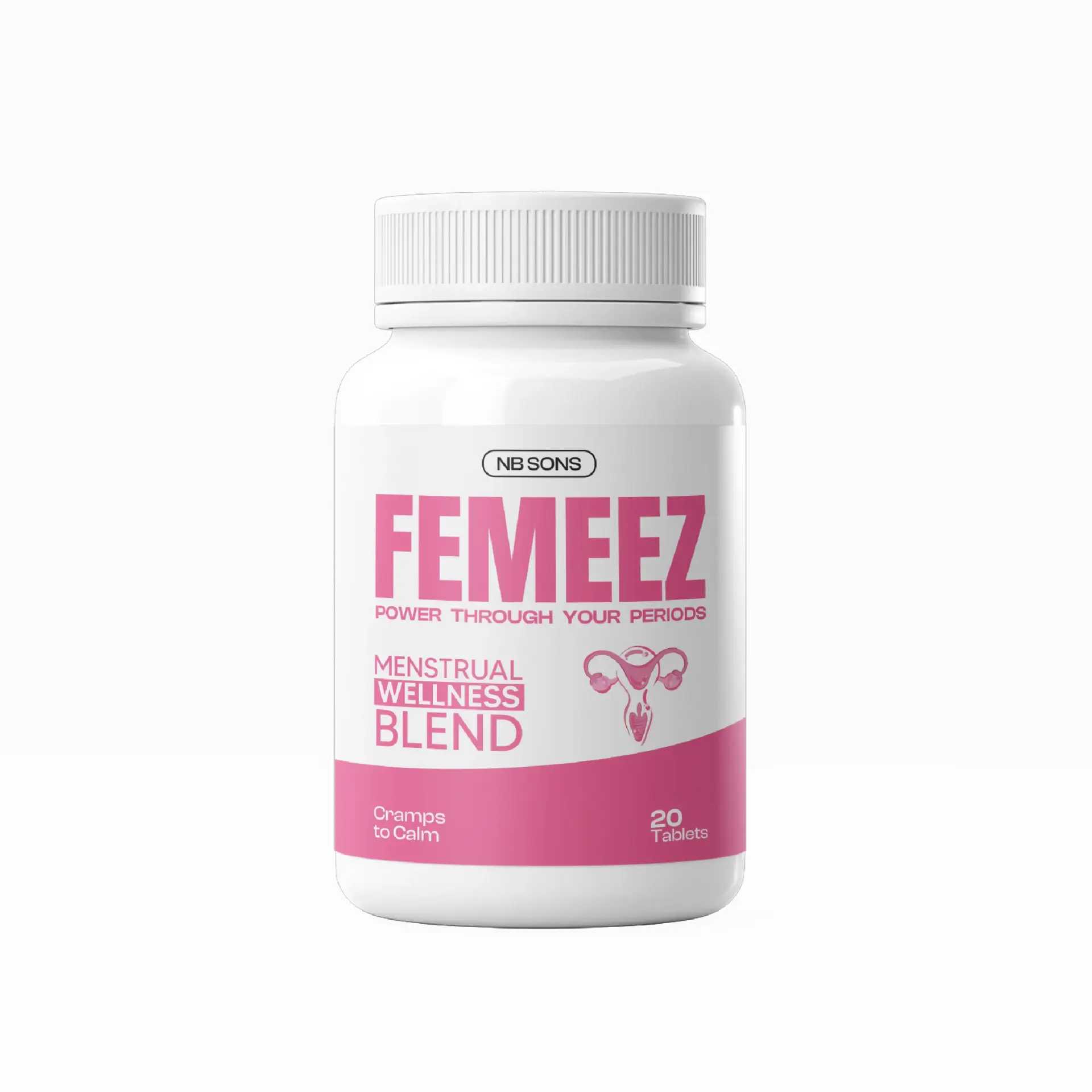
| FEMEEZ Menstrual Wellness Blend | A women's blend formulated to ease PMS and support a comfortable cycle |
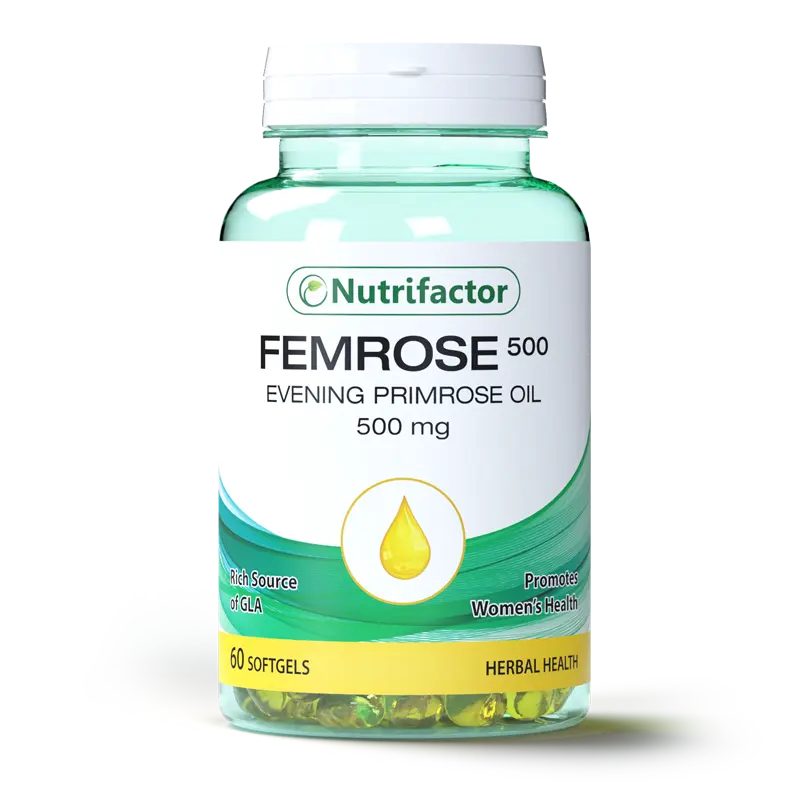
| Femrose 500 (Evening Primrose Oil) | GLA from evening primrose is traditionally used for PMS and breast tenderness |
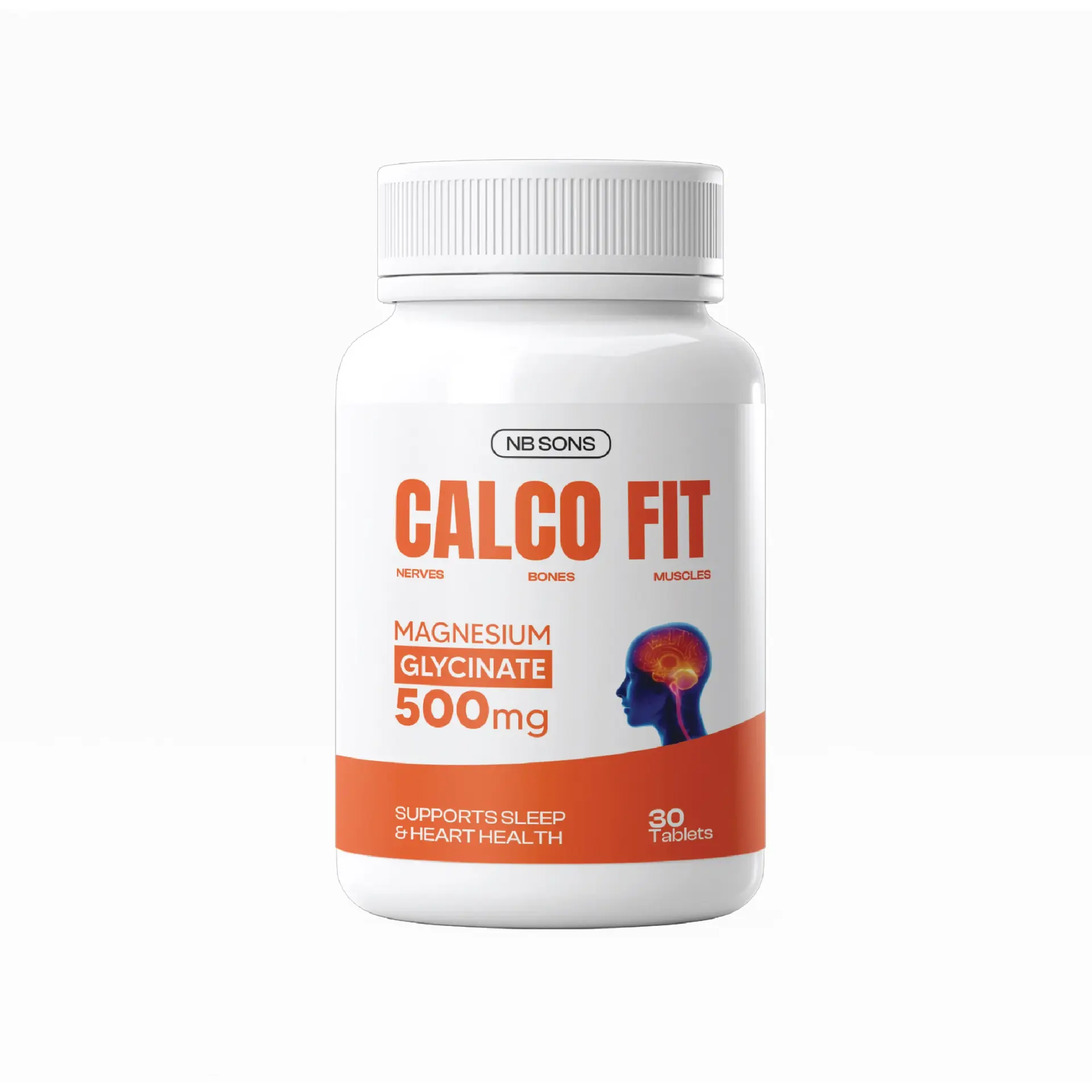
| Calco Fit Magnesium Glycinate | Magnesium relaxes muscle and is linked to fewer, milder cramps |
| Ferosim Iron | Replaces iron lost through heavy bleeding, easing period fatigue |
If cramps come with irregular cycles, the root cause may be hormonal. See our guides to natural PMS relief, irregular periods and magnesium. Supplements support cycle comfort. They do not treat conditions like endometriosis or fibroids, so persistent or severe pain still needs a doctor.
What is normal versus not
Mild to moderate cramps for a day or two are normal. They respond to heat, movement or a painkiller, and they let you carry on with your day.
What is not normal is pain severe enough to keep you off work or school. Nor is pain that is suddenly much worse than usual, pain that lasts well beyond your period, very heavy bleeding, or pain during sex. These deserve a proper assessment rather than month after month of just coping.
When to see a doctor
Speak to a doctor if your period pain is severe enough to stop daily life, suddenly worse than usual, lasts beyond your period, or comes with very heavy bleeding, clots or pain during sex.
Also see a doctor if pain is new in your 30s or 40s, or if you bleed between periods. These can signal endometriosis, fibroids, adenomyosis or infection. All are treatable conditions, but ones worth diagnosing early.
What treatment to expect
Your doctor will ask about your cycle and symptoms, and may examine you or arrange a pelvic scan. For ordinary cramps, they may suggest anti-inflammatory painkillers or hormonal options such as the combined pill, which often reduce pain significantly.
If a condition like endometriosis or fibroids is found, there are specific treatments, from medication to procedures. These are tailored to your situation and your plans for the future. The aim is for your period not to dominate your life.
Read next: Uterine Fibroids (Rasoli).
The bottom line
Period pain is common but manageable. Use heat and movement in the moment, and support your cycle with magnesium, evening primrose and a women's blend like Femeez.
See a doctor if pain is severe or changing. Supplements support comfort, they do not replace medical care for an underlying problem. Your period should not rule your month. This article is reviewed by our medical review board.
Shop Femeez Menstrual Wellness →Some women find cramps easier with a cup than with pads; the menstrual cup guide covers sizing, safety and cost in Pakistan.
Frequently asked questions
What helps period cramps fast?
Heat on the lower belly, gentle movement and an anti-inflammatory painkiller work quickest. Magnesium and Femeez help reduce cramp intensity over the longer term.
Is evening primrose oil good for periods?
Many women use evening primrose oil for PMS symptoms like breast tenderness and mood. Give it 2 to 3 cycles to judge.
Why am I so tired on my period?
Heavy bleeding can lower iron and cause fatigue. An iron supplement like Ferosim helps if you are deficient. Ask your doctor to check your levels first.
Are bad period cramps a sign of something serious?
Usually they are ordinary cramps. But pain that is severe, worsening, or lasts beyond your period can point to conditions like endometriosis or fibroids. If it is stopping your daily life, see a doctor.
Do period cramps get better with age or after having a baby?
Often yes for primary (ordinary) cramps, which tend to ease with age and after childbirth. If yours are getting worse rather than better, that is worth checking.
Can supplements replace painkillers for cramps?
No. Supplements like magnesium and a women's blend support a more comfortable cycle over time. But they are not fast pain relief and do not treat underlying conditions. Use them alongside, not instead of, the care your doctor advises.
Does diet affect period pain?
It can. Staying hydrated, reducing salt and getting enough magnesium and omega-3 may help. Very high caffeine and salty, processed foods can worsen bloating and discomfort for some women.
Liked this one? Get the next in your inbox.
One fortnightly note from the editors, new pieces, restocks, and the routines we're actually using. Unsubscribe any time.