Irregular Periods: Causes and Treatment Options (incl. Inositol)
What counts as an irregular period, the most common causes from PCOS to stress, and the lifestyle, dietary and supplement options that help.

Did you know? PCOS affects roughly 1 in 10 women of reproductive age, and it is the most common reason for irregular periods. An occasional late period is normal. But cycles that are always unpredictable, too far apart, too frequent, or missing altogether are your body's way of saying something is off balance. This guide explains what counts as irregular, the common causes, and the treatments and support that genuinely help.
What counts as an irregular period?
A typical cycle is about 28 days. Anywhere from 21 to 35 days is still normal. According to the NHS, periods are "irregular" if the gap between them keeps changing, or if they are consistently shorter than 21 days or longer than 35.
The odd off month is fine. A pattern that keeps repeating is worth investigating.
Common causes
| Cause | What's happening |
|---|---|
| PCOS | Hormonal imbalance affecting ovulation, the most common cause |
| Thyroid issues | An under- or over-active thyroid disrupts cycles |
| Stress | High cortisol interferes with cycle hormones |
| Weight changes | Very low or high body fat affects ovulation |
| Perimenopause | Natural hormonal shift in the late 30s to 40s |
PCOS (polycystic ovary syndrome) is the single most common cause of irregular cycles. If that sounds like you, our natural PCOS guide goes into detail.
Lifestyle steps that help regulate cycles
- Aim for a stable, healthy weight. Even modest changes can restore ovulation.
- Manage stress. Sleep, gentle movement and downtime all lower cortisol.
- Eat a balanced, lower-glycaemic diet. Steadier blood sugar supports hormone balance, especially in PCOS.
- Move regularly. Moderate exercise improves insulin sensitivity.
Inositol and supplement support
For irregular cycles linked to PCOS, myo-inositol is one of the best-studied options. It supports insulin sensitivity and healthy ovulation.
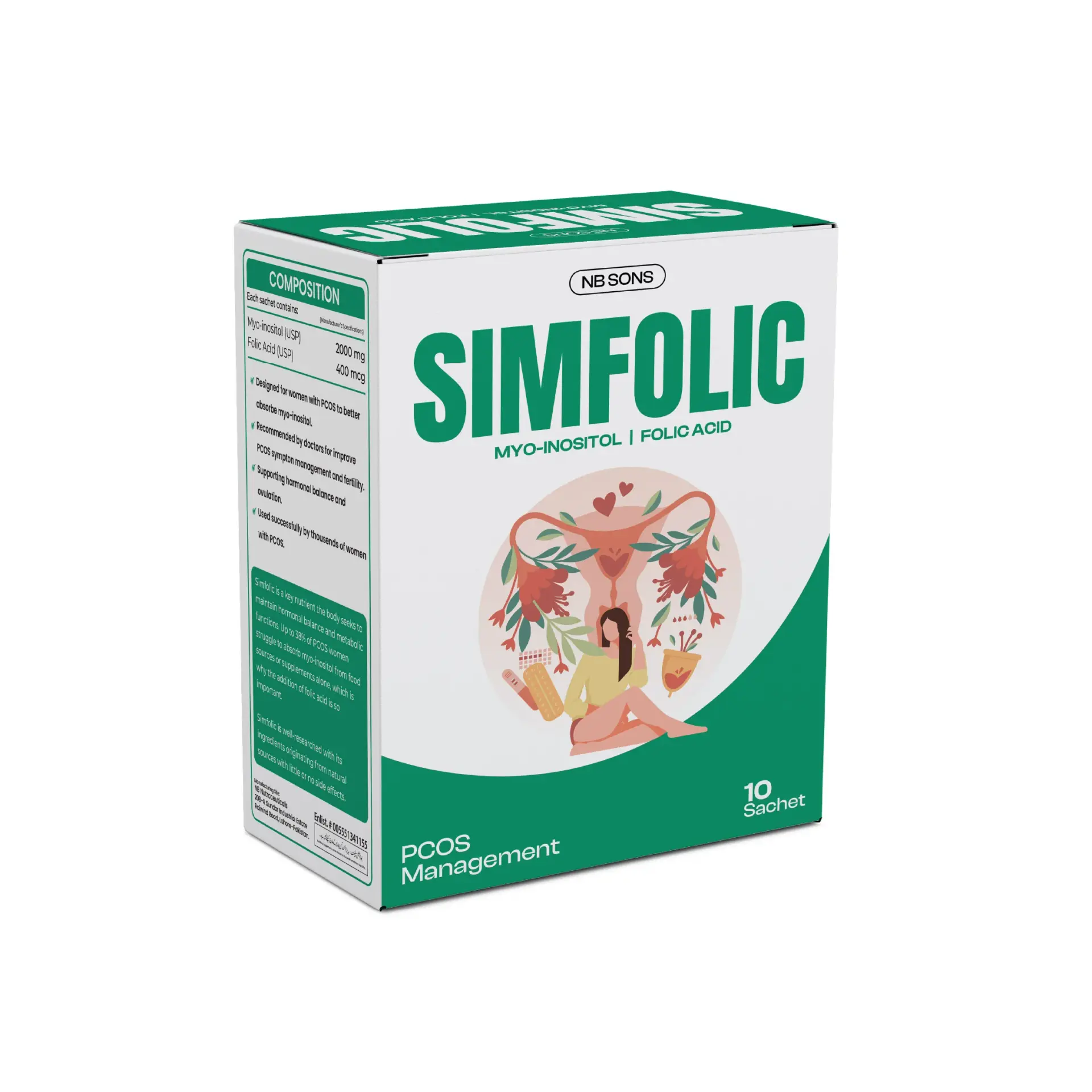
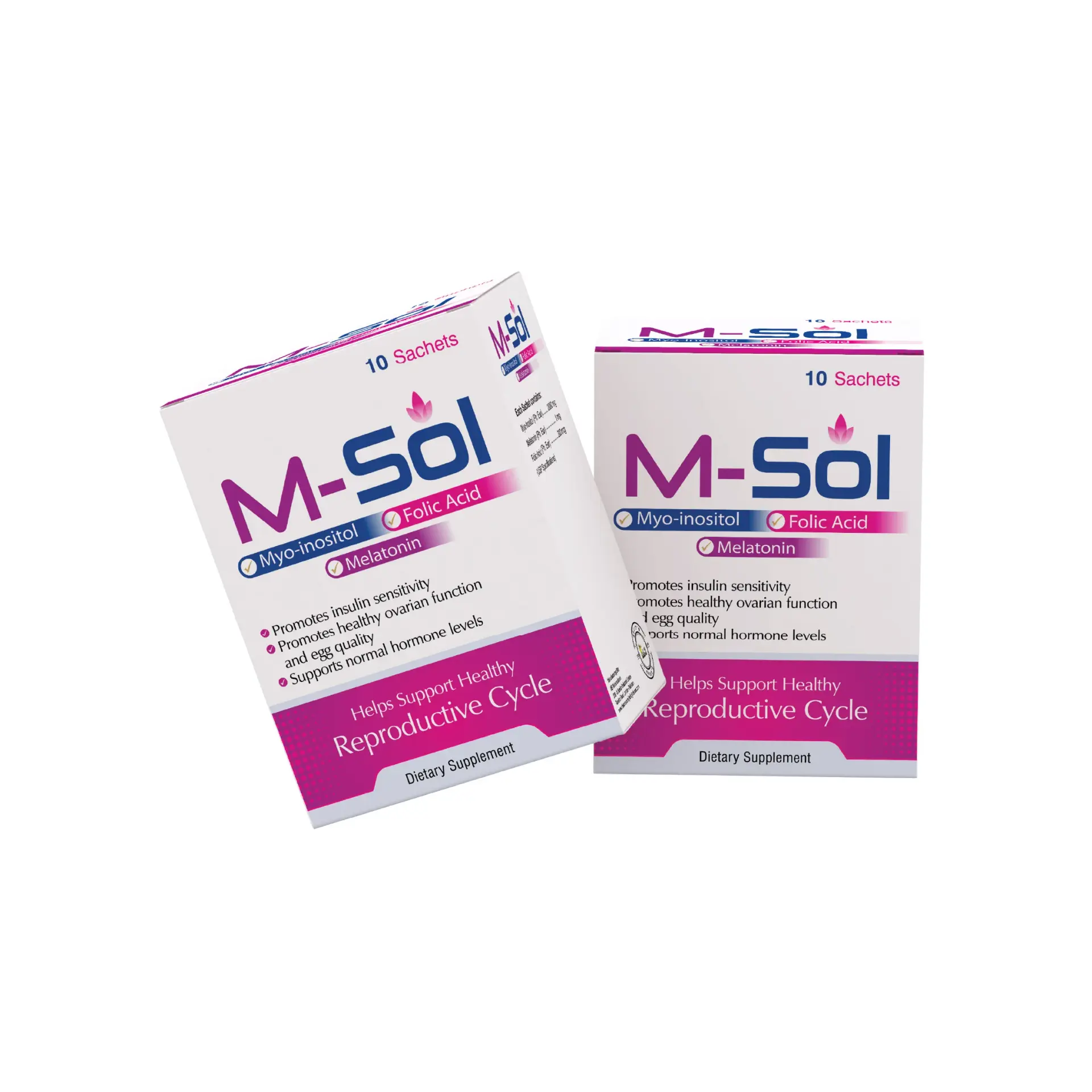
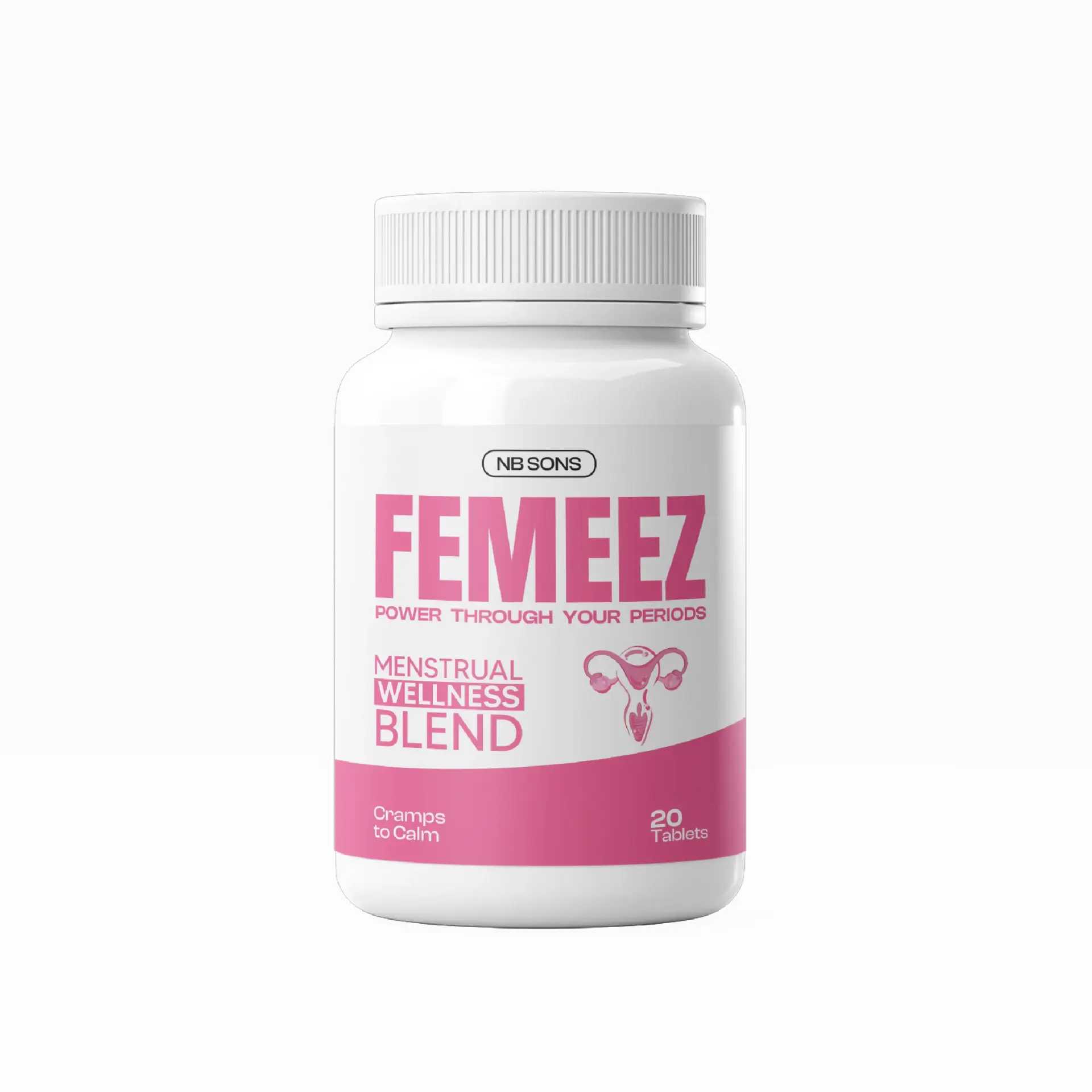
Our Simfolic and M-Sol Sachet are inositol-based formulas made for exactly this. For broader cycle and PMS comfort, Femeez supports monthly wellness, and the Women's Wellness & Hormonal Balance Combo brings it together. Compare options in our M-Sol vs Myofolic guide.
Shop Simfolic (Myo-Inositol).
When to see a doctor
See a doctor if your periods suddenly turn irregular, stop for several months while you are not pregnant, become very heavy or painful, or if you are trying to conceive without success. These can point to treatable conditions like PCOS or a thyroid imbalance.
The bottom line
Irregular periods are common and usually manageable. First, identify the cause, since PCOS is the most frequent. Then support your body with a stable weight, lower stress and a balanced diet. Consider inositol-based support, and see a doctor for persistent or sudden changes.
This article was written and medically reviewed to our medical review board standards and is for general guidance, not personal medical advice. Always speak to a doctor or pharmacist about your own situation.
Shop Women's Health →Doctors often regulate an irregular cycle with the combined pill; the birth control pills guide explains the options available here and how to take them.
Frequently asked questions
Can irregular periods be cured naturally?
Many cases improve with lifestyle changes: a stable weight, lower stress and a balanced diet, plus targeted support like inositol for PCOS. The right approach depends on the cause, so a diagnosis helps.
Does inositol help regulate periods?
For PCOS-related irregularity, myo-inositol is well studied. It supports insulin sensitivity and more regular ovulation, which can help steady your cycle over a few months.
How long does it take to regulate a cycle?
Give lifestyle and supplement changes around 3 months, since cycle hormones respond slowly. Track your periods so you and your doctor can see the trend.
Liked this one? Get the next in your inbox.
One fortnightly note from the editors, new pieces, restocks, and the routines we're actually using. Unsubscribe any time.