Magnesium Glycinate in Pakistan: Benefits, Dosage & Best Picks (2026)
Magnesium glycinate benefits, dosage and safety explained for Pakistan, plus which magnesium glycinate tablet to buy with cash on delivery.

Did you know? Magnesium is needed for more than 300 biochemical reactions in the body, from muscle and nerve function to sleep, mood and energy (MedlinePlus). Yet many people do not get enough through diet alone. The signs of low magnesium, such as poor sleep, cramps, tension and fatigue, are easy to miss.
Of all the magnesium supplements on the shelf, magnesium glycinate is the form most worth knowing about.
This guide explains what magnesium glycinate is and why it is so well tolerated. We will cover what it helps with, how much to take and when, who benefits most, and how to use it safely in Pakistan. It is general information, not medical advice. For anything specific to you, please speak to a doctor or pharmacist.
Shop the picks in this guide
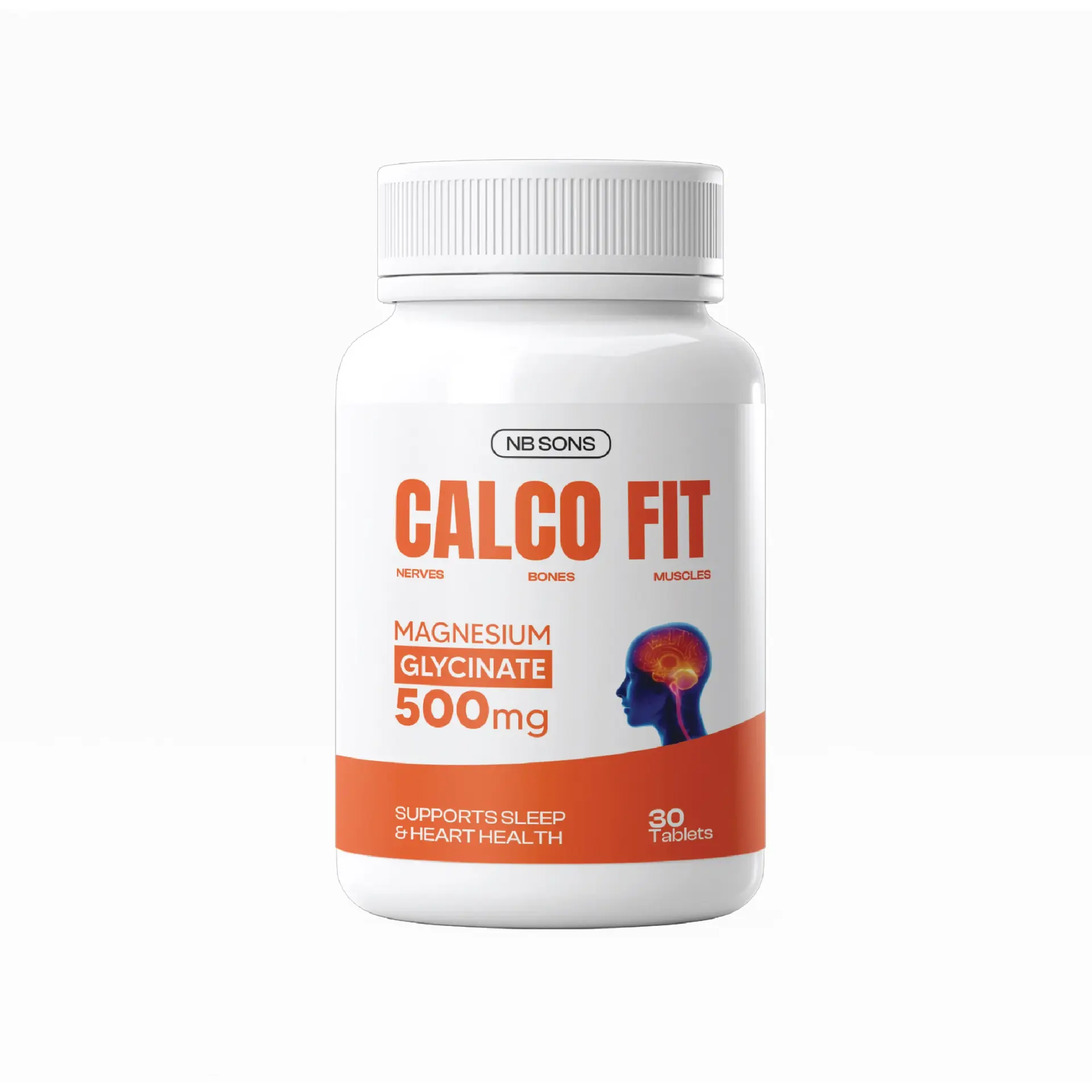
- Calco Fit Magnesium Glycinate 500 mg, Rs 1,290, the one-tablet-a-day glycinate most readers start with for sleep and tense muscles
- Calco Fit + Vit KD Bone & Magnesium Bundle, Rs 2,150, the same tablet paired with vitamin D3 and K2 if bones are your main concern
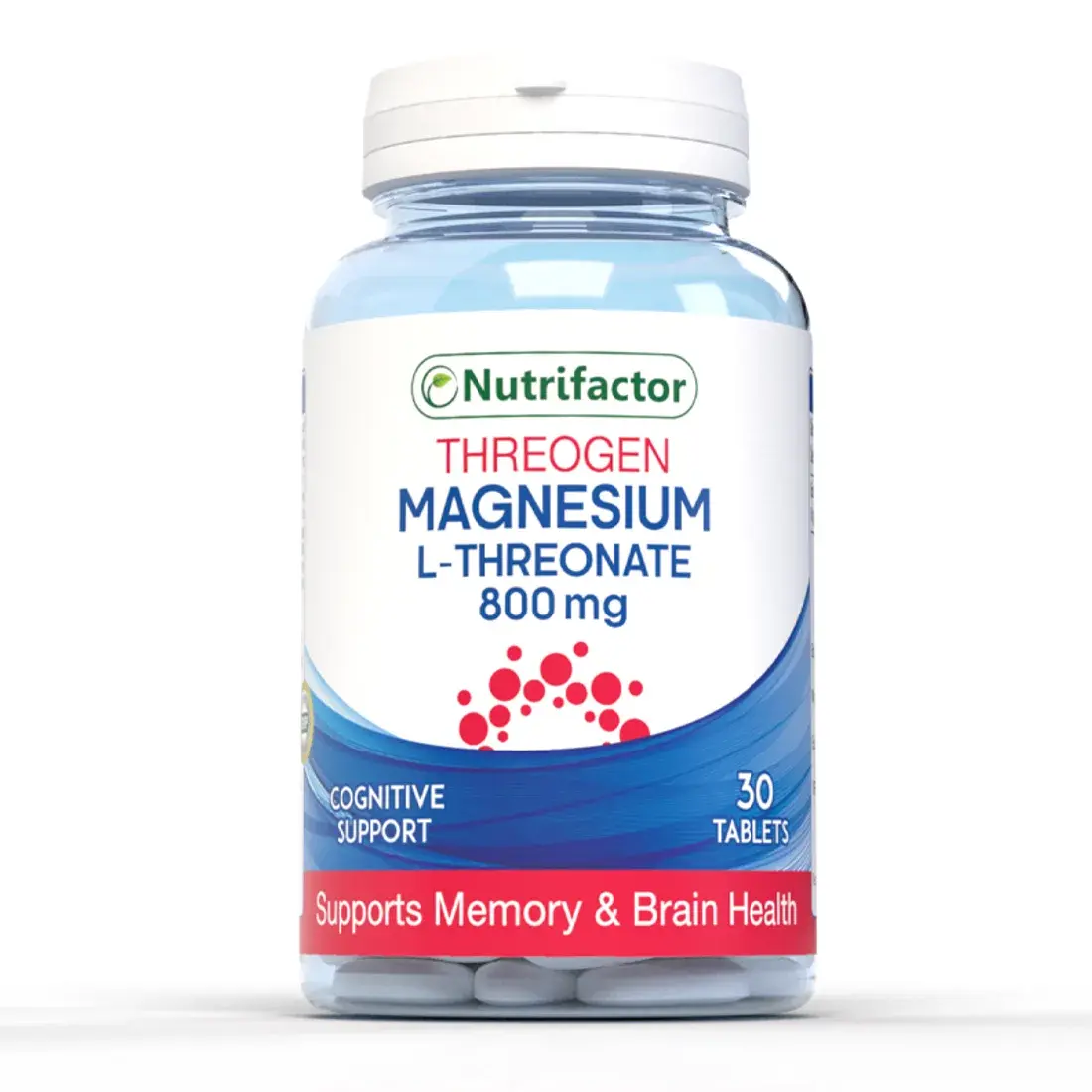
- Nutrifactor Threogen Magnesium L-Threonate, Rs 1,490, a brain-targeted form for people whose priority is focus and mental clarity
- Puratin Melatonin 4 mg Drops, Rs 700, a non-magnesium option if falling asleep is the only problem
What is magnesium glycinate?
Magnesium glycinate (also called magnesium bisglycinate) is magnesium bound to glycine, a calming amino acid. That pairing matters. It makes the magnesium easy to absorb and, crucially, gentle on the stomach, which is why Cleveland Clinic names it as the form to reach for at night (Cleveland Clinic).
Cheaper forms like magnesium oxide are poorly absorbed: one bioavailability study in healthy volunteers measured fractional absorption of magnesium oxide at about 4 per cent (Firoz and Graber, 2001). Oxide is also the form most likely to cause loose stools. That is why glycinate has become the preferred everyday form for most people.
Why many people fall short
Magnesium is found in leafy greens, nuts, seeds, whole grains, legumes and wholemeal bread. In practice, diets heavy in refined and processed foods deliver less of it. The NHS puts adult needs at 300 mg a day for men and 270 mg a day for women aged 19 to 64 (NHS).
Other factors can lower levels further, such as gut conditions that affect how well nutrients are absorbed, and some medicines. None of this means everyone needs a supplement, but it explains why low intake is common. If you eat a varied, whole-food diet you may already be getting enough.
Benefits of magnesium glycinate
These reflect what magnesium does in the body and what people commonly use it for. Results vary from person to person, and for several of these uses the research is thinner than the marketing suggests.
Better, deeper sleep
Magnesium helps the body and nervous system wind down. The glycine it is bound to is itself linked in early research to relaxation and better sleep quality. It is one of the most popular natural choices for people who struggle to switch off at night. Be realistic about the evidence, though: a 2021 systematic review of trials in older adults found magnesium shortened the time to fall asleep by about 17 minutes on average, but rated the quality of that evidence low to very low (Mah and Pitre, 2021), and Cleveland Clinic describes the overall evidence for magnesium as a sleep aid as thin while noting that some people do find it helps.
Stress, tension and calm
Magnesium supports normal nervous-system function and helps regulate the body's stress response. Many people find a daily dose takes the edge off everyday tension and restlessness.
Muscle cramps and recovery
Magnesium is essential for normal muscle function, and a true deficiency can cause cramps, numbness and tingling. If your levels are low, correcting them can help. For ordinary night-time leg cramps in people who are not deficient, the picture is less rosy: a 2020 Cochrane review concluded that magnesium is unlikely to give older adults meaningful cramp relief, and that the evidence in pregnancy is conflicting (Garrison et al., 2020).
Bones, energy and more
Magnesium works alongside calcium and vitamin D for bone health. The NHS notes it helps turn the food we eat into energy and keeps the parathyroid glands, which matter for bone, working normally. It also has a part in heart function as one of the many processes it supports.
Signs you might be low on magnesium
- Trouble falling or staying asleep
- Muscle cramps or twitches
- Numbness and tingling
- Feeling tense, restless or easily stressed
- Low energy and fatigue
These overlap with many other conditions, so they are clues rather than proof. Persistent symptoms deserve a proper assessment. A blood test from your doctor is the only way to confirm a deficiency.
Who is most likely to benefit?
- People with poor sleep or high stress who want a gentle, non-habit-forming option to try.
- Active people and athletes who ask a lot of their muscles.
- Those eating a lot of processed food with few greens, nuts and whole grains.
- Older adults, the group in which the sleep trials were actually run.
- People with gut conditions that affect nutrient absorption, who may be advised by their doctor to supplement.
If none of these apply and you feel well, you may not need a supplement at all. Food first is always a reasonable starting point.
How much magnesium glycinate should you take?
For sleep, Cleveland Clinic suggests starting with 100 to 200 mg of elemental magnesium nightly and keeping supplemental magnesium under 350 mg a day. The NHS says 400 mg or less a day from supplements is unlikely to cause harm, and that more than that can cause diarrhoea. Start at the lower end and build up only if you need to. Magnesium from supplements is generally very safe for people with healthy kidneys.
One point to read carefully: the number on the front of a bottle (for example 500 mg) is often the weight of the whole magnesium glycinate compound, not the elemental magnesium inside it. Check the label for the elemental magnesium figure so you know what you are actually taking. Calco Fit, for instance, lists 500 mg of magnesium glycinate per tablet and a one-tablet-a-day direction; its listing does not state a separate elemental figure, so follow the one-a-day direction rather than doubling up.
When and how to take it
- Take it in the evening, about 30 minutes before bed, to make the most of its calming effect.
- You can take it with or without food; with a little food can be easier on a sensitive stomach.
- Be consistent. Like most supplements, it works best taken daily over a few weeks rather than now and then.
- If you take other minerals, spacing magnesium and high-dose iron or zinc by a couple of hours is a sensible habit, since minerals can compete for absorption.
Safety and who should check with a doctor first
Magnesium glycinate is one of the best-tolerated supplements, but it is not right for everyone. Please speak to a doctor or pharmacist before starting if you:
- have kidney problems, since the kidneys clear excess magnesium and reduced kidney function is the main setting in which too much builds up;
- take regular prescription medication, since some medicines interact with magnesium;
- are pregnant or breastfeeding;
- have an ongoing health condition or symptoms that have not been explained.
Stop and seek advice if you get persistent diarrhoea, an irregular heartbeat or unusual weakness. Supplements support a healthy lifestyle, they do not replace medical care. You can read more about how our content is checked on our medical review board page.
Magnesium glycinate vs other forms
| Form | Best for | Notes |
|---|---|---|
| Glycinate (bisglycinate) | Sleep, stress, daily use | Easy to absorb, gentle on the gut |
| Citrate | Constipation | Absorbed, but works as a laxative |
| Oxide | Antacid use, cheap | About 4 per cent absorbed in one study; often causes loose stools |
| L-threonate | Focus, memory | Sold as a form designed to reach the brain, which is the maker's claim, with less long-term data than glycinate |
Best magnesium glycinate in Pakistan
Our pick is Calco Fit Magnesium Glycinate 500 mg, a gentle, well-absorbed magnesium glycinate tablet made for daily use. It is popular for muscle relaxation, calm and restful sleep, and one tablet a day is the whole routine.
If you are also looking after your bones, the Calco Fit + Vit KD Bone & Magnesium Bundle pairs it with Vit KD, vitamin D3 with K2, so the calcium you eat is absorbed and directed into your bones. If focus and memory matter more to you than sleep, Nutrifactor Threogen is the magnesium L-threonate option, taken as two tablets a day; Nutrifactor positions it as a form made to reach the brain. And if falling asleep is the only problem, Puratin Melatonin 4 mg Drops are a non-magnesium alternative. Browse the full range on our sleep and relaxation page.
The bottom line
If you want one magnesium supplement for sleep, stress and everyday muscle comfort, magnesium glycinate is the form to choose. It is absorbable, calming and gentle on the gut.
Start with Calco Fit Magnesium Glycinate 500 mg in the evening and give it a few weeks of consistent use. Check with your doctor first if you have any health condition or take regular medication.
Keep reading: our guide to magnesium for sleep and stress and iron deficiency in Pakistani women.
Ready to try it? Order Calco Fit Magnesium Glycinate 500 mg at Rs 1,290, or see everything in our sleep and relaxation range. Cash on delivery across Pakistan, and free delivery over Rs 5,000 in Punjab.
Shop Calco Fit Magnesium Glycinate →Frequently asked questions
When should I take magnesium glycinate?
Most people take it in the evening, about 30 minutes before bed, to make the most of its calming, sleep-supporting effect. It can be taken any time of day, though.
Is magnesium glycinate safe to take every day?
For most healthy adults, yes, it is one of the best-tolerated forms and is suitable for daily use. Keep supplemental magnesium under the 350 mg a day Cleveland Clinic suggests, and at the very most within the 400 mg the NHS says is unlikely to cause harm. Check with your doctor if you have kidney issues or take regular medication.
Will it upset my stomach?
Glycinate is specifically chosen because it is gentle and far less likely to cause the loose stools associated with magnesium oxide or the laxative effect of magnesium citrate.
How long until I notice a difference?
Some people feel calmer or sleep better within a week. For others it takes a few weeks of consistent use. If you notice nothing after a month, it may not be what your body needs, so review it with a professional.
Can I take it with calcium or vitamin D?
Yes, magnesium, calcium, vitamin D and K2 work together for bone health, which is why they are often combined.
Can magnesium glycinate replace my sleep or anxiety medication?
No. It is a supplement, not a medicine. Never stop or change a prescribed medication without talking to the doctor who prescribed it.
Can I get enough magnesium from food instead?
Often, yes. Leafy greens, nuts, seeds, whole grains and legumes are good sources. A supplement is most useful when diet falls short or needs are higher.
Is it safe during pregnancy?
Only take magnesium supplements in pregnancy on the advice of your doctor or midwife. The trial evidence for magnesium and pregnancy leg cramps is conflicting, so it is not a decision to make on your own.
Liked this one? Get the next in your inbox.
One fortnightly note from the editors, new pieces, restocks, and the routines we're actually using. Unsubscribe any time.