Magnesium for Sleep & Stress in Pakistan: Complete Guide 2026
How magnesium supports deeper sleep and calmer stress in Pakistan, including the best forms, dosage and when to take it.

Did you know that magnesium plays a role in over 300 reactions in your body, yet it is one of the most commonly deficient nutrients worldwide? In Pakistan, diets lean heavily on wheat and refined grains, so many people fall short. Studies suggest a large share of the population does not get enough. If you lie awake at 2 AM with a racing mind, twitching muscles, or wake up exhausted after eight hours, low magnesium might be the missing piece.
This guide explains exactly how magnesium affects sleep and stress, backed by science. It also covers what you can do about it today.
What Is Magnesium and Why Do Pakistanis Need It?
Magnesium is the fourth most abundant mineral in the body. It powers over 300 enzyme reactions, from energy production to nerve function. Despite this, it is one of the most commonly deficient nutrients worldwide, and Pakistan is no exception.
Several things make Pakistanis especially likely to run low.
- Diet high in refined foods: White flour (maida), polished rice, and processed foods lose magnesium during processing.
- Low vegetable variety: Magnesium-rich dark leafy greens are often eaten too little in typical Pakistani meals.
- Chronic stress: Cortisol, the stress hormone, actively drains magnesium stores.
- High caffeine and tea intake: Chai culture is real, and caffeine makes you lose more magnesium in urine.
- High summer sweat losses: Pakistan's intense heat causes real mineral loss through sweat.
Magnesium for Sleep: The Science Behind the Connection
Sleep is not just about being tired. It is a complex process run by specific brain chemicals and hormones. Magnesium is deeply involved in regulating all of them.
Melatonin Regulation
Magnesium is needed to turn serotonin into melatonin, the hormone that tells your brain it is time to sleep. Without enough magnesium, this step falters. Your melatonin stays low even when it is dark and you are exhausted.
A 2012 study in the Journal of Research in Medical Sciences found that magnesium improved sleep efficiency, sleep time, and early morning waking in older adults.
GABA Activation
GABA (gamma-aminobutyric acid) is your brain's main calming chemical. Think of it as the brakes on your nervous system. Magnesium switches on GABA receptors, helping quiet your brain and ease it into sleep. Low magnesium means an overactive nervous system, which means racing thoughts at bedtime.
Cortisol Suppression
High cortisol at night is one of the most common reasons people cannot fall asleep or wake in the early hours. Magnesium helps regulate the HPA axis (your stress response system) and keeps excess cortisol in check. That creates the hormonal calm your body needs for deep, restful sleep.
Magnesium for Stress and Anxiety in Pakistan
Stress is at epidemic levels in Pakistan. Money worries, long work hours, uncertainty, and family duties all pile up. These chronic stressors keep the stress response switched on, flooding the body with cortisol and adrenaline.
Here is the vicious cycle. Stress drains magnesium, and low magnesium makes you more sensitive to stress. Research confirms this two-way link. A comprehensive review in Nutrients (2017) concluded that magnesium is crucial for regulating the stress response. A shortfall is consistently linked to more anxiety, irritability, and mood swings.
In particular, magnesium does the following.
- Blocks NMDA receptors (overactivity here causes anxiety and restlessness)
- Boosts GABA activity (a calming effect on the nervous system)
- Reduces ACTH release, dampening the stress response
- Supports serotonin production, which helps steady your mood
Signs of Magnesium Deficiency in Pakistan
Many Pakistanis live with low magnesium without knowing it. The symptoms are often vague and blamed on other things. Watch for these signs.
- Trouble falling asleep or staying asleep
- Muscle cramps, spasms, or twitching (especially leg cramps at night)
- Constant fatigue despite enough sleep
- Anxiety, irritability, or low mood
- Headaches or migraines
- Heart palpitations
- Brain fog and trouble concentrating
- Constipation
- Sensitivity to noise or light
If you tick three or more of these boxes, there is a good chance low magnesium is part of how you feel.
Best Forms of Magnesium: Not All Are Equal
Walk into any pharmacy in Pakistan and you will find magnesium oxide tablets. They are cheap, but there is a reason for that. Absorption matters more than the number on the label.
| Form | Absorption | Best For |
|---|---|---|
| Magnesium Glycinate | ⭐⭐⭐⭐⭐ Highest | Sleep, stress, anxiety, muscle relaxation |
| Magnesium Malate | ⭐⭐⭐⭐ High | Energy, fibromyalgia, fatigue |
| Magnesium Citrate | ⭐⭐⭐ Good | General deficiency, constipation |
| Magnesium L-Threonate | ⭐⭐⭐⭐ High | Brain health, cognitive function |
| Magnesium Oxide | ⭐ Very Low (~4%) | Short-term constipation relief only |
Magnesium glycinate is the gold standard for sleep and stress. It binds magnesium to glycine, an amino acid that is calming and sleep-promoting in its own right. The glycine improves absorption and adds an extra layer of relaxation. It is also gentle on the stomach, unlike oxide or citrate, which can loosen the stomach at higher doses.
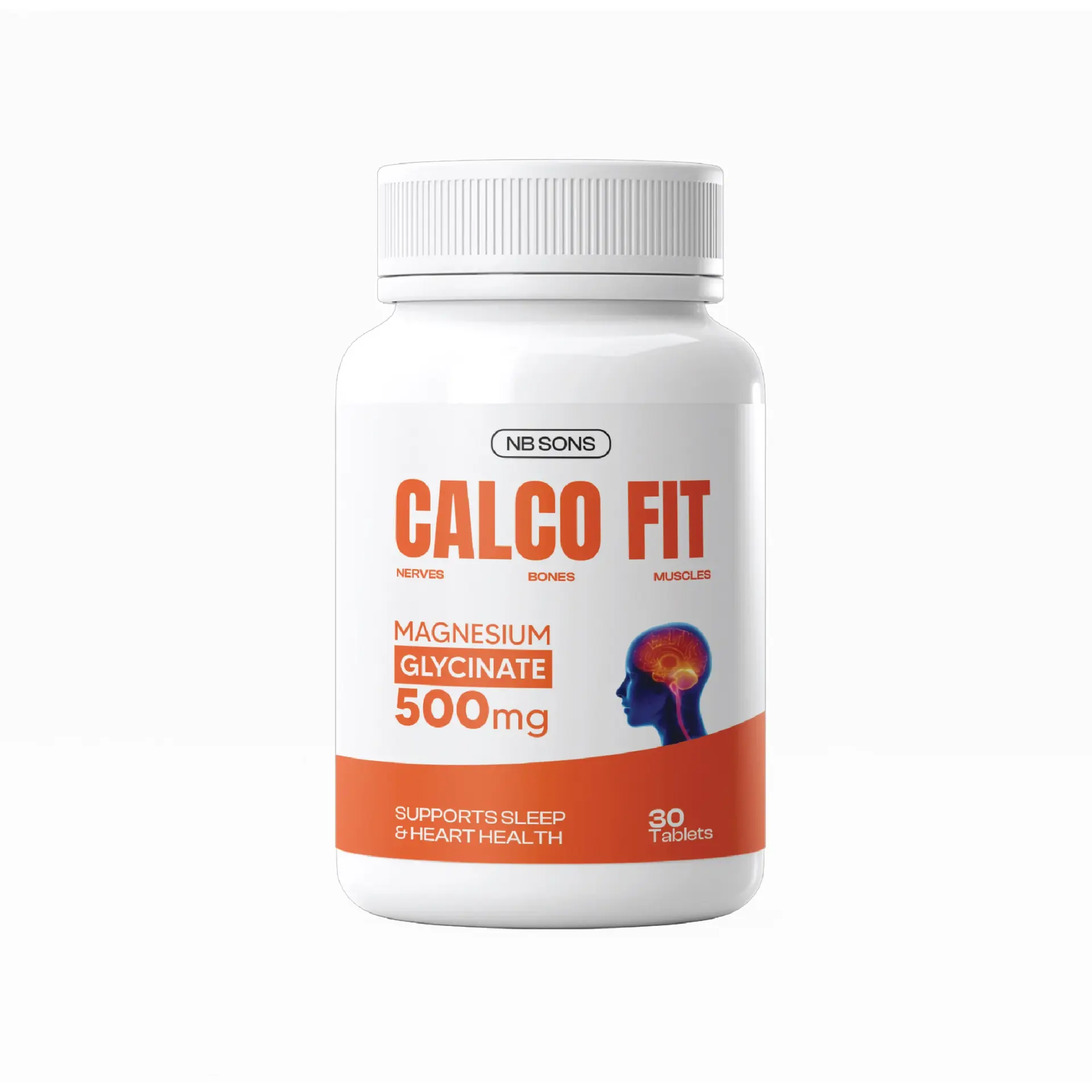
Calco Fit by Yellow Pink: Pakistan’s Magnesium Glycinate Solution
Finding quality magnesium glycinate in Pakistan has long been hard. The market is full of low-absorption oxide formulas or pricey imported brands. Calco Fit by Yellow Pink changes that.
Calco Fit gives you magnesium in glycinate form, the most absorbable and sleep-friendly form available. Unlike the oxide tablets at your local dawakhana, it is built for maximum absorption. It is designed to support the sleep and stress axis that so many Pakistanis struggle with.
Why Calco Fit stands out:
- Magnesium glycinate form, with the highest bioavailability
- Developed by Yellow Pink's in-house formulation team
- A local Pakistani product at accessible pricing
- No harsh laxative effect
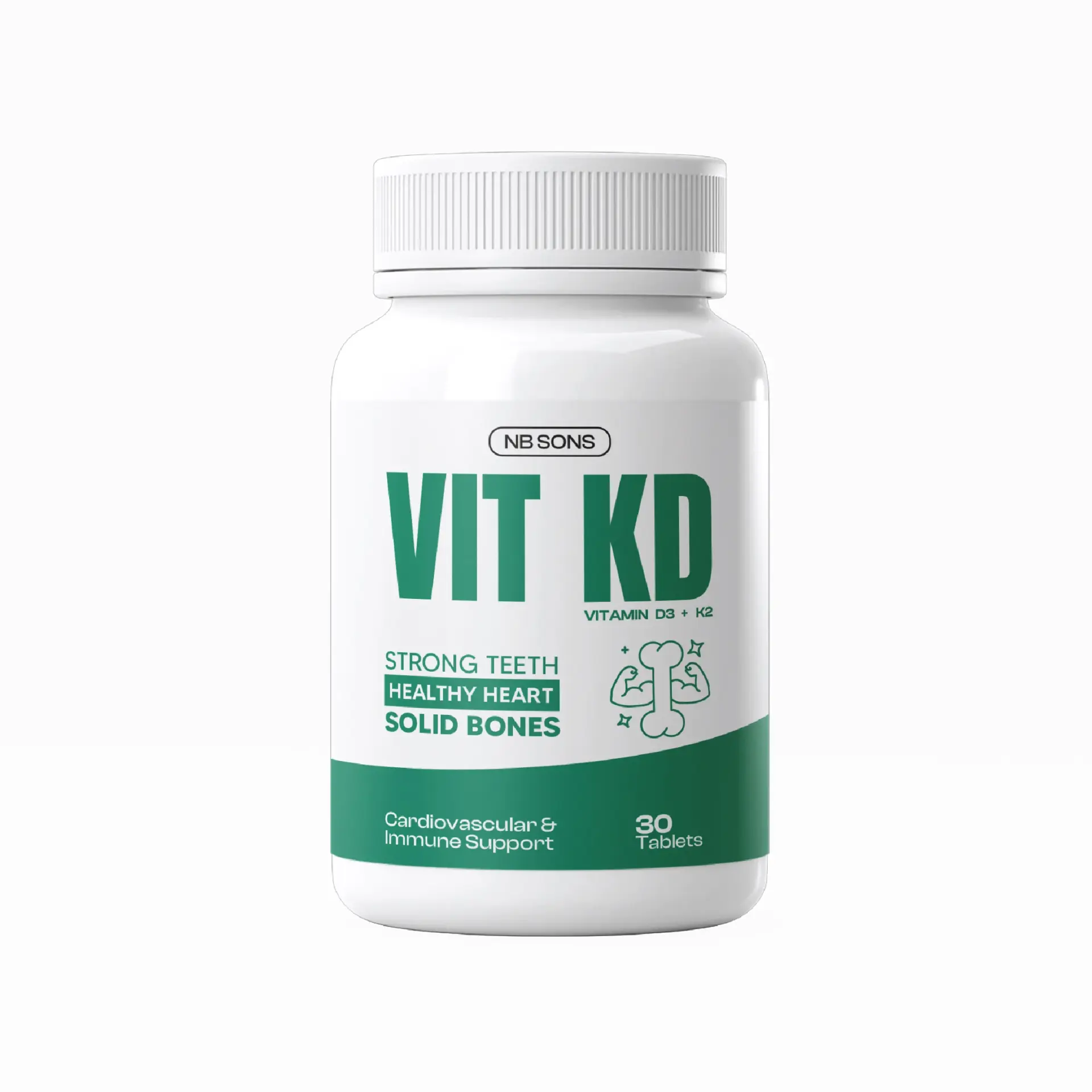
- Pairs well with Vit KD (Vitamin D3 + K2). Vitamin D and magnesium work together, as each needs the other to work well.
Dosage and Timing for Pakistanis
Getting the dose and timing right makes a big difference to how well magnesium works for sleep and stress.
Recommended Dosage
- General maintenance: 200 to 300 mg elemental magnesium per day
- For sleep and stress: 300 to 400 mg per day (as magnesium glycinate)
- Upper limit: 350 mg from supplements (NIH recommendation); more from food is fine
Best Timing
- For sleep: Take 30 to 60 minutes before bed. Magnesium works best when it has time to reach the brain before you sleep.
- For stress: Split the dose. Take half in the morning with breakfast and half at night.
- With food: Taking magnesium with food improves absorption and lowers the chance of any stomach upset.
According to the NIH Office of Dietary Supplements, the recommended daily allowance is 400 to 420 mg for adult men and 310 to 320 mg for adult women.
Magnesium-Rich Foods in Pakistan
Supplements work best alongside a diet that already supports your magnesium. The good news is that many affordable, widely available Pakistani foods are excellent sources.
| Food | Magnesium Content | Pakistani Context |
|---|---|---|
| Spinach (Palak) | ~157 mg per cup (cooked) | Widely available, affordable year-round |
| Pumpkin seeds (Kaddu ke beej) | ~150 mg per 30g | Roasted as snack, easy to add to meals |
| Lentils (Dal) | ~71 mg per cup (cooked) | Daily staple across Pakistan |
| Almonds (Badam) | ~76 mg per 30g | Common in Pakistani households |
| Black beans / kidney beans (Rajma) | ~60 mg per cup | Available at any sabzi mandi |
| Dark chocolate (70%+) | ~64 mg per 30g | Imported, less accessible but worth it |
| Avocado | ~58 mg per avocado | Increasingly available in major cities |
| Whole wheat bread (atta) | ~23 mg per slice | Prefer whole grain atta over maida |
Adding palak, dal, and a handful of almonds or pumpkin seeds each day can meaningfully raise your magnesium. But for real sleep and stress benefits, you usually still need a supplement to reach optimal levels quickly.
Calco Fit vs Nutrifactor Magnicell: Why Glycinate Wins
If you have looked for magnesium in Pakistan, you have probably seen Nutrifactor's Magnicell. Here is an honest comparison with Calco Fit.
| Feature | Calco Fit (Yellow Pink) | Nutrifactor Magnicell |
|---|---|---|
| Form of Magnesium | Magnesium Glycinate | Magnesium Oxide/Citrate blend |
| Absorption Rate | Very High (~80%) | Low-Moderate (Oxide ~4%, Citrate ~30%) |
| Sleep Support | ⭐⭐⭐⭐⭐ Excellent (glycine bonus) | ⭐⭐⭐ Moderate |
| Stomach Tolerance | Gentle, no laxative effect | May cause loose stools at higher doses |
| Stress/Anxiety | ⭐⭐⭐⭐⭐ Targeted support | ⭐⭐⭐ General support |
| Local Availability | yellowpink.pk, direct | Pharmacies + online |
| Brand Origin | Pakistani formulation | Pakistani |
The key difference is the form. Magnesium oxide may show more elemental magnesium on paper, but it delivers very little to your cells. Magnesium glycinate delivers far more to where it is needed: your muscles, your brain, and your nervous system. For sleep and stress, glycinate is the only form worth taking.
Conclusion: Better Sleep and Less Stress Start with Magnesium
Low magnesium is not a niche medical concern. It is a widespread reality across Pakistan. It quietly affects sleep, stress resilience, mood, and overall wellbeing for millions. The science is clear. Magnesium, especially in glycinate form, is one of the most effective, safest, and most overlooked ways to improve sleep and manage stress naturally.
You do not have to accept poor sleep or constant anxiety as normal. Start with what your body is fundamentally missing.
Ready to fix your sleep and stress with the right magnesium? Try Calco Fit by Yellow Pink, Pakistan's premium magnesium glycinate supplement, formulated for maximum absorption and targeted sleep and stress support. Pair it with Vit KD for the complete D3, K2, and magnesium synergy your body needs.
This article was written and medically reviewed to our medical review board standards and is for general guidance, not personal medical advice. Always speak to a doctor or pharmacist about your own situation.
Shop Calco Fit Magnesium Glycinate →Frequently asked questions
How long does magnesium take to improve sleep in Pakistan?
Most people notice better sleep within 1 to 2 weeks of consistent use. For bigger deficiencies, the full benefit can take 4 to 6 weeks as your body refills its stores in tissues and muscles.
Can I take magnesium every day?
Yes. Magnesium is a daily-use supplement. Unlike fat-soluble vitamins, it is water-soluble, and any excess is passed out in urine. Daily use at recommended doses is safe and beneficial long term.
Is magnesium safe during pregnancy in Pakistan?
Magnesium is generally considered safe in pregnancy. It is actually important for preventing preeclampsia and supporting the baby's development. Still, always check with your gynaecologist before starting any supplement during pregnancy. Magnesium glycinate is the preferred form, as it is gentle.
Why do I wake up at 3 AM despite taking magnesium?
Waking around 3 AM can be linked to cortisol, which naturally starts rising in the early hours to prepare you for the day. If it rises too early or too sharply, other factors may add to it. These include unstable blood sugar, high stress, or vitamin D deficiency. Consider pairing magnesium with Vit KD (D3 + K2) for fuller hormonal support.
Does chai (tea) affect magnesium levels?
Yes. The caffeine in chai makes you lose more magnesium through urine. If you drink 3 to 5 cups of chai daily, which is very common in Pakistan, you likely lose more magnesium than the average person. This is another reason a supplement may matter for Pakistanis.
Liked this one? Get the next in your inbox.
One fortnightly note from the editors, new pieces, restocks, and the routines we're actually using. Unsubscribe any time.