Supplement Timing: When to Take Your Vitamins for Maximum Absorption
When should you take your vitamins? A simple guide to supplement timing for the best absorption and results.
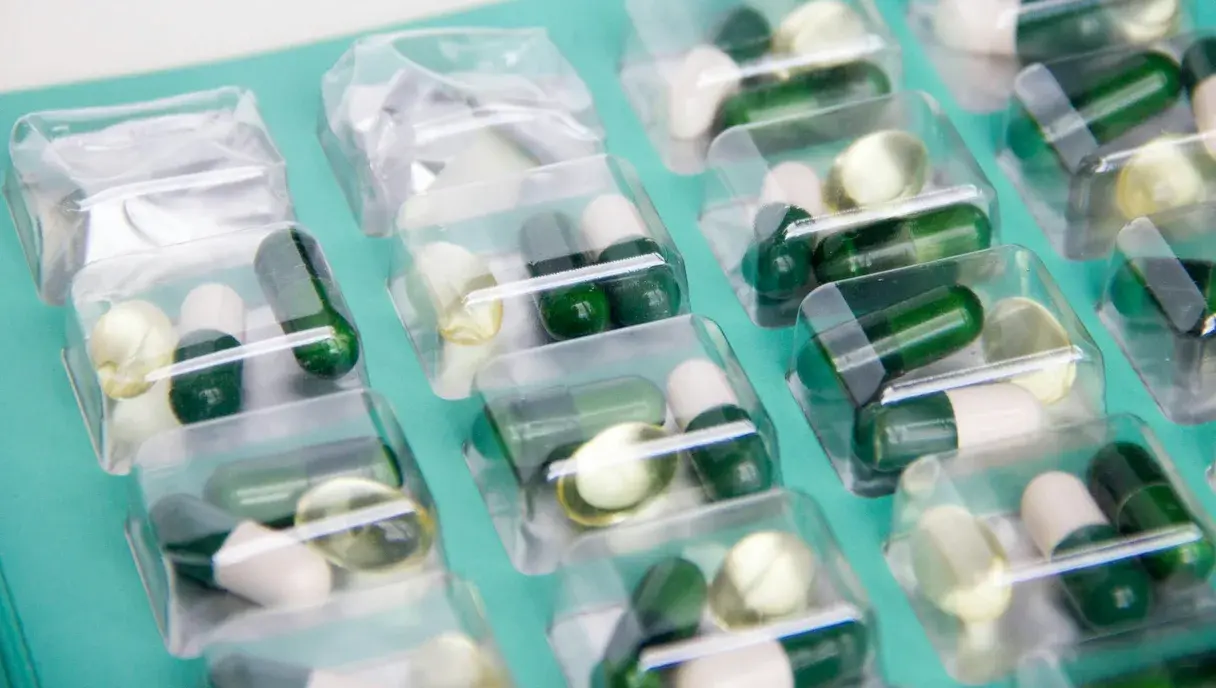
Did you know that taking calcium and iron together can sharply cut how much of each your body actually absorbs? Most people swallow all their pills with breakfast and never realise it. Supplement timing is one of those things nobody explains properly. The label says "take with food" and that is the end of the guidance.
Here is the truth. Timing matters more for some supplements than others. Get it right and you absorb more, feel more, and get your money's worth. Get it wrong and some supplements simply pass through doing little. This guide covers exactly when to take your vitamins and supplements, based on how each one works in your body.
So you have bought the supplements and done the research. Now you are staring at six bottles, wondering whether to take them all at once.
Why Supplement Timing Actually Matters
Your digestive system does not treat every supplement the same way. Some vitamins are fat-soluble. They need dietary fat present to be absorbed through the gut wall. Others are water-soluble and do fine on an empty stomach.
Some minerals also compete with each other for absorption pathways. Take them together and you can reduce how much of each you get. And some supplements interact with specific foods or medicines that are usually taken at certain times of day.
Timing affects more than absorption. It also changes how a supplement makes you feel. Magnesium at night can help with sleep. B vitamins in the evening can disrupt it. A prebiotic fibre before a meal helps with fullness. The same dose at the wrong time gives a different, often weaker, result.
Fat-Soluble Vitamins: Always Take With a Meal Containing Fat
The fat-soluble vitamins, A, D, E, and K, need dietary fat to be absorbed. Take them on an empty stomach or with a fat-free meal, and much of the dose simply will not reach your bloodstream. This matters most for Vitamin D and Vitamin K, the two most commonly supplemented fat-soluble vitamins in Pakistan.
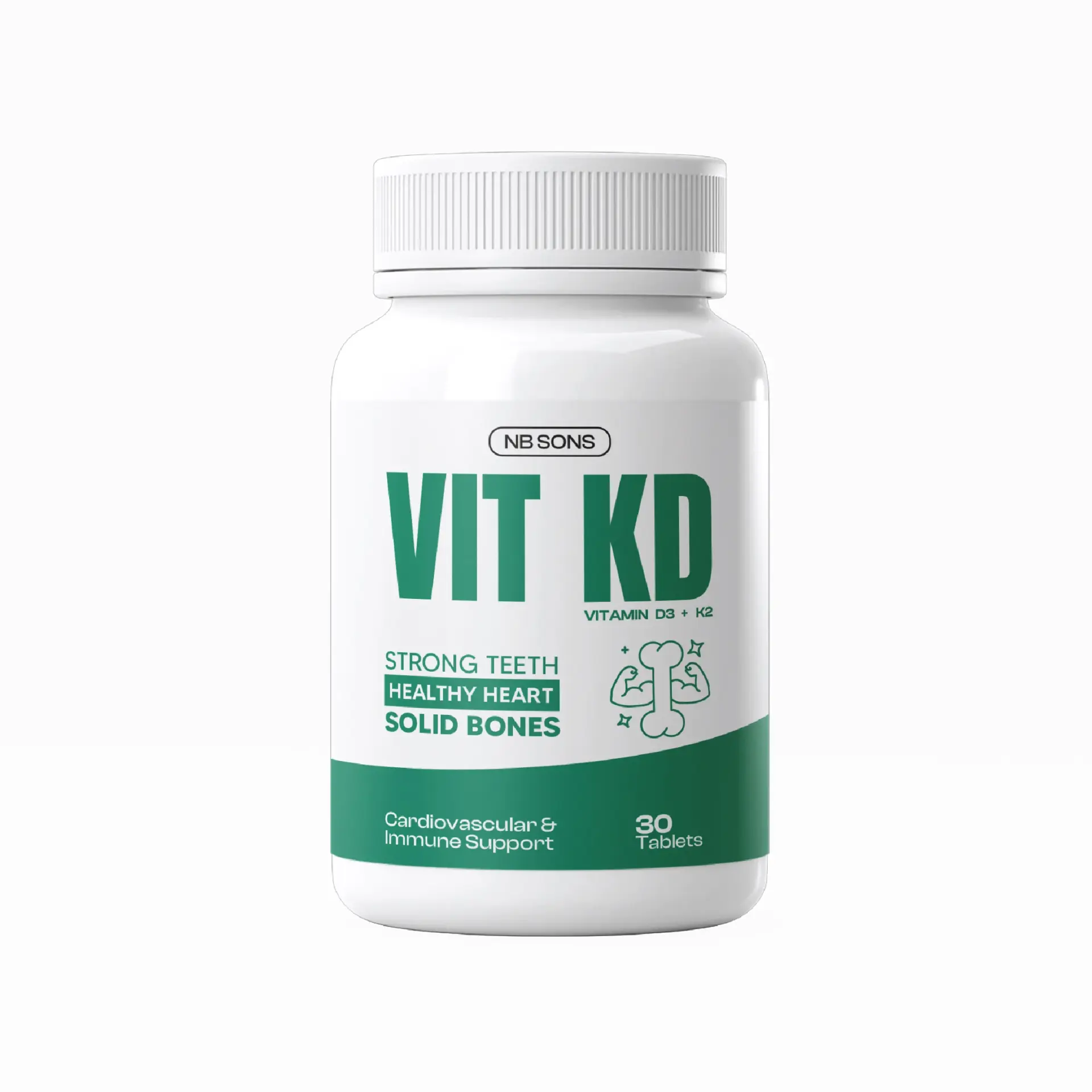
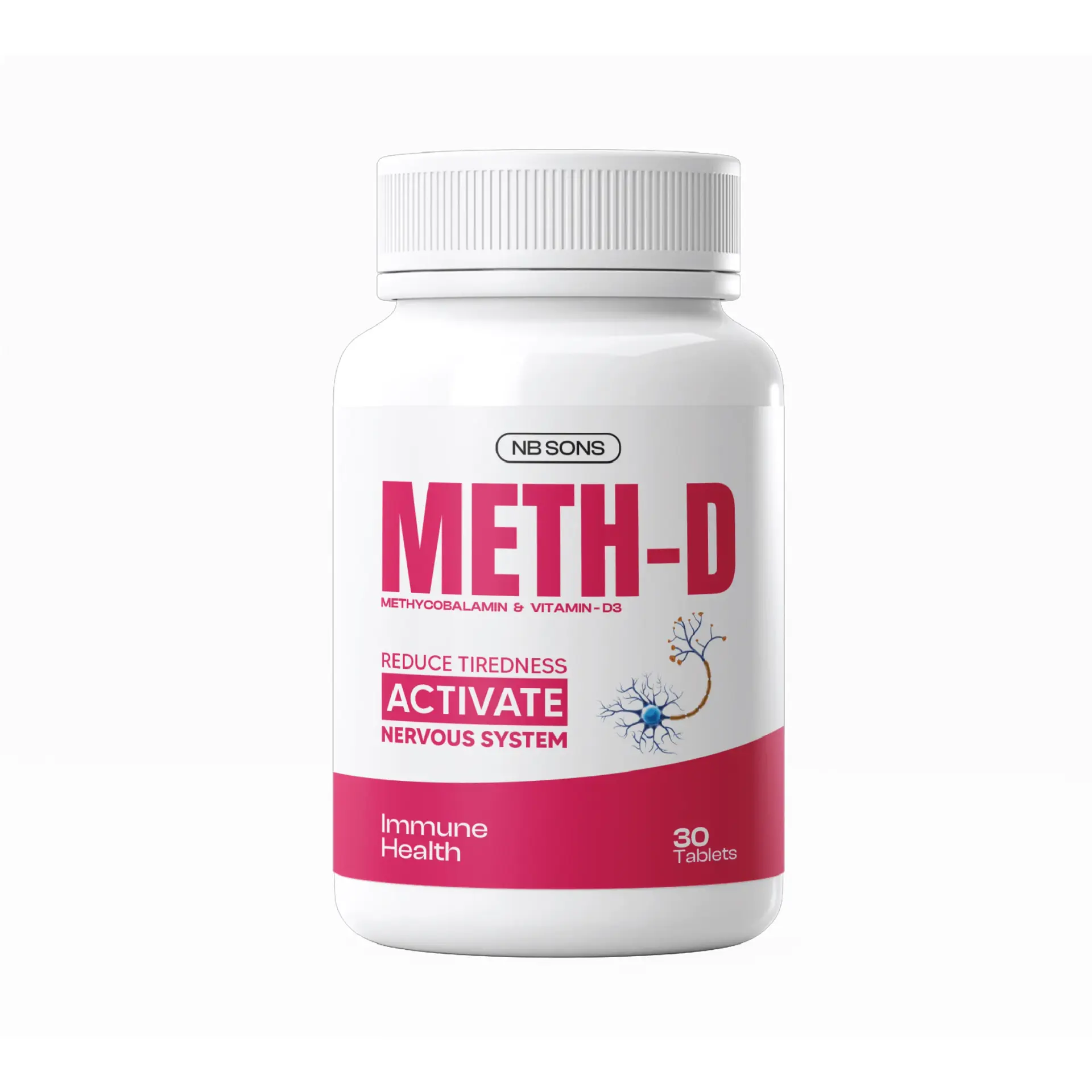
Vitamin D3 (and D3+K2 combinations like Vit KD or Meth D): Take with your largest meal of the day, usually lunch or dinner. Pakistani meals often include a substantial midday plate with cooking oil or ghee, which makes this a natural fit. Research from the Cleveland Clinic found that Vitamin D absorption rises significantly when taken with a fat-containing meal versus a fat-free one. Pair it with dinner if you also want to avoid any effect on morning energy.
Vitamin K2: The same rule applies. Fat is needed for absorption. If you take a D3+K2 combo, one dose with one fat-containing meal handles both at once.
Water-Soluble Vitamins: Morning or With Any Meal
Vitamin C and the B vitamins (B1, B2, B3, B5, B6, B9/folate, B12) are water-soluble. Your body uses what it needs and excretes the rest in urine. So consistent daily intake matters more than perfect timing. Still, a few guidelines are worth following.
Vitamin C
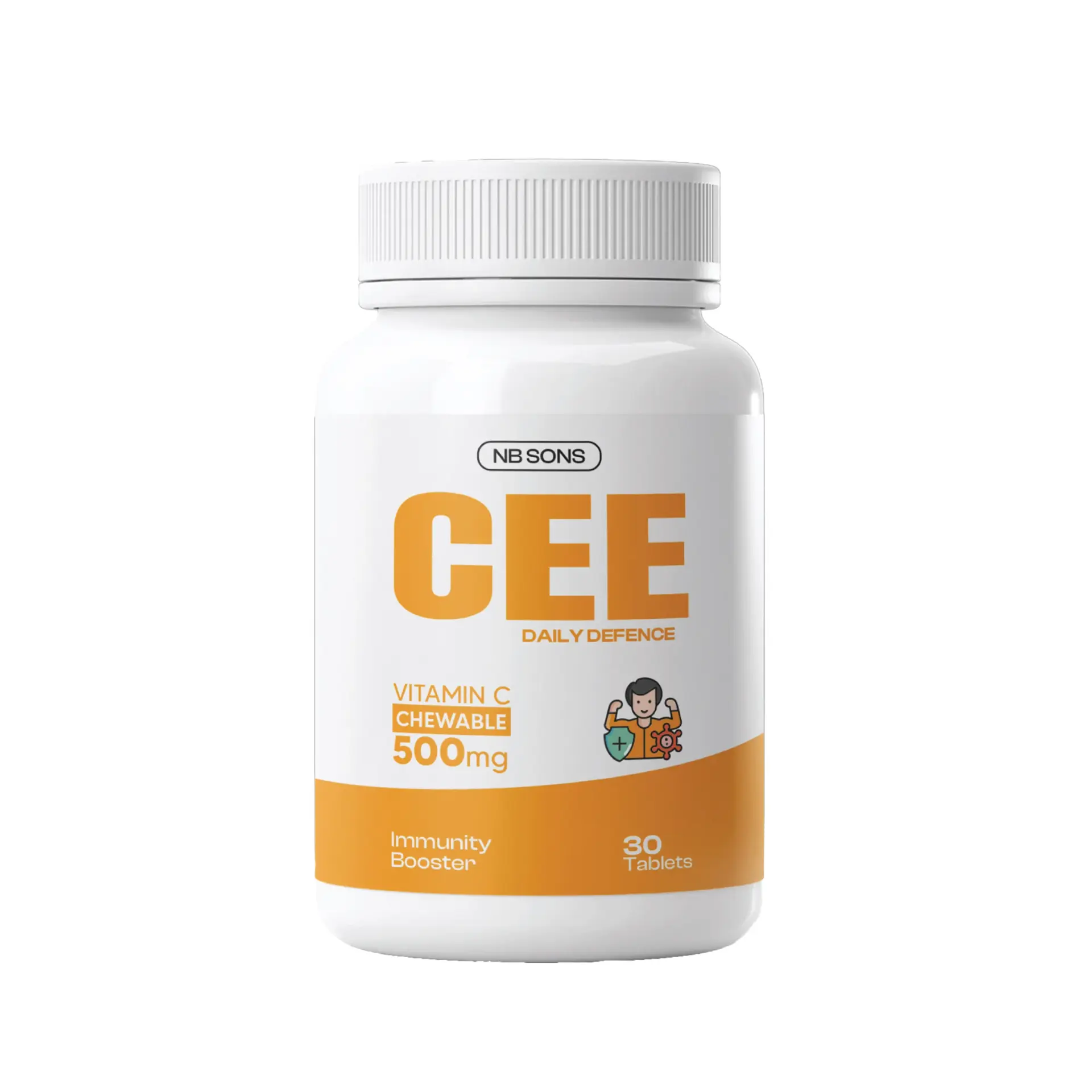
Vitamin C absorbs well with or without food. But taking it with food can reduce stomach discomfort, especially at higher doses. For a standard dose (Cee 500mg), morning with breakfast works well. For effervescent Vitamin C (Asco C), dissolve it in water and drink during or right after a meal for the best tolerance.
One important note. Vitamin C close to bedtime can act as a mild stimulant in some people, due to its effect on cortisol metabolism. Morning is generally the better window.
B Vitamins and Folic Acid
B vitamins, including folic acid (Simfolic, Fol Chew), are energising nutrients. They are involved in energy metabolism and cell function. That makes morning the ideal time. They support your energy through the day rather than keeping you alert at night.
For pregnant women, or those trying to conceive, folic acid timing matters less than consistency. Daily intake at any time keeps folate levels adequate. That said, morning with breakfast is the easiest habit to keep, and least likely to cause the mild nausea that can occur on an empty stomach.
Minerals: Spacing Is Everything
Minerals are where timing gets genuinely important. Not just for absorption, but because several common minerals actively compete with each other. Taking calcium and magnesium together, or calcium and iron together, can meaningfully cut how much of each you absorb.
Calcium
Calcium is best absorbed in doses under 500mg at a time. With a supplement like Calosent (calcium lactate gluconate), splitting doses across meals beats one large dose. Take it with food, since stomach acid from eating improves absorption. Avoid taking calcium at the same time as iron supplements or high-iron foods.
Magnesium
Magnesium glycinate (Calco Fit) is one of the better-tolerated forms and is reliably absorbed. The ideal timing depends on why you take it:
- For sleep and relaxation: Take 30 to 60 minutes before bed. Magnesium activates the parasympathetic nervous system and supports melatonin production. Evening is when this matters most.
- For muscle function or general health: With dinner works well. Avoid pairing it with high-dose calcium at the same moment, as they share some absorption pathways.
- For constipation relief: Evening, with water.
Iron
Iron is best absorbed on an empty stomach. But this causes stomach discomfort in many people. The practical compromise is to take iron with a little food, and pair it with Vitamin C, which strongly boosts absorption. Never take iron within two hours of calcium supplements, antacids, or dairy. Morning or midday, away from any evening calcium, is the standard advice.
Fertility and Hormonal Supplements: Consistency Over Timing
For fertility supplements, whether for women managing PCOS or men supporting sperm health, daily consistency matters far more than the exact time of day. Still, a few practical guidelines apply.
Myo-Inositol (M-Sol, Simfolic)
Myo-inositol sachets (M-Sol) are usually taken with water, ideally 30 minutes before meals. This is when inositol has the most effect on insulin signalling and glucose metabolism, the mechanism relevant to PCOS. If twice-daily dosing is prescribed, split it between morning (before breakfast) and evening (before dinner), following the same logic.
L-Arginine (Argivital)
Argivital sachets contain L-arginine, which converts to nitric oxide in the body. That is relevant for blood flow and male fertility. On days you exercise, take it 30 to 60 minutes before a workout to maximise its effect on performance and circulation. On rest days, any time with food works.
Male Vitality Supplements (X-fit, Trimo-M)
Products like X-fit and Trimo-M contain adaptogenic herbs and testosterone-supporting compounds. Morning with breakfast is the standard recommendation. Testosterone production peaks in the morning in men, so supporting it with relevant nutrients then aligns with the body's natural cycle.
Glutathione and Skin Supplements
Gluthic (a glutathione-based skin supplement) is ideally taken on an empty stomach, usually 30 minutes before a meal. Glutathione absorption drops when food proteins compete in the small intestine. Morning, on an empty stomach, is the most effective window. Pairing it with Vitamin C, even from food, can boost glutathione's activity, since Vitamin C helps regenerate the oxidised form.
Fybosim (a fibre plus glutathione combination) is better taken with a meal, given the fibre content. Fibre works best when it has food to interact with in the gut.
Fiber Supplements and Digestive Support
Fibre supplements like Fybosim work best taken before or with meals. The mechanism is partly mechanical. Fibre slows gastric emptying and creates satiety, so taking it 15 to 30 minutes before your largest meal gives the most benefit. Always take fibre with a full glass of water, and keep your total hydration up through the day.
Herbal and Respiratory Supplements
Herbal supplements like MORR (moringa), Finkuff (herbal cough), and Simrid (respiratory support) are generally best taken with food. This minimises any stomach sensitivity from the plant compounds. There is no strong evidence that the specific time of day affects how well most herbal supplements work. Daily consistency is the main factor.
Quick Reference: When to Take Common Supplements
| Supplement | Best Time | With or Without Food? | Notes |
|---|---|---|---|
| Vitamin D3 / D3+K2 | Lunch or dinner | With food (fat needed) | Biggest meal of the day |
| Vitamin C | Morning | With food preferred | Avoid evenings to prevent alertness |
| B Vitamins / Folic Acid | Morning | With breakfast | Avoid evenings |
| Calcium | Split across meals | With food | Max 500mg per dose |
| Magnesium glycinate | Evening or bedtime | With or without food | Great for sleep support |
| Iron | Morning or midday | Light food + Vitamin C | Away from calcium and dairy |
| Myo-inositol (M-Sol) | Before meals | 30 min before eating | Twice daily if prescribed |
| L-arginine (Argivital) | Pre-workout or morning | With food | Before exercise is ideal |
| Male vitality (X-fit, Trimo-M) | Morning | With breakfast | Aligns with testosterone cycle |
| Glutathione (Gluthic) | Morning | Empty stomach | 30 min before breakfast |
| Fiber (Fybosim) | Before meals | Before/with meals | With full glass of water |
| Moringa (MORR) | Any time | With food | Consistency over timing |
The One Rule That Overrides All of This
If you currently take your supplements at a non-ideal time but do it consistently every day, do not suddenly change the timing in a way that makes the habit harder to keep. A supplement taken at the "wrong" time every day beats one taken at the "right" time three times a week.
Build the routine first. Once you are consistent, then optimise. And if any supplement causes nausea, stomach discomfort, or poor sleep, experiment with timing before assuming you cannot tolerate it. Often a simple shift solves the problem.
Getting the Most From Your Supplements
Timing is one part of getting value from supplements. Quality and formulation matter just as much. The same Vitamin D3 dose can produce different blood levels in a poorly formulated product versus a well-formulated one. If you buy supplements in Pakistan, Yellow Pink's product range is formulated with bioavailability in mind. Magnesium glycinate instead of magnesium oxide, calcium lactate gluconate, and targeted fertility formulas with clinically-supported ingredient ratios.
Once you are consistent and your products are right, the timing refinements in this guide help you squeeze full value from every dose. Small adjustments, real differences over time.
This article was written and medically reviewed to our medical review board standards and is for general guidance, not personal medical advice. Always speak to a doctor or pharmacist about your own situation.
Shop All Supplements →Frequently asked questions
Can I take all my supplements at once?
For most people taking 2 to 3 supplements, taking them together with a meal is fine. Where it matters: avoid taking calcium and iron together, as they compete for absorption. Do not take high-dose zinc and copper together for long periods. And separate fat-soluble vitamins from very low-fat meals. If you take 5 or more supplements, a simple morning and evening split works. Fat-soluble vitamins with dinner, water-soluble vitamins and minerals with breakfast, covers most of what you need.
Does it matter if I take Vitamin D in the morning vs at night?
Most research finds no significant clinical difference in final Vitamin D levels between morning and evening dosing. The most important factor is taking it with a fat-containing meal, whenever that meal falls. Some people report Vitamin D in the evening disrupts sleep. If that is you, shift to morning or midday. Otherwise, choose whichever meal is most reliable.
When should I take supplements during Ramadan?
During Ramadan, suhoor (the pre-dawn meal) and iftar (the evening breaking of fast) become your supplement windows. Fat-soluble vitamins (D, K) go with iftar, since it is usually the more substantial meal with fats present. Water-soluble vitamins and folic acid can go with either. Magnesium glycinate works well after iftar, as it supports the calm before sleep. The key is keeping daily consistency through the adjusted schedule. Do not skip supplement days entirely during Ramadan.
Liked this one? Get the next in your inbox.
One fortnightly note from the editors, new pieces, restocks, and the routines we're actually using. Unsubscribe any time.