Zinc Deficiency in Pakistan: Signs, Solutions & Best Supplements 2026
Zinc deficiency is widespread in Pakistan. Learn the warning signs, dietary solutions and the best supplements to restore levels.
Did you know that an estimated 40 to 50% of Pakistanis are short on zinc? Survey after survey calls it endemic, yet it stays badly underdiagnosed. The symptoms are vague and easy to blame on something else.
Tiredness, hair loss, frequent colds, slow-healing cuts, poor appetite, acne. Most people who are zinc deficient have never been told zinc could be the cause.
This guide covers everything you need to know about zinc deficiency in Pakistan. We explain what it is, why it is so common here, and how to spot it. We also cover which supplement forms truly work and how to build a nutrition plan that fixes it.
Why Zinc Deficiency Hits Pakistan Hard
Zinc deficiency is not spread evenly around the world. It follows clear patterns tied to diet, food processing, and tired farm soil. Pakistan sits at the meeting point of several risk factors that push zinc deficiency higher.
A Phytate-Heavy Diet
The traditional Pakistani diet is built around roti, rice, lentils (daal), and legumes. These foods are all high in phytates. Phytic acid (phytate) is a natural compound in grains and legumes. It binds to zinc and sharply cuts how much your gut can absorb.
A study in the Journal of Trace Elements in Medicine and Biology found high-phytate diets can reduce zinc absorption by 50 to 75%. That is compared with low-phytate Western diets.
So even when Pakistanis eat enough zinc on paper, much of it never reaches the bloodstream. How well zinc is absorbed matters more than the total intake number.
Few High-Absorption Zinc Sources
The richest, best-absorbed sources of zinc are oysters and red meat. These foods are often unavailable or eaten rarely in many Pakistani homes. This is especially true in lower and middle income families.
The zinc in beef, lamb, and chicken absorbs far better than the zinc in lentils and grains. But meat is limited by cost and eating habits.
Soil Zinc Depletion
Pakistani farm soil has been steadily stripped of zinc, especially in Punjab and Sindh. Decades of intensive cropping without replacing micronutrients are to blame. A 2018 survey by Pakistan’s National Agricultural Research Centre found over 60% of farmed soils were zinc-deficient.
When crops grow in zinc-poor soil, they hold less zinc. So even “zinc-rich” plant foods like whole grains carry lower zinc than nutrition tables suggest.
High-Risk Groups in Pakistan
Certain groups face the highest risk of zinc deficiency in Pakistan:
- Children under 5: Zinc is essential for growth and a strong immune system. A shortage stunts growth and harms brain development. Pakistan’s child stunting rate (over 40%) is among the highest in Asia, and zinc deficiency is a big contributor.
- Pregnant and breastfeeding women: Zinc needs rise by 35 to 50% during pregnancy. Pakistani women already eat low-absorption zinc, so the risk during these times is real.
- Adolescents: The puberty growth spurt sharply raises zinc demand. Teen boys are often deficient, given limited meat and high-phytate diets.
- Elderly people: Zinc absorption falls with age. Older people also tend to eat less, and less meat.
- People with frequent gut illness: Diarrhoeal disease is very common in Pakistan. It causes major zinc loss, and is both a cause and a result of zinc deficiency.
What Zinc Actually Does in Your Body
Before we list symptoms, it helps to see why zinc matters. It takes part in over 300 enzyme reactions in the body. That is more than any other trace mineral. Its key jobs include:
- Immune function: Zinc is essential for building and switching on T-cells, B-cells, and natural killer cells. Even mild zinc deficiency weakens your immune response.
- Protein building and cell division: Zinc is needed for DNA building and cell copying. These processes drive growth, wound healing, and tissue repair.
- Hormone production: Zinc is essential for making testosterone in men. It also helps with insulin signalling, thyroid hormone, and growth hormone.
- Antioxidant defence: Zinc is part of superoxide dismutase (SOD), one of the body’s most important antioxidant enzymes.
- Smell and taste: Zinc is uniquely needed for taste and smell receptors. Losing these senses is one of the most specific signs of zinc deficiency. Many COVID-19 patients saw this, since the virus drains zinc and the deficiency copies many COVID symptoms.
- Skin health: Zinc is highly concentrated in skin. It is needed for collagen building, wound healing, and oil (sebum) control.
Signs and Symptoms of Zinc Deficiency
Zinc deficiency brings a recognisable cluster of symptoms. But mild to moderate cases are often subtle and easy to miss or blame on something else. Here are the key signs to watch for.
Immune-Related Signs
- Frequent colds and infections: Getting sick more than 4 to 5 times a year is a strong clue. So is taking unusually long to recover from routine infections. Zinc deficiency is one of the most common nutritional causes.
- Slow-healing wounds and cuts: A small cut that takes 2 weeks or more to heal points to poor zinc-driven repair. So do recurring skin infections.
- Mouth ulcers (aphthous ulcers): Repeated canker sores inside the mouth are often linked to zinc, iron, or B12 deficiency.
Skin, Hair, and Nail Signs
- Acne and oily skin: Zinc controls oil production and calms inflammation in the skin. Severe acne, especially red inflamed nodules, has been linked to zinc deficiency in many clinical studies.
- Hair loss: Zinc deficiency can cause telogen effluvium (diffuse hair shedding). This is often mistaken for other causes. When hair loss comes with acne, the zinc link is more likely.
- White spots on fingernails (leukonychia): Small white spots or bands across the nails are a classic sign of zinc deficiency. They can have other causes too, such as minor knocks to the nail bed.
- Dry, flaking skin: Often around the face, scalp, and limbs. Patches that look like seborrhoeic dermatitis can point to zinc deficiency.
Brain and Sensory Signs
- Loss of smell or taste: A reduced or altered sense of smell (hyposmia) or taste (hypogeusia) is a hallmark of zinc deficiency. It is often one of the clearest diagnostic clues.
- Poor appetite: Zinc deficiency directly cuts appetite. This works partly through taste and smell, and partly through its role in ghrelin, the hunger hormone.
- Brain fog and poor concentration: Zinc is needed to make neurotransmitters, especially dopamine. Low levels are linked to weaker attention, learning trouble in children, and mood changes.
- Depression and irritability: Many studies link zinc deficiency with a higher risk of depression. Some small trials show supplements improve mood in zinc-deficient people.
Reproductive and Hormonal Signs
- Low testosterone in men: Zinc is essential for making testosterone. Men with long-term zinc deficiency usually have testosterone 25 to 40% lower than zinc-sufficient men. This shows up as low libido, fatigue, less muscle, and poor recovery from exercise.
- Delayed puberty in teens: One of the first clinical reports of zinc deficiency came from Dr Ananda Prasad in Iran and Egypt in the 1960s. He described teenage boys with stunted growth and delayed puberty, caused by diets much like the traditional Pakistani diet.
- Male infertility: Zinc is concentrated in sperm. It protects DNA and supports sperm movement and shape. Low zinc is a known factor in male infertility.
How Zinc Deficiency Is Diagnosed
This is where zinc gets tricky. Unlike iron or vitamin D, there is no single reliable blood test for zinc deficiency. The standard test, serum zinc, has real limits:
- Serum zinc reflects only about 0.1% of the body’s total zinc
- Zinc shifts quickly between body compartments during infection, stress, and inflammation. So serum zinc drops during illness even when tissue stores are fine
- A normal serum zinc result does not rule out a working shortage at the tissue level
- Serum zinc must be measured fasting, in the morning, since levels swing with food and time of day
A more practical approach in Pakistan is to diagnose zinc deficiency clinically. You base it on symptoms, diet history, and population risk. Then you trial a zinc supplement for 2 to 3 months and watch for improvement.
If acne clears, wounds heal faster, hair shedding slows, and taste and smell return during the trial, that is strong evidence you were deficient.
If you do want a lab test, ask for serum zinc plus alkaline phosphatase (ALP), a zinc-dependent enzyme. Low ALP alongside low-normal serum zinc strengthens the diagnosis.
Best Zinc Supplement Forms: Which Actually Gets Absorbed?
Not all zinc supplements are equal. The form of zinc strongly affects how well you absorb and tolerate it. Here is a breakdown of the most common forms in Pakistan.
Zinc Picolinate: Best Overall Absorption
Zinc picolinate is zinc bound to picolinic acid. That is a natural substance your body makes from the amino acid tryptophan. Several comparison studies show it absorbs better than zinc sulfate or zinc gluconate.
One 1987 study in Agents and Actions found its absorption was clearly better than rival forms. It is also gentler, with fewer gut side effects. If you can find zinc picolinate, it is usually the best choice.
Zinc Bisglycinate: Best for Sensitive Stomachs
Zinc bisglycinate (also called zinc glycinate) binds zinc to two molecules of the amino acid glycine. It absorbs very well and is the gentlest form on digestion. That makes it the best choice for people who get nausea or stomach upset from other forms. It is becoming easier to find in Pakistan through imported supplements.
Zinc Gluconate: Good Budget Option
Zinc gluconate is widely available and absorbs reasonably well. It is not as well absorbed as picolinate or bisglycinate, but it beats zinc sulfate. It is the form in most affordable zinc supplements in Pakistani pharmacies, and it works well for most people.
Zinc Sulfate: Least Preferred
Zinc sulfate is the oldest form. It is often used in pharmaceutical-grade supplements to treat clinical zinc deficiency. It works, but it has the highest rate of gut side effects, such as nausea, cramping, and diarrhoea. It also absorbs less well than chelated forms.
If you have tried zinc and it upset your stomach, it may have been zinc sulfate. Try switching to gluconate or picolinate instead.
Zinc Dosage: How Much Do You Need?
Getting the dose right matters for both results and safety:
- Recommended Dietary Allowance (RDA): 8 mg a day for adult women, 11 mg a day for adult men
- Therapeutic dose to correct deficiency: 25 to 40 mg a day of elemental zinc for 2 to 3 months, then drop to a maintenance dose
- Upper Tolerable Limit (UL): 40 mg a day, the most you should take to avoid side effects
- Note on “elemental zinc”: The label dose refers to elemental zinc, not the total weight of the compound. A 50 mg zinc gluconate tablet holds about 7 mg of elemental zinc. Always check the elemental zinc per serving
Important: Do not take more than 40 mg of elemental zinc a day long-term. Too much zinc blocks copper absorption. Chronic overuse can cause copper deficiency, which ironically harms the same immune and brain functions you are trying to support.
If you take therapeutic doses for more than 3 months, add a little copper (1 to 2 mg a day). Or choose a zinc supplement that already includes copper.
Did you know? The dose printed on the bottle is not always the zinc you actually get. A 50 mg tablet can deliver as little as 7 mg of true (elemental) zinc, so the label can be misleading.
The Zinc, Copper, and Iron Triangle
Zinc, copper, and iron do not act alone. They compete for absorption in the gut and must stay in balance. This matters a lot for supplementing in Pakistan, where both zinc and iron deficiency are common.
Zinc and iron compete for absorption when taken together. If you take iron for anaemia (very common in Pakistani women) and zinc at the same time, space them at least 2 hours apart. Take iron in the morning and zinc in the evening, or the other way around.
High-dose zinc drains copper. Copper is needed for energy, connective tissue, and iron absorption. If you take 40 mg or more of zinc a day for months without copper, you risk copper deficiency. Most good combination supplements balance this, but standalone high-dose zinc usually does not.
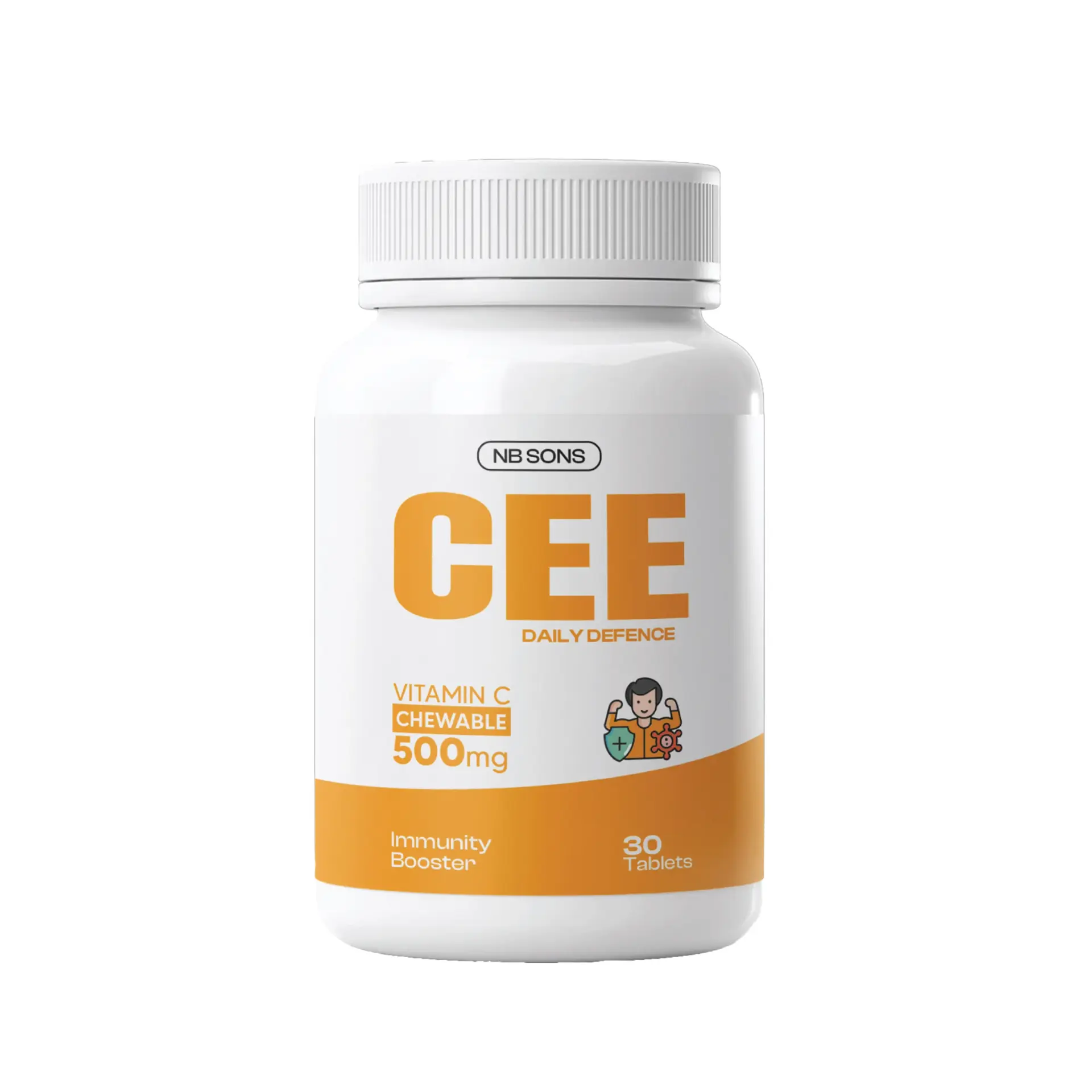
Vitamin C boosts zinc absorption from plant foods. It does not lift absorption from zinc supplements the way it does for iron. But getting enough vitamin C, through products like Cee (Vitamin C 500mg) or fresh fruit, supports your overall micronutrient status and immunity alongside zinc.
Zinc for Common Pakistani Health Concerns
Zinc for Immunity and Chest Infections
The evidence for zinc in immune support is among the strongest of any micronutrient. Zinc lozenges started within 24 hours of cold symptoms can cut cold duration by 33% and severity by 22%. Many meta-analyses confirm this.
It works because zinc ions, released by zinc acetate or gluconate lozenges, directly block rhinovirus from copying itself in the throat and nose.
For general immunity, this matters given Pakistan’s heavy load of chest and gut infections. Getting enough daily zinc is one of the most evidence-based steps available. The World Health Organization (WHO) officially recommends zinc as a core treatment for childhood diarrhoea in developing countries.
Zinc for Male Fertility and Testosterone
For Pakistani men with low energy, low libido, or fertility worries, zinc is one of the first things worth checking. A 2016 study in the Journal of Reproductive Biology and Endocrinology found that zinc supplements in zinc-deficient men raised testosterone, sperm count, and sperm movement.
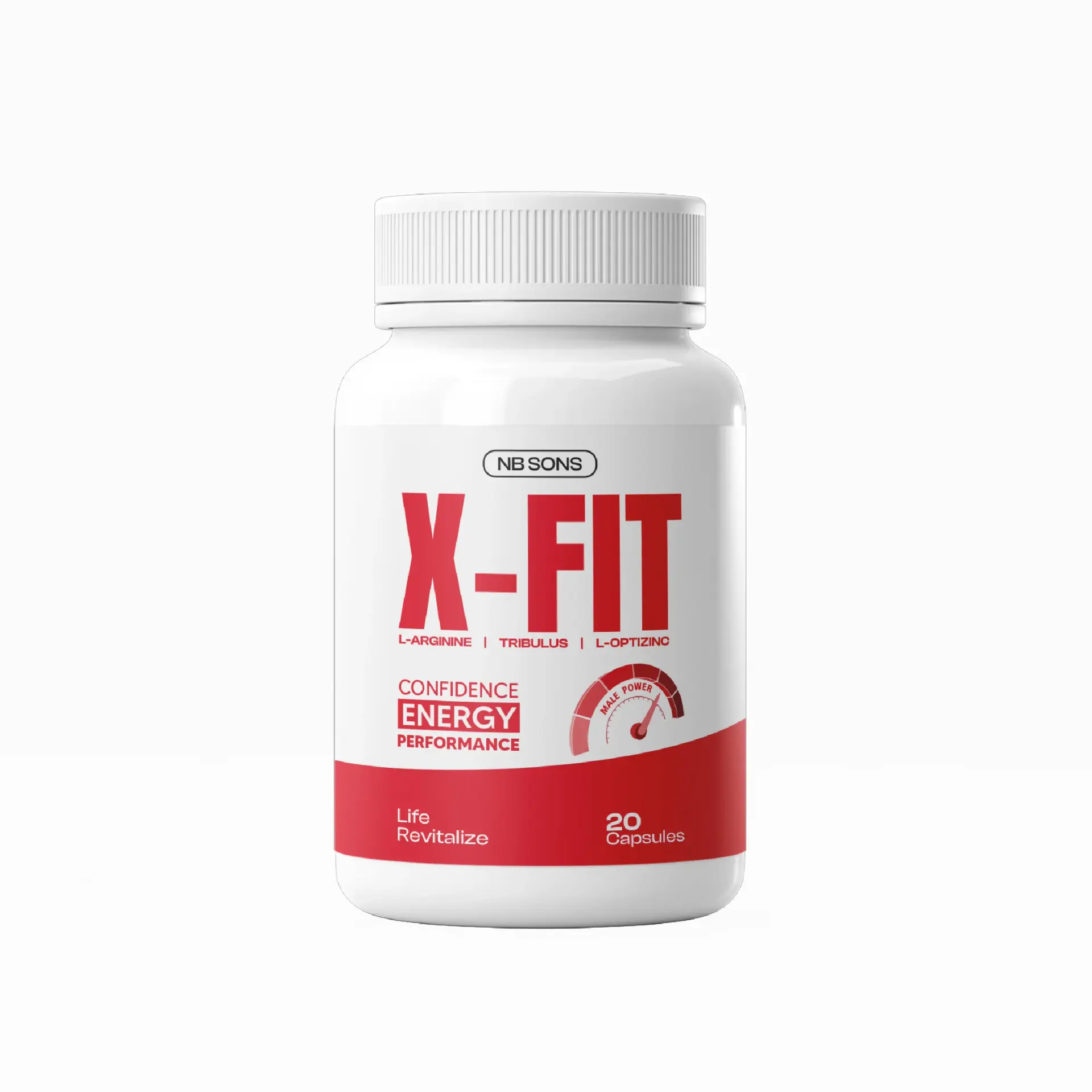
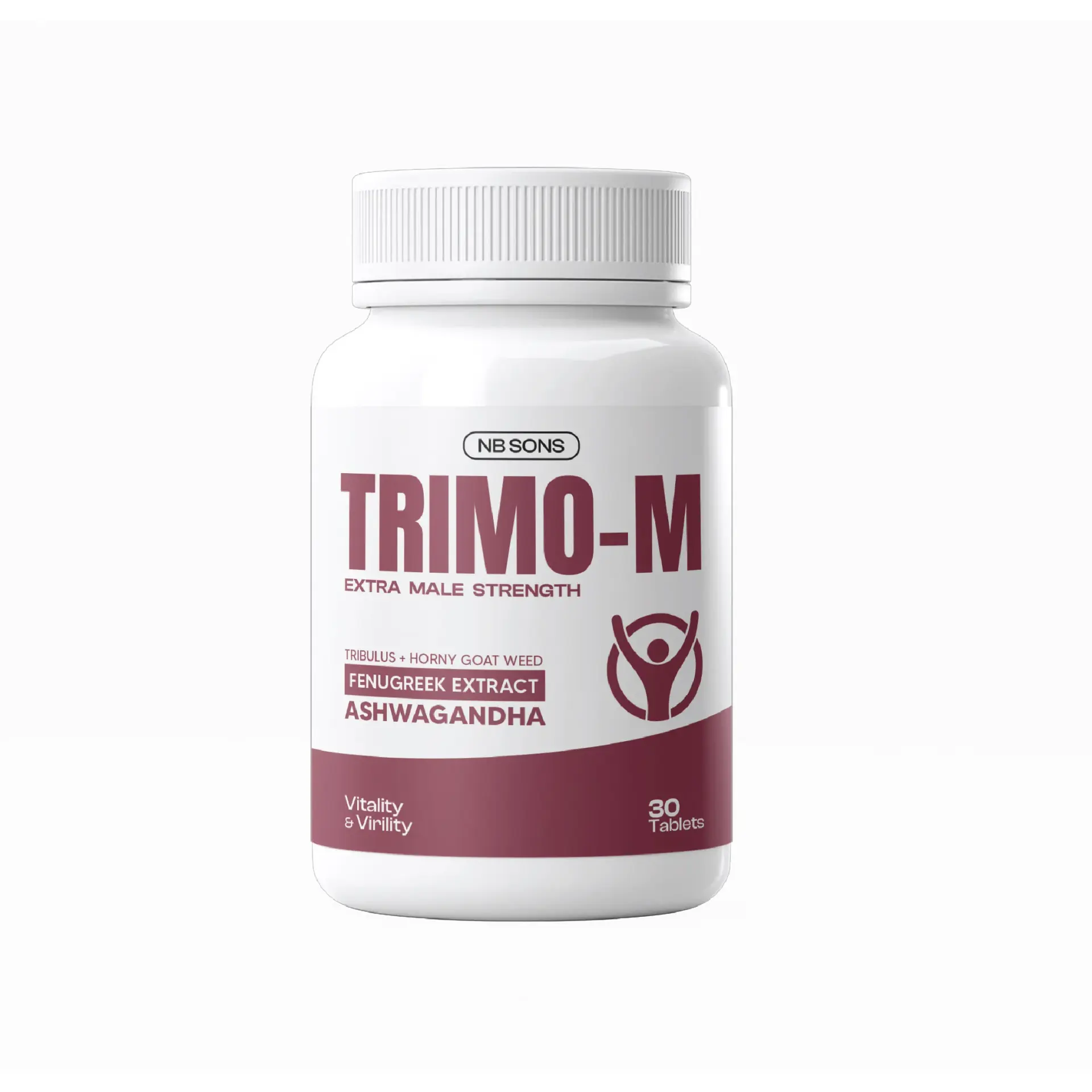
Products like X-fit and Trimo-M contain zinc alongside other male vitality nutrients. They give a broader nutritional base for hormonal health, not just standalone zinc.
Zinc for Acne
Many randomised controlled trials have found oral zinc works about as well as low-dose antibiotics for mild to moderate acne. Zinc slows Propionibacterium acnes growth, cuts oil production, and calms inflammation in the skin directly. A 2012 meta-analysis in Dermatology confirmed zinc’s benefit across many studies, with fewer side effects than antibiotics and no risk of antibiotic resistance.
For Pakistani teenagers and young adults with stubborn acne, zinc is one of the most evidence-backed oral options you can get without a prescription. This is especially true for inflamed, cystic acne that resists topical treatments.
Zinc for Hair Loss
Zinc deficiency is one of the nutritional triggers for telogen effluvium (stress-related hair shedding). For women with hair fall, addressing zinc is important. This matters most when hair loss comes with other zinc signs, such as acne, white nail spots, or frequent infections.
Address zinc before or alongside biotin. Zinc and biotin work through different routes and complement each other, so they are not interchangeable.
Zinc for Children’s Growth and Development
For Pakistani parents worried about a child’s growth, immunity, or development, zinc is one of the most important minerals to get right. Many large trials show that zinc supplements in deficient children improve height, cut chest infections, reduce diarrhoea episodes, and boost school-age cognitive performance. The gains are strongest in children who were stunted or often ill.
Dietary Sources of Zinc in the Pakistani Context
Supplements are the most reliable way to fix a deficiency. But diet matters just as much for long-term zinc status. Here are the best zinc foods you can get in Pakistan, ranked by how well they absorb.
High Absorption Sources (Animal-Based)
- Beef and lamb: 3 to 5 mg of zinc per 100g, among the best sources globally. Pakistani cuisine’s love of red meat (mutton curries, nihari, haleem) actually helps zinc status. Eat it more often if you can.
- Chicken (dark meat): Thighs and legs hold more zinc than breast, roughly 2 to 3 mg per 100g. Dark meat is also cheaper.
- Eggs: One egg gives about 0.5 mg of zinc in a well-absorbed form. A handy daily contributor.
- Fish: Most fish hold 0.5 to 1 mg of zinc per 100g. Oily fish like sardines or tuna give slightly more.
Moderate Absorption Sources (Plant-Based)
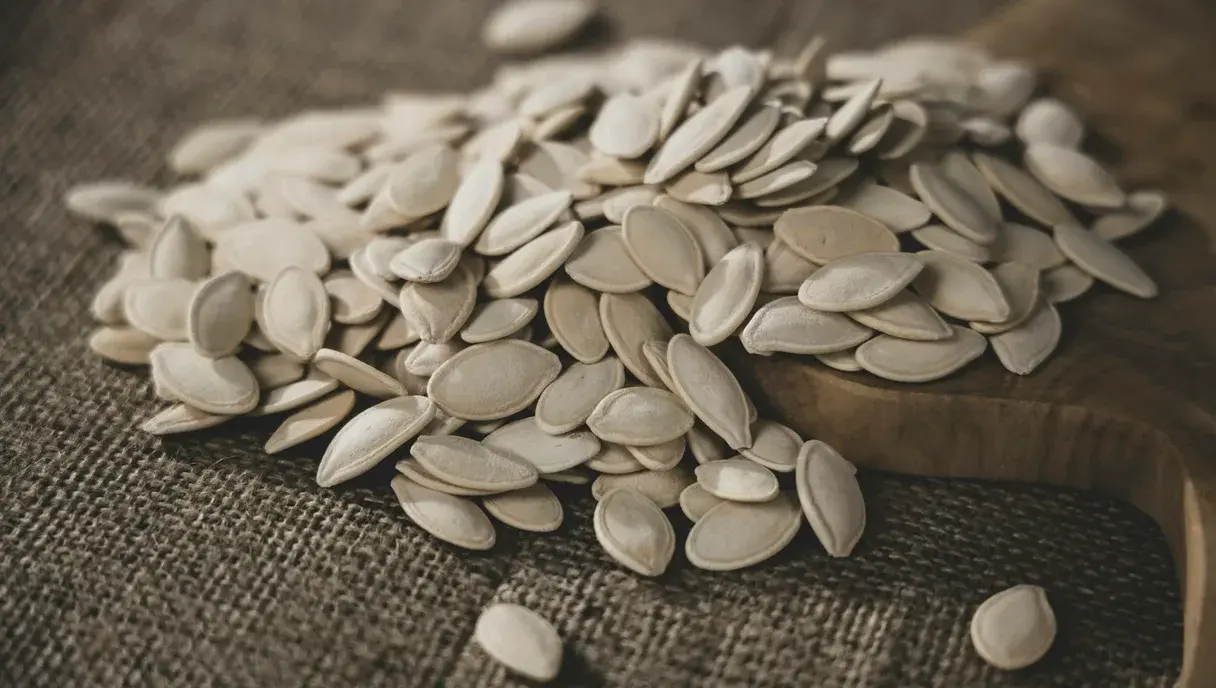
- Pumpkin seeds: An excellent source, 7 to 8 mg per 100g, and better absorbed than most other seeds. Easy to find in Pakistani shops (kaddu ke beej). A handful a day makes a real difference.
- Sesame seeds and tahini: 7 mg of zinc per 100g, though phytates lower absorption. Common in Pakistani cooking.
- Chickpeas (chana): 1.5 mg per 100g cooked. The zinc in legumes absorbs less well, but it adds up when eaten in large amounts, as many Pakistanis do.
- Whole wheat: Fortified atta in Pakistan now often includes zinc. Check the label on your flour brand.
Improving Plant-Based Zinc Absorption
For homes with little meat, you can absorb more zinc from plant foods by:
- Soaking lentils and legumes overnight before cooking. This activates phytase enzymes that break down phytate and improve mineral absorption
- Adding a squeeze of lemon juice to daal. The acids help counter phytate binding
- Fermenting dough for roti. Yeast-leavened breads have less phytate than unleavened roti
- Eating leavened bread (naan) more often than plain roti when zinc is a concern
Zinc and Vitamin D: The Combined Deficiency Pattern
In Pakistan, zinc and vitamin D deficiency often go hand in hand. Their effects on the immune system add up. Both are essential for switching on T-cells. Fixing one while ignoring the other leaves your immunity only half-protected.
If you are supplementing zinc, it is worth checking your vitamin D too. Consider a comprehensive vitamin D supplement like Meth D (Vitamin D3 + B12) or Vit KD (D3 10,000 IU + K2). The zinc plus vitamin D combination gives much stronger immune protection than either alone.
Building a Complete Micronutrient Stack Around Zinc
Zinc does not work in isolation. Given how often several deficiencies overlap in Pakistan, the smartest plan is to tackle the key gaps together:
- Zinc (25 to 40 mg elemental): The core of the stack for immunity, skin, hormones, and growth
- Vitamin D3 + K2 or D3 + B12: Works with zinc for immunity; deficiency is near universal in Pakistan
- Vitamin C 500mg: Supports immunity alongside zinc; boosts iron absorption
- Iron (if deficient, confirm with a ferritin test first): Keep it separate from zinc by at least 2 hours
- Magnesium (like Calco Fit magnesium glycinate): Complements zinc for sleep, stress, and metabolism
This combination tackles the most common Pakistani deficiencies at once. It gives a more complete nutritional base than any single supplement can manage alone.
Conclusion: Zinc Is a Priority for Pakistani Health
Zinc deficiency is not a niche concern. It affects nearly half the Pakistani population. It feeds into some of the country’s biggest health problems: childhood stunting, repeated infections, male infertility, female hair loss, and poor wound healing.
The good news is that it is fully correctable. You need the right supplement form, the right dose, and diet changes that fit a typical Pakistani household.
The key steps are simple. Choose a well-absorbed zinc form (picolinate or bisglycinate if available, gluconate otherwise). Take it with a protein meal. Avoid taking it alongside iron or very high-phytate foods. Give it at least 2 to 3 months of steady use to judge results. Combine it with vitamin D, vitamin C, and, if needed, iron to address the wider deficiency picture so common in Pakistan.
If you recognise several symptoms in this guide, do not wait for a blood test to start. A trial of zinc is safe, affordable, and, for the many Pakistanis who are truly deficient, transformative for energy, immunity, skin, hair, and overall health.
This article was written and medically reviewed to our medical review board standards and is for general guidance, not personal medical advice. Always speak to a doctor or pharmacist about your own situation.
Shop All Supplements →Frequently asked questions
Can I take zinc on an empty stomach?
Zinc on an empty stomach is far more likely to cause nausea, especially zinc sulfate. Take it with a meal, but not one that is very high in phytates, like a lentil-heavy daal, since that cuts absorption. A light protein meal, such as eggs or yoghurt, is ideal. If you must take it with a phytate-heavy meal, raising the dose slightly makes up for the lower absorption.
How long before I see results from zinc supplementation?
Different symptoms respond at different speeds. Better taste and smell take 1 to 3 weeks. Reduced acne takes 6 to 12 weeks, since skin turnover is slow. Better wound healing takes 2 to 4 weeks. Less hair loss takes 3 to 6 months, as hair cycles are slow. In men, testosterone and energy improve over 6 to 12 weeks of steady use.
Is zinc safe during pregnancy?
Yes. Zinc is part of most prenatal vitamin formulas. Zinc deficiency in pregnancy is linked to higher risk of preterm birth, low birth weight, and complications. Taking 15 to 25 mg of elemental zinc a day during pregnancy is safe and recommended for women in high-risk populations like Pakistan. Always check whether your prenatal supplement already contains zinc before adding a separate one.
Can children take zinc supplements?
Yes. The WHO recommends zinc for all Pakistani children with diarrhoea (10 mg a day for infants under 6 months, 20 mg a day for children aged 6 months to 5 years). For general supplementation in otherwise healthy children, 5 to 10 mg a day is fine. Use age-appropriate forms, such as liquid drops or chewable tablets, rather than hard capsules for young children.
Does zinc help with COVID-19 recovery?
Zinc deficiency was found to be a significant risk factor for severe COVID-19. Loss of taste and smell, a hallmark symptom, is linked to low zinc. Several studies found zinc supplements reduced COVID severity and shortened recovery in deficient patients. Keeping zinc levels healthy is a sensible part of general infection resilience, well beyond COVID alone.
Liked this one? Get the next in your inbox.
One fortnightly note from the editors, new pieces, restocks, and the routines we're actually using. Unsubscribe any time.