Apple Cider Vinegar in Pakistan: Benefits, Weight Loss & How to Use It (2026)
Apple cider vinegar in Pakistan: the honest evidence on weight and blood sugar, safe daily doses, gummies versus liquid, and who should avoid it.

Did you know? Apple cider vinegar sits on kitchen shelves from Karachi to Lahore, and over the last few years it has picked up a second life as a weight-loss supplement. Somewhere between the genuine, modest benefits and the wild internet claims, the truth gets lost. This guide gives you the honest, evidence-based picture on apple cider vinegar benefits.
We will cover what ACV actually is and what "the mother" means. We will look at the benefits with real support, and the things it simply cannot do. You will also learn about liquid versus gummies, how and when to take it, sensible dosage, and who should avoid it.
Shop the picks in this guide (4)
- Nutrifactor Yumcider ACV Gummies, Rs 890, 500 mg of apple cider vinegar in a two-gummy serving with no sour taste
- Fybosim Natural Fibre Sachet, Rs 390, for readers whose real goal is appetite control and regularity
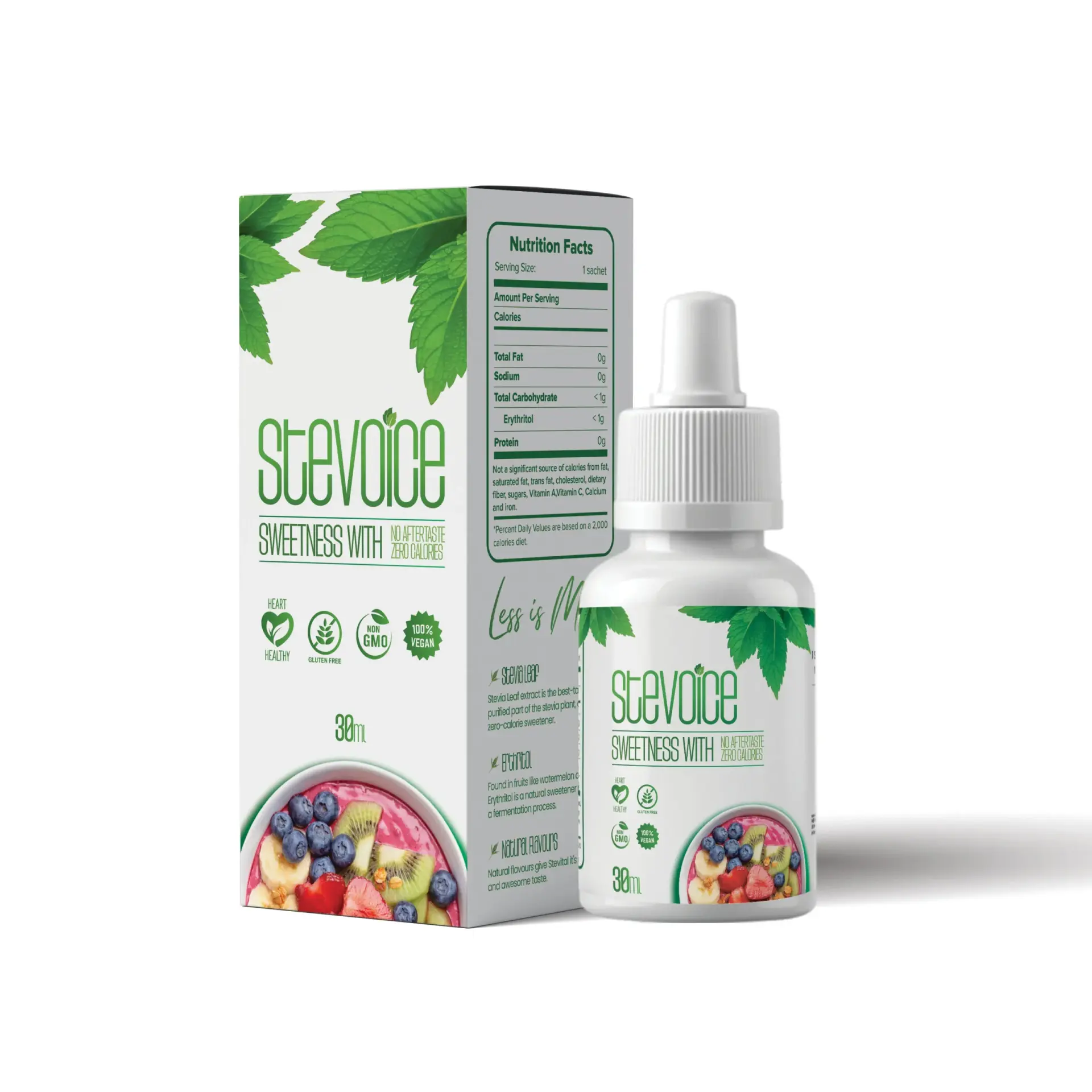
- Stevoice Stevia Powder, Rs 1,750, a zero-calorie swap for the sugar in your chai if post-meal blood sugar is the worry
- Eletcid Digestive Comfort Syrup, Rs 250, if acidity is your problem and vinegar makes it worse
What apple cider vinegar is, and what "the mother" means
Apple cider vinegar is made by fermenting crushed apples. First, yeast turns the natural sugars into alcohol. Then bacteria turn that alcohol into acetic acid.
Acetic acid is the main active ingredient. It gives vinegar its sour taste and sharp smell, and it is what most research focuses on.
"The mother" is the cloudy, cobweb-like sediment you see in raw, unfiltered ACV. It is a mix of beneficial bacteria, yeast and proteins left over from fermentation. Many people prefer ACV "with the mother" because it is less processed.
That said, the evidence that the mother itself adds major health benefits is limited. The acetic acid content is the part that matters most.
Evidence-based benefits of apple cider vinegar
Let us be clear and balanced. The research on ACV is modest and mostly from small studies. Still, a few benefits have reasonable support.
- Modest appetite and weight support: vinegar taken with a meal may help you feel full for a couple of hours afterwards, so you snack a little less. Cleveland Clinic dietitians say there is no good evidence of any long-term effect on appetite, so ACV is not something to build a weight plan around.
- Blood-sugar response after meals: a 2017 systematic review and meta-analysis of clinical trials in Diabetes Research and Clinical Practice found that vinegar with a meal blunted the rise in glucose and insulin afterwards. That is a post-meal effect in small trials, not a treatment for diabetes.
- Digestion and routine: many people find a small amount of diluted ACV a pleasant part of their morning routine. Robust evidence for direct "digestion" benefits is thin, though.
The honest summary is simple. ACV may offer small, supportive nudges, not dramatic transformations. If appetite control is what you are actually after, a plain fibre sachet like Fybosim stirred into a full glass of water is a simpler thing to add to your day. And if it is your post-meal blood sugar you are worried about, the bigger lever is the sugar going into your chai: Stevoice stevia powder is a zero-calorie swap for it.
What apple cider vinegar does NOT do
This is just as important as the benefits. ACV is not a magic fat burner. Drinking it will not melt belly fat, "detox" your body, cure disease, or replace a balanced diet and exercise.
The weight effects seen in studies are small. They come from slightly reduced appetite, not from the vinegar burning fat.
If a claim sounds too good to be true, it is. Be wary of promises like rapid weight loss, curing serious illness, or replacing medication. Treat ACV as a minor supporting player, and put your real effort into what you eat and how much you move.
Liquid versus gummies: which is better?
The traditional way to take ACV is diluted liquid, but it has real downsides. The acid can erode tooth enamel over time and irritate the throat and stomach. The taste also puts many people off, so they give up.
Gummies have become popular precisely because they sidestep these problems.
| Form | Pros | Cons |
|---|---|---|
| Liquid ACV | Cheap, traditional, flexible dosing | Harsh on tooth enamel and throat, strong taste, easy to take too strong |
| ACV gummies | Easier to take daily, gentler on teeth and throat, fixed and hard to overdo | Less vinegar per serving than a tablespoon of liquid, no flexibility in the dose |
For most people who want the routine without the enamel and throat worries, gummies are the easier, more sustainable choice. Nutrifactor Yumcider ACV Gummies (Rs 890) give 500 mg of apple cider vinegar in a serving of two gummies, along with 6 mcg of vitamin B12, and a 30-gummy pack lasts about 15 days at the recommended two a day. Be clear about the trade-off: 500 mg is far less vinegar than the 15 ml in a tablespoon of the liquid, so gummies are the version of the habit you will keep up, not a stronger one.
How and when to take apple cider vinegar
If you choose liquid, the golden rule is to always dilute it. Never drink it straight. A common approach is one to two teaspoons (around 5 to 10 ml) stirred into a large glass of water.
Many people take it before or with a meal. To protect your teeth, drink it through a straw, rinse your mouth with plain water afterwards, and do not brush immediately. Start small to see how your stomach reacts.
If you choose gummies, follow the dose on the pack. For Yumcider that is two gummies a day, chewed with a meal, and no more than two. Gummies remove most of the guesswork and the enamel risk, which is their main appeal.
Sensible dosage
More is not better with ACV. Both the Mayo Clinic and Cleveland Clinic put the ceiling for liquid at about two tablespoons (30 ml) a day, so roughly one to two tablespoons total is a reasonable range. Always dilute it and ideally split it across the day with meals.
Larger amounts increase the risk of throat irritation and reflux. Over time, they can also affect tooth enamel and potassium levels. For gummies, stick to the label dose, which is two a day for Yumcider. Consistency at a sensible dose matters far more than taking large quantities.
Safety, side effects and interactions
ACV is generally safe in small, sensible amounts. But it is acidic and not risk-free. Be aware of:
- Tooth enamel: repeated exposure to acid can wear enamel, and once it is gone it does not come back. Dilute liquid well, use a straw and rinse afterwards. Gummies are gentler here.
- Reflux and throat irritation: if you are prone to acidity or heartburn, ACV may make it worse rather than better. Our guide on acidity and heartburn relief explains how to manage that, and a herbal digestive syrup like Eletcid is made for acidity and gas in a way vinegar is not.
- Low potassium: high intakes over long periods have been linked to lowered potassium, and Cleveland Clinic advises against ACV if you already have low potassium. This matters especially if you take certain medicines.
- Diabetes medication interaction: because ACV may affect blood sugar, combining it with insulin or other glucose-lowering medicines could push blood sugar too low. If you have diabetes, talk to your doctor first.
- Other medicines: ACV may interact with diuretics, laxatives and blood-pressure medicines. Check with a pharmacist if you take regular medication.
Who should avoid apple cider vinegar
Be cautious or avoid ACV, and speak to a doctor first, if you:
- Have frequent acid reflux, gastritis or stomach ulcers.
- Have gastroparesis, where the stomach already empties slowly.
- Take diabetes medication, diuretics, or have low potassium.
- Have kidney problems.
- Are pregnant or breastfeeding (stick to food amounts and ask your doctor before supplements).
- Have ongoing dental enamel concerns.
ACV supplements are for adults; keep the pack away from children. For balanced background reading, see the Mayo Clinic on apple cider vinegar and weight loss, the Cleveland Clinic on the possible benefits of apple cider vinegar, and the 2017 meta-analysis on vinegar and post-meal glucose and insulin on PubMed.
This article was written and medically reviewed to our medical review board standards and is for general guidance, not personal medical advice. Always speak to a doctor or pharmacist about your own situation.
Ready to start? If you want the ACV habit without a sour glass every morning, take two Nutrifactor Yumcider ACV Gummies (Rs 890) with a meal, and if appetite or regularity is the real issue, browse the rest of our digestive and gut range. Cash on delivery is available across Pakistan, and delivery is free on orders over Rs 5,000 in Punjab.
Shop Nutrifactor Yumcider ACV Gummies →Frequently asked questions
Does apple cider vinegar really help with weight loss?
Only modestly. Vinegar with a meal can leave you feeling full for a couple of hours, so you may eat a little less, but there is no good evidence of a long-term effect on appetite. It is not a fat burner and works only alongside a healthy diet and activity. Do not expect dramatic results from ACV alone.
Are ACV gummies as good as the liquid?
For most everyday users, gummies are the sensible choice, because they are easier to take daily and gentler on tooth enamel and the throat. The trade-off is the amount: a two-gummy serving of Yumcider gives 500 mg of apple cider vinegar, well under the 15 ml in a tablespoon of liquid. If you can tolerate diluted liquid, that is the bigger dose. If you cannot, gummies are the version you will actually keep taking.
When is the best time to drink apple cider vinegar?
Many people take diluted ACV before or with a meal. This may help with fullness and the post-meal blood-sugar rise. Always dilute liquid in plenty of water, and never drink it straight. With gummies, follow the pack timing, which for Yumcider is two gummies with a meal.
How much apple cider vinegar should I take a day?
For liquid, roughly one to two tablespoons (15 to 30 ml) total per day, always diluted and ideally split with meals. Mayo Clinic and Cleveland Clinic both treat two tablespoons as the daily ceiling. For gummies, stick to the label dose, two a day for Yumcider. More is not better and increases the risk of side effects.
Can apple cider vinegar damage my teeth?
Undiluted or frequent liquid ACV can erode tooth enamel over time because it is acidic, and enamel does not grow back. Always dilute it well, drink through a straw, rinse with plain water afterwards and avoid brushing straight away. Gummies are gentler on enamel, which is one reason many people prefer them.
Is apple cider vinegar safe with diabetes medication?
Be careful. Because ACV may lower the blood-sugar response, taking it alongside insulin or other glucose-lowering medicines could push your blood sugar too low. If you have diabetes, speak to your doctor before adding ACV to your routine.
Does "the mother" in apple cider vinegar matter?
The mother is the cloudy sediment of bacteria, yeast and proteins in raw, unfiltered ACV. Many prefer it because it is less processed. Still, the strong evidence is for acetic acid rather than the mother itself. It is a nice-to-have, not the main reason ACV may help.
For more honest, evidence-based wellness reading, see our guides on how to reduce bloating naturally, liver health and milk thistle, fast relief for acidity and heartburn, and the truth about stevia as a sugar-free sweetener.
Liked this one? Get the next in your inbox.
One fortnightly note from the editors, new pieces, restocks, and the routines we're actually using. Unsubscribe any time.