Liver Health & Milk Thistle in Pakistan: Natural Detox Supplement Guide 2026
How milk thistle and simple habits support liver health in Pakistan, a natural detox guide for fatty liver and daily wellbeing.
Hepatitis B and C alone infect an estimated 12 to 15 million people in Pakistan, among the highest rates in the world. Liver disease here is common, yet most people are not talking about it. This guide covers liver health supplements in Pakistan, with a focus on milk thistle, the most researched liver herb.
The hidden problem is non-alcoholic fatty liver disease (NAFLD). It affects an estimated 30 to 40% of adults in urban Pakistan. The drivers are refined-carb diets, rising obesity, sedentary lifestyles, and metabolic syndrome.
Add to that the widespread use of over-the-counter medicines, especially NSAIDs and antacids taken without advice. Add the pollution load in big cities. The result is a population whose livers face heavy daily stress.
Post-Ramadan is a relevant time to focus on this. A month of fasting is followed by rich, high-fat, high-sugar Eid food. That metabolic swing lands on the liver. Many Pakistanis feel sluggish, bloated, or "heavy" in the weeks after Eid, and the liver is a big part of that story.
Why Your Liver Matters More Than You Think
The liver is your body's main detox organ, but that undersells it. It performs over 500 separate jobs, including:
- Processing every substance that enters your blood through your gut
- Producing bile for fat digestion
- Making cholesterol and blood proteins, including albumin and clotting factors
- Storing glycogen (your quick energy reserve) and releasing glucose when needed
- Breaking down hormones, including oestrogen, testosterone, and cortisol
- Turning ammonia (a waste product) into urea so the body can excrete it
- Filtering bacteria, viruses, and toxins out of the blood
- Activating vitamins D, K, A, and B12 for use in the body
When the liver is stressed, overloaded, or inflamed, you feel it everywhere. Fatigue that sleep does not fix. Trouble digesting fatty foods. Brain fog, skin problems, hormone swings, and low mood.
Most Pakistanis with these symptoms reach for energy drinks or antacids. What they often need is liver support.
Warning Signs Your Liver Needs Support
Before reaching for supplements, learn the signs of a stressed liver. These are not a diagnosis. They are signals that your liver deserves attention:
- Persistent fatigue not explained by poor sleep or anaemia
- Bloating and gas, especially after fatty meals
- Right-sided discomfort under the rib cage (where the liver sits)
- Raised liver enzymes (ALT/AST) on blood tests; even mild rises deserve attention
- Skin issues: itching, yellowing (jaundice in severe cases), or unexplained acne
- Dark urine or pale stools
- Nausea, especially in the morning or after eating
- Hormone imbalances: the liver clears hormones, so a sluggish liver can fuel oestrogen dominance in women and testosterone issues in men
Do several of these sound familiar? It is worth a liver function test (LFT). Most diagnostic labs in Pakistan offer one for around Rs. 800 to 1,500.
The good news is that the liver heals well. Early action with lifestyle changes and the right supplements can reverse much of the damage before it gets worse.
Milk Thistle: The Most Researched Liver Herb in the World
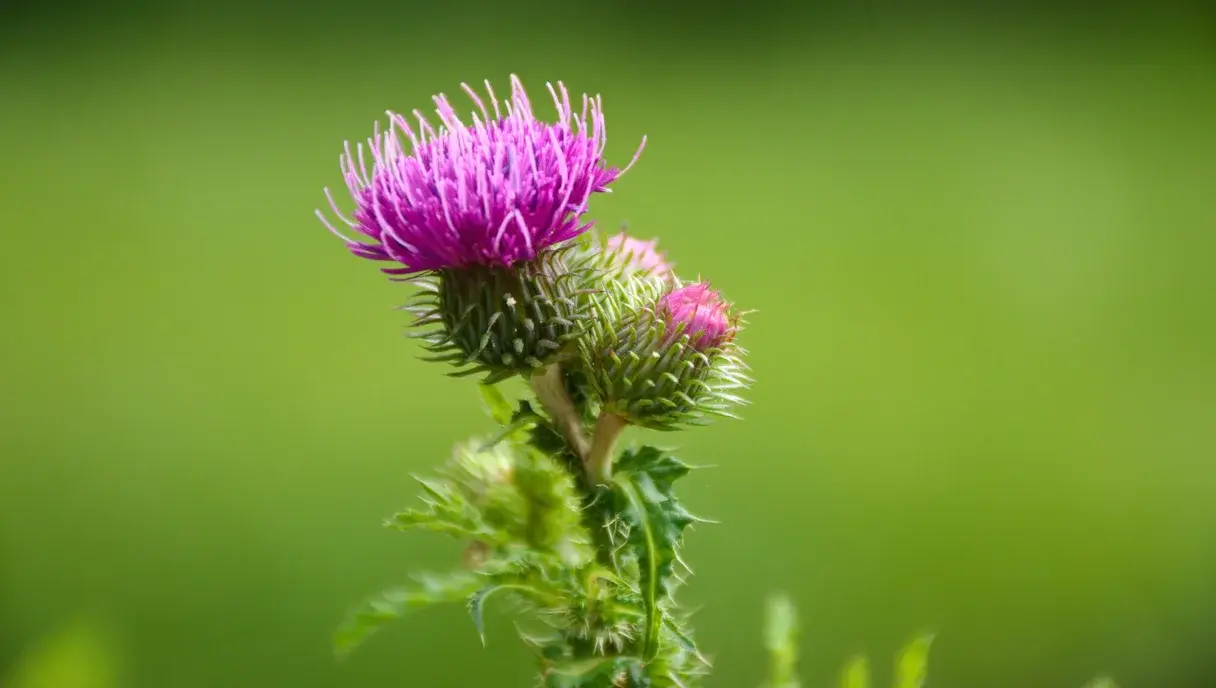
Milk thistle (Silybum marianum) has been used as medicine for over 2,000 years. It has more clinical evidence behind it than almost any other liver herb. The active compounds in its seeds form a complex called silymarin.
Silymarin is a group of flavonolignans. They have been studied closely for their hepatoprotective (liver-protecting) effects.
How Milk Thistle Works: The Science
Silymarin works through several mechanisms that support each other:
Antioxidant protection: The liver makes huge amounts of free radicals during detox. Silymarin mops up these free radicals. It also boosts the liver's own antioxidant enzymes, especially superoxide dismutase (SOD) and glutathione peroxidase. That cuts oxidative damage to liver cells.
Anti-inflammatory action: Silymarin lowers pro-inflammatory compounds in liver tissue, mainly leukotriene B4 and tumour necrosis factor-alpha. Chronic low-grade liver inflammation drives NAFLD forward. Reducing it slows the disease.
Cell membrane stability: Silymarin changes the outer layer of liver cells so toxins struggle to get in. This matters most for people on liver-stressing medicines or living in heavy pollution.
Help with repair: Silymarin stimulates protein synthesis in liver cells, which supports regeneration. The liver is one of the few organs that can regrow, and silymarin appears to help that process.
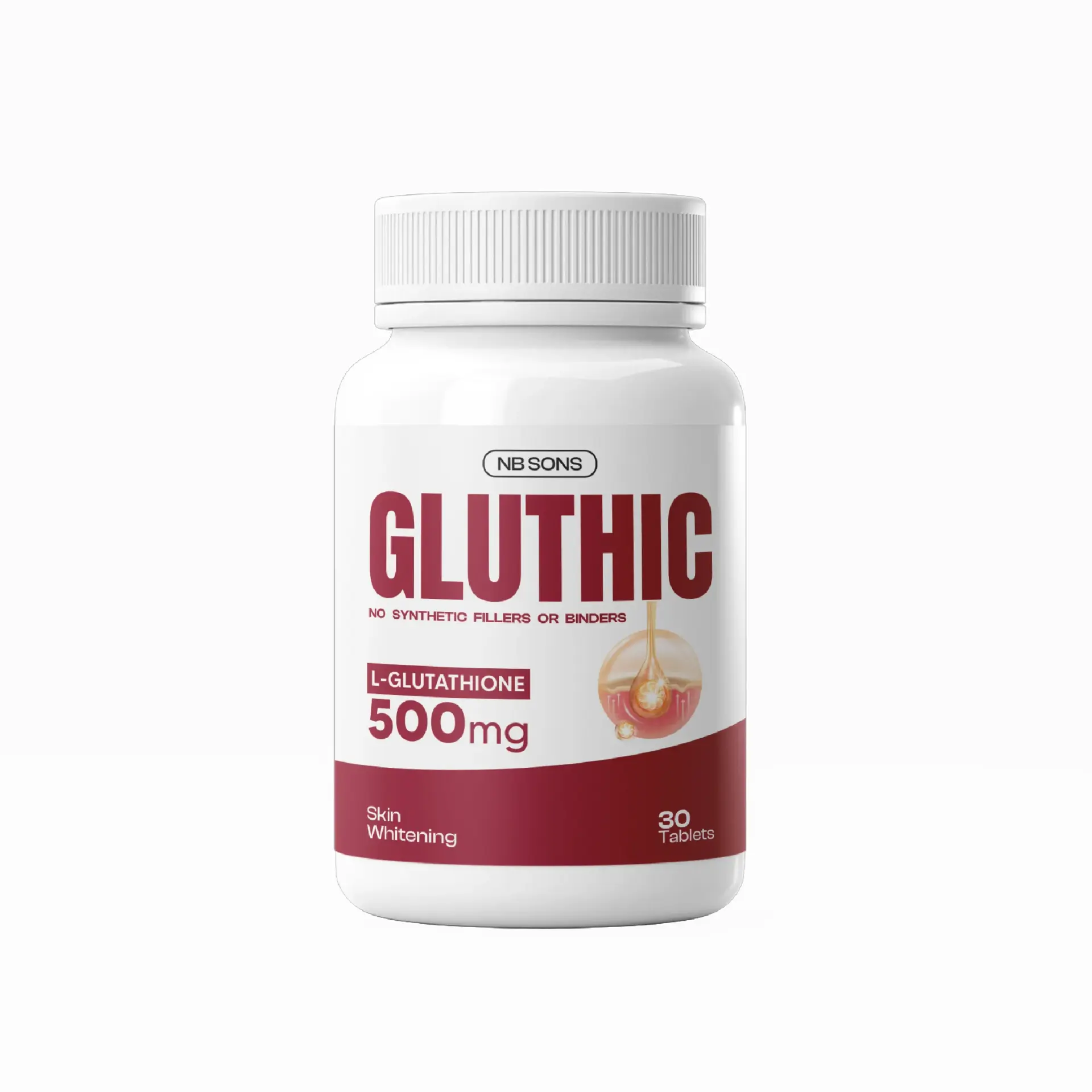
Glutathione boost: This is a key link to the wider liver supplement story. Silymarin raises glutathione inside liver and gut cells by as much as 50% in some studies. Glutathione is the liver's master antioxidant. This is where products like Gluthic (a glutathione supplement) fit in as a complement.
What the Clinical Research Shows
The evidence for milk thistle is substantial, though not uniformly positive across every condition. Here is an honest summary:
Non-alcoholic fatty liver disease (NAFLD): Several randomised trials show that silymarin cuts liver enzymes (ALT and AST), reduces liver fat on ultrasound, and lowers inflammation in NAFLD patients. A 2017 meta-analysis in the European Journal of Gastroenterology and Hepatology concluded that silymarin helps with NAFLD. This is the strongest evidence area and the most relevant for Pakistan.
Toxic hepatitis and drug-induced liver injury: Doctors in Europe have used silymarin for decades to treat Amanita phalloides mushroom poisoning, one of the deadliest liver toxins known. Its protection against medicine-induced liver stress is well established.
Viral hepatitis: Pakistan has among the highest hepatitis B and C rates in the world, with an estimated 12 to 15 million people infected. For viral hepatitis, silymarin helps normalise liver enzymes and ease symptoms. It does not clear the virus. It is supportive care, not a cure. Anyone with viral hepatitis needs antiviral treatment from a specialist, with silymarin as a complement, not a replacement.
Liver cirrhosis: For advanced liver disease, some studies show modest gains in liver function and quality of life. The evidence is weaker here. Advanced liver disease always needs medical care.
Glutathione and Liver Health: The Gluthic Connection
Glutathione deserves its own section. Often called the "master antioxidant", it is made by the liver itself. It is central to the liver's phase II detox pathway, which neutralises fat-soluble toxins and readies them for removal.
Many things deplete liver glutathione: chronic toxin exposure, alcohol (even small amounts), too much paracetamol, a poor diet, or oxidative stress. When it runs low, the liver detoxifies far less well. That sets up a vicious cycle. A stressed liver makes less glutathione, which leaves it more open to further damage.
Taking glutathione directly can break this cycle. Gluthic contains reduced L-glutathione. It gives the liver the raw material to rebuild its detox capacity.
Oral glutathione's absorption was once doubted. Newer research on reduced L-glutathione shows real rises in blood and tissue levels with steady use.
The glutathione and milk thistle pairing is genuinely synergistic. Silymarin lifts the liver's own glutathione and shields cells from oxidative damage. Supplemental glutathione tops up the pool directly. Together they support the liver from two angles.
Fibre and the Liver: The Gut-Liver Axis
Here is a link most liver articles miss: the gut-liver axis. The liver gets about 70% of its blood straight from the intestines through the portal vein. So whatever your gut bacteria produce goes to your liver first.
The gut microbiome is often disrupted in Pakistan, given heavy antibiotic use, irregular diets, and waterborne bugs. A disrupted gut makes more lipopolysaccharide (LPS), a bacterial toxin that triggers liver inflammation and pushes NAFLD along. Enough dietary fibre feeds the good bacteria that keep LPS-producing bacteria in check.
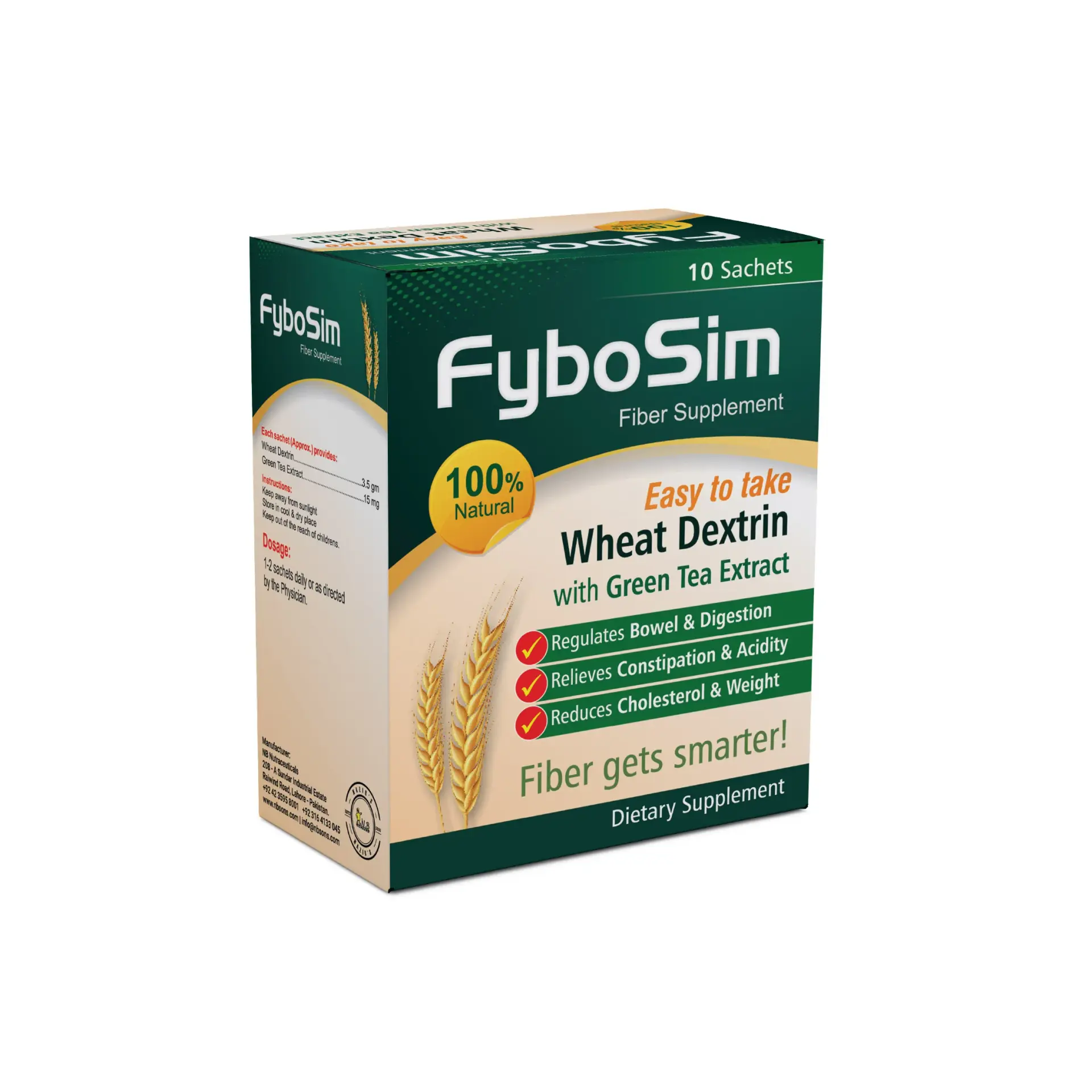
This is where Fybosim, which pairs fibre with glutathione, helps the liver. The fibre supports the gut microbiome and reduces "leaky gut", the leaky lining that lets bacterial toxins into the portal blood. The glutathione supports liver detox directly. It is an underrated, multi-angle approach.
Post-Ramadan Liver Detox: What Actually Helps
The post-Ramadan period is a natural time to think about your liver. During Ramadan the liver shifts. Long fasting reduces fat build-up in the liver, which is good. But large meals at Iftar and Sehri place sharp demands on it.
Then comes Eid, with biryani, nihari, sweets, and fried food eaten in generous amounts over several days. A practical post-Ramadan support plan might look like this:
- Milk thistle extract: 400 to 600mg of standardised silymarin daily, split across two doses
- Glutathione (Gluthic): 500mg daily, ideally on an empty stomach
- Fibre support (Fybosim): daily, with meals, to support the gut-liver axis
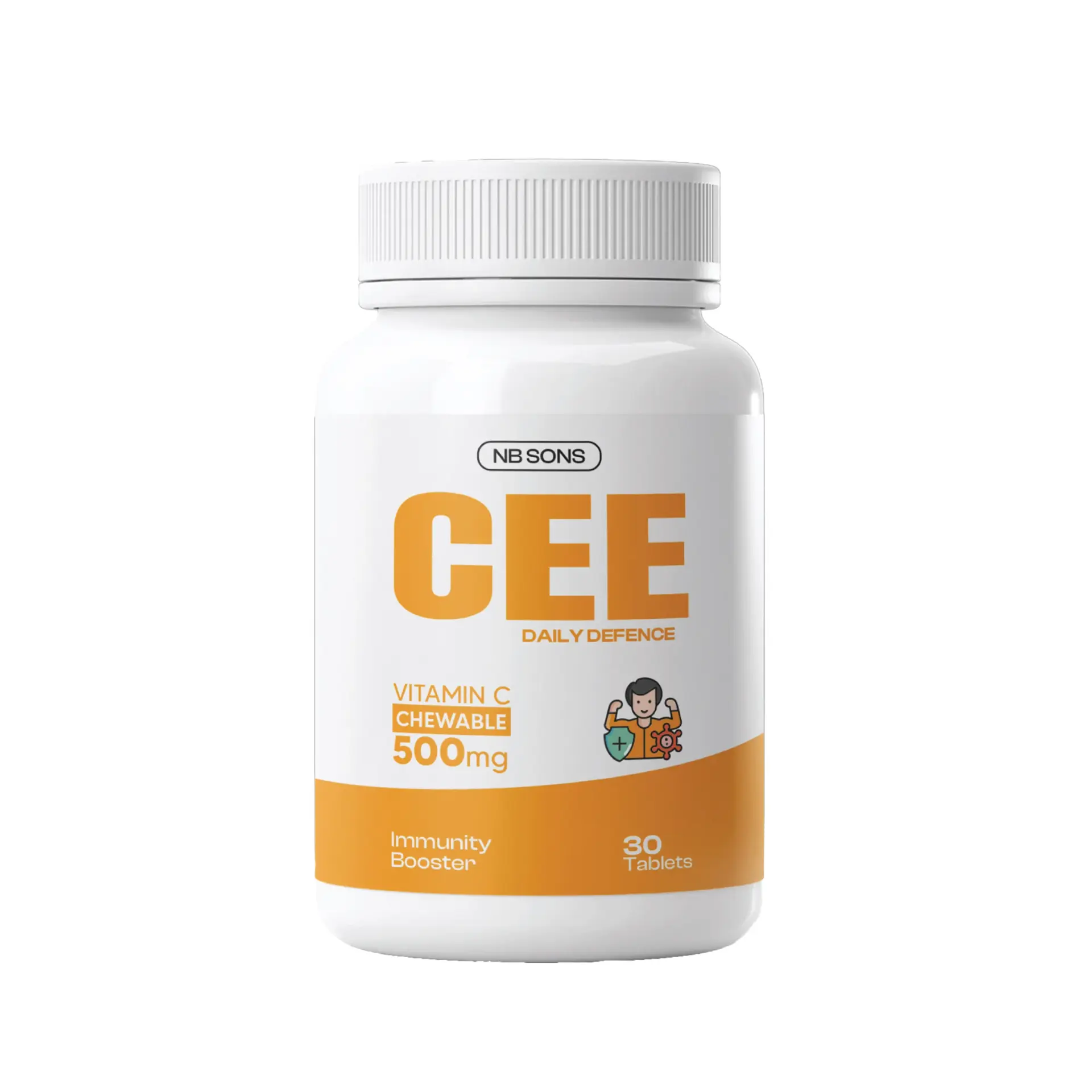
- Vitamin C: 500mg daily, which helps regenerate glutathione (Gluthic plus Cee works well)
- Hydration: at least 2.5 litres of water daily, since the liver needs water to make bile and flush water-soluble toxins
Keep this plan up for at least 4 to 6 weeks. That gives the liver time to recover and reset its baseline. It is not a quick fix. It is a steady process of easing the load while supporting repair.
Lifestyle Changes That Support Liver Health in Pakistan
Supplements cannot outrun a poor diet or lifestyle. For any liver plan to work, these changes are essential:
Dietary Adjustments
- Cut refined carbohydrates: white rice, maida breads, and sugary drinks are the main drivers of NAFLD in Pakistan. Shift to whole wheat and brown rice, and cut sugar. It makes a real difference
- Eat more vegetables, especially cruciferous ones: broccoli, cauliflower, cabbage, and radish hold compounds that support liver detox enzymes. Mooli (radish) is already common in our cooking and is great for the liver
- Go easy on oil: Pakistani cooking often uses a lot of it. Use less total fat, and choose olive or canola oil over hydrogenated ghee. That reduces liver fat
- Add more turmeric: curcumin in turmeric calms liver inflammation and is already part of our cuisine. Use fresh turmeric generously
- Reduce processed and preserved foods: additives, preservatives, and artificial dyes all pass through the liver
Medication Management
Pakistan has a habit of self-medicating with NSAIDs, especially diclofenac and ibuprofen, which are easy to buy over the counter. These are liver-toxic at high or long-term doses. Use them only when needed, at the lowest effective dose, for the shortest time. That eases the liver burden a lot.
Paracetamol (acetaminophen) is gentler on the stomach than NSAIDs. But it is one of the most common causes of drug-induced liver injury worldwide, especially in excess or with alcohol. Stick to the labelled dose.
Physical Activity
Exercise directly cuts liver fat. Studies show that both aerobic and resistance training lower liver fat, even without weight loss. Just 150 minutes of moderate exercise a week, and brisk walking counts, makes a measurable difference. This is not optional advice. It is a primary treatment for NAFLD.
How to Choose a Milk Thistle Supplement in Pakistan
The Pakistani market has many milk thistle products. Here is what to look for:
Standardisation: The Most Important Factor
Raw milk thistle seeds hold only about 1 to 3% silymarin by weight. Effective use needs an extract standardised to a set silymarin content. Look for:
- At least 70% silymarin standardisation (good products use 70 to 80%)
- Clear labelling of silymarin content per dose, not just the weight of plant material
- The key active part of silymarin is silybin. Some premium products standardise to silybin, which is more precise
A product that just says "milk thistle 500mg" tells you almost nothing about its potency. One that says "milk thistle extract 175mg (standardised to 70% silymarin)" is far more useful.
Effective Dose
Most research used 420mg to 600mg of silymarin a day, split across two or three doses. So you usually need a decent extract concentration, taken consistently. Lower doses (50 to 100mg silymarin) may help a little, but they fall below most clinical trials.
Phosphatidylcholine Complexes
Silymarin does not dissolve in water, which limits its natural absorption. Some premium products use a phosphatidylcholine-silymarin complex, sometimes sold as "Siliphos" or "Silybin-phytosome". This improves absorption by up to 4.6 times versus standard silymarin. If you can find this formulation in Pakistan, it is worth the higher price.
Other Evidence-Based Liver Support Supplements
Beyond milk thistle and glutathione, several other compounds have solid evidence for liver health:
N-Acetyl Cysteine (NAC)
NAC is the precursor to glutathione. Hospitals use it intravenously to treat paracetamol overdose, the gold-standard treatment. As a supplement, it supports glutathione synthesis in the liver and calms inflammation. If you cannot get direct glutathione, NAC is a strong alternative.
Alpha Lipoic Acid (ALA)
ALA is both fat-soluble and water-soluble, a rare trait that lets it work inside and outside cells. It also regenerates other antioxidants, including vitamins C and E and glutathione. Studies show it helps normalise liver enzymes in NAFLD and slows liver scarring.
Vitamin E
The American Association for the Study of Liver Diseases (AASLD) lists vitamin E as a recommended treatment for non-diabetic adults with NAFLD. It is one of the few supplements in official guidelines. The dose used in NAFLD research is 800 IU daily, higher than most multivitamins provide. If you have confirmed NAFLD, discuss it with your doctor.
Dandelion Root
Dandelion root is less studied than milk thistle but has a long history of traditional use. It supports bile production and flow. Good bile flow is essential, since it lets the liver excrete the fat-soluble toxins it processes. Some early studies show anti-inflammatory effects in liver tissue.
Understanding Liver Function Tests in Pakistan
Before and after any liver plan, an LFT is valuable. Here is what the main markers mean:
- ALT (Alanine Aminotransferase): the most liver-specific marker. A raised ALT means active liver cell damage or inflammation. Normal is usually 7 to 56 U/L, though labs vary. A mild rise (56 to 100 U/L) often points to fatty liver and is very common in Pakistan
- AST (Aspartate Aminotransferase): less liver-specific, since muscle damage also raises it. It matters in the ALT:AST ratio. In NAFLD, ALT is usually higher than AST. When AST tops ALT (ratio above 1), it can flag more advanced disease
- Bilirubin: the yellow pigment from broken-down haemoglobin. A high level causes jaundice. A mild rise can point to bile flow problems
- Alkaline Phosphatase (ALP) and Gamma-GT: markers of bile duct health. Raised values suggest cholestasis (poor bile flow)
- Albumin: a protein made by the liver. Low albumin means reduced liver function. This is more worrying than raised enzymes, as it suggests the liver is losing its ability to work
Take baseline values, then repeat after 8 to 12 weeks of a liver plan. That is the most objective way to see if your supplements are working.
When to See a Doctor, Non-Negotiable
Natural supplements and lifestyle changes suit general liver health and mild NAFLD. But the following situations need urgent medical care:
- Yellow eyes or skin (jaundice)
- Abdominal swelling (ascites)
- Vomiting blood or blood in the stool
- Severe pain in the upper right abdomen
- Mental confusion or disorientation (hepatic encephalopathy)
- Known hepatitis B or C, which need antiviral treatment
- ALT more than 3 to 5 times the upper limit of normal
- Any liver symptoms plus fever (which suggests infection)
Pakistan has excellent liver specialists in its major cities. Liver disease caught early is very manageable. Advanced cirrhosis is not. For many Pakistanis, the single most valuable step is getting screened for hepatitis B and C, since both are treatable when caught early.
Building a Complete Liver Health Strategy for Pakistani Adults
Bringing it together, here is a practical framework for the Pakistani context:
Foundation (everyone): Cut refined carbohydrates and cooking oil. Eat more vegetables, including cruciferous ones. Stay well hydrated. Exercise at least 150 minutes a week. Get screened for hepatitis B and C at least once in your adult life.
General liver maintenance: A standardised milk thistle extract (420mg silymarin daily) as a daily supplement. This is worth it especially if you are over 30, urban, eat a typical Pakistani diet, or take medicines regularly.
Active liver support (post-Ramadan, post-illness, or mildly raised enzymes): Milk thistle plus Gluthic (glutathione) plus Fybosim (fibre and gut support) for 8 to 12 weeks. Add Cee (vitamin C) to support glutathione recycling.
Medical attention: Confirmed NAFLD on ultrasound with raised enzymes warrants a talk with a physician. Natural supplements belong within a full plan, not as a substitute for medical monitoring.
Your liver works hard for you every single day. It filters your blood, processes your food, clears your medicines, and balances your hormones. Given Pakistan's diet, pollution, and medicine habits, giving it targeted support is not optional. It is sensible preventive health. Start with the basics, stay consistent, and measure your progress.
This article was written and medically reviewed to our medical review board standards and is for general guidance, not personal medical advice. Always speak to a doctor or pharmacist about your own situation.
Shop Gluthic Glutathione →Frequently asked questions
Is milk thistle safe to take long-term?
Yes. Milk thistle is considered safe for long-term use at recommended doses. Clinical trials have used it for up to 24 months with no significant adverse effects. The most common side effects are mild and dose-related, such as loose stools or bloating. It has one of the best-established safety profiles of any herbal supplement. Allergic reactions are rare but possible, especially in people allergic to plants in the daisy family (Asteraceae).
Can milk thistle and glutathione be taken together?
Yes, and they complement each other well. Milk thistle (silymarin) lifts the liver's own glutathione by up to 50% while shielding cells from oxidative damage. Supplemental glutathione, like Gluthic, tops up glutathione directly. Taking both covers the liver from two angles. There are no known interactions between them.
Does milk thistle interact with medications?
Milk thistle can interact with some medicines processed by the liver's cytochrome P450 system, especially CYP3A4 substrates. This includes some statins, certain antifungals, and some immunosuppressants. If you take regular prescription medicine, check with your doctor before starting milk thistle. For most common medicines (blood pressure drugs, metformin, antacids, typical painkillers) it is safe, but the check is worth doing.
Is fatty liver reversible with supplements and lifestyle changes?
Yes. Early-stage NAFLD (simple fat build-up without much inflammation or scarring) is very reversible. Studies show that a 7 to 10% drop in body weight, with diet changes and exercise, produces measurable regression of liver fat on ultrasound. Milk thistle, vitamin E, and other supplements speed this up and guard against progression. Advanced scarring and cirrhosis are less reversible, though even here the liver can partly repair with aggressive treatment.
How long before milk thistle shows results on liver enzymes?
Most clinical trials show clear improvement in ALT and AST at 8 to 12 weeks of steady use. Some people see gains as early as 4 weeks. The key word is steady. Missing doses regularly will blunt the effect. Get an LFT at baseline, then repeat at 12 weeks for an objective measure of progress.
Liked this one? Get the next in your inbox.
One fortnightly note from the editors, new pieces, restocks, and the routines we're actually using. Unsubscribe any time.