Stevia in Pakistan: A Sugar-Free Sweetener for Diabetics & Weight Control (2026)
Stevia is a zero-calorie sweetener that does not spike blood sugar. How diabetics in Pakistan can use it, its safety, and how it compares to sugar.
According to International Diabetes Federation figures, roughly 1 in 4 adults in Pakistan now lives with diabetes. That makes cutting down on sugar one of the most important health goals for millions of households. This is where stevia comes in.
Stevia is a natural, zero-calorie sweetener that does not raise blood sugar. So stevia benefits both diabetics and anyone trying to manage their weight, without giving up the sweetness in their chai. This guide explains what stevia is and how it works. It covers its benefits and limits, how to use it in everyday Pakistani cooking, and how this sugar-free sweetener compares with ordinary sugar and artificial sweeteners.
Pakistan's diabetes burden and why cutting sugar matters
Diabetes has become alarmingly common in Pakistan. A sugar-heavy diet of sweet tea, desserts, soft drinks and refined carbohydrates is a major driver. Every spoon of ordinary sugar adds calories and pushes blood glucose up. That is exactly what people with diabetes, pre-diabetes or weight concerns need to avoid.
Reducing sugar lowers the strain on blood sugar control. It supports weight loss, and it is kinder to your teeth and heart. For many people the hardest part is the taste. That is the gap a good sugar substitute fills.
What is stevia?
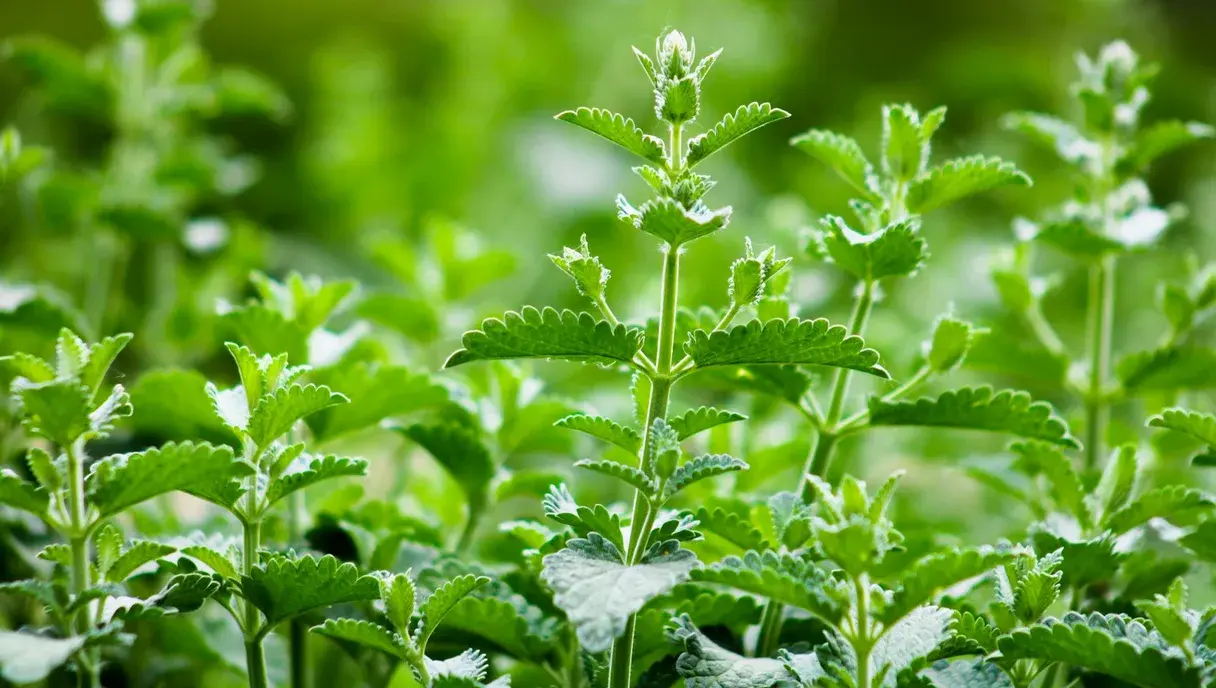
Stevia is a natural sweetener made from the leaves of the Stevia rebaudiana plant. It is native to South America and now used worldwide. The leaves contain sweet compounds called steviol glycosides, which are hundreds of times sweeter than sugar. So only a tiny amount is needed. Because the body does not break these compounds down for energy, stevia delivers sweetness with effectively zero calories and no impact on blood glucose.
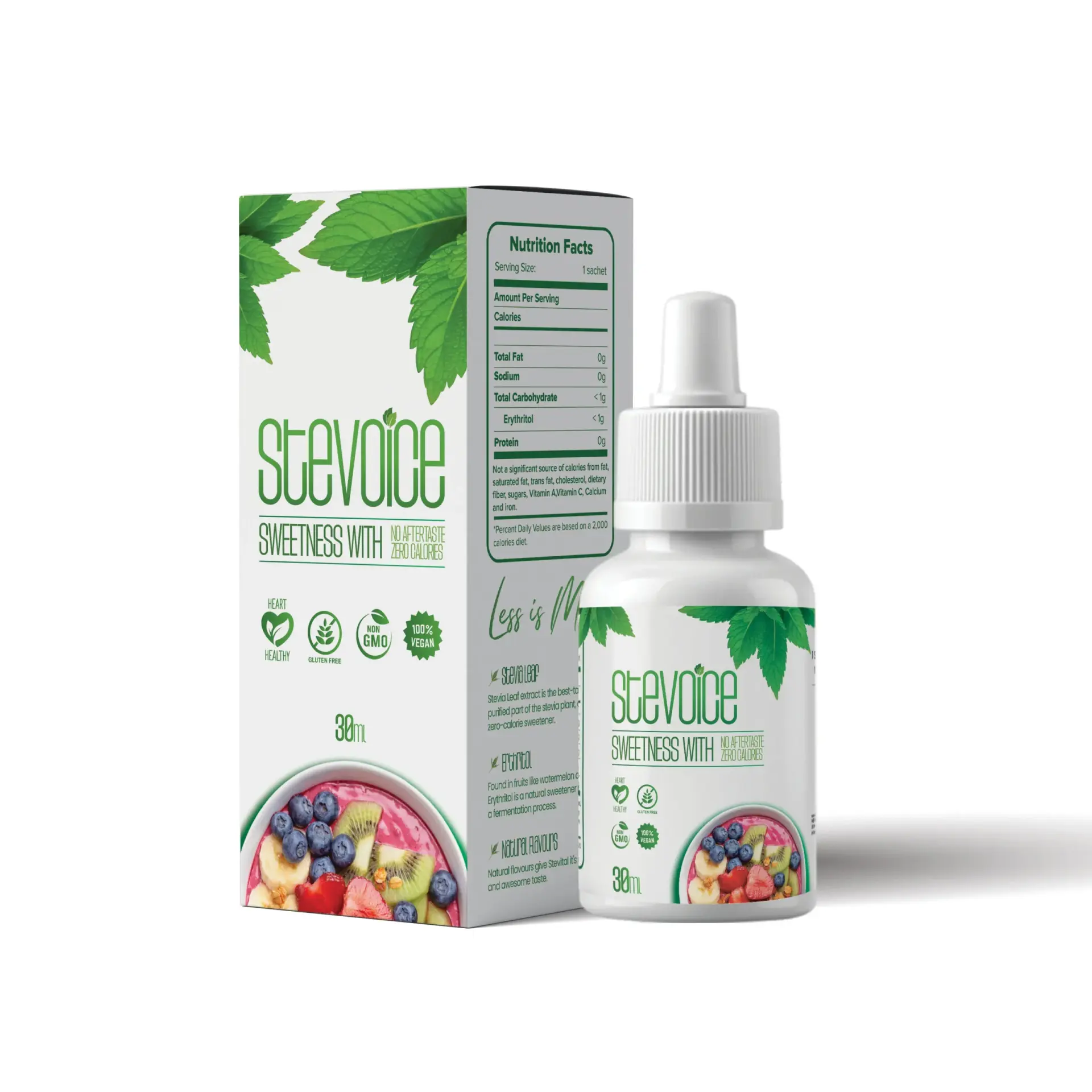
This is what sets it apart from sugar. It is plant-based, it is a zero-calorie sweetener, and it has been assessed as safe by major food safety authorities around the world. In Pakistan you can buy it ready to use as Stevoice Stevia Zero-Calorie Sweetener (Rs 1,750), a convenient everyday option for tea, coffee and cooking.
The benefits of stevia
The appeal of stevia comes down to a handful of real, practical advantages.
- No blood sugar spike. Stevia for diabetics is popular precisely because it does not raise blood glucose. You can enjoy sweetness without the sugar surge.
- Zero calories. Unlike sugar, stevia adds virtually no calories. That makes it a useful tool for weight control and calorie reduction.
- Tooth-friendly. Bacteria in the mouth feed on sugar to cause decay. Stevia does not feed them in the same way, so it is gentler on your teeth.
- Helps with weight management. Swapping sugar for stevia in tea, drinks and recipes can meaningfully cut daily calorie intake when done consistently.
- A natural sweetener. Some people prefer a plant-derived option over fully synthetic sweeteners. Stevia ticks that box.
As with any single change, stevia is a helpful tool rather than a magic fix. It works best as part of an overall lower-sugar, balanced diet.
How to use stevia: tea, cooking and baking
Stevia is far sweeter than sugar. So the golden rule is to use much less than you think, then adjust to taste. A little goes a long way.
- In tea and coffee. Start with a very small amount, a fraction of what you would use in sugar. Then taste and add more if needed. This is the easiest swap for the average Pakistani chai drinker.
- In cooking. Stevia works well in custards, kheer, yoghurt, lassi, lemonade and sauces. Add it towards the end and taste as you go.
- In baking. Baking is trickier, because sugar also adds bulk, moisture and browning. Many people use a blend, replacing part of the sugar with stevia rather than all of it. Others choose a stevia product formulated for baking. Follow the conversion guidance on your specific product, since concentrations vary widely.
The key is to follow the ratio on your chosen product. A teaspoon of one stevia blend is not the same sweetness as a teaspoon of another.
Taste notes and tips
Stevia is intensely sweet. In larger amounts, some people notice a slight liquorice-like or bitter aftertaste. A few tips help:
- Use the smallest amount that tastes right. Over-sweetening is the main cause of aftertaste.
- Give your palate time to adjust. Many people find the taste grows on them within a couple of weeks.
- Pair it with naturally flavourful drinks like cardamom tea or lemon water, where the aftertaste is less noticeable.
Is stevia safe?
Stevia is generally well tolerated. It has been reviewed and approved as safe by leading food safety authorities. For most people, including those with diabetes, it is a sensible everyday choice within normal use. A few sensible caveats apply:
- Some stevia products are blended with sugar alcohols. These can cause mild bloating or digestive upset in some people, so check the ingredients if you have a sensitive stomach.
- If you are pregnant, breastfeeding, or managing diabetes with medication, it is wise to ask your doctor before making big changes to your diet.
- Stevia helps you cut sugar, but it is not a treatment for diabetes. Keep following your doctor's advice on medication, monitoring and lifestyle.
The Cleveland Clinic overview of stevia and the Mayo Clinic guide to sugar substitutes and artificial sweeteners are balanced, reliable reads on safety and use.
Stevia vs sugar vs artificial sweeteners
Where does stevia sit between ordinary sugar and synthetic sweeteners? This comparison sums it up.
| Feature | Sugar | Stevia | Artificial sweeteners |
|---|---|---|---|
| Source | Sugarcane or beet | Natural, from a plant | Synthetic (lab-made) |
| Calories | High | Zero | Zero or near-zero |
| Effect on blood sugar | Raises it | No spike | Little to none |
| Tooth-friendly | No | Yes | Yes |
| Taste | Familiar, clean | Very sweet, possible aftertaste | Varies, some aftertaste |
The World Health Organization advises reducing free sugar intake for better health. Its guidance notes that non-sugar sweeteners are best used as part of an overall shift towards less sweetness, rather than as a long-term substitute for a healthy diet. You can read more in the WHO guidance on sugars and non-sugar sweeteners.
Stevia as part of a lower-sugar lifestyle
Stevia is most powerful when it is one piece of a wider habit shift. Pair it with smaller portions, more whole foods, and fewer sugary drinks.
If gut comfort is part of your goal, our guide on how to reduce bloating and improve gut health pairs well with a lower-sugar diet. People exploring natural ways to support metabolism also often read our piece on apple cider vinegar benefits in Pakistan. To round out your daily nutrition, see our roundup of the best multivitamin in Pakistan. For quick answers to common queries, read our supplement FAQs most asked in Pakistan.
Read next: HbA1c Test Price in Pakistan and Ozempic Price in Pakistan.
This article was written and medically reviewed to our medical review board standards and is for general guidance, not personal medical advice. Always speak to a doctor or pharmacist about your own situation.
Shop Stevoice Stevia Zero-Calorie Sweetener →Frequently asked questions
Is stevia safe for diabetics?
Yes, stevia is widely used by people with diabetes. It does not raise blood glucose and has zero calories. It can help reduce sugar intake, but it is not a treatment for diabetes. So keep following your doctor's plan for medication and monitoring.
Does stevia really have zero calories?
Stevia provides sweetness with effectively no calories, because the body does not metabolise its sweet compounds for energy. This is what makes it useful for both weight control and blood sugar management, compared with ordinary sugar.
Why does stevia sometimes taste bitter?
Stevia is hundreds of times sweeter than sugar. Using too much can bring out a liquorice-like or slightly bitter aftertaste. Using the smallest effective amount usually solves this, and many people find their palate adjusts within a couple of weeks.
Can I bake with stevia?
You can, but baking is trickier than sweetening drinks, because sugar also adds bulk, moisture and browning. Many people replace only part of the sugar with stevia, or use a stevia product designed for baking. Always follow the conversion ratio on your specific product.
Is stevia better than artificial sweeteners?
Both can help cut calories and sugar. Stevia appeals to people who prefer a natural, plant-derived option, while artificial sweeteners are lab-made. All of them work best as part of an overall move towards less sweetness, rather than as a free pass for a high-sugar diet.
How much stevia can I use safely each day?
For most people, normal everyday use of stevia is considered safe by major food safety authorities. Use it to taste, and keep amounts modest. If you are pregnant, breastfeeding or managing a health condition, check with your doctor before making large dietary changes.
Will switching to stevia help me lose weight?
Swapping sugar for stevia can cut a meaningful number of daily calories. This supports weight control when combined with an overall balanced diet and active lifestyle. On its own it is a helpful tool, not a guaranteed weight-loss solution.
Liked this one? Get the next in your inbox.
One fortnightly note from the editors, new pieces, restocks, and the routines we're actually using. Unsubscribe any time.