Supplement FAQs: Most Asked Questions in Pakistan Answered
Clear answers to the supplement questions Pakistanis ask most, from timing and taking them with food to combining products safely.
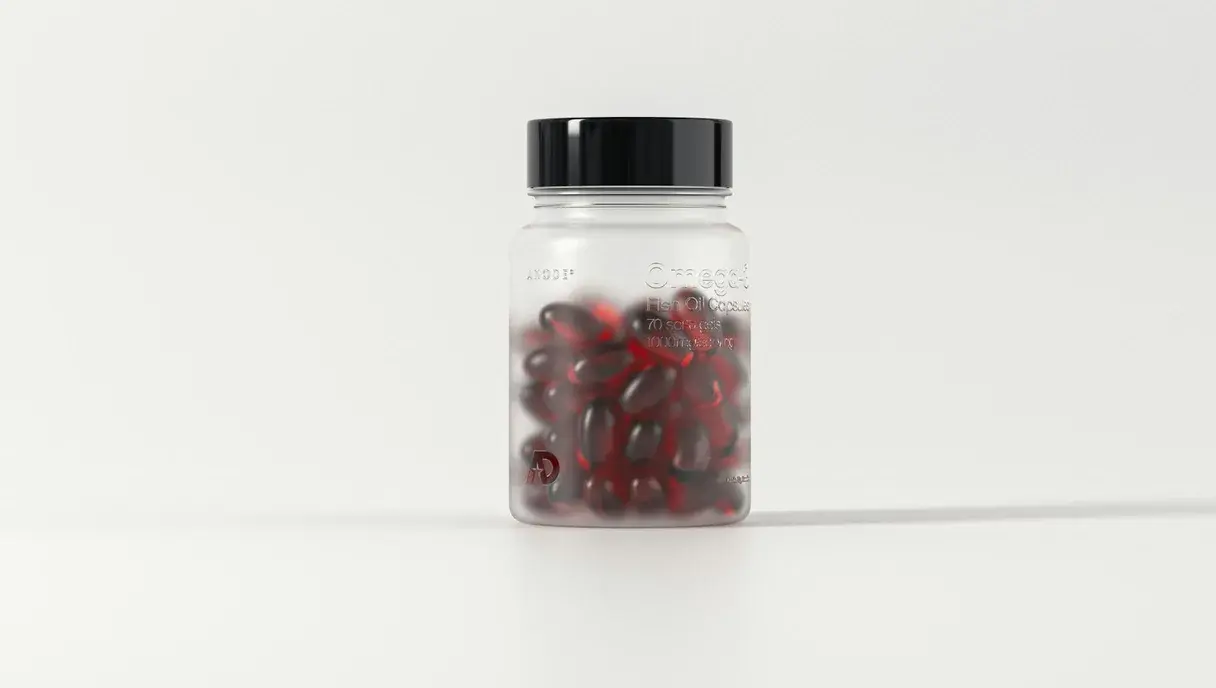
Did you know that most adults in Pakistan are short on Vitamin D, even though we get plenty of sun? Studies across South Asia suggest the majority of people are deficient. That single fact is why so many supplement questions Pakistan searches start with the basics.
Is it safe to take two supplements together? Vitamins with food or without? Are imported brands really better? These come up every week, and honest answers are hard to find. Most health sites give vague generic advice or ignore Pakistan's context entirely.
So here are proper answers to the questions Pakistanis ask most. No fluff. Just how supplements actually work for our diets, lifestyles, and health conditions.
General Supplement Questions
Do I actually need supplements if I eat a balanced diet?
In theory, a perfect diet would cover all your needs. But here is the catch. Most Pakistanis do not eat a perfectly balanced diet. Studies suggest a majority of the population is Vitamin D deficient, despite all our sunlight. Vitamin B12 deficiency is very common, especially in people who eat little meat or dairy. Iron-deficiency anaemia affects a large share of women and children.
Beyond plain deficiencies, there are therapeutic needs too. Someone with PCOS needs nutrients like myo-inositol and folate at doses you cannot get from food. A man with fertility concerns needs targeted antioxidants at clinical doses. These are real gaps that supplements genuinely fill.
So no, you do not automatically need supplements just to get by. But most people do benefit from a few targeted ones, based on their own health needs.
How do I know which supplements are right for me?
Start with a blood test. A basic panel covering Vitamin D, B12, CBC (complete blood count), ferritin (iron stores), and thyroid function costs around PKR 2,000 to 5,000 at most labs. It tells you what you are actually short on, instead of guessing.
Next, match your symptoms to likely deficiencies. Fatigue and brain fog point to B12, iron, or Vitamin D. Hair fall often links to biotin, zinc, or iron. Joint pain often involves Vitamin D and calcium. PCOS symptoms respond well to myo-inositol. Dull or uneven skin often improves with glutathione and Vitamin C.
If you have a chronic condition or take medication, talk to your doctor before starting anything new. Some combinations need medical guidance.
Are supplements safe to take long-term?
Most vitamins and minerals are safe long-term at the right doses. Vitamin D, B12, magnesium, zinc, folate, and most herbal supplements have excellent safety records at recommended amounts. The key phrase is "recommended doses".
Fat-soluble vitamins (A, D, E, K) can build up in the body, so avoid mega-doses without monitoring. Water-soluble vitamins (B-complex, Vitamin C) are generally safer, since the excess leaves in your urine. Some supplements interact with medicines (such as Vitamin K and blood thinners), so always tell your doctor what you take.
The general rule is simple. Therapeutic courses of targeted supplements usually run 3 to 6 months, then you reassess. Basic maintenance supplements like Vitamin D, B12, and magnesium are fine indefinitely for most healthy adults.
Dosage and Timing Questions
Should I take supplements with food or on an empty stomach?
It depends on the supplement.
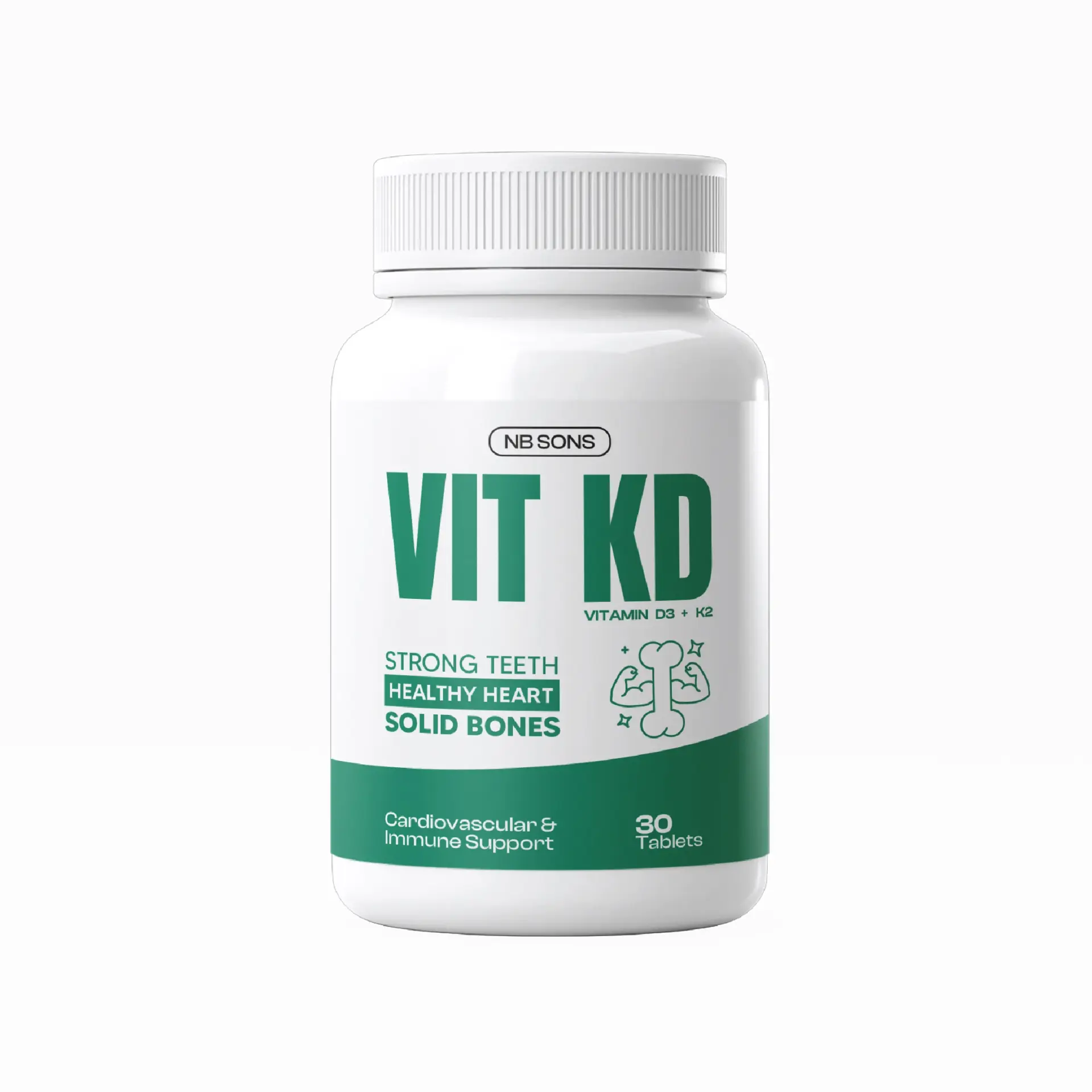
- Fat-soluble vitamins (A, D, E, K): always take with food that has some fat. Vitamin D absorption rises sharply with a meal. Vit KD (D3 10,000 IU + K2) should go with your main meal.
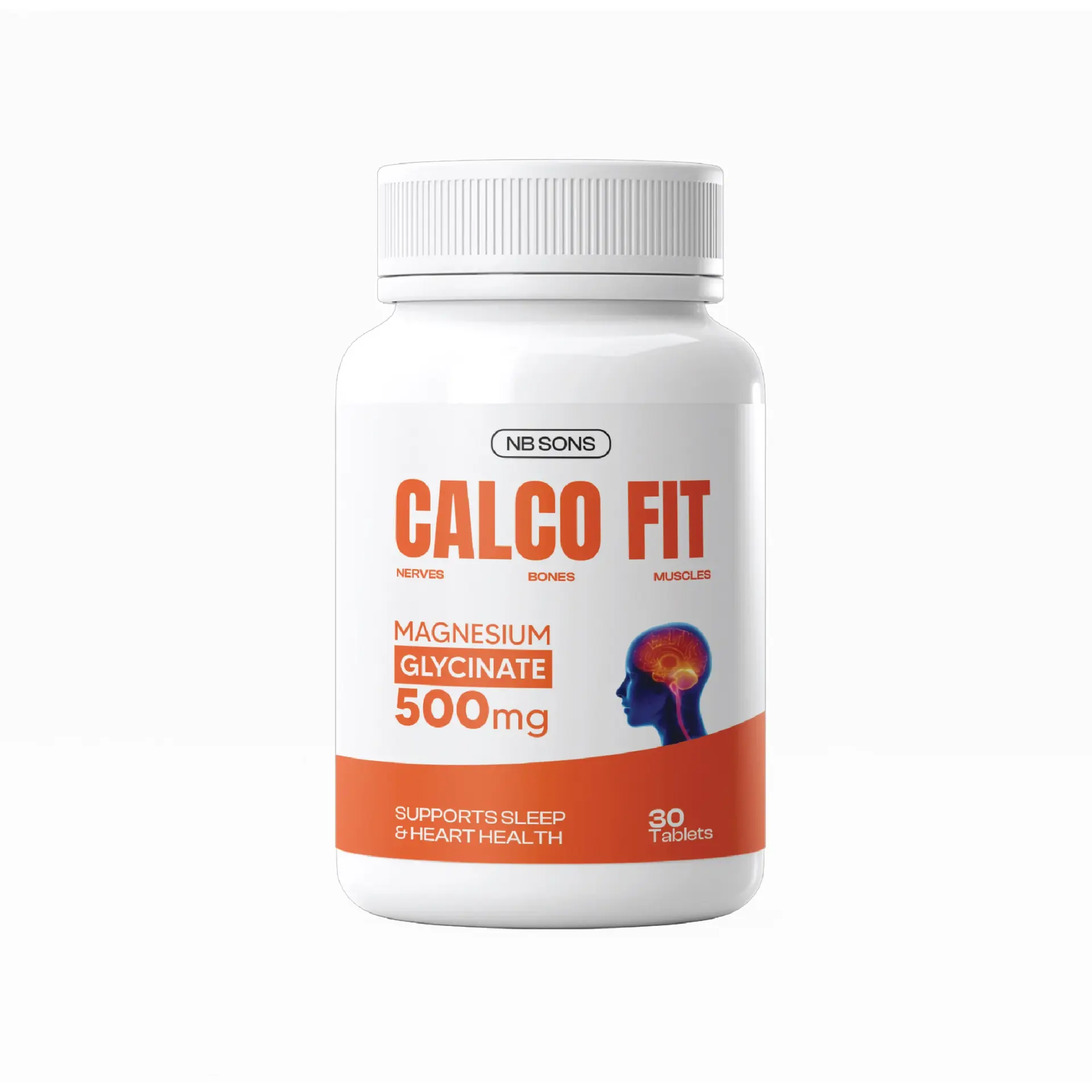
- Magnesium: best with food to ease any digestive discomfort. Evening with dinner works well, and it may support sleep too. Calco Fit (magnesium glycinate) is gentle, but still better with food.
- Iron: actually absorbs better on an empty stomach, but it makes many people nauseous. Taking it with a little food is a fair compromise. Pair it with Vitamin C to boost absorption.
- B vitamins and Vitamin C: can go any time, but morning is practical, since B vitamins support energy and can feel mildly stimulating.
- Probiotics: generally best 30 minutes before a meal, or with a cool drink, not hot food.
- Myo-inositol (M-Sol): can go with or without food. Many women split the dose, morning and evening, for steady blood levels.
Can I take multiple supplements at the same time?
Usually yes. But a few combinations interact badly or compete for absorption.
Avoid taking these together:
- Calcium and iron: they compete for absorption. Take them at different times of day.
- High-dose zinc and copper: lots of zinc over time can deplete copper. For long-term zinc, use zinc-copper balanced formulas.
- Several fat-soluble vitamins in very high doses: space out mega-doses of A, D, E, and K.
These combinations work well together:
- Vitamin D3 + K2: K2 directs calcium to bones rather than arteries. Vit KD combines these neatly.
- Vitamin C + iron: Vitamin C greatly improves the absorption of plant iron.
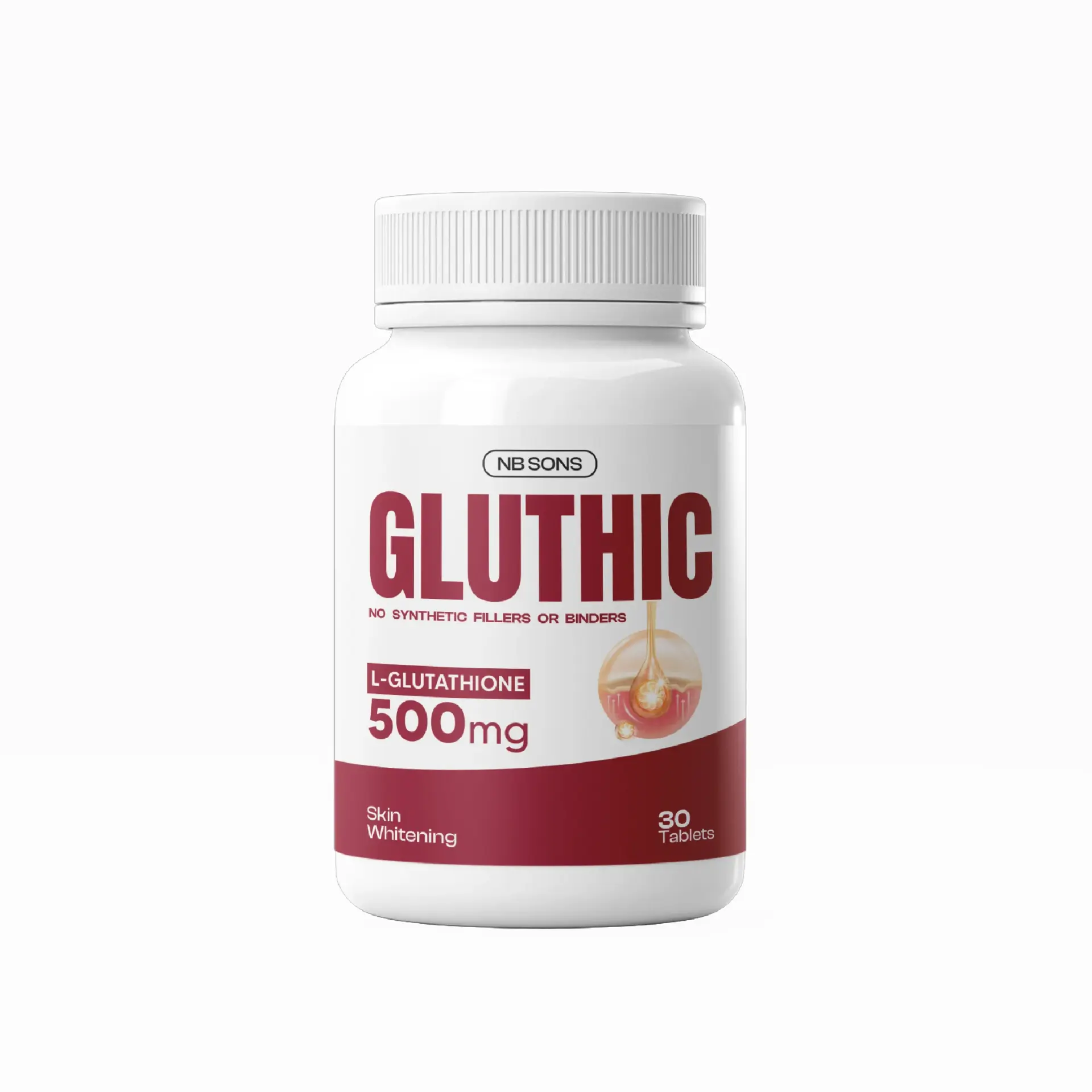
- Vitamin C + glutathione: Vitamin C helps regenerate glutathione and extends its effect. This is why Gluthic pairs well with Cee or Asco C.
- Magnesium + Vitamin D: magnesium is needed for Vitamin D to work. Low magnesium limits how well Vitamin D performs.
What happens if I miss a dose?
For most supplements, missing a day is not a crisis. Nutrients build up over days and weeks, so one missed dose will not undo a month of steady use. Just carry on with your next scheduled dose. Do not double up to make up for it.
Consistency over weeks and months matters far more than any single day. A supplement taken 5 to 6 days a week for 3 months does more than one taken perfectly for 2 weeks then forgotten.
Product Quality Questions
Are local Pakistani supplements as good as imported ones?
In many cases yes, and sometimes better for Pakistani conditions. Here is why.
First, quality local supplements from registered pharmaceutical companies go through DRAP (Drug Regulatory Authority of Pakistan) registration. That covers manufacturing standards, quality control, and ingredient checks. A DRAP-registered product is not just random powder in a capsule.
Second, formulation matters more than country of origin. A local supplement with the correct clinical dose, like M-Sol with properly dosed myo-inositol, beats an imported one with a trendy label but weak dosing.
Third, imported supplements can suffer supply chain issues. Products stuck in customs or stored in heat lose potency. A fresh local supplement beats a degraded imported one every time.
That said, some specialised supplements are not yet made locally at clinical quality. In those cases, imported options from reputable brands are fine.
How do I know if a supplement is genuine vs fake?
Counterfeiting is a real problem in Pakistan's supplement market. Here is how to protect yourself.
- Check DRAP registration: legitimate supplements carry a registration number on the pack. You can verify it on the DRAP website.
- Buy from authorised sellers: the brand's website, their authorised distributors, or reputable online stores. Avoid random sellers with no track record.
- Inspect the packaging: genuine products have consistent print, proper seals, batch numbers, and expiry dates. Vague or poorly printed labels are a red flag.
- Compare prices: if a supplement sells 30 to 40 percent below market price, something is wrong. Genuine discounts are usually 10 to 15 percent at most.
- Check the seal: every genuine supplement should be tamper-evident. If the seal is broken or missing, return it.
What does "clinically dosed" actually mean?
A supplement is "clinically dosed" when it contains the exact amount of each active ingredient used in the studies that showed benefits. For example, research on myo-inositol for PCOS usually uses 2,000 to 4,000 mg a day. A product that claims myo-inositol benefits but holds only 200 mg is not clinically dosed. It is just marketing.
This is one of the most important things to check. Many cheap supplements "contain" impressive ingredients, but at doses too low to do anything measurable. Always read the supplement facts panel, compare doses to the research, or ask a pharmacist.
Specific Condition Questions
Which supplements help with PCOS in Pakistan?
PCOS is the most common hormonal disorder in Pakistani women of reproductive age. The most evidence-backed supplements for it are below.
- Myo-inositol: improves insulin sensitivity and ovarian function. M-Sol Sachet and Simfolic provide it at therapeutic doses.
- Folate/Folic acid: essential for women trying to conceive. Often combined with myo-inositol.
- Vitamin D: a shortage worsens PCOS symptoms. Most PCOS patients benefit from supplementation.
- Omega-3: reduces inflammation and androgen levels.
- Magnesium: supports insulin sensitivity and eases the anxiety common in PCOS.
Work with a gynaecologist or endocrinologist for a full PCOS plan that combines supplements with diet and lifestyle changes.
What supplements help with male fertility?
Male fertility issues affect a significant share of couples trying to conceive. The evidence-backed supplements include the following.
- L-arginine: improves blood flow and sperm motility. Argivital Sachet is made specifically for male fertility support.
- Zinc: essential for testosterone production and sperm health. A shortage directly harms male fertility.
- CoQ10: improves sperm motility and shields sperm from oxidative damage.
- Vitamin D: low levels strongly correlate with poor sperm quality.
- Antioxidants (Vitamin C, E, selenium): protect sperm DNA from oxidative stress.
Products like X-Fit and Trimo-M combine several male fertility and vitality ingredients in one formula. Sperm take about 3 months to form, so give these at least 3 months to show results.
Can supplements help with joint and bone health?
Yes, significantly. The evidence is especially strong for these.
- Glucosamine + Chondroitin: help maintain cartilage. ArtiBro combines these with other joint-supporting ingredients.
- Vitamin D3 + K2: vital for calcium absorption and for sending it to bones, not arteries. Vit KD handles this directly.
- Magnesium glycinate: supports bone density and muscle function. Calco Fit uses the highly absorbable glycinate form.
- Calcium lactate gluconate: a gentle, easily absorbed calcium without the digestive trouble of calcium carbonate. Calosent uses this form.
- Collagen: gives structural support to joints and connective tissue.
If you already have joint pain, anti-inflammatory options like omega-3 and turmeric work best alongside structural support such as glucosamine and collagen.
What's the best supplement for skin brightening in Pakistan?
Skin brightening from within works through a few routes. It reduces melanin production, protects skin from oxidative damage, and supports skin cell renewal.
- Glutathione: the gold standard for brightening from within. It blocks melanin production at the enzyme level. Gluthic delivers reduced glutathione in a form that survives digestion.
- Vitamin C: blocks melanin on its own and regenerates glutathione. Cee 500mg or the effervescent Asco C work well alongside Gluthic.
- Collagen: supports skin firmness and softens the look of pigmentation over time.
A realistic expectation. Brightening supplements work, but they take 8 to 12 weeks of steady use to show clear results. Anyone promising change in 1 to 2 weeks is overselling.
Buying and Storage Questions
Where is the safest place to buy supplements in Pakistan?
The safest options, in order, are below.
- Direct from the brand website: for Yellow Pink products, yellowpink.pk is the most reliable source. You buy straight from the importer and distributor, which guarantees authenticity.
- Established pharmacies: large chains or well-known local pharmacies with verified supply chains.
- Reputable online stores: only sellers with clear return policies, visible business details, and genuine reviews.
Avoid random marketplace sellers with no track record, suspiciously cheap prices, products with no DRAP details, and anything promising dramatic results in unrealistically short timeframes.
How should I store supplements?
Pakistan's climate makes storage especially important. Heat and humidity degrade supplements faster than in cooler countries.
- Store at room temperature, away from direct sunlight. Use a drawer or cabinet, not a bathroom shelf (too humid) or kitchen counter (too warm).
- Keep the original packaging. Supplement bottles are made to protect the contents from light and moisture.
- Do not refrigerate unless told to. Condensation from temperature swings can damage capsules and tablets.
- In Karachi and other humid coastal areas, check expiry dates carefully and avoid bulk quantities you cannot finish in time.
- Sachet supplements like M-Sol are well protected against humidity compared with open bottles.
Can I take supplements during Ramadan?
Yes, you can take supplements during Ramadan. You just adjust the timing. The most practical approach is below.
- Sehri (pre-dawn meal): take fat-soluble vitamins (D, K, A, E), magnesium, and anything that benefits from food. This is your main chance with a proper meal.
- Iftar (breaking the fast): a good time for water-soluble supplements and Vitamin C, taken with dates and water.
- After the Iftar meal: best for iron and anything that needs a fuller meal to absorb properly.
Fasting can actually improve the absorption of many nutrients, since the gut is more receptive after a fast. You may find supplements more effective during Ramadan than usual. After Ramadan, many people feel depleted from altered eating, so it is a good time to reassess your needs.
The Bottom Line
The most important thing about supplements is not the brand or the price. It is whether you actually need them, whether the dose is right, and whether you are consistent enough for them to work. Most Pakistanis who feel "supplements do not work" simply tried the wrong product, at the wrong dose, without enough time.
Start with a blood test to find real deficiencies. Then choose quality, clinically-dosed supplements from registered manufacturers. Take them consistently at the right time relative to food. Give it 8 to 12 weeks for most conditions to show real results.
If you have questions about Yellow Pink products, or which supplements suit your particular concern, browse the full product range or contact us directly.
This article was written and medically reviewed to our medical review board standards and is for general guidance, not personal medical advice. Always speak to a doctor or pharmacist about your own situation.
Shop All Supplements →Frequently asked questions
Can children take adult supplements?
No, not without medical guidance. Children need different doses based on age and weight. Adult doses of Vitamin D, zinc, and iron can be too high for them and cause toxicity. Use children's formulations, or ask a paediatrician for the right dose.
Do supplements expire?
Yes. Supplements past their expiry may be weaker as the actives degrade, but they are not usually dangerous. Even so, always use within the date for guaranteed effect. Store them properly to get the most shelf life.
Is it okay to take supplements while pregnant?
Some are essential, some are fine, and some should be avoided in pregnancy. Folic acid and prenatal vitamins are critical. High-dose Vitamin A (retinol form) should be avoided. Always discuss it with your gynaecologist before starting or continuing any supplement during pregnancy.
Why do some supplements make urine bright yellow?
That is riboflavin (Vitamin B2). It is water-soluble, so the excess leaves through your urine and turns it bright yellow. It is harmless, and it actually shows your body is processing the B vitamins. If you take a B-complex, expect neon yellow urine. It is normal.
Can supplements replace a healthy diet?
No. Supplements add to a diet, they do not replace it. Whole foods contain fibre, phytochemicals, and co-factors that work together in ways supplements cannot fully copy. Think of supplements as insurance and targeted therapy, not a substitute for real food.
Liked this one? Get the next in your inbox.
One fortnightly note from the editors, new pieces, restocks, and the routines we're actually using. Unsubscribe any time.