Probiotics in Pakistan: What They Do and Who Actually Needs Them
Probiotics are everywhere on social media, but most advice skips the two questions that matter: do they work, and do you even need a supplement when dahi is already in your fridge? A practical guide for Pakistani homes.
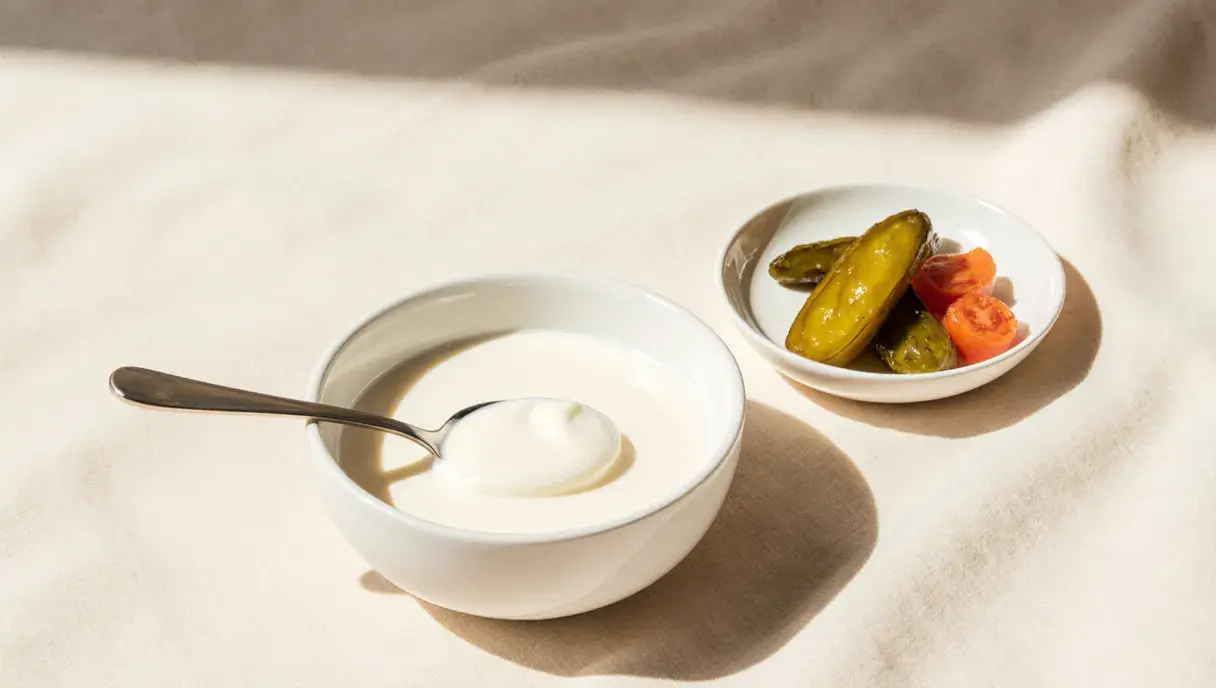
Did you know? The average Pakistani kitchen has served probiotics daily for generations, long before the word existed. Dahi, lassi and homemade achar all carry live cultures. So before you order an imported capsule, it is worth knowing what probiotics actually do, where the evidence is solid, and when a supplement genuinely earns its place.
What probiotics are
Probiotics are live bacteria and yeasts that, taken in adequate amounts, support the community of microbes living in your gut. That community, the gut microbiome, helps digest food, trains your immune system and keeps troublemaking bacteria in check.
Two terms get mixed up constantly. Probiotics are the live microbes themselves. Prebiotics are the fibre those microbes eat. Both matter, and the fibre half is usually the one missing from Pakistani diets.
What the evidence actually supports
- Diarrhea after antibiotics. The strongest use case. Taking probiotics alongside an antibiotic course reduces the chance of antibiotic-associated diarrhea.
- Recovery after stomach bugs. Certain strains modestly shorten infectious diarrhea, useful in a country where seasonal stomach infections are routine. Rehydration still comes first, our ORS guide covers that.
- IBS-type symptoms. Some people with bloating and irregular bowels notice real improvement on specific strains. Response varies person to person.
- General immunity and mood claims. Early research, big marketing. Treat these claims as maybes, not promises.
A probiotic will not detox you, melt weight or replace a bad diet. Anyone promising that is selling, not informing.
The probiotic foods already in your kitchen
| Food | What to know |
|---|---|
| Dahi (yogurt) | The everyday workhorse. Look for fresh dahi with live cultures; homemade counts. |
| Lassi | Same cultures as dahi. Keep it unsweetened or lightly sweetened, sugar works against you. |
| Homemade achar | Traditionally fermented achar carries live microbes, though commercial vinegar-based jars usually do not. Watch the salt if you have blood pressure. |
| Kefir | A fermented milk drink with a wider range of strains, increasingly available in Pakistani cities. |
A bowl of fresh dahi with lunch, most days, quietly does what many people buy capsules for.
Feed the bacteria: the fibre half
Probiotics settle in better when they have something to eat. That means fibre: sabzi, fruit with skin, daal, whole atta, oats. Most Pakistani adults fall well short, which shows up as constipation and bloating.
If your plate stays low-fibre despite best intentions, a psyllium-based supplement like Fybosim is a simple, well-tolerated bridge, our fibre supplement guide explains how to start slowly. Pair it with the habits in our bloating guide and constipation guide.
Who benefits from a probiotic supplement
- Anyone starting a course of antibiotics, take the probiotic a few hours apart from the antibiotic dose.
- People with recurring IBS-type bloating who have already fixed fibre, water and sleep.
- Frequent travellers or anyone recovering from repeated stomach infections.
Who should be careful: people with seriously weakened immune systems, those on chemotherapy, and the very ill, live bacteria are not risk-free in those situations. Ask your doctor first. Healthy adults tolerate probiotics very well; the worst most people notice is mild gas in the first week.
How to choose a probiotic in Pakistan
- Named strains, like Lactobacillus rhamnosus GG or Saccharomyces boulardii, not just "probiotic blend".
- A stated CFU count, usually 1 to 10 billion per dose for general use.
- Heat handling. In our climate this is the silent killer of live capsules. Prefer shelf-stable products or ones kept refrigerated at the pharmacy, and store them cool and dry at home.
- A real expiry date. CFU counts decay over time; a near-expiry bottle delivers far less than the label.
Honest note: we do not currently stock a probiotic capsule at Yellow Pink. For most healthy people, daily dahi plus enough fibre covers the same ground for a fraction of the price. When we add one that meets the storage and strain standards above, it will appear in our Digestive & Gut range.
The bottom line
Feed your gut before you supplement it. Daily dahi, more fibre and enough water cover most people. Save capsules for antibiotic courses and stubborn IBS-type symptoms, and buy them somewhere that stores them properly.
Everything for everyday digestion, from fibre to rehydration, lives in our Digestive & Gut range.
Shop Digestive & Gut →Frequently asked questions
Is dahi as good as a probiotic capsule?
For everyday gut maintenance, fresh dahi with live cultures does the same core job. Capsules earn their keep for specific situations, like antibiotic courses, where dose and strain matter.
When should I take probiotics with antibiotics?
Start on day one of the antibiotic course, keep a few hours between the two doses, and continue for a week or two after the course ends.
How long until probiotics work?
For diarrhea prevention, they work during the course itself. For bloating and IBS-type symptoms, give a specific product four weeks before judging it.
Can probiotics cause side effects?
Mild gas or bloating in the first days is common and settles. Serious problems are rare and mostly limited to people with weakened immune systems.
Do probiotics help with weight loss?
No product on the market reliably does. Fibre, protein and portion habits move weight; see our weight loss guide.
Is achar really a probiotic food?
Only traditionally fermented achar, the kind made in brine over days. Commercial jars preserved in vinegar and oil usually carry no live cultures.
Liked this one? Get the next in your inbox.
One fortnightly note from the editors, new pieces, restocks, and the routines we're actually using. Unsubscribe any time.