How to Gain Weight Healthily in Pakistan: Diet & Supplements That Work (2026)
How to gain weight healthily in Pakistan: a steady calorie surplus, high-calorie desi foods, appetite support, protein and training, and when to see a doctor.
Did you know that for every person trying to slim down, someone else is quietly fighting the opposite battle? They want to know how to gain weight without living on junk food. If you are naturally thin or simply cannot seem to eat enough, healthy weight gain can feel just as hard as fat loss.
The good news is that it is entirely achievable with the right approach. This guide explains how to gain weight the healthy way in Pakistan. It covers a sensible calorie surplus, familiar desi foods, appetite support, and the supplements that genuinely help, without piling on junk that harms your heart.
Shop the picks in this guide (4)
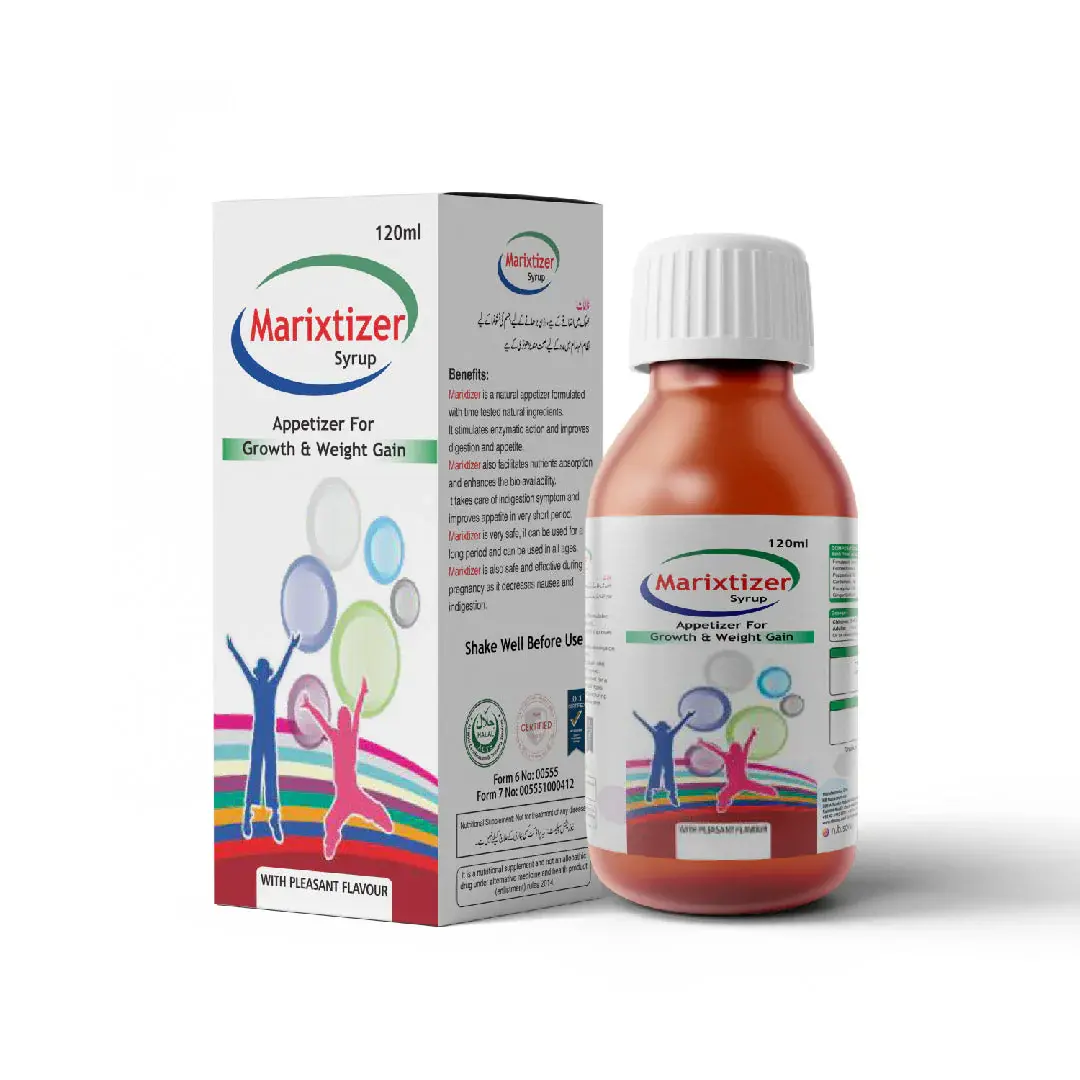
- Marixtizer Natural Appetite Syrup, Rs 250, for when a small appetite is the real barrier
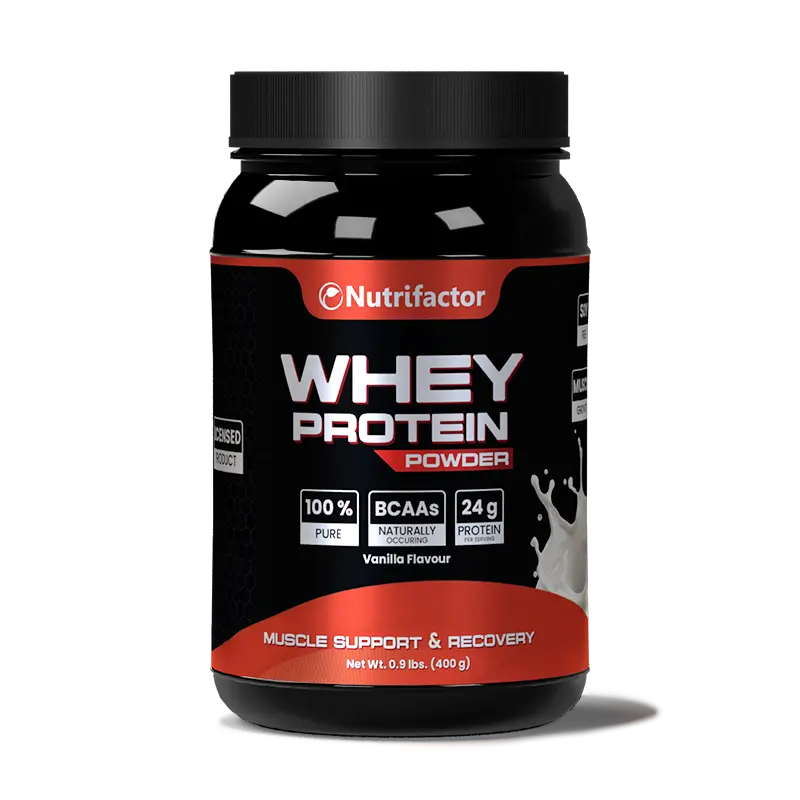
- Nutrifactor Whey Protein 400g, Rs 7,500, easy protein and calories on training days
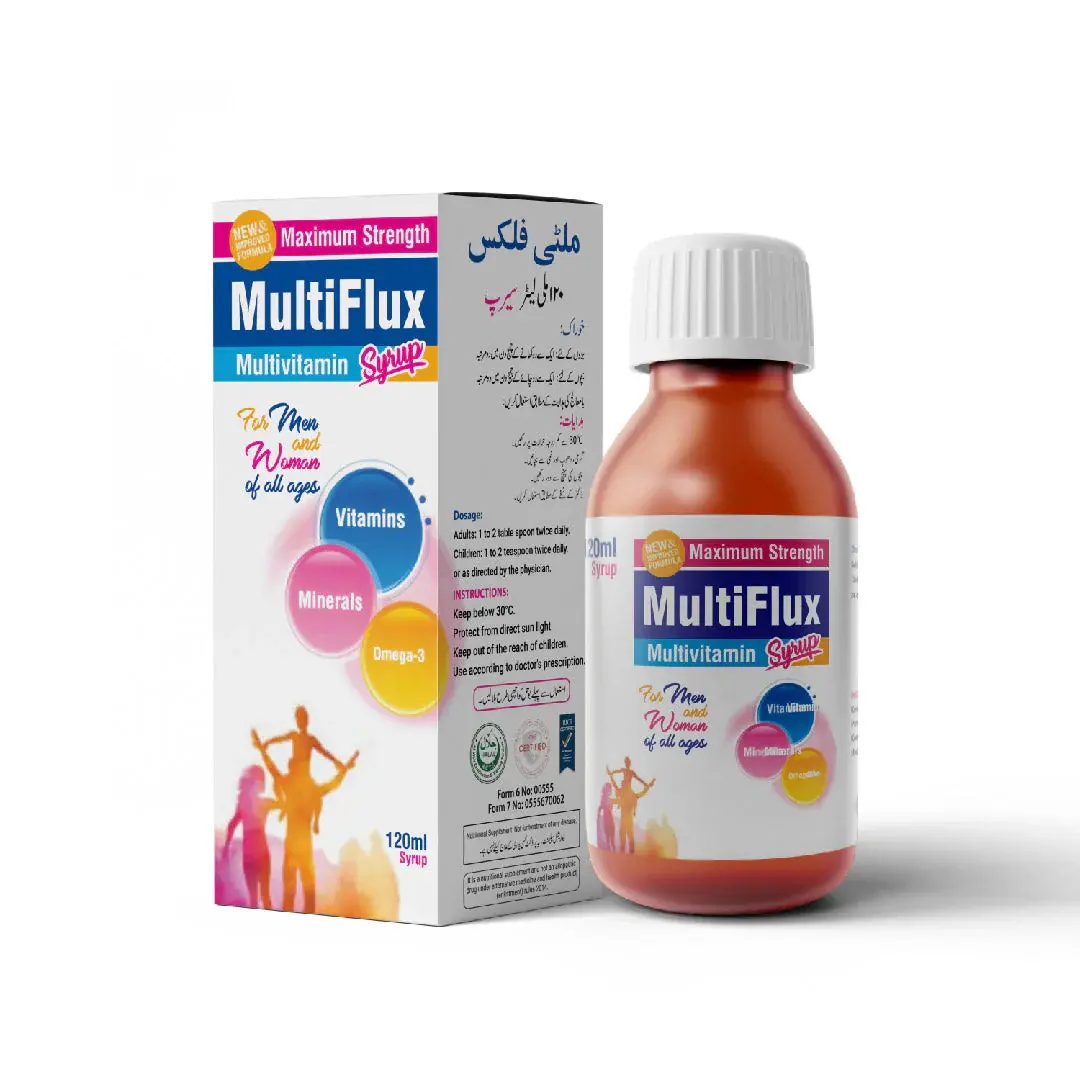
- Multiflux Multivitamin, Rs 530, affordable daily cover while you rebuild
- Nutrifactor Soy Protein Isolate, Rs 7,600, the dairy-free option if milk upsets your stomach
Why some people are underweight
Being underweight is not always about willpower or eating habits. Several factors can keep your weight stubbornly low.
- Genetics and a fast metabolism: some people are naturally lean and burn calories quickly. They need to eat noticeably more than average just to maintain weight.
- Poor or small appetite: if you feel full quickly or rarely feel hungry, hitting a calorie surplus is genuinely difficult.
- Stress and low mood: anxiety and depression commonly blunt appetite and can cause weight loss.
- Illness or medical conditions: an overactive thyroid, undiagnosed diabetes, digestive disorders that cause malabsorption, and chronic infections can all drive weight down.
- High activity with low intake: very active people, such as manual workers and keen gym-goers, sometimes do not eat enough to match what they burn.
Have you lost weight without trying, or cannot gain despite eating well? That points towards a medical cause worth checking, which we cover later.
Healthy versus unhealthy weight gain
The most important idea in this guide is simple. Not all weight gain is equal. Stuffing yourself with samosas, soft drinks, sweets and fried street food will add weight. But it adds mostly unhealthy fat around your organs, while pushing up your blood sugar and cholesterol.
That is unhealthy weight gain. It trades one problem for several worse ones.
Healthy weight gain means adding mostly lean muscle and a sensible amount of fat. You do this by eating more nutrient-dense, whole foods and training your body to use those calories. You feel stronger, your blood markers stay good, and you add the kind of weight you actually want. The aim is more nourishing food and more muscle, not more junk.
The calorie surplus, done right
To gain weight, you must eat more energy than you burn. This is a calorie surplus, and there is no way around it. The art is doing it gradually.
A modest surplus of roughly 300 to 500 extra calories a day tends to add weight steadily, as mostly useful tissue. Aim for a gentle gain of around half a kilogram per week. Trying to gain much faster usually just adds fat and can upset digestion.
For naturally thin people, the real hurdle is not the maths. It is the fullness. A few tricks work well. Eat more often, and choose calorie-dense foods that pack energy into a smaller volume. Drink your calories through milk and smoothies, rather than filling up on water before meals. Never skip meals. Five or six smaller meals are often easier than three large ones.
High-calorie Pakistani foods that build you up
You do not need imported foods to gain weight. The Pakistani kitchen is full of nutrient-dense, calorie-rich options. Use these generously but sensibly.
- Desi ghee, in moderation: a teaspoon or two added to daal, roti or rice adds healthy calories. Moderation matters, because it is calorie-dense, not unlimited.
- Dry fruits and nuts: almonds, walnuts, pistachios, cashews and dates are calorie-packed and full of healthy fats. They are easy to snack on through the day.
- Banana: cheap, filling and energy-dense. It is excellent in a milk smoothie.
- Full-fat dairy: whole milk, full-cream yoghurt (dahi), paneer and lassi add protein and calories together.
- Eggs: an affordable, complete protein. Two to three a day suits most people aiming to build muscle.
- Daal and beans: protein and complex carbohydrates in one. They are a staple that is easy to eat more of.
- Paratha, sensibly: a paratha cooked in a reasonable amount of ghee is a legitimate calorie boost. Just do not drown it in oil daily.
- Peanut butter: a spoonful on bread or in a shake is one of the easiest ways to add clean calories.
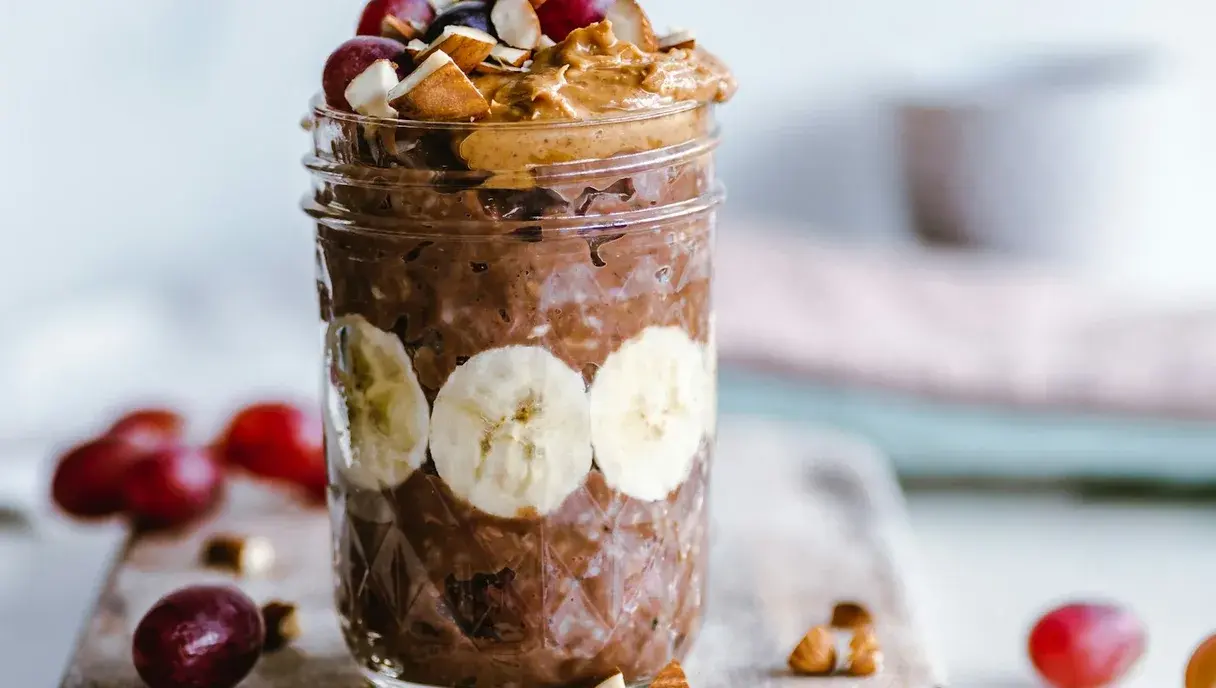
A practical day might add a banana and peanut butter milkshake. Add a handful of nuts and dates as snacks, an extra egg at breakfast, and a teaspoon of ghee in your daal, on top of your normal meals.
Supporting a small appetite
If the real barrier is appetite, no amount of advice to eat more will help until you feel hungrier. A few strategies help. Eat your most calorie-dense food first, while you have appetite. Avoid drinking large amounts of water just before meals. Eat at regular times, so your body learns to expect food. Use gentle physical activity to stimulate hunger.
Some people in Pakistan also use an appetite syrup to give their appetite a nudge. Marixtizer Natural Appetite Syrup (Rs 250) is a budget-friendly option that blends fenugreek, fennel and ginger to support appetite and digestion. It can make the eat-more advice far easier to follow in the early weeks.
Protein and resistance training: the muscle equation
Want the weight you gain to be muscle rather than just fat? Two things matter: enough protein and resistance training. Lifting weights, or doing bodyweight resistance work, signals your body to turn extra calories into muscle. Without that signal, a surplus leans more towards fat.
Protein supplies the raw material. Aim to spread good protein across the day, from eggs, dairy, daal, meat and chicken. If you train and struggle to eat enough protein from food alone, a whey protein shake is a convenient, calorie-dense top-up. Nutrifactor Whey Protein 400g (Rs 7,500) gives 24g of protein per scoop and blends easily into milk for a post-workout or between-meals shake.
If dairy upsets your stomach, Nutrifactor Soy Protein Isolate (Rs 7,600) does the same job with 22g of plant protein per serving and no dairy.
For more on protein and building muscle, see our guide to protein supplements for men and muscle building in Pakistan. If you train seriously, you may also find our complete creatine monohydrate guide for gym-goers useful.
Supplements that genuinely help
Supplements support a good diet. They never replace it. Three are worth considering for healthy weight gain.
| Supplement | How it helps weight gain | Price |
|---|---|---|
| Marixtizer Natural Appetite Syrup | Supports appetite so eating more feels easier | Rs 250 |
| Nutrifactor Whey Protein 400g | Adds easy protein and calories for muscle | Rs 7,500 |
| Multiflux Multivitamin | Covers gaps and supports overall nutrition and energy | Rs 530 |
A daily multivitamin is sensible while you are rebuilding. Correcting any quiet deficiencies supports energy and appetite. Multiflux Multivitamin (Rs 530) is an affordable all-rounder, and it comes in tablets or syrup. For a wider comparison, read our guide to the best multivitamin in Pakistan.
When low weight needs a doctor
Sometimes being underweight is a symptom, not just a body type. See a doctor, rather than only changing your diet, if any of these apply:
- You have lost weight without trying, or are losing weight despite eating more
- You feel constantly hot, anxious, shaky, or have a racing heartbeat, which can suggest an overactive thyroid
- You are unusually thirsty, urinating a lot, and losing weight, which can suggest diabetes
- You have ongoing diarrhoea, bloating or pale, greasy stools, which can suggest malabsorption
- You feel exhausted all the time, which is worth investigating. See our guide on causes of constant tiredness in Pakistan
- Your low weight comes with low mood, loss of appetite, or a difficult relationship with food
Reputable sources such as the NHS advice for underweight adults and the Mayo Clinic stress checking for an underlying cause first. Do not assume it is just metabolism. A simple set of blood tests can rule out the common culprits.
Putting it together: a realistic plan
Healthy weight gain takes months, not weeks. Build a gentle calorie surplus with whole, nutrient-dense desi foods. Eat more often. Support your appetite if it is the main barrier. Get enough protein, and train with resistance so the gain becomes muscle.
Use a multivitamin to cover the basics. Add whey protein and an appetite syrup if they make the plan easier to follow. Track your progress weekly, and expect slow, steady gains. Check in with a doctor if anything is not adding up. Done this way, the weight you add is the kind you want to keep.
Read next: Protein Rich Foods in Pakistan and How to Lose Weight Healthily in Pakistan.
This article was written and medically reviewed to our medical review board standards and is for general guidance, not personal medical advice. Always speak to a doctor or pharmacist about your own situation.
If a small appetite is what is holding you back, start there: Marixtizer Natural Appetite Syrup at Rs 250 is the cheapest thing to try first, and you can add protein once you are eating more. Browse the rest of our digestive and gut range for the supporting picks. We deliver cash on delivery across Pakistan, and delivery is free on orders over Rs 5,000 in Punjab.
Shop Marixtizer Natural Appetite Syrup →Frequently asked questions
How can I gain weight fast but healthily?
Aim for steady rather than truly fast gain, around half a kilogram a week, with a 300 to 500 calorie surplus from whole foods. Gaining much faster mostly adds fat and can upset your digestion.
What is the best food to gain weight in Pakistan?
There is no single best food. Combine calorie-dense staples: full-fat milk, eggs, daal, nuts and dates, banana, peanut butter, and a little desi ghee, eaten across several meals.
Does whey protein help with weight gain?
Yes, when combined with enough total calories and resistance training. Whey adds convenient protein and calories that help the weight you gain become muscle rather than fat. Our Nutrifactor Whey Protein 400g is Rs 7,500, and the soy isolate is the dairy-free equivalent.
How can I increase my appetite naturally?
Eat at regular times, avoid filling up on water before meals, eat your most calorie-dense food first, and use gentle activity to stimulate hunger. An appetite syrup such as Marixtizer can give an extra nudge in the early weeks.
Is it bad to gain weight by eating junk food?
Yes. Junk food adds mostly unhealthy fat and pushes up blood sugar and cholesterol. Healthy weight gain comes from nutrient-dense whole foods and muscle-building, not fried snacks and soft drinks.
Why am I not gaining weight even though I eat a lot?
You may be eating less than you think, burning a lot through activity or a fast metabolism, or have an underlying issue such as a thyroid problem or malabsorption. If you genuinely cannot gain, see a doctor.
Which supplements should I take to gain weight?
The most useful are an appetite syrup if appetite is the barrier, whey protein for easy calories and muscle, and a multivitamin to cover nutritional gaps. They support, but do not replace, a good diet.
Liked this one? Get the next in your inbox.
One fortnightly note from the editors, new pieces, restocks, and the routines we're actually using. Unsubscribe any time.