Always Tired? Causes of Fatigue & How to Get Your Energy Back (Pakistan 2026)
Always tired? The common causes of fatigue in Pakistan, the blood tests that find the reason, diet and sleep fixes that work, and when supplements help.

Roughly 1 in 2 women in Pakistan are anaemic, according to the National Nutrition Survey, and constant tiredness is one of the first signs. So if you are always tired no matter how much you sleep, you are far from alone, and you are not simply lazy or weak. Fatigue is one of the most common reasons people in Pakistan visit a doctor.
The honest truth is that there is rarely a single cause. Hold onto this key idea: fatigue is a symptom, not a disease. It is your body's way of telling you that something is out of balance, whether diet, sleep, a deficiency or stress.
This guide walks through the common reasons behind low energy. We will cover the blood tests that find the cause, the lifestyle fixes that genuinely help, and where supplements fit in honestly.
Why "always tired" is a symptom, not a diagnosis
When you ask yourself "why am I always tired", it is tempting to look for one magic answer. In reality, tiredness and weakness usually come from a combination of overlapping factors.
Treating fatigue well means playing detective. Look at your diet, sleep, stress, medications and a handful of blood markers, then fix the biggest contributors. Reaching for an energy drink or a random supplement without finding the cause often gives only a brief lift and leaves the real problem untouched.
Common causes of fatigue in Pakistan
Several causes show up again and again in our context. Often more than one is present at the same time.
- Iron deficiency anaemia. Extremely common, especially in women with heavy periods and in those eating little red meat. Low iron means less oxygen reaches your tissues, which feels like deep, persistent tiredness.
- Vitamin B12 deficiency. Common in low meat diets, older adults and people on metformin, and a classic cause of fatigue with tingling and brain fog.
- Vitamin D deficiency. Widespread in Pakistan despite the sunshine, because we cover up and stay indoors. Low vitamin D is strongly linked to tiredness and muscle aches.
- Poor or disrupted sleep. Late nights, scrolling, and conditions like sleep apnoea leave you unrested even after hours in bed.
- Dehydration. In our heat, even mild dehydration causes sluggishness and headaches.
- Thyroid problems. An underactive thyroid slows metabolism and is a frequently missed cause of fatigue, weight gain and low mood.
- Stress and burnout. Chronic stress is exhausting in itself and disrupts sleep and appetite.
- Low protein and poor diet. Diets heavy in refined carbohydrates and light on protein leave energy unstable.
- Blood sugar swings. Sugary chai, biscuits and white bread cause spikes and crashes that feel like exhaustion.
- Depression and anxiety. Low mood very commonly shows up physically as fatigue and loss of motivation.
How to find the cause: which blood tests to ask for
The iron, B12 and vitamin D fatigue triad is so common here that a focused set of blood tests is the smartest first step. Ask your doctor about:
- A full blood count and iron studies (ferritin) to check for anaemia and iron stores.
- Vitamin B12 and vitamin D levels.
- Thyroid function (TSH) to rule out an underactive thyroid.
- Blood sugar (fasting glucose or HbA1c) if diabetes is a possibility.
These tests are widely available and affordable at labs across Pakistan. Together they explain a large share of unexplained fatigue. Our detailed guides on iron deficiency in women, vitamin B12 deficiency and vitamin D deficiency walk through each result and what it means.
Diet fixes that genuinely raise energy
Once serious causes are ruled out or treated, the everyday fuel you give your body matters enormously.
- Build meals around protein. Eggs, daal, chicken, fish and yoghurt keep blood sugar steady and energy even.
- Choose slow carbohydrates. Whole grains, oats and brown rice instead of white bread and sugary snacks to avoid the crash.
- Eat iron rich foods such as red meat, liver and leafy greens, paired with a source of vitamin C to boost absorption.
- Stay hydrated, especially in summer. Keep water within reach and limit sugary drinks.
- Go easy on caffeine late in the day, which steals from your night's sleep and feeds the cycle of tiredness.
Lifestyle fixes: sleep, movement and stress
Lifestyle is where many people find the biggest gains. Protect your sleep by keeping a regular bedtime, dimming screens an hour before bed and keeping the room cool and dark.
Counter-intuitively, regular gentle exercise, even a daily walk, raises energy rather than draining it. Manage stress actively through breathing practices, time outdoors or talking things through, because burnout is a genuine and common cause of exhaustion.
If poor sleep is your weak link, our guide on magnesium for sleep may help. For stress related fatigue, our ashwagandha guide covers a popular adaptogen and the evidence behind it.
Where supplements help, and where they do not
This is the honest part. Supplements are powerful when they correct a real deficiency, and largely useless when there is no deficiency to fix.
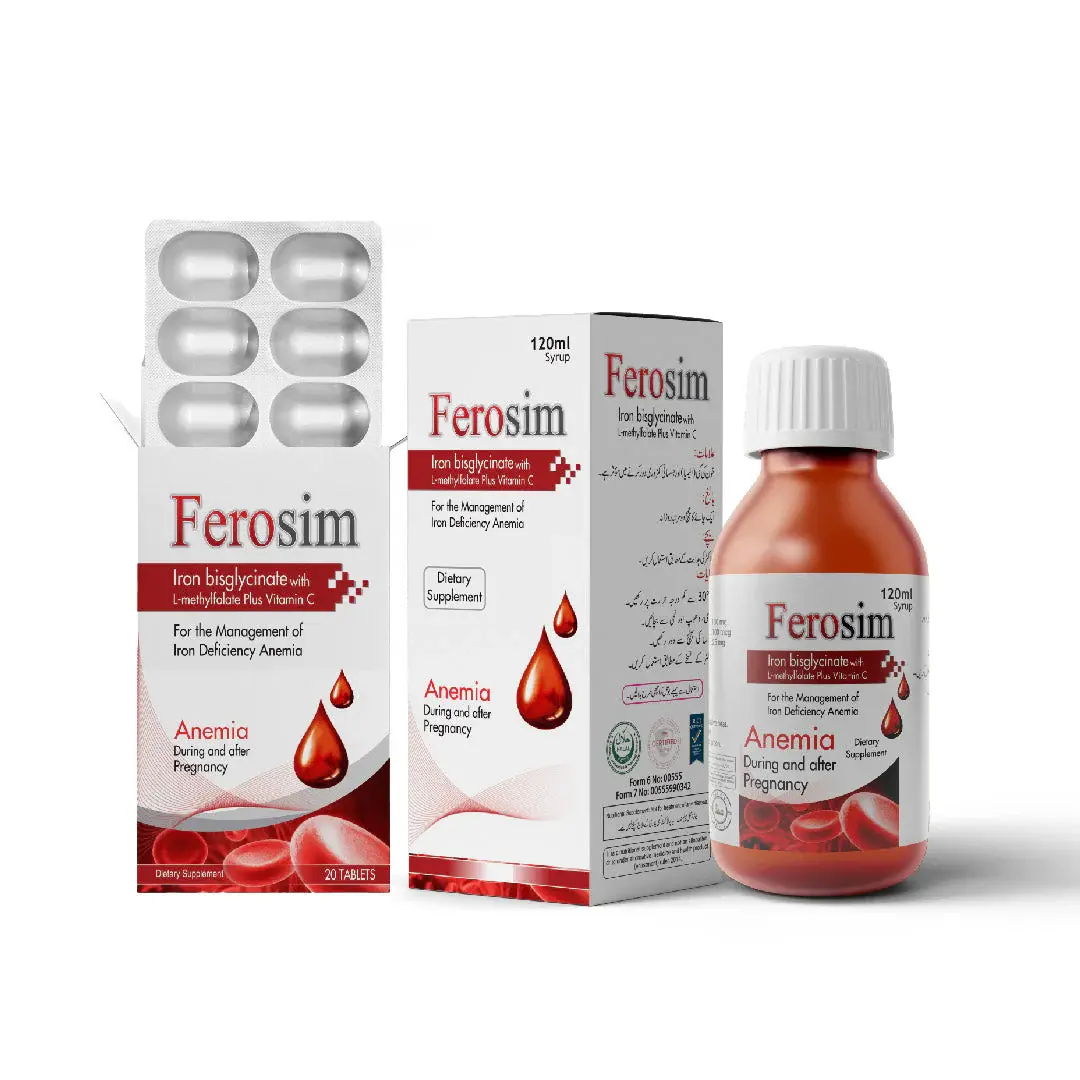
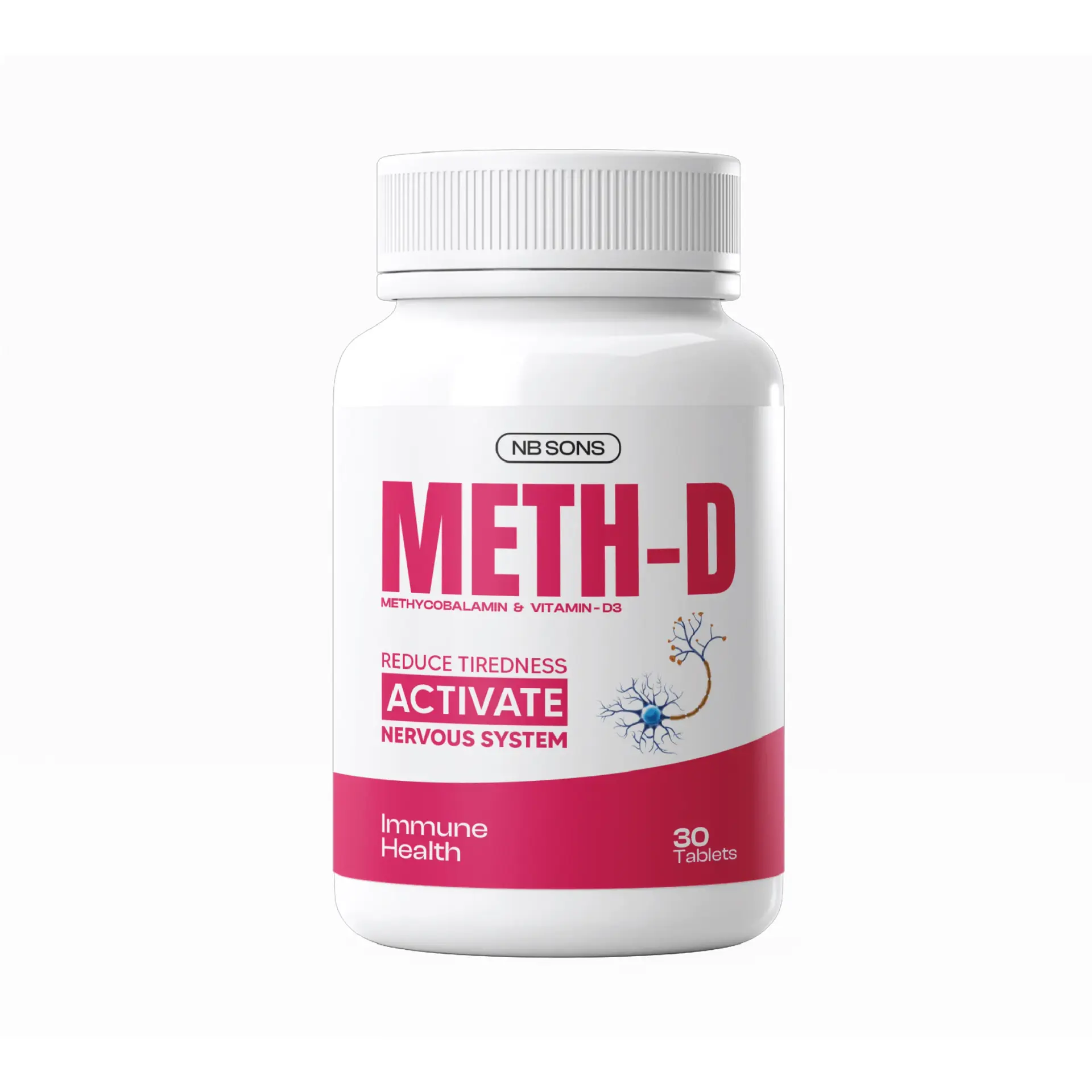
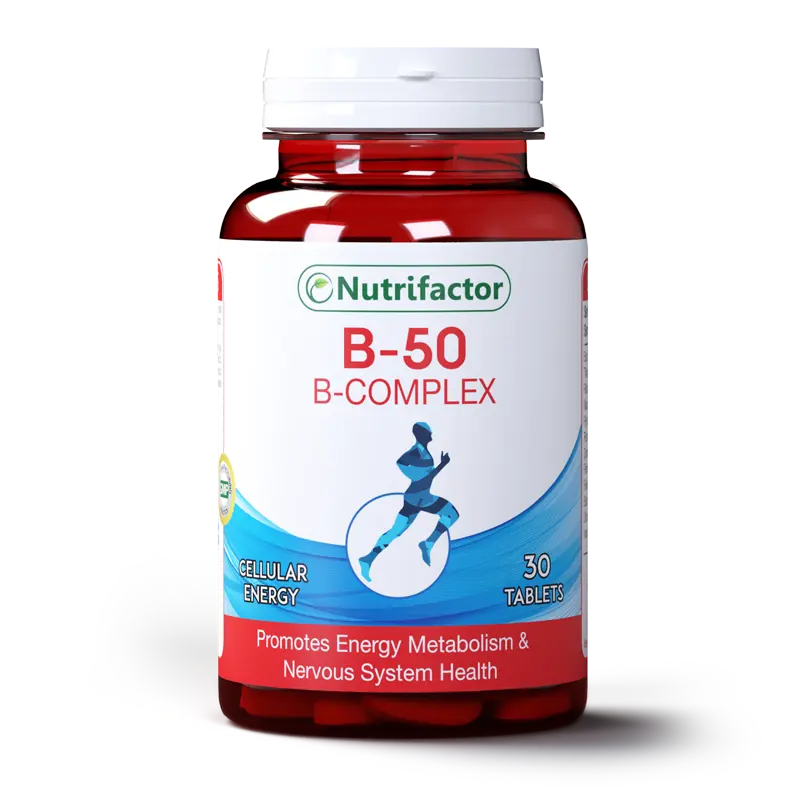
If your blood test shows low iron, an iron supplement such as Ferosim Iron (Rs 450) can transform your energy over a few weeks. If B12 and vitamin D are low, a combined Meth-D Vitamin B12 + D3 (Rs 880) is a sensible, affordable fix. A broad Nutrifactor B-50 Super B-Complex (Rs 950) supports the enzymes that turn food into energy. And for general dietary gaps, a daily Multiflux Multivitamin (Rs 530) is an inexpensive insurance policy.
What supplements will not do is fix fatigue caused by poor sleep, untreated thyroid disease, depression or chronic stress. No tablet replaces rest. Chasing energy through ever more supplements while ignoring the real cause is a common and costly mistake. For help getting the most from what you take, see our guide to supplement timing.
Red flag symptoms that need a doctor
Most fatigue is benign and fixable. But some warning signs mean you should see a doctor promptly rather than self treating.
- Fatigue that comes on suddenly or is getting rapidly worse.
- Unexplained weight loss, fever or night sweats.
- Breathlessness, chest pain or a racing heart.
- Severe or persistent low mood, or losing interest in everything.
- Tiredness that does not improve after weeks of better sleep, diet and any deficiency treatment.
These can point to conditions that need proper medical assessment, so do not brush them off.
This article was written and medically reviewed to our medical review board standards and is for general guidance, not personal medical advice. Always speak to a doctor or pharmacist about your own situation.
Shop Multiflux Multivitamin →Frequently asked questions
Why am I always tired even after sleeping?
Sleeping enough hours does not guarantee good quality sleep. Disrupted or interrupted sleep, plus deficiencies like low iron, B12 or vitamin D, thyroid problems and stress, can all leave you tired despite time in bed. Blood tests and a look at your sleep habits usually reveal why.
Which deficiency causes the most tiredness?
Iron deficiency anaemia is one of the most common and most fatiguing, particularly in women. B12 and vitamin D deficiencies are close behind and frequently occur together in Pakistan.
Can low energy be a sign of something serious?
Usually fatigue is due to fixable causes, but red flags such as sudden severe tiredness, weight loss, fever or breathlessness need prompt medical attention.
Do multivitamins help with tiredness?
They help most when they correct a genuine dietary gap or deficiency. If your diet is poor, a daily multivitamin is useful insurance, but it will not fix tiredness caused by poor sleep, stress or untreated illness.
How long until I feel more energetic after treating a deficiency?
It varies. Iron and B12 often show improvement within a few weeks, while vitamin D can take a month or two. Lifestyle changes like better sleep can help within days.
Is it normal to feel tired all the time in the Pakistani summer?
Heat and dehydration genuinely sap energy, so staying hydrated and cool helps. But constant tiredness should not be dismissed as just the weather, especially if it persists.
For trusted background reading, see the NHS guide to tiredness and fatigue and Mayo Clinic on the causes of fatigue.
Liked this one? Get the next in your inbox.
One fortnightly note from the editors, new pieces, restocks, and the routines we're actually using. Unsubscribe any time.