Vitamin D Deficiency in Pakistan: Symptoms, Causes & How to Fix It (2026)
Vitamin D deficiency is very common in Pakistan despite the sunshine. The warning signs, why it happens, how much you need, and how to raise your levels.

Here is a strange truth about health in Pakistan. We get sunshine almost all year, yet vitamin D deficiency is extremely common. In fact, studies suggest a majority of adults across South Asia have low vitamin D levels. It affects cities and villages, children and adults, men and women alike.
Many people walk around tired, achy and run-down without ever knowing why. This guide on vitamin D deficiency in Pakistan explains what the vitamin does, why so many of us are short of it, and how to fix low levels safely.
What vitamin D does in the body
Vitamin D is often called the "sunshine vitamin." But it behaves more like a hormone than a simple nutrient. Its best-known job is helping your body absorb calcium, which is why it is vital for strong bones and teeth.
Its role goes much further than that:
- Bones and teeth. Without enough vitamin D, you absorb only a fraction of the calcium you eat. Over time this weakens your bones.
- Muscles. Vitamin D supports normal muscle function. Low levels are linked to aches, weakness and a higher risk of falls.
- Immunity. It helps your immune system work properly. People with low levels tend to catch more infections.
- Mood and energy. Many people with low vitamin D feel low and tired. That often lifts once their levels are back up.
Why is vitamin D deficiency so common in Pakistan?
If we have so much sun, how can deficiency be this widespread? Your skin makes vitamin D when bare skin meets direct sunlight. Sadly, several things common to life here get in the way.
- Indoor lifestyles. Office jobs, study, screens and the daytime heat mean most people get very little real sun on their skin.
- Clothing and modesty. Fuller coverage is sensible for culture and sun protection. It also means less skin is exposed to make vitamin D.
- Skin tone. More melanin in brown and darker skin guards against sun damage. It also slows vitamin D production, so we need more sun than lighter-skinned people to make the same amount.
- Air pollution. Smog in cities like Lahore and Karachi filters out some of the UVB rays that trigger vitamin D.
- Few fortified foods. In many countries, milk and cereals have vitamin D added. Locally these options are limited, so diet rarely fills the gap.
Symptoms of vitamin D deficiency
Low vitamin D often creeps up quietly. The signs are easy to blame on a busy life. Common ones include:
- Persistent tiredness and low energy, even after rest
- Bone pain or a deep ache in the lower back, hips or legs
- Muscle weakness, cramps or aches
- Getting sick often, with frequent coughs, colds and slow recovery
- Low mood or seasonal dips in mood
- Hair thinning or increased hair fall
- Slow wound healing
In children, severe long-term deficiency can affect bone development (a condition called rickets). This is why paediatricians often recommend vitamin D for growing kids.
These symptoms overlap with many other conditions. So the only way to know for sure is a simple blood test, which we cover below.
Who is most at risk?
| Group | Why |
|---|---|
| Women, especially pregnant & breastfeeding | Higher needs plus more covered clothing and indoor time |
| Office workers & students | Very little daytime sun on the skin |
| Older adults | Skin makes vitamin D less efficiently with age |
| Babies & young children | Rapid bone growth and limited dietary sources |
| People with darker skin | More melanin slows skin production of vitamin D |
How much vitamin D do you need?
For general upkeep, most adults need roughly 600 to 800 IU of vitamin D per day. Many supplements in Pakistan provide a bit more for convenience.
If a blood test shows you are truly deficient, your doctor may prescribe a higher short-term "loading" dose for a few weeks. This rebuilds your stores. After that, you move to a lower daily maintenance dose.
Vitamin D is fat-soluble and stored in the body, so more is not automatically better. Very high doses over a long time can cause harm. Follow medical advice rather than self-prescribing megadoses. You can read the reference intakes on the NIH Office of Dietary Supplements vitamin D fact sheet.
How to fix low vitamin D
1. Sensible sun exposure
A short spell of midday sun on the arms and face a few times a week helps. But for many people here, lifestyle and pollution make sun alone unreliable. This is especially true in winter and smog season.
2. Food sources
Few foods are naturally rich in vitamin D. The better ones include:
| Food | Notes |
|---|---|
| Fatty fish (salmon, mackerel, sardines) | The richest natural source |
| Egg yolks | A modest, accessible amount |
| Fortified milk & cereals | Where available, check the label |
| Mushrooms (sun-exposed) | A plant source of vitamin D2 |
3. A vitamin D supplement
For most people here, a daily vitamin D3 supplement is the simplest, most reliable way to keep levels up. D3 (cholecalciferol) is the form your body makes from sunlight. It raises blood levels more effectively than D2.
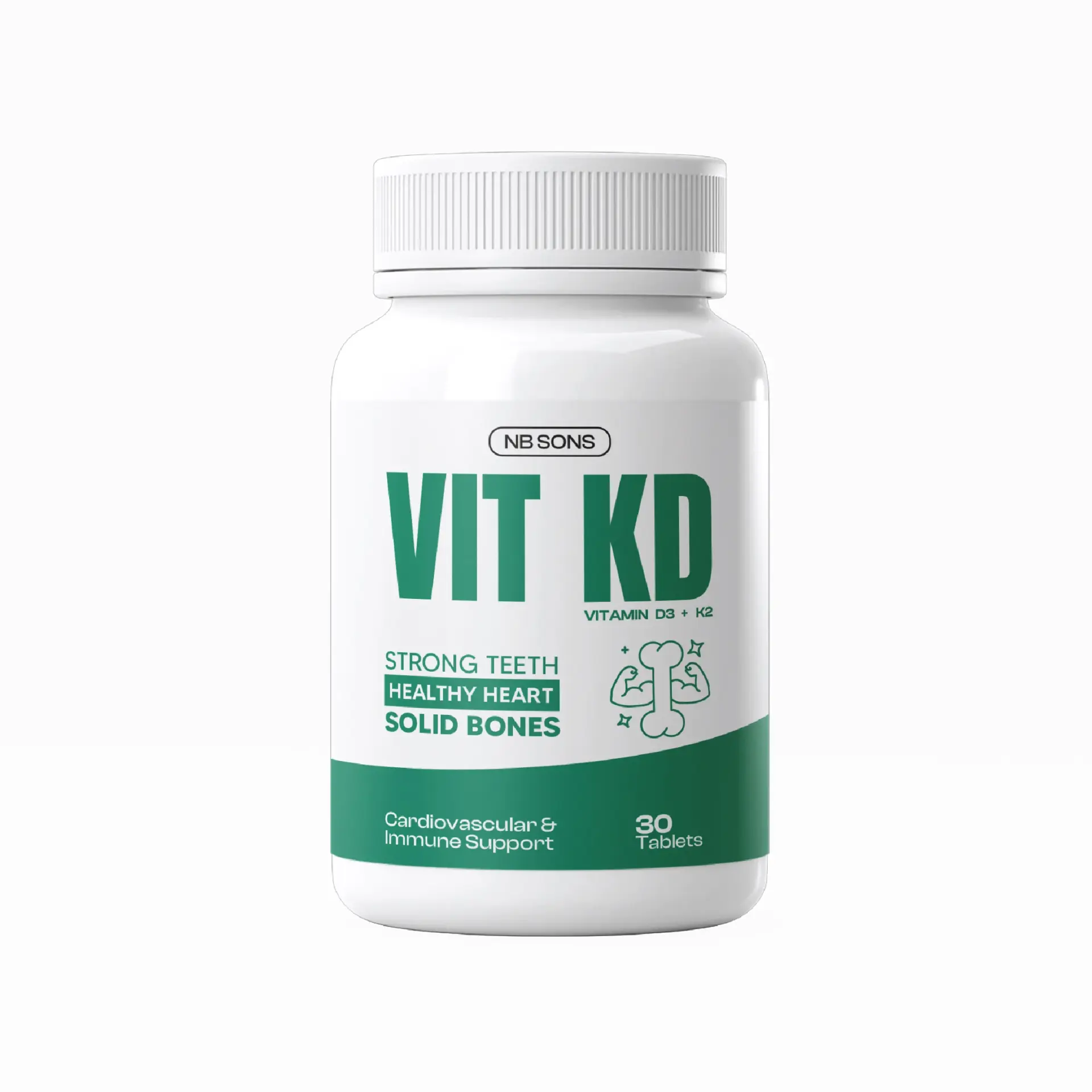
A smart pairing is vitamin D3 with K2. D3 helps you absorb calcium, while K2 helps direct that calcium into your bones rather than your arteries. Our Vit KD (Vitamin D3 + K2) is built exactly around this combination.
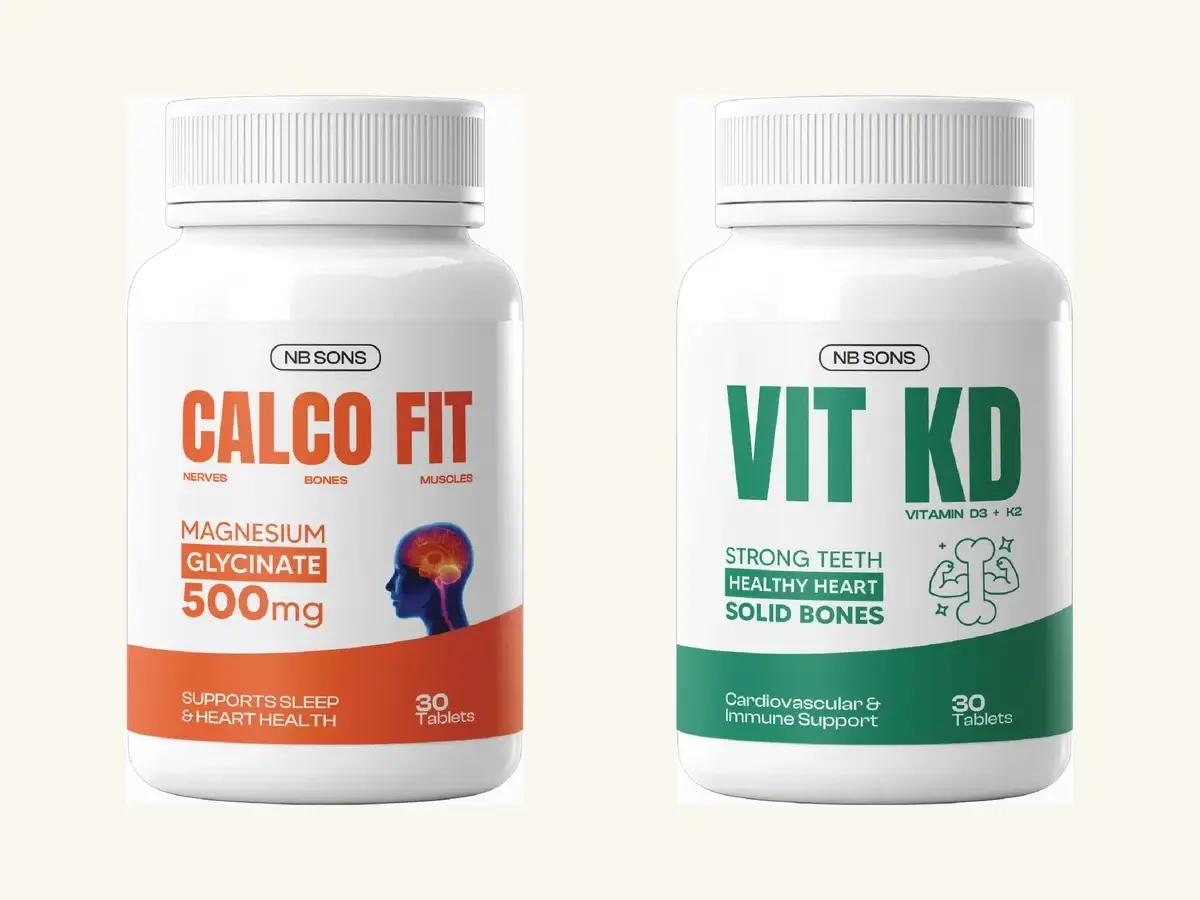
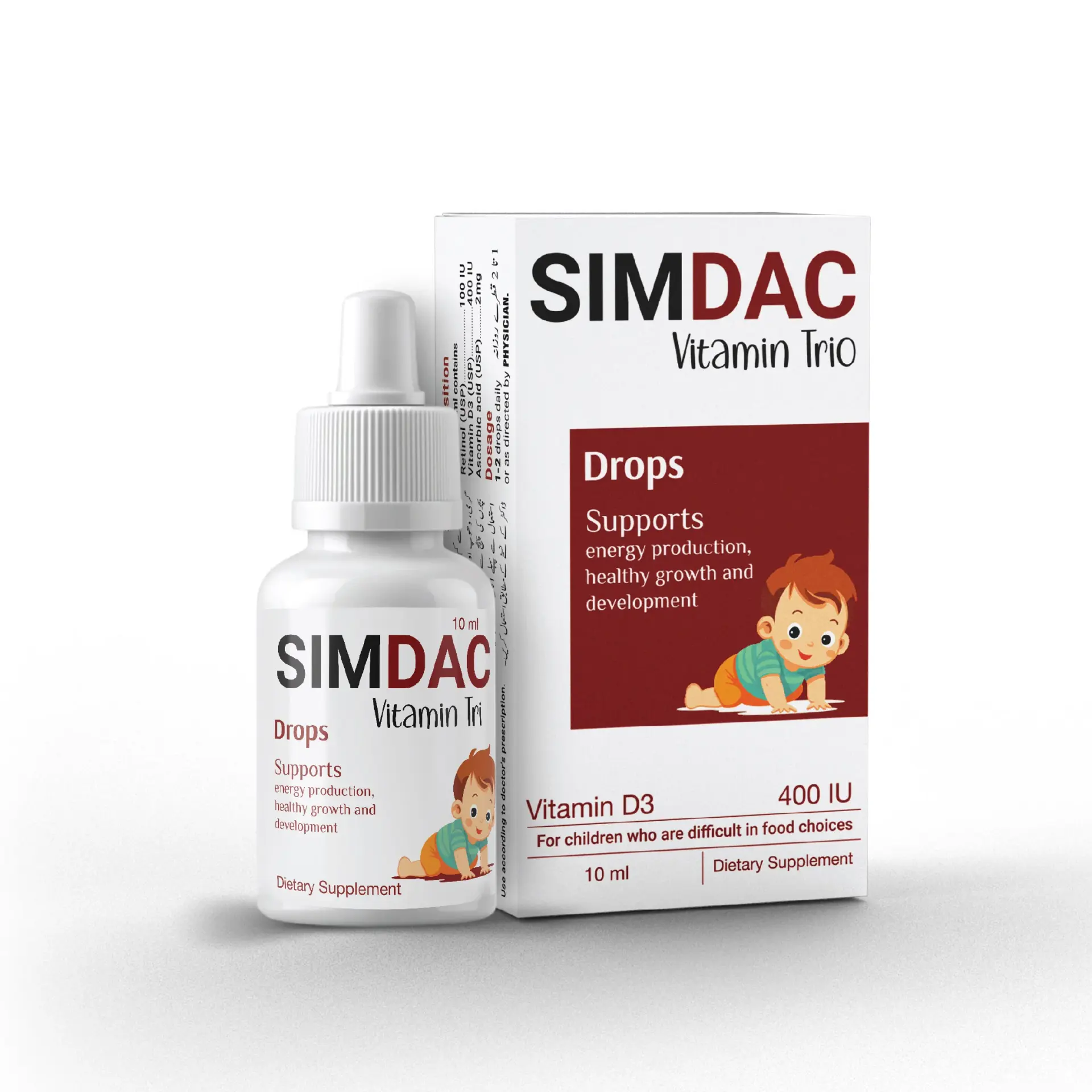
If you are also working on bone strength, the Calco Fit + Vit KD bundle pairs it with magnesium. For children, Simdac drops deliver vitamin D in an easy oral dose. And Meth-D combines vitamin D3 with active B12 for nerve and energy support. Browse the full range on our wellness page.
Should you get tested?
If the symptoms above sound familiar, ask your doctor for a 25-hydroxyvitamin D (25-OH-D) blood test. It is widely available at labs across Pakistan and inexpensive. It is the most accurate way to know your status.
Testing before and a few months after starting a supplement also tells you whether your dose is working.
The bottom line
Vitamin D deficiency is widespread in Pakistan, easy to miss, and straightforward to fix. If you feel constantly tired, achy or run-down, it is worth a simple blood test.
For most people, a daily vitamin D3 (with K2) supplement is an easy, affordable way to protect your bones, muscles and immunity all year round.
Want to build a complete routine? See our guides to choosing the best multivitamin in Pakistan, magnesium for sleep and stress, and iron deficiency in Pakistani women.
This article was written and medically reviewed to our medical review board standards and is for general guidance, not personal medical advice. Always speak to a doctor or pharmacist about your own situation.
Shop Vit KD, Vitamin D3 + K2 →Frequently asked questions
Can I be vitamin D deficient even though Pakistan is sunny?
Yes, and it is very common. Indoor routines, covered clothing, darker skin tone and urban pollution all cut how much vitamin D your skin makes. So sunshine alone often is not enough.
What is the best form of vitamin D?
Vitamin D3 (cholecalciferol) is generally preferred. It raises and maintains blood levels more effectively than D2. Pairing it with K2 supports healthy calcium balance.
How long until I feel better?
Vitamin D stores rebuild gradually. Many people notice more energy and less aching within a few weeks to a couple of months of steady use. A follow-up blood test is the reliable measure.
Can I take too much?
Yes. Because vitamin D is stored in body fat, very high doses taken for a long time can build up and cause problems. Stick to recommended amounts or your doctor's prescription.
Liked this one? Get the next in your inbox.
One fortnightly note from the editors, new pieces, restocks, and the routines we're actually using. Unsubscribe any time.