Vitamin B12 Deficiency in Pakistan: Symptoms, Causes & Best Supplements (2026)
Vitamin B12 deficiency is common in Pakistan. The symptoms, who is at risk, how it is diagnosed, and whether to take a tablet or injection.

Did you know that vitamin B12 deficiency is widespread across South Asia, where diets lean heavily on roti, daal and vegetables? It is one of the most under-recognised nutritional problems in Pakistan. The early symptoms are vague, and easy to blame on a busy life.
Have you been feeling unusually tired, foggy-headed, or noticed tingling in your hands and feet? A quiet vitamin B12 deficiency could be part of the story. This guide explains what B12 does, who is most at risk, and the warning signs. It also covers how it is diagnosed, and how to choose between food, tablets and injections.
What vitamin B12 actually does in your body
Vitamin B12 (cobalamin) is a water-soluble vitamin your body cannot make on its own. You get it from food or supplements. It does three jobs that matter every day. It helps build healthy red blood cells that carry oxygen. It keeps the protective myelin sheath around your nerves intact. And it is essential for making DNA and for the brain chemistry behind mood and concentration.
When levels run low, symptoms tend to show up first in three places: the blood (anaemia), the nerves (tingling and numbness) and the brain (fatigue, low mood and brain fog).
Your body stores B12 in the liver. So a shortfall can build silently for months or years before you notice it. That is why so many people in Pakistan walk around mildly deficient without connecting the dots.
Who is most at risk of B12 deficiency in Pakistan
Vitamin B12 is found almost entirely in animal foods. So anyone whose diet is light on meat, fish, eggs and dairy is at higher risk. Several groups stand out.
- Vegetarian-leaning and low-meat diets. Many Pakistani households eat meat only a few times a week and rely on lentils and vegetables the rest of the time. Plant foods contain almost no usable B12.
- Pregnant and breastfeeding women. Demand rises sharply, and a deficient mother can pass low stores to her baby.
- Older adults. After roughly age 50, the stomach makes less acid and intrinsic factor. Both are needed to absorb B12 from food.
- People on metformin for diabetes. Long-term metformin use is well documented to lower B12 absorption.
- Long-term users of acidity medicines. Proton pump inhibitors and H2 blockers (taken for reflux and gastritis) reduce the stomach acid needed to release B12 from food.
- People with gut conditions such as coeliac disease or Crohn's, or a history of stomach or bowel surgery.
Do you recognise yourself in more than one group? Then it is worth taking B12 seriously, rather than waiting for symptoms to worsen.
Vitamin B12 deficiency symptoms to watch for
The tricky thing about B12 deficiency symptoms is that they overlap with ordinary stress and poor sleep. Still, certain patterns are worth noticing, especially several together.
- Persistent fatigue and weakness that rest does not fix.
- Tingling, pins and needles or numbness in the hands and feet, sometimes with a feeling of unsteadiness when walking.
- Brain fog, poor concentration, forgetfulness and slower thinking.
- A sore, smooth or red tongue (glossitis) and mouth ulcers.
- Pale or slightly yellow skin, breathlessness and a fast heartbeat, which point to anaemia.
- Mood changes such as low mood, irritability or anxiety.
Nerve symptoms in particular deserve attention. If a deficiency is left untreated for long, the nerve damage can become permanent. For ongoing pins and needles, our guide on numbness and tingling in the hands and feet covers the full list of causes. If exhaustion is your main complaint, see our piece on why you might always feel tired.
How vitamin B12 deficiency is diagnosed
You cannot diagnose B12 deficiency from symptoms alone, because they mimic so many other conditions. The starting point is a simple blood test. It is widely available at labs across Pakistan for a modest fee.
A serum vitamin B12 level is the usual first test. If the result is borderline, a doctor may add active B12 (holotranscobalamin) or methylmalonic acid, which rise when B12 is genuinely low. A full blood count is often checked too, because B12 deficiency typically produces large red blood cells (macrocytic anaemia).
It is sensible to ask for iron studies and a vitamin D level in the same blood draw. These deficiencies frequently travel together in Pakistan. Our guides on iron deficiency in women and vitamin D deficiency cover those tests.
Best food sources of vitamin B12
For most people, food is the foundation. The richest natural sources are all animal-based.
- Liver and red meat (beef and mutton) are among the densest sources.
- Fish such as rohu, salmon and sardines.
- Eggs, especially the yolk.
- Milk, yoghurt (dahi) and cheese, which are easy to include daily and well absorbed.
Strict vegetarians and vegans have very few options. The only reliable plant sources are fortified foods, which are uncommon in Pakistan. So a supplement is necessary for them. Even committed meat eaters who absorb B12 poorly, because of age or medication, may not fix the gap with food alone.
Tablet versus injection: which do you need?
This is the question we are asked most. The honest answer is that it depends on why you are deficient, and how low you are.
| Feature | Oral tablet | Injection |
|---|---|---|
| Best for | Diet related shortfall, mild to moderate deficiency, maintenance | Severe deficiency, nerve symptoms, true absorption problems (older adults, gut surgery) |
| Convenience | Take at home, daily | Needs a clinic or nurse, given over weeks |
| Speed | Steady correction over weeks | Fast initial top up |
| Cost in Pakistan | Low, a month of tablets is affordable | Higher over a course, plus clinic visits |
Modern evidence shows that high-dose oral B12 works well for most people, even some with absorption issues. A small fraction is absorbed passively, without intrinsic factor. Injections remain the right choice when a deficiency is severe, when there are clear nerve symptoms, or when absorption is genuinely broken.
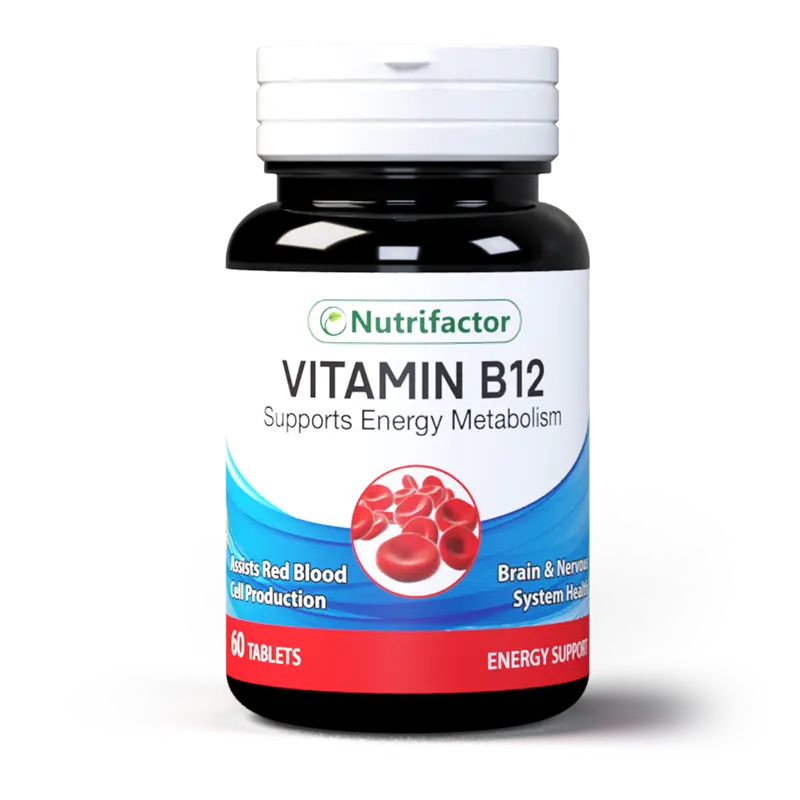
A practical approach many doctors take is an injection course to refill stores quickly, then a daily tablet to maintain levels. A dependable option such as Nutrifactor Vitamin B12 500mcg (around Rs 850) makes everyday maintenance simple and inexpensive.
Methylcobalamin versus cyanocobalamin
You will see two main forms on labels. Cyanocobalamin is the older, very stable and cheaper synthetic form. Your body converts it into the active vitamin. Methylcobalamin is a naturally occurring active form the body uses directly, often favoured for nerve-related symptoms.
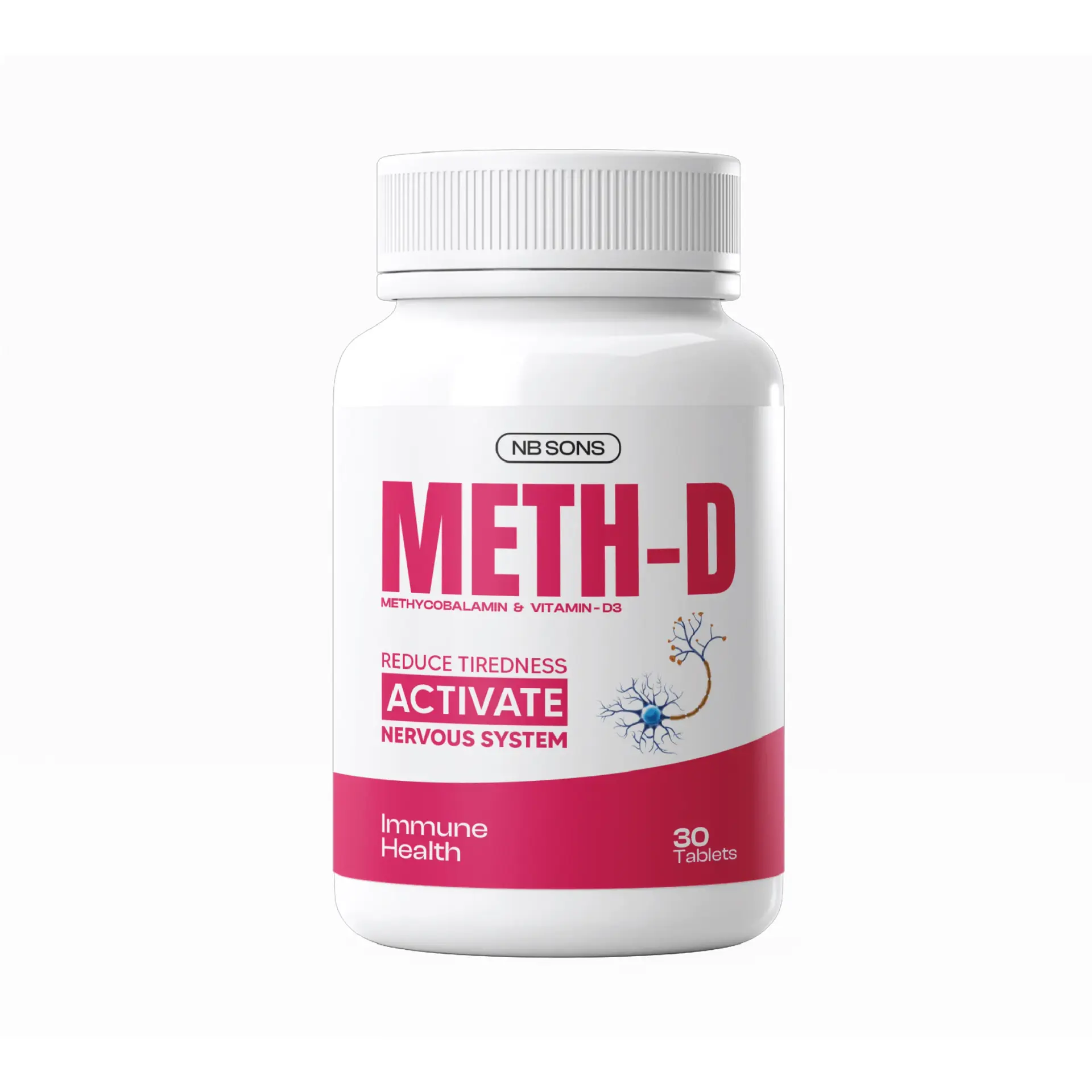
For most healthy people, both correct a deficiency effectively. So the practical difference is smaller than marketing suggests. If your main concern is tingling or numbness, methylcobalamin is a reasonable choice. A combined formula like Meth-D Vitamin B12 + D3 Tablets (around Rs 880) pairs methylcobalamin with vitamin D3. This is convenient, given how often the two deficiencies occur together in Pakistan.
How much B12 do you need, and how to take it
The general adult requirement is small, about 2.4 micrograms a day. But supplements deliberately contain far more (250mcg to 1000mcg), because only a fraction is absorbed at higher doses.
B12 is water-soluble and very safe. Any excess is simply passed in the urine. So there is no recognised upper limit from supplements for healthy people. Take it at any time of day, with or without food.
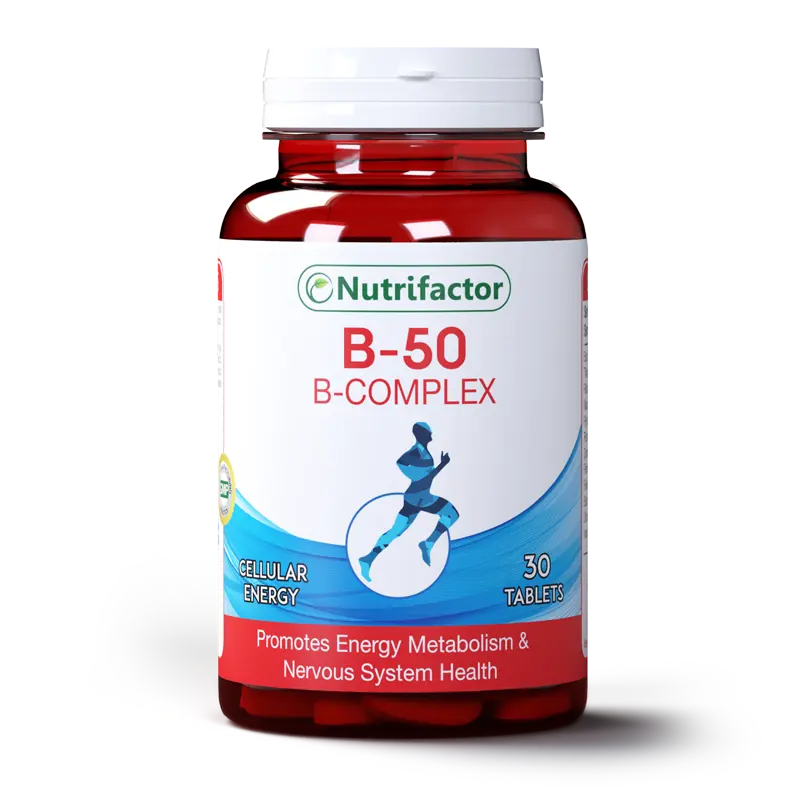
A broad B vitamin formula such as Nutrifactor B-50 Super B-Complex (around Rs 950) is useful if you want B12 alongside the other B vitamins that support energy metabolism. For more, read our guide to when to take your vitamins.
Who should be careful, and when to see a doctor
B12 itself is safe, but a few cautions matter. Never self-treat unexplained anaemia or nerve symptoms with B12 alone. The underlying cause needs proper investigation. High-dose folic acid can mask B12 deficiency while nerve damage quietly continues.
Most importantly, see a doctor promptly if you have numbness, balance problems, severe fatigue, breathlessness, a racing heart, or symptoms during pregnancy. A blood test and the right treatment plan are far better than guessing.
This article was written and medically reviewed to our medical review board standards and is for general guidance, not personal medical advice. Always speak to a doctor or pharmacist about your own situation.
Shop Meth-D Vitamin B12 + D3 →Frequently asked questions
How long does it take to recover from B12 deficiency?
Blood markers often improve within weeks. Energy and tongue symptoms lift in the first month or two. Nerve symptoms like tingling can take several months, and very long-standing nerve damage may not fully reverse, which is why early treatment matters.
Can I get enough B12 from a vegetarian diet in Pakistan?
It is very difficult. Dairy and eggs help. But strict vegetarians and vegans almost always need a supplement, because reliable fortified foods are uncommon here.
Is methylcobalamin better than cyanocobalamin?
Both correct a deficiency well. Methylcobalamin is an active form often preferred for nerve symptoms. Cyanocobalamin is cheaper and equally effective for general use.
Does metformin cause B12 deficiency?
Long-term metformin use lowers B12 absorption. So people with diabetes on metformin should have their B12 checked periodically, and supplement if needed.
Tablet or injection, which should I start with?
If you have a mild, diet-related deficiency, a daily tablet usually works. Severe deficiency or clear nerve symptoms often call for an injection course first, then tablets to maintain. Your doctor can decide based on your blood test.
For trusted background reading, see the NIH Office of Dietary Supplements B12 factsheet, the NHS page on vitamin B12 or folate deficiency anaemia, and Mayo Clinic on vitamin B12.
Liked this one? Get the next in your inbox.
One fortnightly note from the editors, new pieces, restocks, and the routines we're actually using. Unsubscribe any time.