Back Pain: Causes, Relief & When to See a Doctor (Pakistan 2026)
Back pain affects most adults at some point. Common triggers in Pakistan, what really helps, the vitamin D link, and the red flags that need urgent care.
According to the World Health Organization, low back pain is the single leading cause of disability worldwide. In Pakistan, back pain and lower back pain are everyday complaints. Long commutes, desk jobs, and low vitamin D all play a part. The good news is that most back pain improves with simple steps. This guide covers the causes, safe back pain relief, and the warning signs you must not ignore.
How common is back pain?
Back pain is almost universal. Most adults will feel it at least once. For many it comes and goes through life.
Lower back pain, or kamar dard, is the most frequent type. It often starts after a minor strain. Most cases are not serious. Most settle within a few weeks.
Common back pain triggers in Pakistan
Daily life here adds several risks. Knowing them helps you prevent flare-ups.
- Poor posture at a desk or while using a phone for hours.
- Long hours of driving on bumpy roads.
- Lifting heavy loads with a bent back instead of the legs.
- Soft, sagging mattresses that give little support.
- Low vitamin D, which is very common across Pakistan.
- Low physical activity and weak core muscles.
- Extra body weight, which strains the lower spine.
Most back pain is mechanical. That means it comes from muscles, joints, or ligaments, not a serious disease.
Acute vs chronic back pain
Back pain falls into two groups. The difference guides your plan.
| Type | How long | Usual outlook |
|---|---|---|
| Acute | Less than six weeks | Often from a strain. Usually settles with self-care and gentle movement. |
| Chronic | More than twelve weeks | Needs a fuller plan. May involve posture, exercise, and a doctor's review. |
Most acute pain eases on its own. Chronic pain deserves a proper assessment.
What is sciatica?
Sometimes pain travels down the leg. This is often sciatica. It happens when a nerve in the lower back is irritated.
You may feel a sharp pain, tingling, or numbness in one leg. Mild sciatica often settles with the same self-care as back pain. Persistent or severe leg symptoms need a doctor's check. Read more on numbness and tingling in hands and feet.
What actually helps: stay active
Old advice said to rest in bed. We now know that is wrong. Too much rest can make back pain worse.
Gentle movement is the best medicine. Keep doing light daily tasks. Take short walks. Movement keeps muscles loose and speeds recovery. The NHS on back pain stresses this point clearly.
Stretches, heat, and topical relief
A few simple tools ease most muscle pain. Use them together for best results.
- Gentle stretches for the lower back and hips, done slowly each day.
- A warm compress or hot water bottle to relax tight muscles.
- A topical pain-relief cream rubbed into the sore area.
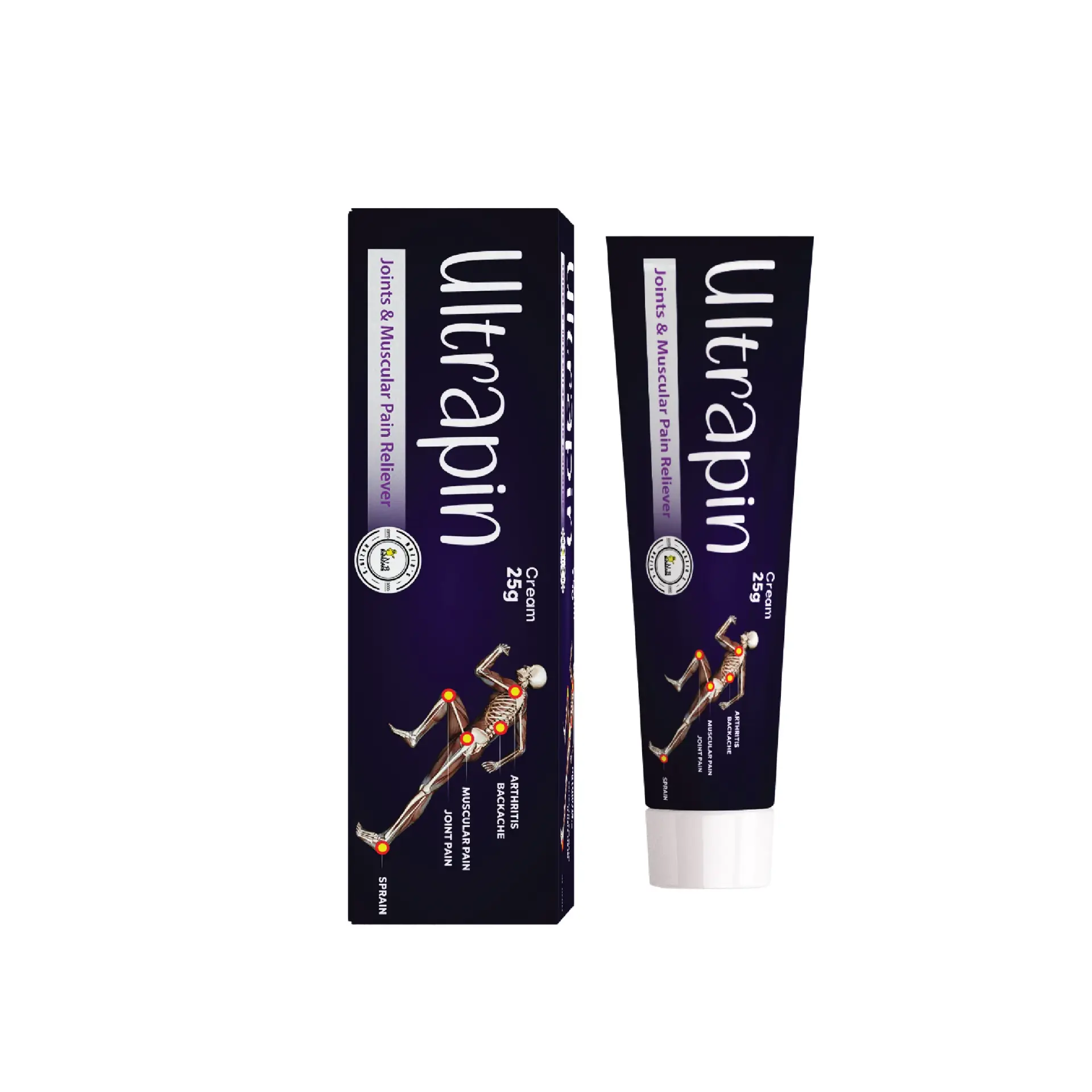
A good cream gives targeted comfort without a tablet. Ultrapin pain-relief cream (Rs 595) is an easy choice for kamar dard and stiff muscles. Massage a small amount into the area as directed. It pairs well with heat and stretching.
Posture and a stronger core
Posture protects your spine all day. Small fixes make a big difference.
- Sit with your back supported and feet flat on the floor.
- Keep your screen at eye level to avoid hunching.
- Stand up and move every thirty to sixty minutes.
- Lift with bent knees and a straight back.
A strong core supports the lower back. Gentle exercises like walking, swimming, and simple core work help. Build up slowly to avoid new strain.
The vitamin D and magnesium connection
Nutrition affects muscle and bone health. Two nutrients stand out in Pakistan.
Vitamin D deficiency is widespread here, despite our sunshine. Many people stay indoors or cover up. Low vitamin D is linked with muscle aches and weak bones. Learn more in our guide on vitamin D deficiency in Pakistan.
Magnesium helps muscles relax. Low levels may add to cramps and tension. Our piece on magnesium for sleep explains its calming role.
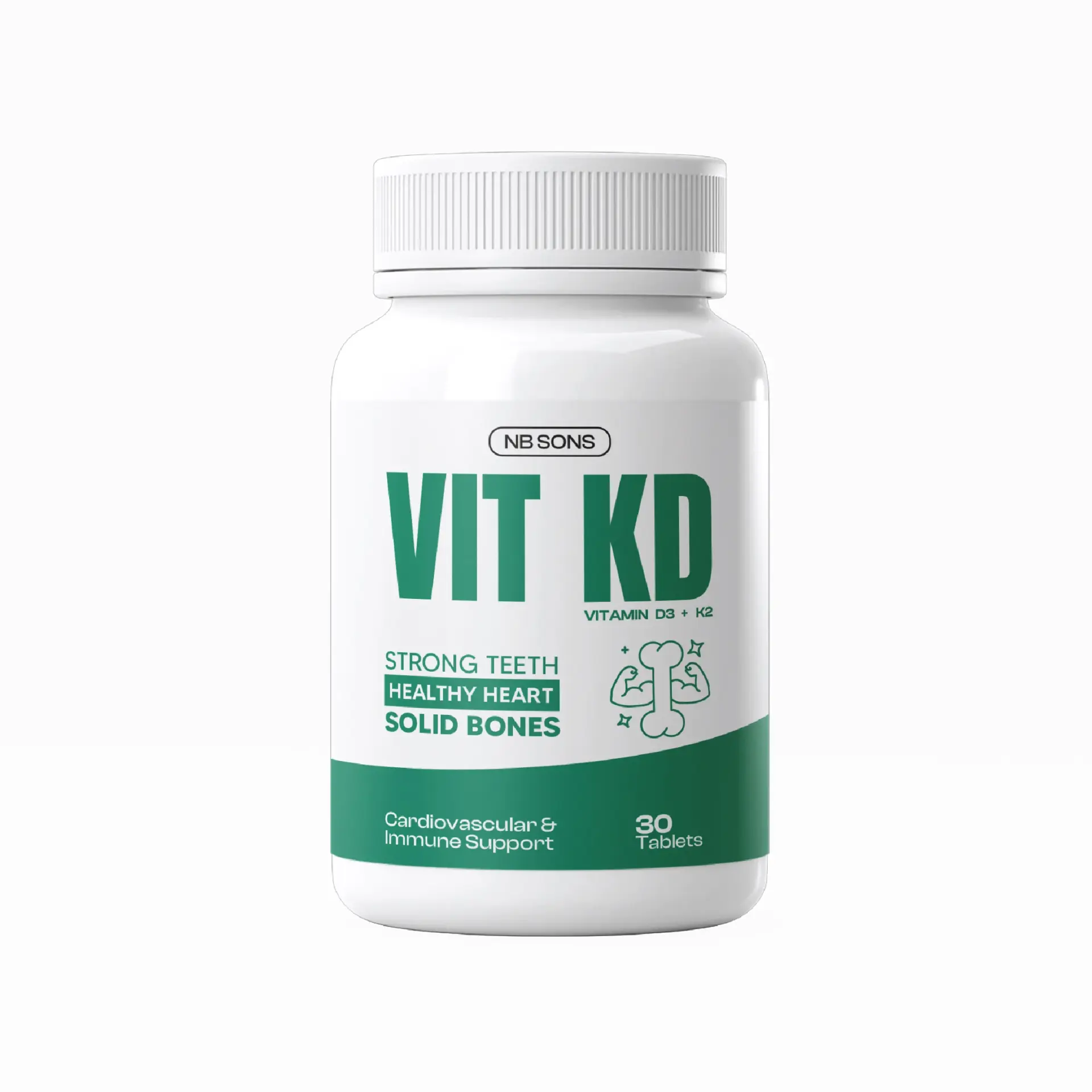
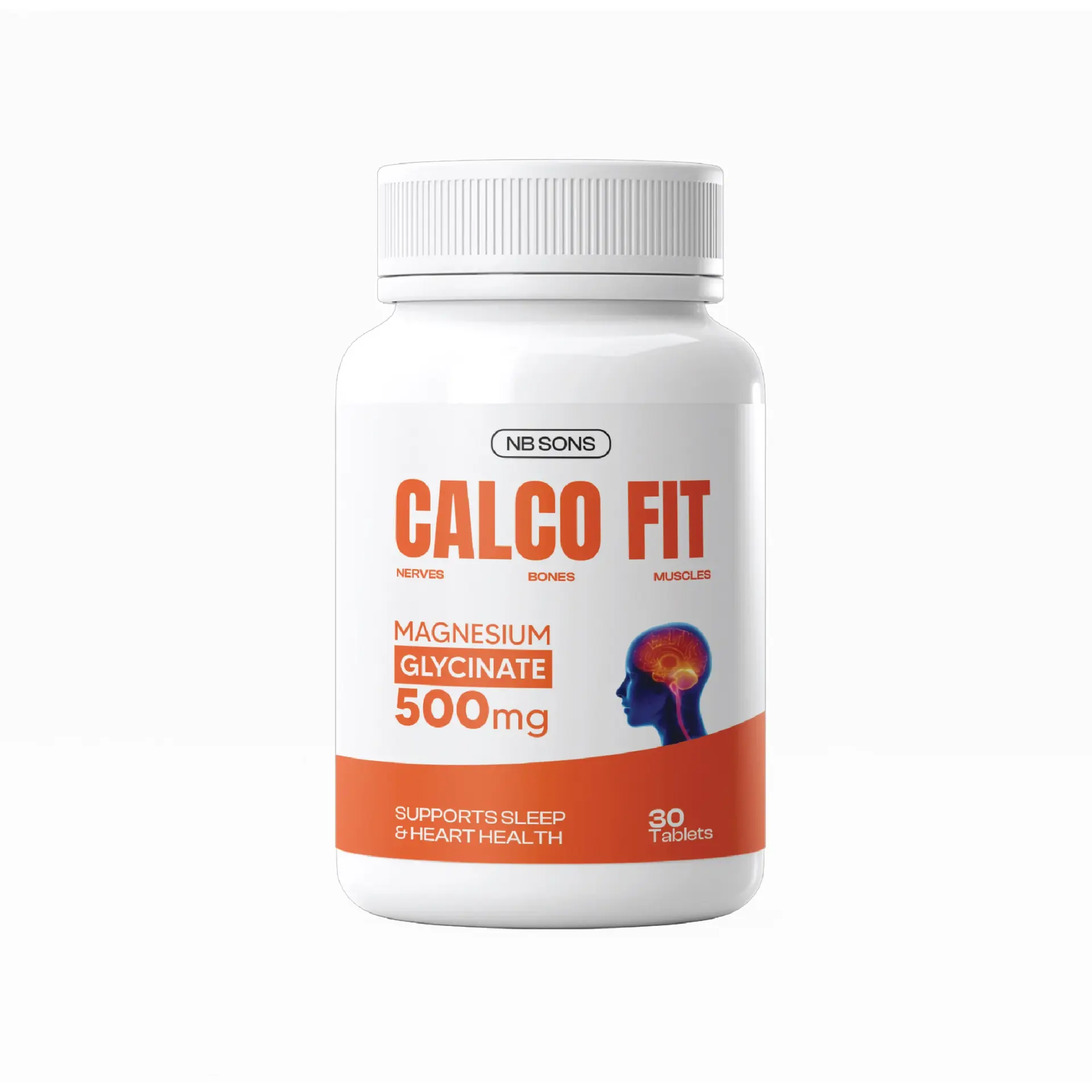
For everyday support, Vitamin D3 + K2 (Rs 870) helps maintain healthy levels. Calco-Fit magnesium glycinate (Rs 1,290) is a gentle, well-absorbed form. These support muscle and bone health, but they are not painkillers. For broader joint care, see natural joint pain relief options.
Weight, smoking, and everyday risk
Two factors quietly raise your risk of lasting back pain. Both are common, and both can be changed.
Extra weight around the middle pulls the lower spine forward. This strains the muscles and joints all day. Losing even a little weight can ease the load.
Smoking is another hidden risk. It reduces blood flow to the spine and slows healing. Cutting back helps your back and your whole body. A balanced diet, regular movement, and good sleep round out a strong plan.
Simple daily routine for a healthy back
You do not need a gym to protect your back. A short daily routine works well. Build it into your normal day.
- Start the morning with two or three gentle back and hip stretches.
- Take a brisk ten to fifteen minute walk most days.
- Break up long sitting with a quick stand and stretch each hour.
- Use heat or your pain-relief cream on stiff days.
- Keep your vitamin D and magnesium topped up with food and, if needed, a supplement.
Consistency matters more than intensity. Small steps every day beat one hard session a week.
When self-care is not enough
Most back pain improves within a few weeks. If it does not, see a doctor. They may suggest physiotherapy or a tailored exercise plan.
Do not rely on strong painkillers for a long time. They treat the feeling, not the cause. A proper plan works better and lasts longer.
Red flags: when to get urgent care
Most back pain is harmless. A few signs are not. These need urgent medical attention. Do not wait.
- Numbness or tingling around the back passage, groin, or inner thighs.
- Weakness in one or both legs that is getting worse.
- Loss of bladder or bowel control.
- Back pain after a fall, accident, or major injury.
- Fever along with the back pain.
- Severe pain at night, or pain that wakes you from sleep.
- Unexplained weight loss with back pain.
These can signal a serious problem. The Mayo Clinic and Cleveland Clinic list similar warning signs. If you have any, seek care straight away.
This article was written and medically reviewed to our medical review board standards and is for general guidance, not personal medical advice. Always speak to a doctor or pharmacist about your own situation.
Shop Ultrapin Pain-Relief Cream →Frequently asked questions
Should I rest or stay active with back pain?
Stay active. Long bed rest slows recovery. Keep moving gently and return to normal tasks as soon as you can.
Does a soft mattress cause back pain?
A very soft, sagging mattress can worsen back pain. A medium-firm mattress that supports your spine is usually better.
Can low vitamin D cause back pain?
Low vitamin D is linked with muscle aches and weak bones. It will not cause every backache, but correcting a deficiency supports overall bone and muscle health.
Is a pain-relief cream safe for daily use?
Topical creams like Ultrapin are generally well tolerated for short-term relief. Follow the label, avoid broken skin, and ask a pharmacist if unsure.
When should I worry about kamar dard?
Worry if you have any red-flag sign, such as leg weakness, numbness in the groin, loss of bladder control, fever, or pain after a fall. Get urgent care.
How long does back pain usually last?
Most acute back pain settles within a few weeks. If pain lasts more than six to twelve weeks, see a doctor for a fuller plan.
Liked this one? Get the next in your inbox.
One fortnightly note from the editors, new pieces, restocks, and the routines we're actually using. Unsubscribe any time.