Frozen Shoulder: Causes, Stages & Treatment Options (Pakistan 2026)
Frozen shoulder brings slow, painful stiffness that can last months. The three stages, realistic recovery times, who is at risk, and treatments that help.

Frozen shoulder treatment is one of the most searched shoulder health topics in Pakistan, and for good reason. According to the NHS, frozen shoulder, also called adhesive capsulitis, is a common cause of shoulder stiffness and pain. It tends to affect people over 40 more often, and it is more frequent in people with diabetes. If your shoulder has slowly become harder to move, this guide explains what is happening, honestly, and what actually helps.
What is frozen shoulder, really?
Your shoulder joint sits inside a capsule of tissue that keeps it stable. In frozen shoulder, this capsule becomes inflamed. Over time it tightens and thickens.
That thickening is what causes the pain at first. Later, it is what causes the stiffness. The joint itself is usually not damaged. The problem is the capsule around it.
This is different from a simple muscle strain or a rotator cuff tear. Frozen shoulder causes are not fully understood. But the capsule changes are well documented, as explained by Mayo Clinic in its overview of the condition.
The three frozen shoulder stages, explained honestly
Frozen shoulder does not appear overnight. It moves through three stages, and each one feels different.
Stage 1: The freezing stage
This is the painful stage. Pain often gets worse at night. Reaching, lifting, or even sleeping on that side becomes difficult.
Movement is still possible here, but every movement hurts. This stage can last a few months.
Stage 2: The frozen stage
Pain may ease slightly, but stiffness takes over. Everyday tasks like reaching behind your back, wearing a bra, or combing your hair become hard.
The shoulder feels genuinely stuck. This is the stage that frustrates people the most.
Stage 3: The thawing stage
Movement slowly returns. Strength and range of motion improve, bit by bit.
This stage is often the slowest of the three. Patience matters here more than anything else.
How long does frozen shoulder really take to heal?
Here is the honest part. Frozen shoulder often takes many months to resolve. In some cases, it can take a year or more, sometimes longer, before the shoulder feels fully normal again.
We will not pretend otherwise. This is a slow condition. Most people do recover meaningful movement over time. But rushing it, or expecting a quick fix, usually leads to disappointment.
A structured plan, guided by a physiotherapist, tends to make the process more manageable, even if it does not make it fast.
Who is more at risk of frozen shoulder?
Frozen shoulder does not affect everyone equally. Some groups are more likely to develop it.
- People with diabetes, where the risk is notably higher
- People with thyroid conditions, including an underactive or overactive thyroid
- Anyone recovering from a shoulder injury, surgery, or a period of immobilisation, such as a sling
- Adults aged 40 to 60
- Women slightly more often than men
If you fall into one of these groups and notice new shoulder stiffness, it is worth mentioning to your doctor early rather than waiting.
Frozen shoulder treatment options that actually help
There is no single cure for frozen shoulder. But there are several approaches that genuinely support recovery, especially when combined.
Gentle range of motion exercises and physiotherapy
This is the mainstay of frozen shoulder treatment. A physiotherapist can guide you through gentle stretches designed to maintain and slowly improve movement, without overloading the joint.
Frozen shoulder exercises done consistently, even briefly each day, tend to work better than occasional intense sessions. Consistency matters more than intensity here.
Heat before stretching
Applying a warm compress or warm towel to the shoulder before exercises can help loosen tight tissue. This often makes stretching feel more comfortable and easier to do.
Many people in Pakistan already use this at home, a warm towel in the morning before a short stretching routine is a simple, low-cost habit.
Topical pain relief creams
During the painful freezing stage, a topical pain relief cream can offer symptomatic comfort. Massaging it in gently may also help you tolerate light movement.
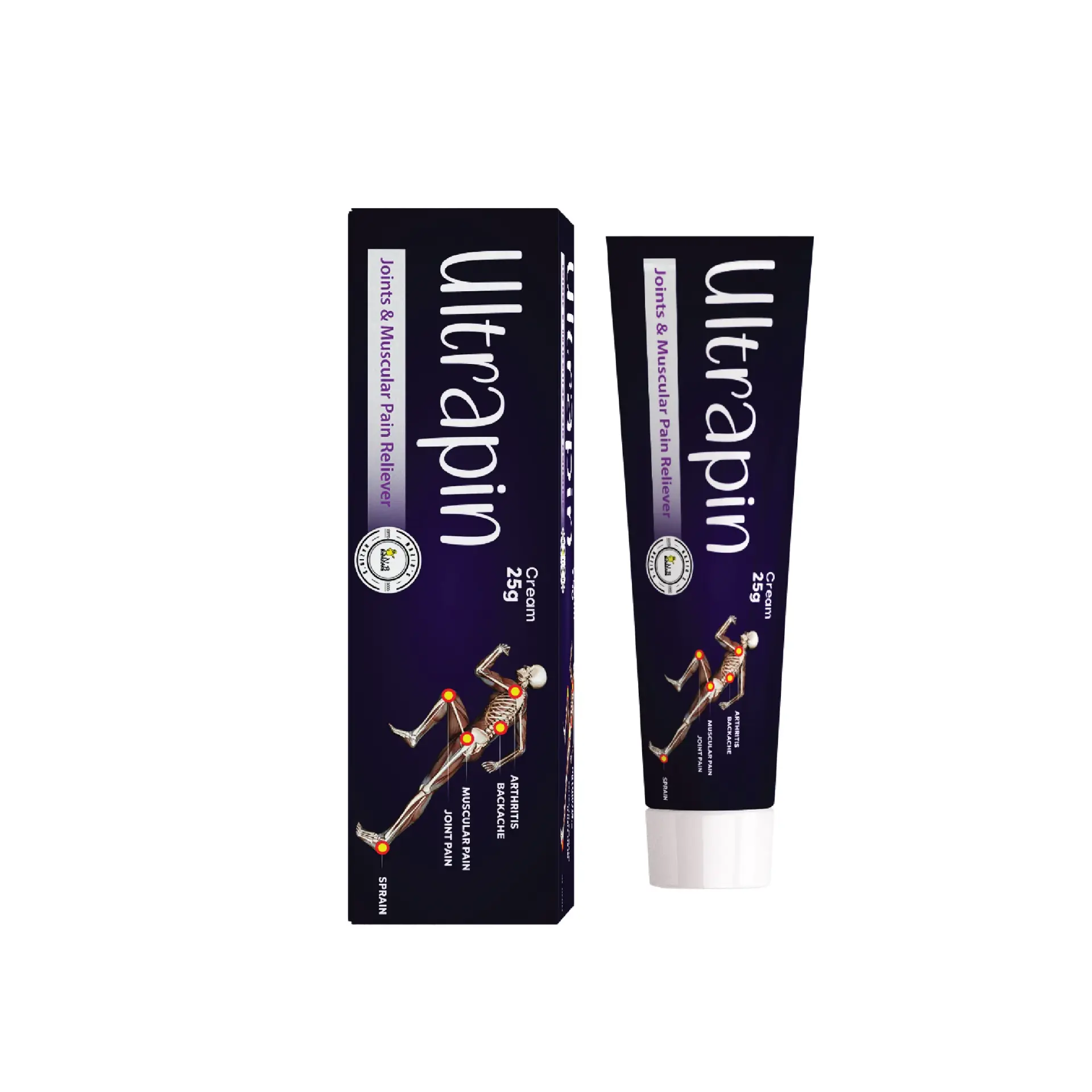
Ultrapin Pain Relief Cream for Muscles & Joints is one option many customers in Pakistan use for this kind of localised discomfort. It is meant to support comfort alongside physiotherapy, not replace the exercises that actually restore movement.
Over the counter approaches
Simple over the counter pain relief tablets, used as directed on the packaging or as advised by a pharmacist, can help take the edge off pain, particularly at night in the freezing stage.
Always check with a pharmacist if you take other medication or have existing health conditions.
When a doctor may suggest more
In some persistent cases, a doctor may recommend a steroid injection into the joint to reduce inflammation and pain. This is a medical decision, made after an examination.
Rarely, if the shoulder remains very stiff despite months of physiotherapy, a doctor may discuss a procedure to help release the tightened capsule. This is not the first step, and most people never need it.
These are decisions for a qualified doctor, not something to pursue on your own.
See a doctor before assuming it is frozen shoulder
Shoulder pain has many causes. Rotator cuff problems, arthritis, and nerve issues can all feel similar at first.
Do not self-diagnose based on symptoms alone. A doctor or physiotherapist can examine your shoulder, check its range of motion, and confirm whether this is truly frozen shoulder.
They can also build a structured exercise plan suited to your stage of the condition, which matters more than following a generic routine online.
Supporting your recovery day to day
Alongside physiotherapy, small daily habits can help you feel more comfortable while your shoulder heals.
- Apply a warm compress for 10 to 15 minutes before your stretching routine
- Use Ultrapin for topical relief on particularly sore days
- Avoid sudden heavy lifting on the affected side
- Sleep with support, such as a pillow under the arm, if night pain is an issue
- Keep up with your physiotherapist's exercises, even in the frustrating frozen stage
Related reading on joint comfort in Pakistan can also help, including our guide to joint pain relief without side effects and our overview of knee pain and osteoarthritis treatment. If your shoulder pain is linked to broader posture or back issues, our piece on back pain relief and causes may also be useful.
Shop Ultrapin Pain Relief Cream →This article was written and medically reviewed to our medical review board standards and is for general guidance, not personal medical advice. Always speak to a doctor or pharmacist about your own situation.
Frequently asked questions
Does frozen shoulder go away on its own?
Often, yes, frozen shoulder tends to improve on its own over time as it moves through its three stages. But this process can take a year or more. Physiotherapy and guided care usually make the journey more comfortable and can support a fuller recovery.
Can you still exercise with frozen shoulder?
Yes, and you generally should. Gentle, guided range of motion exercises are the main frozen shoulder treatment. The key word is gentle. Forcing movement or ignoring pain can make things worse, so let a physiotherapist guide the intensity.
Is heat or ice better for frozen shoulder?
Heat is generally more helpful before stretching, since it loosens tight tissue and eases stiffness. Some people also use ice after activity if the shoulder feels inflamed or sore. A physiotherapist can advise on what suits your stage best.
How long does frozen shoulder recovery really take?
Honestly, it varies, but it is rarely quick. Many people take several months to a year to notice real improvement, and some cases take longer. Consistent physiotherapy tends to support steady, if slow, progress.
Is frozen shoulder linked to diabetes?
Yes, people with diabetes have a higher chance of developing frozen shoulder compared to the general population. The exact reason is not fully understood, but it is a well recognised link, which is why good diabetes management matters for joint health too.
Can frozen shoulder come back after it heals?
It is uncommon for frozen shoulder to return in the same shoulder once it has fully thawed. However, it can sometimes develop in the other shoulder later, particularly in people with diabetes or thyroid conditions.
Should I massage a frozen shoulder myself?
Gentle massage with a topical cream like Ultrapin can offer comfort, but avoid deep or forceful massage on a very painful joint. Ask your physiotherapist what type of touch is appropriate for your current stage.
Liked this one? Get the next in your inbox.
One fortnightly note from the editors, new pieces, restocks, and the routines we're actually using. Unsubscribe any time.